
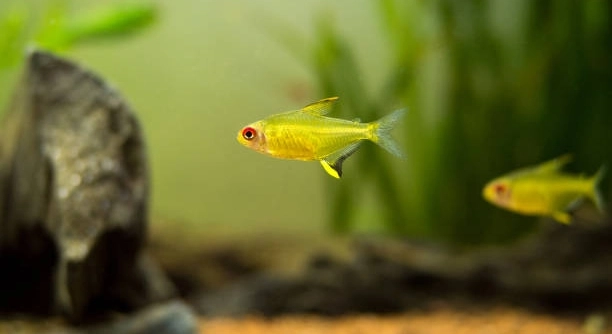
Keeping lemon tetras healthy can feel tricky at first, especially for new fish owners. Their small size and delicate nature make proper care important to ensure they thrive in any home aquarium.
Maintaining lemon tetras effectively involves consistent water quality monitoring, proper diet, suitable tank conditions, and regular observation. These steps reduce stress, prevent disease, and support natural behaviors, promoting a stable environment that allows the fish to live healthily and harmoniously.
Following simple strategies will make daily care easier and more rewarding, ensuring these bright, active fish remain vibrant and healthy over time.
Choosing the Right Tank Size
A proper tank size is essential for lemon tetras to thrive. These small, active fish do best in groups of six or more, which helps reduce stress and encourages natural schooling behavior. A tank that is at least 20 gallons provides enough space for movement, swimming, and territory. Smaller tanks can lead to poor water quality, rapid waste accumulation, and stunted growth. Providing adequate space also allows for plants, hiding spots, and gentle water flow, which mimics their natural environment. Regular water changes, proper filtration, and careful monitoring of temperature and pH are easier to maintain in the right-sized tank. This attention to environment reduces the chance of disease and helps the fish display natural behaviors. Lemon tetras are peaceful and social, so space to interact safely is vital. Setting up the tank thoughtfully from the beginning saves time and stress later.
Proper tank size keeps lemon tetras active, healthy, and stress-free. It also simplifies maintenance and water quality management.
Choosing a tank larger than 20 gallons ensures enough room for plants, decorations, and swimming. A well-planted tank with hiding spaces makes the fish feel secure. Proper filtration and regular water changes are easier to manage, keeping nitrate levels low. Maintaining stable temperature and pH prevents sudden stress. Observing fish behavior helps detect early signs of illness. Lemon tetras thrive in groups, so overcrowding must be avoided. Large tanks reduce aggression and support schooling instincts. Overall, tank size directly impacts health, growth, and behavior. Planning ahead creates a balanced environment that minimizes problems and promotes a vibrant aquarium.
Feeding Lemon Tetras
Feeding lemon tetras a balanced diet is crucial. High-quality flake food, supplemented with live or frozen options, ensures proper nutrition and color development.
A consistent feeding schedule prevents overfeeding and maintains water quality, supporting overall health and activity levels.
Offering variety helps maintain interest and provides essential nutrients. Small portions two to three times daily prevent leftover food from fouling the tank. Occasional treats like daphnia or brine shrimp enhance diet and encourage natural hunting behavior. Observing eating habits ensures all fish receive adequate nutrition and helps detect any health issues early. Feeding should be adjusted based on fish size, activity, and age. Avoid processed or oversized foods that may cause digestive problems. Proper feeding not only keeps fish vibrant but also reduces stress and supports a thriving aquarium.
Would you like me to continue with the next headers in the same format?
Monitoring Water Quality
Regular water testing ensures lemon tetras remain healthy and stress-free. Checking parameters like ammonia, nitrite, nitrate, and pH helps maintain a stable environment, preventing sudden issues.
Maintaining clean water reduces disease risks and supports natural behavior. Using a reliable test kit, monitor ammonia and nitrite levels weekly, and keep nitrate under 20 ppm. pH should remain stable around 6.5–7.0, and temperature should stay between 72–78°F. Performing 20–25% water changes weekly helps keep parameters consistent. Avoid overfeeding and overcrowding, as both can negatively affect water quality and fish health. A well-filtered tank also aids in keeping waste and debris under control.
Observation complements testing. Watch for unusual swimming, gasping, or faded colors, which often indicate water issues. Keeping equipment functional and clean, including filters and heaters, supports stability. Proper water maintenance fosters longevity, vibrant coloration, and active schooling, making lemon tetra care more manageable and enjoyable.
Providing Proper Lighting
Balanced lighting helps lemon tetras maintain their natural colors and reduces stress. Too much light can cause algae growth, while too little affects plant health.
Using a timer ensures a consistent day-night cycle, typically 8–10 hours of light daily. Adequate lighting encourages natural behavior and supports planted tanks, providing hiding spots and a sense of security. Choosing soft, diffuse light prevents fish from being startled and reduces stress. Position lights to avoid excessive glare or hot spots, which can create uneven water temperatures. Adjusting light intensity based on tank size and plant density helps maintain stability. Monitoring fish behavior and plant growth can indicate if lighting is appropriate.
Planted tanks benefit greatly from proper lighting, as it supports photosynthesis and keeps plants healthy. Healthy plants improve water quality by absorbing nitrates and offering shelter. Consistent lighting prevents sudden environmental changes that may stress lemon tetras. Combining natural and artificial light, along with maintaining stable water conditions, ensures a vibrant, balanced aquarium. Lighting should be evaluated periodically and adjusted to match seasonal variations or plant growth changes, promoting a thriving aquatic environment that encourages active, colorful fish and lush plant life.
Maintaining Stable Temperature
Lemon tetras are sensitive to temperature fluctuations. Keeping the water consistently between 72–78°F ensures their metabolism and immune system function properly. Sudden drops or spikes can stress the fish, leading to illness or behavioral changes.
Using a reliable heater and thermometer helps maintain stability. Placing the thermometer in an easily visible spot allows quick checks, and adjusting the heater gradually avoids shocks. Consistent temperature supports active swimming, proper feeding, and vibrant coloration. Monitoring temperature during seasonal changes or power outages prevents sudden shifts that could affect health. Proper heating ensures the fish remain comfortable and energetic in their habitat.
Choosing Compatible Tank Mates
Lemon tetras thrive with peaceful, similarly sized fish. Aggressive or larger species can stress or injure them, disrupting schooling behavior and overall well-being.
Keeping compatible species reduces conflict and maintains a harmonious aquarium environment. Selecting fish with similar water parameter requirements ensures health and prevents stress-induced illness.
Regular Tank Cleaning
Cleaning the tank regularly prevents waste buildup and algae growth. Removing uneaten food, vacuuming substrate, and wiping decorations keeps water quality stable and reduces disease risks.
Observing Fish Behavior
Monitoring behavior helps detect early signs of illness. Changes in swimming, coloration, or appetite often indicate health issues. Prompt action supports recovery and maintains a healthy tank.
FAQ
How often should I feed my lemon tetras?
Lemon tetras do best with small, frequent feedings. Offering food two to three times a day in tiny portions prevents overfeeding and reduces waste in the tank. Uneaten food should be removed to maintain water quality. Providing a mix of high-quality flake food with occasional live or frozen foods ensures balanced nutrition and vibrant coloration. Observing the fish during feeding helps confirm all individuals are eating properly. Adjust portions as fish grow or if the group size changes to avoid leftover food and maintain consistent health.
What is the ideal water temperature for lemon tetras?
The ideal temperature for lemon tetras is between 72 and 78°F. Maintaining stable temperature within this range supports metabolism, immune function, and natural behavior. Sudden fluctuations can stress the fish, making them more prone to disease. A reliable heater and thermometer are essential tools. Place the thermometer in a visible location and check daily. Adjust heating gradually if the water is outside the recommended range. Proper temperature stability encourages active swimming, proper feeding, and vivid coloration, helping the fish thrive over the long term in a home aquarium.
Can lemon tetras live with other fish?
Yes, lemon tetras are peaceful and do best with similar-sized, non-aggressive species. Avoid larger or territorial fish, as they can stress or harm tetras. Ideal tank mates include small tetras, rasboras, corydoras, and peaceful livebearers. Choosing compatible species ensures harmonious schooling behavior and reduces aggression. Also, ensure that all species share similar water parameter requirements, including temperature, pH, and hardness. Introducing new fish gradually and monitoring interactions helps prevent stress and injury. A well-planned community tank keeps lemon tetras active, healthy, and displays their natural schooling behavior effectively.
How often should I change the water?
Water changes are essential to maintain stable parameters and prevent disease. Weekly changes of 20–25% are usually sufficient for a well-stocked tank. Larger changes may be required in smaller tanks or when nitrate levels rise. Always match the new water’s temperature, pH, and hardness to the existing tank to avoid shocking the fish. Partial water changes remove waste, excess nutrients, and uneaten food, keeping ammonia, nitrite, and nitrate under control. Regular observation during water changes also helps detect early signs of illness or stress, supporting a healthy and stable environment.
What signs indicate my lemon tetras are stressed or sick?
Signs of stress or illness include faded color, clamped fins, erratic swimming, hiding, loss of appetite, or gasping at the surface. Stress may result from poor water quality, sudden temperature changes, overcrowding, or aggressive tank mates. Early detection allows prompt intervention. Testing water parameters, checking equipment, and isolating sick fish can prevent the spread of disease. Maintaining a clean, stable environment and monitoring behavior regularly reduces stress and supports long-term health. Stress management is critical for schooling fish, as it affects both individual health and overall group behavior.
Do lemon tetras need a planted tank?
While not strictly required, plants benefit lemon tetras by providing hiding spots, reducing stress, and supporting natural behavior. Plants also improve water quality by absorbing nitrates and creating oxygen-rich zones. Floating plants can diffuse lighting and give the fish a sense of security. Hardy plants like Java fern, Anubias, or mosses are ideal for low-maintenance setups. Even artificial plants can offer shelter, but live plants promote a more balanced, stable ecosystem. Incorporating plants encourages active swimming and natural schooling patterns while contributing to a visually pleasing aquarium environment.
How many lemon tetras should I keep together?
Lemon tetras are schooling fish and should be kept in groups of at least six, preferably more. Smaller groups can lead to stress, shyness, and odd behavior. Larger groups create a natural dynamic where the fish feel secure and display vibrant colors. A school also helps reduce aggression and prevents any single fish from being targeted by tank mates. Ensuring adequate space in the tank is essential, as overcrowding can cause water quality problems and stress. Proper group size enhances health, behavior, and overall enjoyment of the aquarium.
What is the best type of filtration for a lemon tetra tank?
A gentle filter that maintains clean water without creating strong currents is ideal. Lemon tetras prefer calm water, so sponge filters, hang-on-back filters with adjustable flow, or canister filters with spray bars are recommended. Adequate filtration removes debris, waste, and toxins, supporting water quality and overall fish health. Regular filter maintenance is necessary to prevent clogging and maintain flow. Avoid high-powered pumps that create strong currents, as these can stress small schooling fish. A balanced filtration system keeps the tank clean, stable, and comfortable for lemon tetras.
How long do lemon tetras typically live?
With proper care, lemon tetras can live 3 to 5 years, sometimes longer. Longevity depends on stable water conditions, proper diet, stress-free environment, and monitoring for disease. Providing a balanced diet, a spacious tank, and compatible tank mates supports health and life expectancy. Regular maintenance, including water changes, cleaning, and observing behavior, helps prevent illness. Avoid overcrowding and sudden environmental changes, which can shorten lifespan. Well-cared-for lemon tetras remain active, colorful, and vibrant throughout their life, making long-term care rewarding and enjoyable.
Can I breed lemon tetras at home?
Breeding lemon tetras requires a separate tank with soft, slightly acidic water. Spawning mops or fine-leaved plants give eggs a safe place. Males display brighter colors during courtship, and eggs should be separated to prevent predation. Careful water management and feeding fry infusoria or powdered food help young tetras grow. Temperature should remain stable, and light cycles adjusted to mimic natural conditions. Breeding is more successful with healthy adults and minimal stress. Patience and attention to detail are key to raising a healthy batch of fry and supporting natural reproductive behavior.
Would you like me to continue with the remaining headers next?
Lemon tetras are small, lively fish that bring color and movement to any aquarium. Caring for them requires attention to a few key factors, including tank size, water quality, diet, and compatible tank mates. While their care may seem detailed at first, following simple, consistent routines ensures that they remain healthy and active. These fish thrive best in groups, as schooling reduces stress and encourages natural behavior. Providing adequate swimming space and places to hide supports both their physical and mental well-being. Understanding their basic needs makes maintaining them less stressful and more rewarding over time.
Maintaining proper water conditions is one of the most important aspects of caring for lemon tetras. Consistent monitoring of temperature, pH, ammonia, nitrite, and nitrate levels prevents sudden stress or illness. Regular water changes help remove excess nutrients and waste, keeping the environment safe. Filtration and careful observation of fish behavior further support a stable aquarium. Paying attention to small details, like avoiding sudden temperature changes and providing gentle lighting, helps fish feel secure. A healthy, clean environment allows lemon tetras to display their natural schooling behavior, remain colorful, and stay active throughout their life.
Feeding and observing the fish closely are equally important. A balanced diet that combines high-quality flake food with occasional live or frozen treats keeps them healthy and vibrant. Watching for changes in swimming, color, or appetite allows you to spot potential issues early and take corrective action. Compatible tank mates and a peaceful environment reduce stress, making it easier for the fish to thrive. Plants or decorations offer additional comfort, shelter, and opportunities to explore. Overall, caring for lemon tetras is straightforward when attention is given to their basic needs. Consistency in maintenance routines, diet, and environment supports long-term health and creates a visually pleasing, active aquarium that brings enjoyment and satisfaction.

Hello,
If you enjoy the content that we create, please consider saying a "Thank You!" by leaving a tip.
Every little bit helps us continue crafting quality advice that supports the health, happiness, and well-being of pets around the world, for pets of all shapes, sizes, and species.
We really appreciate the kindness and support that you show us!