
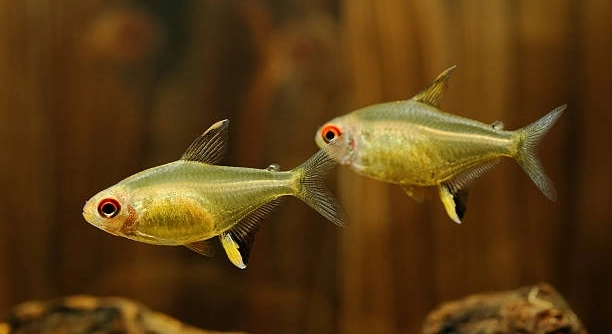
Lemon tetras are small, colorful fish that brighten up any aquarium. Feeding them the right amount of live food is important for their growth, energy, and overall health. Their diet needs balance to keep them active and healthy.
Lemon tetras should be fed live food two to three times per week in small portions. Overfeeding can lead to water quality issues and health problems, so moderation is essential to maintain a stable aquatic environment.
Proper feeding schedules ensure your lemon tetras stay vibrant and lively. Understanding their dietary needs will help maintain a healthy, thriving aquarium community.
Choosing the Right Live Food
Selecting the proper live food for lemon tetras is important for their health and well-being. Common options include brine shrimp, daphnia, and micro worms, each offering different nutrients. Brine shrimp are high in protein and easy to digest, which supports growth and vibrant coloration. Daphnia is slightly larger and helps improve digestion while keeping the fish active. Micro worms are ideal for smaller tetras or juvenile fish. Freshness is key, as live food that is old or contaminated can introduce harmful bacteria to the tank. It is best to source live food from reputable suppliers and rinse it before feeding. Feeding a variety of live foods ensures a balanced diet and prevents nutrient deficiencies. Observation of the tetras while they eat helps identify preferences and potential feeding issues. Proper portioning also minimizes leftover food, keeping the water clean and safe for the fish.
Offering a mix of live foods supports a healthy, active school of lemon tetras and encourages natural feeding behaviors.
Rotating live food types keeps nutrition balanced and prevents monotony. Regularly changing what you feed also helps identify which foods your tetras thrive on.
Feeding Frequency and Portion Control
Small, frequent feedings are ideal for lemon tetras to maintain their health.
Overfeeding can cause uneaten food to decay, leading to poor water quality. Feeding two to three times per week in small amounts ensures they get enough nutrients without polluting the tank. Observing the fish while feeding helps adjust portions to their appetite. Juveniles may require slightly more frequent feedings for proper growth, but adult tetras thrive on moderate amounts. Avoid feeding right before tank cleaning to reduce waste buildup. Portion control is easier when using feeding tongs or measuring spoons to prevent accidental overfeeding. Live food should be offered in amounts that can be consumed within a few minutes. If leftovers remain, remove them promptly. Consistency in timing helps tetras anticipate feeding and reduces stress. Clean water is essential for healthy digestion and overall vitality. A careful approach to portioning maintains a balanced tank environment.
Regular feeding schedules and controlled portions are key to healthy tetras.
Maintaining this routine ensures long-term health, vibrant coloration, and active behavior. Proper monitoring of intake allows adjustments for tank size, number of fish, and individual needs, preventing overfeeding or malnutrition. Over time, observing patterns helps create a feeding rhythm that suits both fish and caretaker, resulting in a cleaner tank and happier tetras. Feeding should focus on nutritional quality rather than quantity, giving the tetras what they need without compromising water conditions. By combining rotation of live foods with controlled portions, you can maximize health benefits while reducing waste. Attention to detail, such as rinsing live food and timing feedings, strengthens your aquarium’s ecosystem. The tetras’ energy levels and coloration are reliable indicators of whether the feeding strategy is effective. Staying consistent with frequency and portion size ensures that each fish receives appropriate nutrition and avoids digestive stress, contributing to a stable, thriving aquatic environment.
Common Mistakes in Feeding Lemon Tetras
Overfeeding is a frequent issue that affects water quality and fish health. Uneaten live food can decompose quickly, producing harmful toxins. Another mistake is offering only one type of live food, which can lead to nutrient imbalance. Proper portion control is essential.
Ignoring tank cleanliness after feeding can harm your tetras. Leftover food and waste increase ammonia levels, stressing the fish. Feeding at irregular times or giving excessive portions can cause lethargy, poor coloration, and slower growth. It is important to monitor how much your tetras consume and adjust accordingly. Observing their behavior during feeding helps ensure everyone is eating properly. Rotating food types prevents deficiencies and keeps the fish active. Consistent feeding routines combined with clean water create a healthier environment for lemon tetras to thrive in.
Feeding too frequently or in large quantities often results in water cloudiness and algae growth. High protein foods left uneaten promote bacterial buildup. Watching your tetras’ appetite and adjusting portions accordingly prevents these issues. Using tools like feeding spoons or tongs can help measure exact amounts. Removing uneaten food immediately protects water quality and reduces stress on your fish. Balancing protein-rich live food with small portions encourages proper digestion. Ensuring a clean environment after each feeding supports overall health. By managing mistakes carefully, you maintain both water quality and active, colorful tetras over time.
Monitoring Fish Health Through Feeding
Changes in appetite or behavior can indicate health issues in lemon tetras. Feeding patterns often reflect overall well-being.
A sudden refusal to eat live food may suggest stress, disease, or poor water conditions. Monitoring how the fish respond to each feeding can help catch problems early. Healthy tetras are active and eagerly consume their portions. Observing growth patterns, energy levels, and coloration provides insight into whether the diet meets nutritional needs. Stress from overcrowding or fluctuating temperatures can also affect feeding behavior. Adjusting feeding schedules and portion sizes to match the tank environment supports long-term health and vitality. Tracking feeding behavior over time helps identify subtle changes that might otherwise go unnoticed, allowing timely interventions and care.
Consistent observation of feeding helps detect early signs of illness, stress, or nutritional deficiency. Noting subtle changes in appetite, coloration, or activity levels can prevent serious health problems. Implementing minor adjustments to portion size, live food type, and feeding frequency ensures a balanced diet. Over time, careful attention to feeding patterns builds confidence in managing your lemon tetras effectively. Combining clean water practices with monitoring behaviors enhances their overall well-being and promotes a thriving aquarium. Healthy feeding routines directly influence longevity, growth, and coloration, making vigilance during each feeding session an essential part of care.
Signs Your Lemon Tetras Are Well-Fed
Active swimming and vibrant coloration indicate that lemon tetras are receiving proper nutrition. They should eagerly eat live food during feeding sessions.
Healthy tetras maintain steady growth and display curiosity within the tank. Even small changes in energy or appetite can signal a need to adjust feeding amounts or frequency.
Adjusting Feeding for Different Ages
Juvenile lemon tetras require slightly more frequent feedings to support growth. Adults do well with moderate portions two to three times per week. Adjust the amount of live food based on size and activity level. Observing your tetras helps ensure they receive the right nutrition without overfeeding.
Storage and Handling of Live Food
Live food should be stored in a clean, aerated container. Avoid overcrowding and maintain appropriate temperatures. Proper handling ensures freshness and reduces the risk of introducing harmful bacteria into the tank.
FAQ
How often should I feed my lemon tetras live food?
Lemon tetras should be fed live food two to three times per week. This schedule ensures they get enough nutrients without overloading the tank. Overfeeding can cause uneaten food to decompose, leading to poor water quality and stressed fish. Stick to small portions that the fish can finish within a few minutes to keep the tank clean and healthy. Observing their behavior while feeding will help you adjust the amounts as needed, especially if the school grows or the tetras are more active.
Can lemon tetras eat live food every day?
Feeding live food daily is not necessary and may harm water quality. While they enjoy live food, it should be a supplement rather than a staple of their diet. Daily feeding can lead to overfeeding, which increases waste and encourages bacterial growth. A mixture of high-quality flake or pellet food and live food is sufficient to meet their nutritional needs. Limiting live food to a few times per week ensures balance and prevents digestive issues. Occasional treats are fine but avoid making them a daily habit.
What types of live food are best for lemon tetras?
Brine shrimp, daphnia, and micro worms are all excellent choices. Brine shrimp are high in protein and support growth, while daphnia can aid digestion and help maintain energy levels. Micro worms are suitable for smaller tetras and juveniles, providing gentle nutrition that is easy to eat. Rotating these foods ensures a balanced diet and prevents nutrient deficiencies. Freshness is important—always rinse live food and avoid items that are old or contaminated. Variety is key to maintaining active, healthy fish with vibrant coloration.
How do I know if I am overfeeding my tetras?
Overfeeding can be recognized by leftover food in the tank and cloudy water. If your tetras are lethargic, have faded colors, or show signs of digestive issues, the portions may be too large. Uneaten live food decomposes quickly, increasing ammonia and nitrite levels, which can stress the fish. Feeding only what can be eaten within a few minutes helps prevent these problems. Adjust portion sizes based on the number of fish and their activity levels, and remove leftovers promptly to protect water quality.
Can I mix live food with other types of food?
Yes, combining live food with flakes or pellets ensures a balanced diet. Live food provides protein and encourages natural hunting behaviors, while flakes and pellets offer essential vitamins and minerals. Mixing different food types keeps the diet varied and prevents deficiencies. Alternate the types of live food offered each week to maintain interest and nutrition. This approach also reduces overreliance on one food source, which helps avoid digestive problems and keeps your lemon tetras healthy over the long term.
What should I do if my tetras refuse live food?
Refusal of live food can indicate stress, illness, or sudden changes in water conditions. Check the tank parameters, including temperature, pH, and ammonia levels. Try offering smaller portions or different types of live food, as some tetras may prefer one type over another. Introducing live food gradually or after regular flake feedings can also help. Monitor the fish closely for any other signs of illness, such as clamped fins or unusual swimming patterns. Adjusting the feeding routine and ensuring a clean environment often encourages acceptance of live food.
How should I store live food?
Live food should be kept in a clean, aerated container with proper temperature control. Avoid overcrowding, which can stress or kill the food before it reaches your fish. Use fresh water if necessary, and discard any spoiled or dead food immediately. Handling carefully prevents introducing harmful bacteria into the tank. Proper storage maintains the nutritional quality of live food, ensuring it benefits your lemon tetras without causing water contamination. Preparing small batches at a time also helps maintain freshness and reduces waste.
Is it safe to feed live food that I catch myself?
Catching your own live food carries risks, including parasites, bacteria, or toxins that can harm your tetras. It is safer to source live food from reputable suppliers who provide disease-free options. If you do collect live food, quarantine and inspect it carefully before feeding. Rinsing and observing the live food for any unusual behavior or signs of contamination helps reduce risks. Using commercially prepared live food is often the best way to ensure your lemon tetras receive safe, high-quality nutrition.
Can overfeeding live food affect water quality?
Yes, uneaten live food decomposes quickly and produces ammonia and nitrites, which harm fish. Maintaining proper feeding portions prevents buildup. Remove leftovers promptly and monitor water quality regularly. Consistent tank cleaning and controlled feeding maintain a healthy environment for your tetras and reduce the risk of disease or stress caused by poor water conditions.
Feeding lemon tetras the right amount of live food is an important part of keeping them healthy and active. Too much food can quickly pollute the tank, while too little can lead to nutritional deficiencies and slower growth. It is important to find a balance that meets their dietary needs while maintaining water quality. Small, measured portions two to three times per week are usually sufficient for adult tetras, while juveniles may require slightly more frequent feedings to support their growth. Watching how your tetras respond to each feeding is essential, as it allows you to adjust the amount and type of live food to match their appetite and energy levels. Over time, observing their behavior during feedings helps you understand what works best for your aquarium.
The type of live food you offer also plays a significant role in their overall health. Brine shrimp, daphnia, and micro worms are all suitable options, each providing unique nutrients that support growth, energy, and coloration. Rotating these foods ensures that your tetras receive a well-rounded diet and prevents deficiencies that may arise from feeding a single type of live food. It is equally important to handle and store live food properly to maintain freshness and prevent contamination. Rinsing live food before feeding and keeping it in clean, aerated containers reduces the risk of introducing harmful bacteria into the tank. A careful approach to both feeding and food management creates a safe and nutritious environment for your lemon tetras.
Maintaining a consistent feeding routine benefits not only their nutrition but also their behavior and tank environment. Lemon tetras thrive when their diet is balanced, and the tank is clean and stable. Monitoring appetite, coloration, and activity levels can reveal if adjustments are needed in feeding frequency or portion size. Proper portion control prevents leftover food from decomposing, which in turn helps maintain water quality and reduces the risk of stress or illness. A stable routine supports growth, vibrant coloration, and active swimming patterns. By following these guidelines and paying close attention to their needs, you can ensure that your lemon tetras remain healthy, lively, and visually striking. Consistency, careful observation, and a well-planned feeding strategy are key elements in successfully caring for this small but vibrant fish.

Hello,
If you enjoy the content that we create, please consider saying a "Thank You!" by leaving a tip.
Every little bit helps us continue crafting quality advice that supports the health, happiness, and well-being of pets around the world, for pets of all shapes, sizes, and species.
We really appreciate the kindness and support that you show us!