
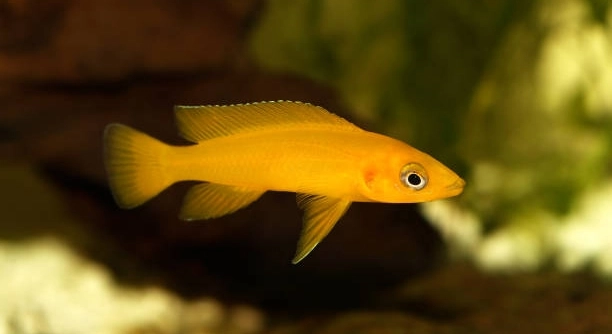
Do you ever find yourself admiring the bright, shimmering colors of lemon tetras while setting up your aquarium? These small, lively fish are popular in home tanks and bring a cheerful touch to any aquatic space.
Lemon tetras can survive in low-tech tanks if their basic needs are met, including stable water conditions, gentle filtration, and regular feeding. While they thrive in well-maintained environments, careful attention ensures their health even in simpler setups.
Understanding the essentials of tank care will help you provide a safe and comfortable home for your lemon tetras. Proper preparation and observation make a noticeable difference in their well-being.
Understanding Low-Tech Tanks
Low-tech tanks are simple setups without advanced filtration, CO2 injection, or complex lighting systems. They rely on natural biological processes to maintain water quality and plant growth. For lemon tetras, this type of tank can work if you focus on stability. These fish need consistent temperatures, generally between 72°F and 78°F, and moderate water hardness. Keeping the tank clean is essential because low-tech systems are more sensitive to changes. Using live plants helps reduce nitrates and provides hiding spots, which makes the fish feel secure. Substrate choice also matters; sand or fine gravel is ideal for delicate fins. A small sponge filter or gentle flow ensures oxygenation without stressing the fish. Observing your fish daily helps catch early signs of stress or disease. Even a simple tank requires attention to feeding, water changes, and maintaining consistent conditions. Lemon tetras adapt better when the environment mimics their natural habitat, even in low-tech setups.
Maintaining stable water conditions in low-tech tanks ensures lemon tetras remain healthy and active over time.
Starting with proper care habits and a thoughtful tank layout significantly improves survival rates and reduces stress.
Feeding and Nutrition
Lemon tetras eat small, varied diets including flakes, pellets, and occasional live or frozen foods.
Providing a mix of food ensures they get essential proteins, vitamins, and minerals needed for growth and coloration. Feeding small amounts twice a day prevents overfeeding and keeps water clean. Observing how they eat helps you adjust portions and prevent uneaten food from polluting the tank. Variety in diet also stimulates natural behavior, encouraging swimming and interaction. Even in low-tech tanks, nutrition plays a vital role in immune health, which reduces susceptibility to disease. Supplementing with occasional brine shrimp or daphnia adds extra nutrients and helps the fish display their natural, bright colors. Monitoring fish size and activity provides clues if the diet needs adjustment. Over time, this feeding approach fosters strong, vibrant lemon tetras that thrive in simple tank environments. A consistent schedule and balanced diet form the backbone of care for these small, lively fish.
Proper feeding routines prevent nutrient deficiencies and promote long-term health.
Regular observation and careful diet choices maintain fish vitality, helping them flourish while keeping tank maintenance manageable.
Tank Setup Essentials
Choosing the right tank size is crucial. Lemon tetras do best in at least a 20-gallon tank with open swimming areas and some planted sections for hiding.
A low-tech tank should balance open space and planted areas. Live plants like Java fern, Anubias, or Amazon sword are low-maintenance and provide shelter. Substrate should allow root growth without disturbing the fish. A gentle sponge filter ensures water movement and oxygenation without stressing them. Lighting can be moderate to support plants but avoid strong currents. Decorations should not overcrowd the tank but provide areas for resting and exploring. Maintaining stable temperature and avoiding rapid water changes are key. Regular partial water changes and monitoring parameters like pH and hardness prevent sudden shifts. Even simple tanks benefit from a well-thought layout to reduce stress and support natural behavior.
Proper spacing and plant selection create a comfortable environment that encourages activity and reduces aggression.
A thoughtfully arranged tank reduces stress, keeps water stable, and supports healthy growth for lemon tetras.
Water Quality and Maintenance
Maintaining clean water is essential. Even in low-tech tanks, regular partial water changes keep toxins like nitrates under control.
Testing water parameters helps track pH, hardness, and ammonia levels. Lemon tetras prefer slightly acidic to neutral pH, between 6.5 and 7.5. Removing uneaten food and debris prevents spikes in ammonia or nitrites, which can harm fish. Plants help absorb excess nutrients, complementing water changes. A gentle filter circulates water and encourages gas exchange, keeping oxygen levels sufficient. Avoid harsh chemicals or sudden adjustments, as these fish are sensitive to rapid changes. Consistency in maintenance supports immune function and reduces stress. Observing fish behavior can reveal subtle issues early, like gasping or hiding, indicating water problems.
Maintaining stable water conditions minimizes stress and keeps fish active and healthy.
Routine water testing and cleaning habits ensure lemon tetras thrive in a simple tank environment without constant intervention.
Compatible Tank Mates
Lemon tetras are peaceful and do best with other small, non-aggressive fish. Avoid large or territorial species that may stress them.
Good companions include small rasboras, guppies, and Corydoras catfish. Keeping them in groups of six or more encourages natural schooling behavior and reduces stress.
Lighting and Temperature
Moderate lighting supports plant growth without stressing lemon tetras. Avoid intense or flashing lights that may cause erratic swimming. Maintaining a stable temperature between 72°F and 78°F ensures comfort and encourages normal activity. Low-tech tanks benefit from simple heaters to avoid sudden drops in warmth.
Breeding Considerations
Breeding lemon tetras in low-tech tanks requires soft, slightly acidic water and dense plant cover. Providing these conditions increases chances of successful spawning.
FAQ
Can lemon tetras live without a filter?
Lemon tetras can survive in a low-tech tank without a traditional filter if you maintain good water quality. Regular partial water changes are essential, and live plants can help absorb excess nutrients. A small sponge filter is helpful but not strictly required if cleaning is consistent.
How many lemon tetras should be kept together?
They are schooling fish and feel most comfortable in groups of six or more. Smaller groups can lead to stress, hiding, or reduced activity. Larger groups create lively swimming patterns, which mimic their natural behavior and improve overall health.
What should I feed lemon tetras?
A varied diet works best. Flakes and pellets cover basic nutritional needs, while frozen or live foods like brine shrimp and daphnia enhance growth and color. Feeding small amounts two times a day prevents overfeeding and keeps water clean.
Do lemon tetras need special lighting?
No intense or specialized lighting is necessary. Moderate lighting supports plant growth and helps the fish display their natural colors. Avoid bright, flickering, or flashing lights, which may stress them. A natural day-night cycle works well in low-tech tanks.
Can lemon tetras live with other fish?
Yes, they are peaceful and compatible with other small, non-aggressive species. Avoid large, territorial, or fin-nipping fish. Suitable tank mates include small rasboras, guppies, and Corydoras catfish. Grouping them with similar-sized species reduces stress and encourages schooling behavior.
How often should I do water changes?
In low-tech tanks, partial water changes of 20-30% weekly help maintain water quality. Removing uneaten food and debris is important to prevent ammonia and nitrate spikes. Consistency in cleaning supports long-term health and reduces stress.
Do lemon tetras need a heater?
A heater is recommended if room temperature fluctuates below 72°F. Stable temperatures between 72°F and 78°F are ideal. Sudden changes can stress fish, weaken their immune system, and increase susceptibility to disease. Low-tech tanks benefit from a simple heater to maintain consistent warmth.
Can lemon tetras breed in low-tech tanks?
Yes, they can, but they need soft, slightly acidic water and plenty of plant cover for spawning. Dense plants or spawning mops give eggs places to attach and protect fry. Removing adults after eggs are laid increases survival rates.
What is the lifespan of lemon tetras?
With proper care, lemon tetras live about 3 to 5 years. Maintaining stable water conditions, providing a balanced diet, and reducing stress from aggressive tank mates help them reach their full lifespan. Observation and routine care are key to longevity.
How can I tell if my lemon tetra is healthy?
Healthy fish are active, swim in groups, and show bright coloration. They respond to feeding and explore the tank. Signs of stress or illness include hiding, clamped fins, pale colors, or erratic swimming. Early detection through daily observation helps prevent serious health issues.
Do they need special substrate?
A soft substrate like sand or fine gravel is best. It allows delicate fins to move without injury and supports plant growth. Avoid sharp or rough substrates that could harm fish or interfere with natural behaviors.
How important are plants in a low-tech tank?
Plants provide shelter, reduce nitrate levels, and create a more natural environment. They support breeding and reduce stress by giving hiding spaces. Even easy-care plants like Java fern or Anubias make a significant difference in fish health.
Can I keep lemon tetras in a small tank?
A minimum of 20 gallons is recommended for a small group. Smaller tanks make water parameters harder to stabilize and increase stress. Proper space allows swimming, schooling behavior, and reduces the risk of aggression.
How do I prevent disease in low-tech tanks?
Stable water parameters, regular cleaning, and a balanced diet reduce disease risk. Avoid overcrowding and monitor fish daily. Quarantining new fish before introducing them prevents spreading infections. Low-tech setups require careful attention to prevent common fish illnesses.
Are lemon tetras suitable for beginners?
Yes, they are hardy and adapt well to low-tech setups if their basic needs are met. Consistent care, attention to water quality, and proper tank mates make them ideal for beginner aquarists. They provide lively movement and color with relatively simple maintenance.
What should I do if my lemon tetra looks stressed?
Check water parameters, temperature, and tank mates. Look for overcrowding or sudden changes in the environment. Providing plants, hiding spaces, and ensuring consistent care helps reduce stress. Identifying the cause early improves recovery and long-term health.
Is it necessary to cycle a low-tech tank?
Yes, cycling is important to establish beneficial bacteria that break down waste. Even in low-tech tanks, ammonia and nitrite spikes can harm fish. Cycling before adding lemon tetras ensures a safe, stable environment from the start.
How do I maintain water clarity without a filter?
Frequent partial water changes, careful feeding, and live plants help maintain clarity. Skimming the surface and removing debris prevents buildup. While a filter makes this easier, low-tech tanks can stay clear with consistent maintenance.
Can lemon tetras adapt to tap water?
They can adapt if tap water is treated for chlorine or chloramine. Monitoring pH, hardness, and temperature helps ensure a stable environment. Gradual acclimation reduces stress and allows them to thrive in low-tech conditions.
What tank decorations are safe?
Smooth rocks, driftwood, and soft plants are ideal. Avoid sharp edges or overcrowding the tank. Decorations provide hiding spaces and visual interest while keeping swimming areas open for schooling behavior.
How do I encourage natural behavior?
Maintaining a group of six or more, providing plants, and ensuring a balance of open swimming areas allows lemon tetras to display natural schooling, exploring, and resting behaviors. Feeding variety and consistent care also stimulate activity.
Can I keep lemon tetras in brackish water?
No, they are freshwater fish. Brackish or saltwater conditions can harm them. Maintaining slightly acidic to neutral freshwater supports health, coloration, and long-term survival.
Are lemon tetras sensitive to sudden changes?
Yes, rapid temperature, pH, or water chemistry shifts cause stress. Even in low-tech tanks, stability is more important than advanced equipment. Gradual adjustments prevent shock and support immune function.
How do I know when my tank is balanced?
Water tests show stable pH, ammonia, nitrite, and nitrate levels. Fish behavior is calm and active, plants grow steadily, and algae is minimal. Observation and testing together indicate a healthy, balanced low-tech environment.
Can I keep other tetra species with lemon tetras?
Yes, small peaceful tetras like neon tetras or ember tetras make good companions. Avoid aggressive or large tetra species that may outcompete or harass them. Schooling behavior improves with similar-sized species.
Is aeration necessary in a low-tech tank?
Aeration is helpful but not strictly required if water movement and surface agitation occur naturally. Plants contribute oxygen during the day, and gentle flow from a sponge filter supports gas exchange without stressing the fish.
What should I do if one fish dies?
Remove the fish immediately to prevent water contamination. Check water parameters and observe remaining fish for stress or illness. Partial water changes help restore balance and reduce the risk of further loss.
How often should I trim plants?
Regular trimming prevents overcrowding, allows light penetration, and keeps debris from decaying. Low-maintenance plants like Java fern or Anubias require minimal trimming but monitoring growth supports tank health.
Can lemon tetras live in soft water?
Yes, soft water is ideal, mimicking their natural habitat. Hard water is tolerated but may reduce coloration and increase susceptibility to stress. Monitoring hardness ensures they remain comfortable in a low-tech setup.
Are lemon tetras good for community tanks?
Yes, as long as tank mates are peaceful and similar in size. Overcrowding or aggressive species disrupt schooling and cause stress. A balanced community tank supports healthy behavior and minimizes conflict.
Do they need a deep tank?
No, moderate depth is sufficient. They prefer horizontal swimming space for schooling. Depth is less important than space for movement and stable water conditions.
Can lemon tetras tolerate fluctuating temperatures?
They are sensitive to sudden drops or spikes. Gradual seasonal changes are acceptable, but abrupt shifts can cause stress, illness, or death. Maintaining consistency is key for long-term health.
How long should I acclimate new fish?
Slow acclimation over 30 to 60 minutes is best. Gradually mixing tank water with the transport water helps reduce stress and allows lemon tetras to adjust to new conditions safely.
Do lemon tetras need hiding spots?
Yes, plants, driftwood, and decorations provide security. Hiding spots reduce stress, encourage natural behavior, and support breeding by giving them private areas to rest or lay eggs.
What is the ideal pH range?
A pH of 6.5 to 7.5 is ideal. Slightly acidic to neutral water supports health, coloration, and reproductive behavior. Monitoring pH helps prevent stress from sudden shifts.
How can I reduce stress in low-tech tanks?
Stable water, consistent feeding, proper tank mates, and plenty of swimming and hiding space reduce stress. Observing fish behavior regularly helps identify problems early, keeping lemon tetras calm and healthy.
Can lemon tetras survive in cooler water?
They can tolerate slightly cooler temperatures temporarily but prefer 72°F to 78°F. Prolonged exposure to low temperatures slows metabolism and increases susceptibility to disease. Stable warmth is essential.
What signs indicate illness?
Clamped fins, lethargy, faded colors, loss of appetite, or erratic swimming are common signs. Early detection allows timely intervention, improving chances of recovery. Regular observation is key in low-tech setups.
How often should I check water parameters?
Weekly testing is sufficient in stable, low-tech tanks. Frequent observation of fish behavior complements tests. Sudden changes require immediate checks to prevent stress or disease.
Are lemon tetras hardy fish?
Yes, they are relatively hardy and adapt well to simple tank setups, provided their basic needs—stable water, suitable temperature, and proper diet—are met.
Do they need a lot of swimming space?
Yes, lemon tetras are active swimmers. Open areas combined with plants for shelter create a balanced environment for schooling, exploration, and resting.
Can they live in planted-only tanks?
Yes, they thrive in heavily planted tanks. Plants provide hiding spots, reduce nitrates, and create natural conditions. Proper spacing ensures swimming areas remain open.
How important is routine observation?
Daily observation helps detect stress, disease, or water issues early. Even low-tech tanks benefit from careful monitoring to ensure fish remain healthy and active.
Can lemon tetras tolerate slightly alkaline water?
Slightly alkaline water is generally tolerated, but prolonged exposure above pH 7.5 may affect health and coloration. Monitoring and adjustments maintain a comfortable environment.
What are the most common mistakes beginners make?
Overcrowding, irregular water changes, sudden temperature or pH shifts, and poor diet are frequent errors. Paying attention to these areas prevents stress and disease, ensuring a thriving tank.
Is a lid necessary for the tank?
Yes, a lid prevents jumping and helps maintain stable temperature. It also reduces evaporation and protects the tank from dust or foreign objects.
Can lemon tetras survive with fluctuating light cycles?
Inconsistent light can stress them and affect plant growth. A stable day-night cycle helps maintain normal behavior, coloration, and plant health.
How can I safely introduce new fish?
Quarantine new fish for at least two weeks. Slowly acclimate them to the tank water to reduce stress and prevent introducing disease. Monitor closely after introduction to ensure harmony.
Are lemon tetras schooling fish?
Yes, they display natural schooling behavior when kept in groups of six or more. Schooling reduces stress, improves activity, and enhances color display.
Do they need soft or hard water?
They prefer soft to moderately hard water. Soft water supports natural coloration and reproductive behavior, while hard water is tolerated but less ideal.
How do I maintain tank balance without equipment?
Consistent water changes, careful feeding, live plants, and observation maintain stability. Even without advanced equipment, regular care prevents common problems in low-tech tanks.
Can lemon tetras live alone?
No, they are social fish and thrive in groups. Alone, they become stressed, less active, and may lose coloration. A group is essential for their well-being.
How do I prevent algae growth?
Moderate lighting, balanced feeding, and live plants help control algae. Regular maintenance and partial water changes keep nutrient levels in check, limiting algae buildup.
Do lemon tetras require fast-flowing water?
No, they prefer gentle currents. Strong water flow can stress them and disrupt schooling. Low-tech tanks with minimal circulation are sufficient if oxygenation is adequate.
What is the best way to acclimate fry?
Fry need soft, slightly acidic water and plenty of plants or spawning mops. Feed infusoria or finely crushed food, and avoid introducing adults to prevent predation. Gradual water changes support growth.
Can lemon tetras tolerate other temperatures?
They tolerate small fluctuations but thrive in 72°F to 78°F. Extreme changes stress fish, reduce immunity, and affect growth. Consistency is critical.
Do they need supplements or additives?
A balanced diet typically meets nutritional needs. Occasional live food enhances growth and color. Water conditioners for chlorine removal may be necessary.
How do I tell if the tank is overcrowded?
Fish constantly hide, compete for food, or show aggression. A crowded tank increases waste and stresses the fish. Maintaining appropriate stocking levels is essential for health.
Are they compatible with snails or shrimp?
Yes, small snails and peaceful shrimp coexist well. Avoid larger or aggressive species that may harm the fish or compete for food.
Can lemon tetras live in nano tanks?
Nano tanks are possible but not ideal. Small volumes make water parameters unstable and stress schooling fish. At least 20 gallons is recommended for a healthy group.
Do they need regular water testing?
Yes, testing ensures pH, hardness, and nitrogen compounds remain stable. Regular checks prevent stress, disease, and sudden health issues in low-tech tanks.
Can lemon tetras tolerate sudden changes in diet?
Sudden changes can stress their digestive system. Gradual introduction of new foods allows adaptation while ensuring proper nutrition.
What should I do if they stop schooling?
Check water quality, temperature, and tank mates. Stress, illness, or poor conditions may cause changes in behavior. Correcting the underlying issue restores normal schooling patterns.
Are lemon tetras aggressive?
No, they are peaceful and rarely display aggression. Proper tank mates and space reduce potential conflicts, promoting calm group behavior.
Can I keep them with bettas?
It is risky. Bettas can be territorial and may harass small fish. Observe carefully, and only attempt with calm, non-aggressive bettas in spacious tanks.
Do they need a gravel or sand substrate?
Either is acceptable, but soft substrates prevent fin damage and support plant growth. Fine gravel or sand is preferred for low-tech setups.
How do I clean a low-tech tank without stressing fish?
Partial water changes, gentle vacuuming, and avoiding sudden movement reduce stress. Remove debris gradually and maintain stable water conditions during cleaning.
Can lemon tetras live in cold basements or garages?
No, temperatures fluctuate too much. Keep tanks in stable, warm indoor spaces to prevent stress and illness.
Are they sensitive to chlorine?
Yes, untreated tap water with chlorine or chloramine can harm them. Using water conditioners ensures safe conditions for lemon tetras.
Do they need decorations or hiding spaces?
Yes, plants, driftwood, and smooth rocks provide security, reduce stress, and support natural behaviors, including resting and breeding.
Can lemon tetras survive in tanks with fluctuating pH?
They tolerate minor shifts but prolonged fluctuations cause stress, illness, and reduced coloration. Monitoring and gradual adjustments maintain health.
How often should I feed them?
Small amounts twice daily are sufficient. Overfeeding leads to water pollution and stress. Observing consumption ensures proper portions.
Can they live with goldfish?
No, goldfish are cold-water, messy, and may outcompete or harm them. Lemon tetras need stable, warm, clean water conditions.
Do lemon tetras need quarantine before introducing to a new tank?
Yes, a two-week quarantine reduces disease risk. Observe behavior, check for parasites, and gradually acclimate fish before introducing them to the main tank.
What is the best way to handle them?
Avoid handling directly. Use a net only when necessary for relocation or tank cleaning. Minimizing handling reduces stress and fin damage.
Can they survive in unheated tanks year-round?
If room temperature remains between 72°F and 78°F consistently, they can survive. Colder conditions weaken immunity and affect activity, so heating may be necessary in cooler climates.
Do lemon tetras recognize their owners?
They respond to movement and feeding but do not form bonds like mammals. Interaction is limited to observing behavior and reactions to routine care.
Are lemon tetras prone to specific diseases?
They are susceptible to common freshwater illnesses like ich or fin rot if stressed or water conditions are poor. Early detection and proper care reduce risk.
Can they survive in tanks with fluctuating oxygen levels?
They need stable oxygen. Low-tech tanks with plants and gentle surface movement maintain adequate levels. Poor oxygenation causes gasping or lethargy.
Do lemon tetras change color with stress?
Yes, stress or poor conditions can dull coloration. Stable water, proper diet, and low-stress environments help maintain bright colors.
How long can they go without food?
They can survive a few days but should not exceed a week. Short fasting is usually safe, but regular feeding supports health and vitality.
Can they live with cichlids?
No, most cichlids are aggressive and territorial. Lemon tetras may be harassed or eaten. Keep with small, peaceful species only.
Do they need special water conditioners?
Water conditioners for chlorine and chloramine are essential if using tap water. Additional additives are optional unless correcting specific issues.
Can lemon tetras survive without plants?
Yes, but plants improve health, reduce stress, and provide hiding spots. Bare tanks require extra care to maintain water quality.
Are they sensitive to noise or vibrations?
Yes, sudden vibrations, tapping, or loud noises can stress fish. Keep the tank in a stable, quiet location to support well-being.
**How do I know if the tank is overstock
Lemon tetras are small, colorful fish that bring life and movement to a tank. They are peaceful, active, and relatively hardy, making them suitable for low-tech setups. While they do not require complex equipment, their health depends on consistent care. Providing a stable environment with the right water conditions, moderate lighting, and gentle filtration ensures they thrive. Even simple tanks require attention to water quality, temperature, and diet. By maintaining these basic elements, lemon tetras can remain healthy, active, and vibrant over the years. Their schooling behavior adds an appealing dynamic, which is rewarding to watch, even in a smaller or simpler tank. Careful observation of their activity and coloration helps identify problems early, allowing adjustments before they become serious.
Feeding and nutrition play an important role in keeping lemon tetras healthy. A varied diet of flakes, pellets, and occasional live or frozen foods supports growth, coloration, and immune health. Overfeeding or irregular feeding can cause water quality problems, so it is important to provide small portions at consistent times. Plants in the tank contribute to water quality and create hiding spots that reduce stress. Decorations, smooth substrate, and open swimming space complement these needs by providing a natural environment for exploration and social interaction. Even without high-tech equipment, a well-maintained low-tech tank can offer lemon tetras the conditions they need to display natural behaviors and maintain their energy levels. Daily observation allows you to notice subtle changes in behavior, feeding habits, or coloration, which often indicate the overall well-being of the fish.
Maintaining a low-tech tank requires regular but straightforward care. Partial water changes, monitoring water parameters, and keeping the tank clean are all manageable tasks that support long-term fish health. Grouping lemon tetras together ensures they remain social and active, which is essential for their well-being. Choosing compatible tank mates, soft substrate, and gentle water flow reduces stress and allows them to flourish. While these fish are adaptable, consistency in care is the key to avoiding problems. Even in a simple tank setup, the combination of proper feeding, stable water conditions, and attention to environmental details can result in a thriving, colorful, and lively aquarium. With thoughtful care, lemon tetras can bring years of enjoyment and visual appeal while remaining healthy and active in a low-tech tank environment.

Hello,
If you enjoy the content that we create, please consider saying a "Thank You!" by leaving a tip.
Every little bit helps us continue crafting quality advice that supports the health, happiness, and well-being of pets around the world, for pets of all shapes, sizes, and species.
We really appreciate the kindness and support that you show us!