
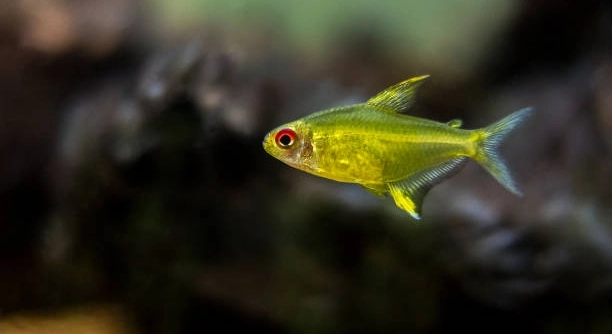
Lemon tetras are small, vibrant fish that bring life to any freshwater aquarium. Their comfort depends on more than water quality, diet, and tank mates. Lighting plays a key role in keeping these delicate fish healthy and active.
Proper tank lighting for lemon tetras involves balancing intensity and duration to mimic natural conditions. Use soft, diffused light for 8 to 10 hours daily, avoiding harsh brightness, which can cause stress, reduce activity, and negatively impact coloration.
Adjusting lighting correctly will help your lemon tetras feel secure and display their best colors. Simple changes can make a noticeable difference in their daily behavior and overall well-being.
Understanding Lemon Tetra Lighting Needs
Lemon tetras thrive under moderate, consistent lighting that mimics their natural environment. Bright, direct lights can stress them, causing hiding or lethargy, while dim or inconsistent lighting may make them less active and dull their colors. A balanced approach helps maintain their vibrant yellow-green hues and healthy behavior. Many aquarists find that using timers to regulate lighting cycles keeps fish comfortable, ensuring they have predictable periods of light and darkness. Natural daylight from a window can be too harsh or inconsistent, so artificial lighting often works best. Avoid sudden changes in intensity, as this can startle the fish. Planting live greenery also helps diffuse light and provides hiding spots, which reduces stress. Observing your tetras during different times of the day gives clues about their comfort level, helping you make subtle adjustments. Over time, you will notice calmer behavior and more visible schooling patterns when lighting is correctly set.
Using a timer ensures your lemon tetras experience a natural day-night rhythm without abrupt changes.
Lighting placement is equally important. Position lights above the tank, spreading illumination evenly across the water surface. Avoid areas of excessive shadow or direct glare. If using LED strips, dimmers can adjust brightness gradually, reducing stress. Live plants also absorb excess light and create natural hiding spots. Regularly check for algae growth, which indicates too much light or prolonged exposure. Observing the fish’s behavior after adjustments helps confirm the setup’s effectiveness. Gradual changes over days rather than abrupt shifts allow the tetras to adapt smoothly.
Choosing the Right Light Type
Soft white or full-spectrum LED lights are ideal for lemon tetras.
LED lights are energy-efficient and produce minimal heat, which prevents water temperature fluctuations. They replicate natural sunlight, helping fish display their bright colors. Avoid high-intensity halogen or incandescent bulbs that can overheat the tank and cause discomfort. Tube lights designed for aquariums also provide consistent illumination, enhancing both fish and plant health. Adjustable LED fixtures allow you to modify intensity and create subtle light gradients, giving tetras areas of shade. Consistency in light type is important, as frequent changes can confuse the fish. Some aquarists add floating plants to soften harsh light and provide shade zones. Observing the fish during feeding and swimming helps determine if the light is too strong or weak. A well-lit aquarium not only benefits the tetras but also highlights their natural beauty. Choosing lights with a color temperature between 5000K and 7000K balances visibility and comfort, promoting natural behavior while avoiding stress. Proper light type combined with duration and placement ensures lemon tetras remain active, healthy, and colorful throughout the day.
Adjusting Light Duration
Keeping lights on for 8 to 10 hours daily matches lemon tetras’ natural rhythms. Too much light can stress them, while too little reduces activity and dulls their colors. Timers help maintain a consistent schedule without constant supervision.
Gradually increase or decrease light duration to avoid shocking your fish. Start with shorter periods, then extend to the recommended 8–10 hours over several days. Consistent timing allows lemon tetras to establish a regular routine, supporting feeding, swimming, and schooling behaviors. Sudden changes in light length can cause hiding, erratic movement, or reduced appetite. Observing their behavior helps identify the ideal schedule.
Nighttime darkness is just as important as daytime light. Ensure the tank is completely dark at night to allow rest. Using blackout curtains or covering the tank briefly can simulate natural night conditions, which reduces stress. Avoid leaving the aquarium in a room with constant light or reflections. Maintaining this cycle supports overall health, encourages natural behavior, and enhances coloration. Lemon tetras adapt better to predictable light patterns, showing calmer, more active behavior during the day and resting properly at night.
Managing Light Intensity
Moderate brightness keeps tetras comfortable while showing their colors clearly. Too strong lights can cause stress and hiding.
Adjust intensity gradually rather than making sudden changes. LED lights with dimmer functions allow precise control. Start at lower brightness levels and increase slowly, observing how the tetras react. Areas of the tank with plants or decorations provide shade, softening light intensity. Intense lighting can promote algae growth, which competes with plants and can make the tank look unnatural. Balancing light intensity with shaded zones creates a more natural environment.
Monitor behavior to fine-tune intensity. Fish swimming near the surface may indicate low light, while constant hiding can signal excessive brightness. Combining moderate lighting with natural hiding spots encourages schooling and normal activity. Too much glare or reflection should be avoided by positioning lights evenly above the tank. Adjusting light gradually over several days allows the tetras to acclimate without stress. Observing their colors and movement helps confirm if the intensity is appropriate, resulting in healthier, more vibrant fish.
Positioning Lights Correctly
Place lights directly above the tank to distribute illumination evenly. Avoid sharp angles that create glare or dark spots, which can stress lemon tetras and disrupt their natural swimming patterns.
Adjust light height to balance coverage and intensity. Too close can overheat water, too far reduces brightness. Even spread helps tetras feel secure and keeps plants healthy.
Using Timers for Consistency
Timers ensure a predictable day-night cycle for lemon tetras. Consistent light periods reduce stress, improve activity levels, and support natural behaviors. Set the timer for 8 to 10 hours daily and maintain the schedule, even on weekends or holidays.
Observing Fish Behavior
Watch your lemon tetras closely after changing lighting. Swimming patterns, hiding frequency, and color vibrancy reveal comfort levels.
FAQ
How bright should the tank light be for lemon tetras?
The tank should have moderate lighting. Avoid overly bright lights that can stress your tetras, causing hiding or erratic swimming. Use soft white or full-spectrum LED lights for a natural look, and adjust intensity gradually to match their comfort level. Plants or decorations can help diffuse light naturally.
How long should the lights stay on each day?
Lemon tetras do best with 8 to 10 hours of light daily. Consistency is important. Too little light can make them inactive and dull their colors, while too much can cause stress. Timers are helpful for maintaining a steady schedule without needing constant attention.
Can I use natural sunlight instead of artificial lighting?
Natural sunlight is unpredictable and can create glare, hotspots, and temperature fluctuations. Artificial lighting is safer and more consistent, allowing precise control over intensity and duration. You can supplement indirect natural light, but avoid placing the tank in direct sunlight.
Should I use a dimmer on my aquarium lights?
Yes, dimmers are useful. They allow gradual changes in brightness, which is less stressful for lemon tetras. Sudden changes in light intensity can startle them and cause hiding or erratic swimming. Combining dimmers with shaded areas improves comfort and mimics natural conditions.
Do lemon tetras need complete darkness at night?
Yes, complete darkness is important for their rest. Continuous light can stress the fish, reduce appetite, and affect overall health. Ensure no room lights or reflections reach the tank at night. Covering the tank briefly or using blackout curtains can simulate night conditions.
Can lighting affect lemon tetra colors?
Lighting directly affects color vibrancy. Moderate, consistent light helps them show bright yellow-green hues. Too much or too little light can make their colors fade. Observing their behavior and appearance will indicate if adjustments are needed.
Is LED better than fluorescent lighting for lemon tetras?
LED lights are generally better because they are energy-efficient, produce less heat, and offer adjustable intensity. Full-spectrum LED lights enhance both fish and plant health. Fluorescent lights can work but may not allow precise control over brightness and can heat the water slightly.
How do I know if the light is too strong or weak?
Observe the fish. If they hide constantly or swim erratically, the light is probably too strong. If they gather near the surface or seem inactive, the light may be too weak. Adjust gradually and provide shaded areas to help them acclimate.
Do plants in the tank affect lighting needs?
Yes, plants absorb some light, creating natural shade and reducing stress. Live plants help diffuse harsh lighting and contribute to a more natural environment. Dense plant areas give tetras hiding spots, which improves comfort and encourages natural schooling behavior.
Can I change the lighting schedule suddenly?
Avoid sudden changes. Gradual adjustments are safer, allowing the fish to adapt without stress. Increase or decrease light duration or intensity over several days. Abrupt shifts can cause hiding, reduced activity, or feeding issues. Observing behavior helps fine-tune the schedule.
Are there signs that lemon tetras dislike the current lighting?
Yes. Hiding constantly, erratic swimming, dull coloration, or reduced feeding can indicate discomfort. These signs suggest the lighting is too intense, inconsistent, or too long. Adjust gradually and provide shaded areas for relief.
Is it necessary to monitor light temperature?
Yes, especially with LEDs or other bulbs that produce some heat. Too much heat can raise water temperature and stress tetras. Position lights appropriately and monitor tank temperature regularly to maintain a stable, comfortable environment.
Do floating plants help with lighting comfort?
Floating plants provide partial shade, reducing light intensity at the surface. They create hiding spots and diffuse harsh light naturally. This helps lemon tetras feel secure and reduces stress, allowing them to display normal activity and vibrant colors throughout the day.
How often should I adjust lighting for long-term comfort?
Once a comfortable setup is achieved, only minor seasonal or maintenance adjustments are needed. Regularly check for algae growth, plant health, and fish behavior. Observing their daily activity helps you make small tweaks without disturbing their routine or causing stress.
Can improper lighting affect feeding behavior?
Yes, strong or inconsistent lighting can make lemon tetras shy or hide during feeding times. Maintaining moderate, consistent lighting encourages normal feeding patterns and ensures fish get proper nutrition without stress or competition.
Is it necessary to balance light with tank decorations?
Yes, decorations help break up harsh lighting, providing shade and hiding areas. Rocks, plants, and driftwood create a natural environment that reduces stress and allows tetras to school comfortably. Combining proper light placement and decorations improves overall tank harmony.
How do I gradually increase or decrease light intensity?
Use a dimmer or move the light higher or lower above the tank. Make small changes daily or every other day while observing fish behavior. Avoid sudden jumps, as they can trigger hiding, rapid swimming, or stress. Gradual adjustments promote comfort and stability.
Can lighting influence algae growth?
Yes, too much light or prolonged duration can encourage algae growth. Algae competes with plants for nutrients and affects water quality. Monitor tank conditions, adjust intensity and duration as needed, and use plants to absorb light naturally while giving tetras shaded areas.
Is it okay to use multiple light sources?
Yes, but distribute them evenly to avoid bright spots or shadows. Combining different lights can mimic natural light gradients, allowing tetras to choose brighter or shaded areas. Even distribution prevents stress and promotes natural behavior in the tank.
Should I change light types as the fish grow?
Not necessarily. Once a light type and intensity are comfortable, maintain it. Changes are only needed if tank conditions change, such as adding plants or decorations, or if fish show signs of stress or dull coloration. Consistency is more important than frequent adjustments.
How do I know the lighting setup is successful?
Healthy behavior, vibrant coloration, normal schooling, and consistent feeding are signs of a proper lighting setup. Observing fish daily and adjusting gradually ensures they remain comfortable. A well-lit tank should feel natural, with no areas of constant stress or hiding.
Final Thoughts
Adjusting tank lighting for lemon tetras is an important part of keeping them healthy and comfortable. These small, delicate fish respond well to consistent, moderate light that mimics their natural environment. Lighting affects their activity, behavior, and coloration, so taking the time to set it correctly can make a noticeable difference. Too much light can stress them, causing hiding, lethargy, or erratic swimming, while too little light can make them less active and dull their vibrant colors. Using artificial lighting rather than relying solely on sunlight helps maintain control over intensity and duration, which is safer and more consistent for the fish. Timers are a simple tool that keeps a predictable day-night cycle, allowing lemon tetras to establish a routine and feel secure. Gradually adjusting brightness or duration over several days is more effective than sudden changes, as it prevents stress and allows the fish to adapt naturally.
The placement and type of lights are also key factors in creating a comfortable tank environment. Position lights directly above the aquarium to evenly spread illumination and avoid dark spots or glare. Full-spectrum or soft white LED lights are ideal because they provide natural-looking light while producing minimal heat. This helps maintain stable water temperatures and prevents unnecessary stress. Adding live or floating plants can further soften the light, create shaded areas, and provide hiding spots. Decorations such as rocks, driftwood, or tall plants also help break up light intensity, giving the tetras the choice to swim in brighter or dimmer areas. Monitoring the fish closely after changes is essential. Their swimming patterns, color vibrancy, and feeding behavior are good indicators of whether the lighting is appropriate. Observing these details allows gradual fine-tuning and ensures a stable and comfortable environment over time.
Maintaining proper lighting is not only about comfort but also about supporting overall tank health. Correct lighting encourages natural behaviors like schooling, active swimming, and regular feeding patterns. It also supports plant growth, which contributes to water quality and provides additional shelter. Algae growth can be managed by balancing intensity and duration, ensuring the tank remains clean and visually appealing. Consistency is key, both in daily schedules and in light intensity. Regularly checking the tank for signs of stress or discomfort and making small adjustments when needed will help lemon tetras thrive. By paying attention to these factors, you can create an aquarium environment that promotes both the health of the fish and the enjoyment of observing them. Properly adjusted lighting enhances the beauty of the tank while keeping the tetras calm, active, and healthy, making it easier to maintain a balanced and vibrant aquarium over time.

Hello,
If you enjoy the content that we create, please consider saying a "Thank You!" by leaving a tip.
Every little bit helps us continue crafting quality advice that supports the health, happiness, and well-being of pets around the world, for pets of all shapes, sizes, and species.
We really appreciate the kindness and support that you show us!