
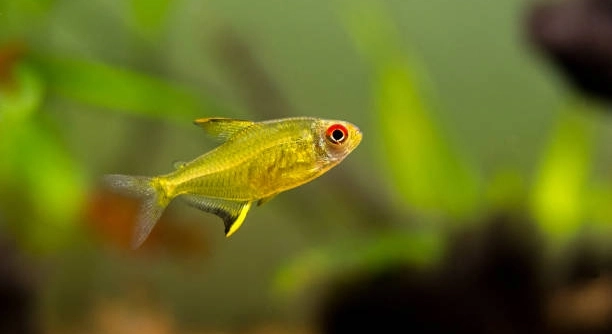
Are your lemon tetras looking less vibrant than usual, with their bright yellow hues fading into a dull appearance? Many fish owners notice this change and feel concerned about their pet’s overall health and well-being.
The most effective way to restore lemon tetra coloration involves optimizing water quality, providing a varied and nutrient-rich diet, and ensuring adequate lighting. Stress reduction and proper tank maintenance are also critical factors that influence pigmentation and overall fish vitality.
Improving these conditions can bring back the lively colors of your lemon tetras, making your aquarium a more vibrant and enjoyable space.
Improve Water Quality
Maintaining clean water is essential for bright colors in lemon tetras. Regular water changes help remove waste, uneaten food, and toxins that can stress your fish and dull their coloration. Aim for a 25-30% water change weekly to keep the tank stable. Testing water parameters like ammonia, nitrite, and nitrate ensures the environment is safe. Temperature and pH stability are equally important, as sudden changes can weaken fish and reduce color intensity. Installing a good filtration system supports biological balance, breaking down harmful substances efficiently. Additionally, gently vacuuming the substrate removes detritus and prevents buildup. Avoid overfeeding, since leftover food decomposes quickly and affects water quality. Using a water conditioner helps remove chlorine and heavy metals, further protecting your tetras. Clear, stable water lets your fish display their natural hues. Over time, this attention to water quality contributes to healthier, more vibrant tetras with less stress and better overall activity levels.
Consistent water care directly enhances the brightness and health of lemon tetras, giving them a lively and vivid appearance in your aquarium.
Stable water parameters reduce stress, prevent disease, and encourage natural behavior, allowing lemon tetras to maintain their yellow coloration more effectively.
Provide a Nutrient-Rich Diet
A balanced diet is vital for restoring lemon tetra colors. High-quality flake or pellet foods specifically formulated for tropical fish supply essential vitamins and minerals. Supplement their diet with frozen or live foods like brine shrimp, daphnia, and bloodworms to add protein and natural pigments. Spirulina or carotenoid-rich foods enhance yellow and orange shades, supporting vibrant skin tones. Feed small portions two to three times daily, ensuring all fish receive nourishment without overfeeding. Rotating food types prevents nutritional gaps and keeps fish interested in eating. Avoid low-quality fillers that lack proper nutrients, as these contribute to fading colors. Observing feeding habits can indicate if a fish is stressed or unwell. Healthy appetite and active swimming often correlate with stronger coloration. Over time, a diet rich in variety and nutrients boosts immune function, reduces stress, and encourages tetras to display their natural brightness more consistently in the aquarium environment.
Regularly feeding a diverse, nutrient-rich diet will help lemon tetras regain and maintain their vivid yellow coloration.
A healthy diet impacts overall vitality, strengthens immunity, and improves pigmentation, allowing lemon tetras to show their best colors naturally.
Optimize Lighting
Proper lighting helps lemon tetras display their natural colors. Using full-spectrum aquarium lights for 8 to 10 hours daily simulates a natural environment and supports pigmentation. Avoid harsh or direct sunlight, as it can stress fish and promote algae growth.
Consistent, appropriate lighting encourages vibrant coloration and healthy behavior. LED lights with adjustable intensity allow you to mimic natural day and night cycles. Gradual light changes reduce stress, which is linked to dull colors. Positioning lights evenly ensures all areas of the tank receive illumination, preventing shadowed spots that can affect fish appearance. A timer helps maintain regularity, reducing fluctuations that might unsettle tetras. Observing fish during light periods can indicate whether lighting meets their needs. Too little light can make colors fade, while too much can increase stress. Balancing brightness and duration creates a visually appealing tank and promotes long-term health and color vibrancy for your lemon tetras.
Lighting works together with diet and water quality, reinforcing natural color patterns and overall vitality in your fish.
Reduce Stress
Stress is a major factor in fading lemon tetra colors. Overcrowding, aggressive tankmates, and sudden changes in water conditions can all weaken fish and dull their appearance. Maintaining a calm environment is key.
Providing hiding spots with plants, rocks, and decorations allows tetras to feel secure. Consistent water parameters prevent sudden shocks that can trigger stress responses. Minimizing loud noises, sudden movements, and tapping on the glass also helps reduce anxiety. Separating aggressive fish or choosing peaceful tankmates prevents bullying and improves color retention. Stress affects immune function, so reducing it decreases disease risk. Monitoring behavior, such as hiding or erratic swimming, signals if fish are under pressure. Calm, well-structured tanks support social hierarchies, allowing lemon tetras to swim freely and display natural colors. Over time, stress management directly contributes to brighter, more consistent pigmentation and overall healthier, active fish.
Maintain Proper Tank Size
A spacious tank helps lemon tetras swim freely and reduces stress. Overcrowding can lead to dull colors and aggressive behavior. Ensuring adequate swimming space allows fish to display natural patterns and interact without tension.
A minimum of 20 gallons is recommended for a small school of lemon tetras. Larger tanks provide more stable water parameters, reducing sudden changes that affect color. Proper tank size supports social behavior, giving each fish room to establish its own space. With sufficient room, tetras are more active, show stronger coloration, and maintain overall health over time.
Use Water Conditioners
Adding water conditioners removes chlorine, chloramine, and heavy metals, making tap water safe for tetras. Conditioned water prevents irritation and stress that can dull colors.
Regular use ensures stable, non-toxic water, which supports vibrant pigmentation and healthy gill function.
Avoid Overfeeding
Excess food decomposes quickly, polluting the tank and stressing fish. Feeding small, measured portions twice daily prevents water quality issues and supports strong coloration.
Monitor Fish Health
Regularly check tetras for signs of illness such as faded color, clamped fins, or unusual behavior. Early detection prevents worsening conditions.
FAQ
Why are my lemon tetras losing their color?
Fading coloration usually results from stress, poor diet, or water issues. Overcrowding, aggressive tankmates, sudden temperature changes, and low-quality water can all contribute. Ensuring stable conditions, providing a nutrient-rich diet, and maintaining a calm environment helps restore and maintain their natural yellow hues.
How often should I change the water?
Weekly water changes of 25-30% are ideal for lemon tetras. This helps remove waste, uneaten food, and toxins. Regular water testing for ammonia, nitrites, nitrates, and pH keeps the tank environment stable and reduces stress that can dull coloration.
What type of food improves color?
High-quality flake or pellet foods formulated for tropical fish are essential. Supplementing with frozen or live foods like brine shrimp, daphnia, and bloodworms adds protein and natural pigments. Spirulina or carotenoid-rich foods enhance yellow shades and support overall health.
How long should the lights be on?
Lemon tetras benefit from 8-10 hours of full-spectrum lighting daily. Using a timer ensures consistency, prevents stress, and mimics a natural day-night cycle. Avoid direct sunlight, which can increase algae growth and stress fish, leading to dull colors.
Can tankmates affect coloration?
Yes. Aggressive or larger fish can intimidate lemon tetras, causing stress and hiding behavior. Peaceful, similarly sized fish help maintain a calm environment, allowing tetras to swim freely and show their natural colors. Adding hiding spots reduces territorial conflicts.
Does tank size matter?
A tank of at least 20 gallons is recommended for a small school. Larger tanks provide more stable water parameters and adequate swimming space. Sufficient room reduces stress, promotes social behavior, and allows lemon tetras to display vibrant colors consistently.
What signs indicate stress in lemon tetras?
Stress often shows as faded color, clamped fins, erratic swimming, or hiding. Monitoring behavior regularly helps identify problems early. Addressing water quality, tankmates, and diet can reduce stress and improve overall health and pigmentation.
Are water conditioners necessary?
Yes. Conditioners remove chlorine, chloramine, and heavy metals from tap water, preventing irritation and stress. Using them regularly supports healthy gills and stable water chemistry, which encourages brighter, more vivid coloration in lemon tetras.
How can I prevent dull coloration long-term?
Maintaining water quality, providing a varied diet, managing stress, and ensuring proper lighting are key. Regular observation and prompt adjustments to water conditions or tank dynamics help sustain natural colors and overall fish health over time.
Is overfeeding harmful to color?
Yes. Excess food decomposes quickly, pollutes water, and increases stress. Feeding small, measured portions twice daily supports strong coloration and healthy activity. Observing appetite ensures each fish receives adequate nutrition without degrading water quality.
Can disease cause color loss?
Infections, parasites, or internal health issues can dull lemon tetra colors. Early detection through regular observation, quarantine of new fish, and treatment as needed prevents worsening conditions and helps maintain vibrant pigmentation.
How often should I check fish health?
Daily observation is ideal. Watch for behavior changes, signs of illness, or color fading. Quick intervention reduces stress and disease risk, ensuring lemon tetras remain healthy, active, and colorful.
Do seasonal changes affect color?
Yes, seasonal fluctuations in room temperature or lighting can stress fish. Consistent water temperature, stable lighting schedules, and avoiding sudden changes help maintain bright, natural colors throughout the year.
Can supplements improve color?
Certain supplements, like carotenoids, enhance pigmentation. Use them in moderation alongside a balanced diet. Overuse is unnecessary if water quality and nutrition are already optimal, as proper care naturally promotes vibrant coloration.
Is it normal for tetras to lose color temporarily?
Short-term fading can occur during stress, illness, or after tank moves. Temporary color loss usually recovers once conditions stabilize, diet improves, and stress is minimized. Persistent fading requires reviewing water quality, diet, and tank environment.
How can I encourage natural behavior to show colors?
Providing hiding spots, open swimming space, and peaceful tankmates encourages confidence. Active, comfortable fish display their full coloration, while stressed or crowded fish often appear dull and withdrawn. Regular observation ensures environmental adjustments support natural behavior.
Are live plants helpful for color?
Yes. Plants improve water quality by absorbing nitrates and provide natural shelter. They reduce stress, encourage natural swimming patterns, and indirectly help maintain vibrant coloration in lemon tetras.
What is the best schooling number for lemon tetras?
Keeping at least six lemon tetras together reduces stress and encourages natural social behavior. Proper schooling behavior allows fish to swim confidently and display brighter colors, enhancing the overall appearance of the tank.
How does temperature affect color?
Lemon tetras thrive in 72-80°F. Temperatures outside this range can stress fish and cause fading. Maintaining consistent warmth supports metabolism, activity, and optimal coloration. Sudden shifts should be avoided to prevent color loss and illness.
Can decorations impact coloration?
Yes. Sharp or rough decorations can injure fish, causing stress. Smooth rocks, driftwood, and plants create a safe environment. Hiding spots reduce aggression and allow tetras to swim naturally, helping them maintain bright, vibrant colors.
Keeping lemon tetras vibrant and healthy requires consistent attention to water quality, diet, lighting, and overall tank conditions. These small fish are sensitive to changes in their environment, and even minor fluctuations in temperature, pH, or water chemistry can impact their coloration. Regular water changes and monitoring of ammonia, nitrite, and nitrate levels are essential to maintain a safe and stable habitat. Using water conditioners helps remove chlorine, chloramine, and heavy metals, preventing stress and supporting healthy gills. A reliable filtration system keeps the water clean and reduces the buildup of waste, while vacuuming the substrate occasionally prevents detritus from accumulating. Clean water not only helps tetras display their natural yellow tones but also supports overall health, reduces disease risks, and encourages active swimming and normal behavior. Observing the tank daily allows you to catch any issues early and make adjustments before they affect your fish.
A balanced and nutrient-rich diet plays an equally important role in maintaining color. Feeding high-quality flakes or pellets formulated for tropical fish ensures tetras receive essential vitamins and minerals, while supplementing with live or frozen foods adds protein and natural pigments. Foods rich in carotenoids or spirulina enhance yellow and orange shades, helping your lemon tetras regain brightness if their coloration has faded. Feeding small portions two to three times daily prevents overfeeding, which can pollute the tank and cause stress. Rotating food types also helps prevent nutritional deficiencies and keeps your fish engaged and healthy. Observing feeding behavior can indicate whether a fish is stressed or unwell, allowing you to respond quickly. Over time, a carefully managed diet supports immune function, reduces stress, and ensures that your lemon tetras maintain vibrant coloration consistently.
Environmental factors, including tank size, lighting, and social dynamics, are also crucial. Lemon tetras thrive in tanks of at least 20 gallons, providing enough space for swimming and establishing social hierarchies. Full-spectrum lighting for 8 to 10 hours daily supports pigmentation and simulates natural day-night cycles, while hiding spots created by plants and decorations reduce stress and allow fish to feel secure. Avoiding aggressive or incompatible tankmates prevents intimidation and promotes peaceful behavior. Stress is one of the main reasons tetras lose color, so maintaining a calm, stable environment is essential. Monitoring for signs of illness, clamped fins, or erratic swimming helps catch problems early. By addressing water quality, diet, lighting, and stress management together, lemon tetras can display their brightest colors and remain healthy and active, making your aquarium a visually pleasing and lively space.

Hello,
If you enjoy the content that we create, please consider saying a "Thank You!" by leaving a tip.
Every little bit helps us continue crafting quality advice that supports the health, happiness, and well-being of pets around the world, for pets of all shapes, sizes, and species.
We really appreciate the kindness and support that you show us!