
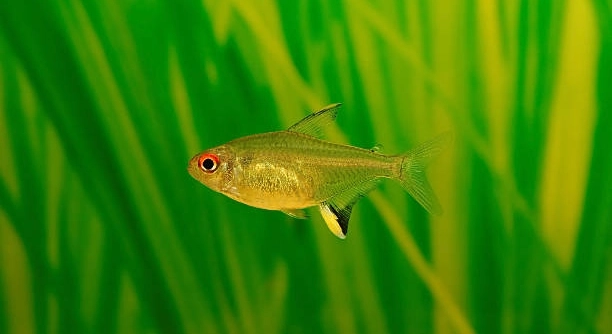
Keeping Lemon Tetra can be a delightful experience for aquarium enthusiasts who enjoy lively and colorful fish. These small, vibrant fish often thrive in social environments and show fascinating behaviors when in groups.
Lemon Tetra exhibit stronger social interactions, reduced stress, and improved overall health when kept in larger groups. Group living promotes natural schooling behavior, enhances their physical activity, and supports psychological well-being, contributing to a more stable and harmonious aquarium ecosystem.
Observing their lively interactions is rewarding, and their collective presence transforms a simple tank into a dynamic and engaging aquatic display.
Enhanced Social Behavior
Lemon Tetra naturally form schools in their habitat, and keeping them in larger groups allows these instincts to shine. In a group, they swim together in synchronized patterns, which reduces anxiety and promotes a sense of security. When a tank only has a few fish, they often appear timid, hiding behind plants or decorations. Observing a larger school, it’s easy to notice playful interactions, chasing each other gently or exploring the tank collectively. Group dynamics also help them establish social hierarchies without aggression. They learn to navigate the tank space efficiently, avoiding collisions while maintaining cohesion. A group of six or more Lemon Tetra tends to be more active during feeding times, ensuring everyone gets their share. Their vibrant colors become more pronounced as stress levels decrease. Overall, keeping them together supports both their physical activity and mental well-being, making the aquarium a livelier and more balanced environment.
Social swimming helps Lemon Tetra feel safer and reduces stress in smaller or less decorated tanks.
Watching a school of Lemon Tetra move in harmony is mesmerizing. Each fish reacts to the others’ movements almost instantly, creating fluid patterns. They communicate subtly with body language, and a larger group allows more natural interactions. Their social behavior encourages exploration, keeping the tank dynamic. When stressed, fish may become pale or inactive, but groups stimulate normal behaviors. A lively school also makes feeding more structured, as fish respond to others’ cues, reducing aggression over food. In addition, group living supports breeding behavior, as pairs form naturally within the larger community. Overall, these interactions create a balanced ecosystem, where each fish contributes to the stability of the group. Even in a planted tank with limited space, a school of Lemon Tetra adds movement, color, and life, enhancing both the fish’s health and the aesthetic of the aquarium. Observing these patterns can be satisfying and educational, offering insight into natural schooling behaviors and the benefits of social living in small fish species.
Stress Reduction
Lemon Tetra are calmer when surrounded by others, which helps prevent sudden health issues.
Stress in small fish is linked to disease and poor growth. Larger groups provide a sense of safety, allowing Lemon Tetra to act naturally. When fish are isolated, they may hide or become inactive, which can weaken their immune system. In larger groups, they display normal swimming patterns and interact regularly, lowering stress hormone levels. Group living also provides constant stimulation, reducing boredom and repetitive behaviors. A stable social environment encourages regular feeding and better digestion, while promoting a consistent sleep-wake cycle. They respond to visual cues from each other, which keeps them alert but not anxious. Over time, the tank’s overall atmosphere becomes more peaceful, with fewer signs of conflict. Maintaining water quality, temperature, and plants complements this social setup, ensuring the fish remain comfortable. A larger school creates both mental and physical balance, helping Lemon Tetra thrive. Observing their calmer movements makes maintaining the tank more enjoyable and reinforces the importance of social care in small fish species.
Improved Feeding Efficiency
Lemon Tetra feed more confidently in groups, reducing hesitation and competition. Watching others eat encourages shy fish to take food, and it prevents single fish from being bullied or stressed during mealtime. Group feeding promotes healthier growth and consistent nutrition across the tank.
Feeding in a group allows Lemon Tetra to learn timing and location from each other. Fish that might hesitate alone quickly join once others start eating. This reduces wasted food and ensures all fish get their share. Observing the school, it becomes clear how social cues guide their behavior, encouraging active participation in feeding. Group dynamics prevent dominance by larger or more aggressive fish and allow smaller or timid individuals to access food safely. Consistent feeding reduces stress, supports growth, and keeps the aquarium ecosystem balanced, as everyone shares resources without conflict.
Larger groups also help distribute energy more evenly across the tank. Fish chase floating food or pick at sinking pellets together, which promotes natural movement and exercise. Social feeding behavior keeps them alert, encourages exploration, and strengthens their instincts. The collective activity helps maintain a healthy metabolism and prevents obesity, as fish expend energy while eating. Feeding time becomes less about struggle and more about routine, providing mental stimulation and reinforcing the bonds within the school. Observing synchronized feeding is satisfying, and it highlights the benefits of keeping Lemon Tetra in numbers rather than as isolated individuals.
Enhanced Coloration
Lemon Tetra display brighter colors when kept in groups, making the tank more visually appealing. Stress reduction and social interaction contribute to more vibrant hues and overall healthier appearance in larger schools.
Group living improves coloration because stress is minimized, and fish engage in natural behaviors. Shy or isolated individuals may appear dull and hide, while active, confident fish show brighter shades. Social interactions stimulate hormones that enhance pigmentation, and schooling encourages consistent movement, which supports muscle tone and circulation. Tanks with multiple Lemon Tetra create a dynamic display of yellow and silver hues, reflecting a balanced and healthy environment. The more fish interact, the more their natural colors emerge, benefiting both the fish and the overall aesthetic.
Brighter coloration also signals health and vitality, making it easier to monitor the well-being of the school. Fish that are pale or fading in color may be experiencing stress, illness, or poor nutrition. Maintaining a proper diet, stable water conditions, and a social environment ensures their natural beauty is fully expressed. Large groups offer visual stimulation for themselves and others, encouraging activity and engagement. Vibrant colors also indicate strong immune function and overall fitness, highlighting the importance of social care. Observing the subtle shifts in hues over time provides insight into their condition and reinforces the benefits of keeping Lemon Tetra in appropriately sized groups.
Natural Schooling Behavior
Lemon Tetra display their natural schooling instincts more clearly in larger groups. Swimming in unison provides safety and helps them navigate the tank efficiently, making the aquarium appear lively and balanced.
Schooling also reduces anxiety, as fish feel protected in numbers. Movement becomes coordinated, and timid individuals gain confidence from following the group.
Reduced Aggression
Keeping Lemon Tetra in larger groups minimizes aggressive behavior. Small numbers can lead to chasing or territorial disputes, while a larger school spreads out interactions and reduces tension. Proper group size helps maintain harmony and prevents stress-related injuries among the fish.
Mental Stimulation
Group interactions keep Lemon Tetra mentally active. Following each other, exploring, and responding to movements provide constant cognitive engagement, preventing boredom and promoting healthy behavioral patterns.
Easier Breeding Conditions
A larger group increases the chances of natural pairing and successful breeding. Fish are more likely to form compatible pairs within a school, supporting reproduction without forced interventions or stress.
FAQ
How many Lemon Tetra should I keep together?
Lemon Tetra thrive in groups of six or more. Smaller numbers can make them shy or stressed, while larger groups encourage natural schooling and social behavior. A minimum of six helps them feel safe, reduces aggression, and allows each fish to interact comfortably.
Can Lemon Tetra live with other fish?
Yes, they are generally peaceful and do well with small, non-aggressive fish. Ideal tank mates include rasboras, guppies, and small tetras. Avoid larger or aggressive species that may bully or eat them. Mixing compatible fish keeps the tank calm and allows Lemon Tetra to display natural behavior.
What tank size is suitable for a group of Lemon Tetra?
A 20-gallon tank is a good starting point for a small group, but larger tanks are better for bigger schools. More space allows them to swim freely, reduces stress, and prevents territorial conflicts. Plants and decorations provide hiding spots and mimic their natural environment.
How often should I feed Lemon Tetra?
Feed small amounts 1-2 times daily. They respond well to high-quality flake, micro-pellets, and occasional live or frozen foods. Overfeeding can cause water quality issues, so ensure they finish food within a few minutes. Group feeding helps shy fish get their share.
Do Lemon Tetra need a heated tank?
Yes, they prefer temperatures between 72°F and 78°F. Stable warmth supports their metabolism, health, and activity levels. A heater with a reliable thermostat prevents sudden temperature fluctuations, which can stress the fish and affect their color and immune system.
What water conditions do Lemon Tetra prefer?
They thrive in slightly acidic to neutral water (pH 6.5–7.5) with moderate hardness. Regular water changes and proper filtration keep the tank stable. Clean water reduces stress, prevents disease, and helps maintain their bright coloration. Monitoring parameters ensures long-term health.
How do I encourage breeding in Lemon Tetra?
Provide a well-planted tank with gentle lighting and consistent water conditions. Larger groups naturally form pairs. Feed nutritious live or frozen foods to boost fertility. Remove eggs to a separate tank if you want to protect them, as adults may eat their own offspring.
What signs indicate a healthy Lemon Tetra?
Healthy Lemon Tetra are active, swim in schools, and display bright yellow and silver colors. Fins should be intact and clear. They respond quickly to food and interact with the group. Any signs of lethargy, discoloration, or clamped fins may indicate stress or illness.
How often should I perform water changes?
Partial water changes of 20–30% every week keep conditions stable. Larger groups produce more waste, making regular maintenance essential. Clean water prevents disease, supports growth, and helps maintain the natural behavior and coloration of Lemon Tetra.
Can Lemon Tetra live long in a community tank?
Yes, with proper care, they can live up to 5–6 years. Stable water conditions, a balanced diet, and sufficient group size ensure longevity. Observing their behavior and maintaining a calm environment contribute to their overall health and happiness.
Is it necessary to decorate the tank for Lemon Tetra?
Yes, plants, rocks, and driftwood provide hiding spots and mimic their natural habitat. Decorations reduce stress, encourage exploration, and help fish establish social interactions within the group. A thoughtfully arranged tank supports both their physical and mental well-being.
What should I do if a fish becomes sick?
Isolate the sick fish in a separate tank to prevent spreading disease. Check water parameters, maintain cleanliness, and provide appropriate treatment. Early intervention improves recovery chances. Observing the group can help detect problems before they affect the entire school.
Are Lemon Tetra sensitive to light changes?
Moderate, consistent lighting is best. Sudden bright light can stress them, while too little light reduces activity and coloration. Using a timer helps maintain a regular day-night cycle, supporting healthy behavior and schooling patterns.
Can Lemon Tetra recognize each other?
Yes, they respond to social cues within the group. Fish often follow familiar individuals, and larger schools help maintain stable social hierarchies. Recognition strengthens schooling behavior and reduces aggression, contributing to a balanced and healthy aquarium environment.
What common mistakes should be avoided when keeping Lemon Tetra?
Keeping too few fish, overfeeding, poor water quality, or incompatible tank mates are common issues. Lack of plants or hiding spots increases stress. Maintaining a proper group size, clean water, balanced diet, and compatible community ensures healthy behavior and longevity for Lemon Tetra.
How do I know if my group size is sufficient?
If the fish swim confidently, school together, and display bright colors, the group is adequate. Signs of stress, hiding, or lethargy suggest the need for additional fish. A healthy group encourages natural movement, social interaction, and overall well-being.
What diet supports the best coloration?
A mix of high-quality flake, micro-pellets, and occasional live or frozen foods enhances color. Foods rich in carotenoids and vitamins bring out yellow and silver tones. Feeding varied and nutritious meals also improves overall health and energy levels in Lemon Tetra.
Can Lemon Tetra adapt to new tanks easily?
They adapt well if acclimated gradually. Drip acclimation or slow water mixing reduces shock. Maintaining stable temperature, pH, and soft water helps them settle. Group acclimation is easier, as fish feel safer following others in the new environment, reducing stress.
Do Lemon Tetra require specific water flow?
Moderate water flow is ideal, simulating their natural river habitats. Strong currents may stress them, while stagnant water reduces oxygen levels. Proper filtration and gentle circulation keep the tank healthy and encourage natural swimming behavior.
How can I tell if the group is stressed?
Signs include hiding, faded colors, clamped fins, or erratic swimming. Monitoring their behavior during feeding and daily activity helps detect issues early. Stress often results from poor water conditions, small group size, or incompatible tank mates, and should be addressed promptly.
What is the ideal tank setup for a larger group?
A spacious tank with plants, open swimming areas, and hiding spots supports schooling and natural behavior. Proper filtration, stable temperature, and consistent lighting help maintain a healthy environment. A balanced setup ensures comfort, reduces stress, and enhances coloration.
Do Lemon Tetra require supplements or vitamins?
A varied diet usually provides sufficient nutrients. Occasional supplementation with vitamins or carotenoid-rich foods can boost coloration and immunity, but regular high-quality food is generally enough. Balanced nutrition supports energy, growth, and natural behavior within the group.
How do I maintain harmony in a community tank?
Choose peaceful tank mates, provide enough space, and maintain proper group size. Plants, decorations, and hiding spots help reduce stress. Monitoring behavior and addressing issues early prevents conflicts and ensures all fish thrive together, including Lemon Tetra.
Can Lemon Tetra handle cooler water temporarily?
They tolerate slight fluctuations, but prolonged exposure below 70°F can stress them and weaken immunity. Maintaining a stable, warm environment is essential for activity, coloration, and overall health, especially in larger groups where social behavior is key.
What is the average lifespan of Lemon Tetra?
With proper care, they live around 5–6 years. Maintaining clean water, balanced nutrition, and a social environment supports longevity. Observing behavior and color provides insight into their health and overall well-being, helping them thrive in the aquarium.
Are Lemon Tetra suitable for beginner fishkeepers?
Yes, they are hardy, peaceful, and adaptable. Maintaining proper water quality, group size, and a balanced diet is important. Their manageable size, schooling behavior, and compatibility with other small fish make them ideal for someone starting with community tanks.
How do I prevent disease in Lemon Tetra?
Regular water changes, proper feeding, and quarantining new fish reduce the risk of disease. Clean equipment, stable parameters, and observation for early signs of illness help maintain a healthy group and prevent outbreaks in the tank.
What role does a group play in breeding success?
Larger groups encourage natural pairing and reproductive behavior. Social interactions help select compatible mates, stimulate spawning, and improve egg survival. The presence of multiple individuals creates a more natural environment, reducing stress and supporting successful breeding outcomes.
Is it necessary to monitor each fish individually?
Observing the group as a whole is often enough, but occasional individual checks ensure no fish are stressed, sick, or hiding excessively. Larger groups make monitoring easier because abnormal behavior stands out against normal schooling patterns.
How important is plant coverage for Lemon Tetra?
Plants provide hiding spots, reduce stress, and create a natural environment. Dense planting encourages exploration, supports spawning, and contributes to water quality. Lemon Tetra feel more secure and display natural behaviors when plants are present, especially in larger groups.
Can Lemon Tetra tolerate a mixed diet?
Yes, they thrive on a combination of flake, pellet, and occasional live or frozen foods. Variety supports coloration, energy, and health. Group feeding ensures even distribution, giving all fish access to proper nutrition and preventing competition or dominance at feeding time.
What are signs of a successful group setup?
Active schooling, bright coloration, confident feeding, and minimal hiding indicate a well-balanced group. Fish interact naturally, swim together, and display minimal stress signs. A successful group shows harmony, making the tank lively and healthy while supporting longevity and reproduction.
How do I introduce new Lemon Tetra to an existing group?
Acclimate new fish slowly using drip or gradual water mixing. Monitor the group for aggression. Introducing multiple new fish together helps them integrate and reduces stress for both new and established fish. Maintaining stable water parameters supports a smooth transition.
Do Lemon Tetra require dark periods at night?
Yes, 10–12 hours of darkness supports their natural circadian rhythm. Lights on a timer help maintain a consistent day-night cycle. Proper rest prevents stress, encourages healthy behavior, and enhances coloration during active periods.
How does tank size affect social behavior?
Larger tanks allow more natural schooling, reduce territorial disputes, and provide space for exercise. Small tanks can increase stress, hide timid fish, and limit schooling behavior. Adequate space supports health, color, and long-term well-being of the group.
Can stress affect reproduction in Lemon Tetra?
Yes, stressed fish may delay spawning or produce fewer eggs. Stable water, proper diet, adequate group size, and calm tank mates encourage reproductive behavior and support successful breeding within a school.
Is it necessary to separate male and female Lemon Tetra?
No, males and females naturally pair within the group. Separation is usually only needed for controlled breeding. Large groups allow natural selection of mates and reduce stress compared to forced pairings.
How do I recognize a dominant fish in the group?
Dominant fish often lead swimming patterns, claim prime feeding spots, or display slightly more confident behavior. In larger groups, dominance is less aggressive, as numbers diffuse tension and allow all individuals to thrive without conflict.
What maintenance tasks support a healthy group?
Regular water changes, filter cleaning, monitoring parameters, and balanced feeding keep the tank stable. Observing social behavior and addressing any signs of illness or aggression early ensures long-term well-being of the Lemon Tetra school.
Can Lemon Tetra live with shrimp or snails?
Yes, they are generally safe with small, peaceful invertebrates. Snails and shrimp help clean the tank and add interest without causing stress. Monitor interactions initially to ensure harmony in the community setup.
Do Lemon Tetra show personality differences?
Yes, individuals may vary in boldness, speed, or curiosity. Larger groups allow these personalities to emerge while still benefiting from collective schooling and social security, providing a balanced dynamic in the aquarium.
How can I encourage natural exploration in the tank?
Adding plants, hiding spots, and gentle currents promotes movement and curiosity. Larger groups stimulate each other to explore, interact, and maintain active behavior, supporting physical and mental health.
Are Lemon Tetra sensitive to water changes?
Gradual, partial water changes minimize stress. Sudden or large changes can shock fish, affecting health and behavior. Stable water conditions are essential for schooling behavior, coloration, and overall group harmony.
What is the best way to introduce plants and decorations?
Place tall plants at the back and sides, leaving open swimming space in the center. Driftwood or rocks add structure. A well-planned layout supports schooling, hiding, and breeding behavior without overcrowding the tank.
How do I know if my group is too small?
If fish appear timid, isolate, or fail to school consistently, the group may be too small. Adding more Lemon Tetra encourages natural social behavior, reduces stress, and supports a healthy, active tank environment.
Can Lemon Tetra adjust to water with moderate hardness?
Yes, they tolerate slightly soft to moderately hard water. Avoid extreme levels, as stable, balanced parameters are more important than perfect numbers. Gradual acclimation ensures comfort and supports normal behavior.
Do Lemon Tetra prefer planted or bare tanks?
They do best in planted tanks, which provide security, stimulate natural behavior, and support reproduction. Bare tanks may reduce activity, increase stress, and limit schooling expression. Plants enhance both physical and mental well-being.
How often should I observe my Lemon Tetra?
Daily observation allows early detection of stress, illness, or behavioral changes. Watching schooling patterns and interactions ensures the group remains healthy, active, and balanced in their environment.
Is it necessary to separate sick fish immediately?
Yes, isolation prevents disease spread and allows targeted treatment. Quick response protects the group and supports recovery, maintaining harmony and health within the aquarium.
How can I maintain water quality for a larger group?
Use efficient filtration, perform regular water changes, avoid overfeeding, and monitor parameters consistently. Proper care ensures clean water, reduces stress, and supports schooling, coloration, and overall well-being of Lemon Tetra.
Are Lemon Tetra compatible with bettas?
Compatibility depends on temperament and tank size. Betta aggression can stress or harm Lemon Tetra. Larger tanks and plants help reduce interactions, but careful monitoring is essential to ensure safety for both species.
Can Lemon Tetra detect sudden movement outside the tank?
Yes, they respond quickly to external motion, which can trigger schooling or hiding behavior. This sensitivity is natural, reflecting survival instincts and contributing to coordinated group responses.
Do Lemon Tetra prefer high or low light conditions?
Moderate lighting supports natural behavior and coloration. Too bright can cause stress, while too dim reduces activity and vibrancy. Timed lighting mimics natural cycles and maintains group stability.
How does diet variety affect social behavior?
Varied food keeps fish active, encourages feeding participation, and reduces aggression. Nutritional diversity supports energy levels, coloration, and overall mental stimulation within the group, promoting harmony.
What are the signs of overfeeding?
Excess food, cloudy water, and lethargic fish indicate overfeeding. Monitoring portions ensures all fish eat sufficiently without harming water quality, supporting a healthy, active group.
Can Lemon Tetra live in brackish water?
No, they prefer freshwater. Salt tolerance is low, and exposure to brackish conditions can cause stress, illness, or death. Freshwater stability is essential for behavior and health.
Do larger groups affect tank maintenance?
Yes, more fish produce more waste, requiring diligent filtration and water changes. Proper care keeps the tank clean, supports health, and maintains a lively, stress-free environment for Lemon Tetra.
Is it necessary to provide hiding spots for each fish?
While not every fish needs an individual hiding place, plenty of plants and decorations allow all fish to feel secure. Group schooling provides additional safety and reduces the need for constant individual shelters.
How can I encourage schooling in a new tank?
Start with a group of six or more fish. Provide open swimming space and consistent water parameters. Gradual acclimation and minimal stress help them form natural schools quickly.
Do Lemon Tetra recognize feeding times?
Yes, they respond to cues and routine, especially when fed in groups. Observing others eat triggers participation, ensuring shy individuals receive nutrition without conflict or stress.
Can sudden temperature drops harm Lemon Tetra?
Yes, abrupt changes stress fish, reduce immunity, and affect behavior. Gradual adjustments and stable heating prevent illness, maintain coloration, and support schooling patterns in larger groups.
How long should I observe new tank mates?
Monitor interactions for the first few days. Ensure harmony, minimal chasing, and stress-free schooling. Early detection of aggression prevents issues and allows smooth integration into the group.
Do Lemon Tetra enjoy planted areas for hiding or exploring?
Yes, plants offer security and stimulate natural behavior. Schooling fish explore together, and dense planting encourages confidence, reduces stress, and promotes activity and health in larger groups.
What is the best way to acclimate a new group?
Use gradual drip acclimation or slow water mixing. Introduce multiple fish together if possible. Stable temperature, pH, and soft water reduce stress and support smooth integration into the existing aquarium.
Are Lemon Tetra active during the day or night?
Primarily diurnal, they are most active during daylight hours. Group activity peaks during feeding and exploration, while darkness allows rest, supporting health, coloration, and natural rhythms.
Do group dynamics influence health?
Yes, a stable, well-sized group reduces stress, encourages exercise, supports feeding, and promotes mental stimulation. Proper social structure contributes to long-term vitality and overall well-being.
How often should I clean the tank with a large group?
Weekly partial water changes of 20–30% and regular filter maintenance keep conditions stable. Larger groups require more diligent upkeep to maintain water quality, stress-free schooling, and healthy coloration.
Can Lemon Tetra live in unplanted tanks?
Yes, but plants improve security, reduce stress, encourage natural behavior, and provide breeding spots. Unplanted tanks may limit activity and school cohesion, affecting overall well-being.
How do I know if the group is too large?
Overcrowding causes stress, aggressive behavior, and reduced swimming space. Monitor activity, feeding, and social interactions. Maintain enough space for schooling while supporting healthy group dynamics.
Are Lemon Tetra sensitive to chemical changes?
Yes, sudden changes in pH, chlorine, or ammonia can harm them. Consistent water parameters, testing, and proper treatment ensure health, reduce stress, and support natural behavior in a group setting.
Can schooling reduce the spread of disease?
Indirectly, yes. Reduced stress and more natural behavior strengthen immunity. Healthy fish are less prone to illness, but quarantine and observation remain essential to prevent outbreaks.
Do Lemon Tetra need companions of the same size?
Yes, similar-sized fish reduce bullying and competition. Larger or aggressive tank mates may intimidate or harm them, disrupting schooling and causing stress.
How long does it take for a new group to form a stable school?
Usually a
Keeping Lemon Tetra in larger groups has many practical benefits for both the fish and the aquarium environment. These fish are naturally social and feel safer when they are part of a school. A group of six or more allows them to swim together, follow each other’s movements, and display natural behaviors that are often absent when they are kept alone or in very small numbers. When they are in a larger group, they become more confident, active, and less likely to hide or appear stressed. This also helps them develop natural hierarchies without the need for aggression, which contributes to a more balanced and harmonious tank. Observing a lively, synchronized school of Lemon Tetra is not only satisfying but also gives clear insight into their well-being and how they thrive in a supportive social environment.
Large groups of Lemon Tetra also impact feeding, coloration, and overall health. Fish in a school are encouraged to feed regularly, as seeing others eat reduces hesitation and allows even shy individuals to access food. They are more active during feeding times, which improves metabolism and contributes to physical fitness. Stress levels decrease when they are in a group, and lower stress helps maintain vibrant coloration and overall health. A healthy, confident school is less prone to disease, more resilient to environmental changes, and more likely to display normal behavior patterns, including schooling, exploring, and even breeding. Keeping them in a larger group makes it easier to spot signs of stress or illness early, since abnormal behavior stands out against the collective movements of the school. In this way, the social structure of Lemon Tetra acts as a natural safeguard for their well-being.
Maintaining a larger group does require some attention to tank conditions, but the benefits are significant. Adequate space, proper filtration, regular water changes, and suitable plants and decorations all support the health and comfort of the group. When these conditions are met, the fish display natural schooling, reduce aggressive behavior, and create a lively, visually pleasing aquarium. The mental stimulation and social interaction provided by a larger group are important for their overall well-being, helping them to grow, reproduce, and thrive. By keeping Lemon Tetra in larger groups, the aquarium becomes not just a display of color and movement but a healthier, more balanced ecosystem where each fish can thrive. Overall, the advantages of social living for Lemon Tetra make group care the best choice for anyone committed to their health, comfort, and natural behavior.

Hello,
If you enjoy the content that we create, please consider saying a "Thank You!" by leaving a tip.
Every little bit helps us continue crafting quality advice that supports the health, happiness, and well-being of pets around the world, for pets of all shapes, sizes, and species.
We really appreciate the kindness and support that you show us!