
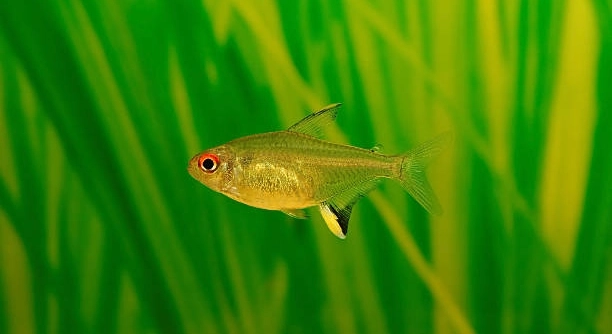
Keeping lemon tetras happy requires more than just clean water and proper feeding. These small, active fish thrive in environments that offer stimulation and opportunities to explore safely. Enrichment helps reduce stress and encourages natural behaviors.
Simple enrichment for lemon tetras includes adding live or artificial plants, floating decorations, gentle water currents, varied hiding spots, safe tank mates, occasional live or frozen food, and subtle lighting changes. These strategies enhance activity levels, improve health, and promote natural behaviors in aquarium settings.
Providing these simple additions will make a noticeable difference in your tetras’ daily life and overall well-being. Small changes can create a lively, engaging aquarium environment.
Adding Live and Artificial Plants
Live and artificial plants create hiding spots and areas for exploration. Lemon tetras enjoy swimming through leaves and feeling secure among greenery. Live plants also improve water quality by absorbing excess nutrients, reducing algae growth, and providing oxygen. Artificial plants work well when maintenance of live plants is challenging, offering similar hiding opportunities without impacting water chemistry. Choosing a mix of tall and short plants encourages vertical and horizontal swimming. Fast-growing species like hornwort or Java moss provide dense cover, while taller stem plants add variety. Arrange plants in layers, leaving open swimming spaces in the center. Rotate or rearrange plants occasionally to maintain interest and mimic natural movement in the tank. These additions help reduce stress, increase activity levels, and stimulate natural behaviors like foraging and exploring. Over time, tetras appear more vibrant and active, showing curiosity in their enriched environment. Consistency in care ensures the plants and fish thrive together without causing harm.
Live and artificial plants enrich the tank and promote natural activity. Tetras interact more and feel safer in a planted environment.
Plant diversity not only supports physical activity but also mental stimulation. Different shapes and textures encourage exploration, helping fish feel secure while offering shelter from bright lighting or potential tank disturbances. Over time, planted tanks reduce aggressive behaviors and provide a more natural swimming experience, making tetras healthier and more lively.
Creating Gentle Water Currents
Water currents encourage movement and mimic natural habitats. Lemon tetras are small swimmers and benefit from areas of gentle flow, helping them exercise without fatigue.
Gentle currents can be created with filters or small pumps. Direct flow toward walls or decorations to avoid stress.
Currents support natural swimming patterns, keeping tetras active and alert. They also aid in distributing nutrients and preventing stagnant areas. Positioning the flow carefully prevents overwhelming fish while enhancing tank dynamics. Even subtle changes in water movement can maintain interest and improve overall health, offering both physical and environmental enrichment that supports their well-being.
Varied Hiding Spots
Hiding spots reduce stress and encourage natural behaviors. Small caves, driftwood, or ceramic decorations give lemon tetras areas to explore and retreat when needed, making them feel secure.
Providing a mix of hiding places improves tank dynamics. Tetras use these areas to rest, hide from brighter lighting, or feel safe during feeding. Arranging spots at different heights and corners encourages movement throughout the tank. Hiding spots also prevent territorial disputes by giving each fish its own space. Using materials safe for aquariums ensures water quality remains stable while enhancing the environment. Observing tetras exploring these spaces can show their curiosity and comfort.
Different types of hiding spots serve multiple purposes. Driftwood adds texture and natural scents, while ceramic caves offer privacy without affecting water chemistry. Rotating or repositioning these spots occasionally keeps the tank stimulating. Even small additions like half coconut shells or PVC tubes provide variety, ensuring tetras remain active and engaged. Over time, the combination of different hiding options helps maintain healthy social interactions, reduces stress, and encourages natural swimming and resting behaviors.
Occasional Live or Frozen Food
Live or frozen food introduces variety and enrichment. Foods like brine shrimp, daphnia, or bloodworms provide nutrients while encouraging foraging behavior.
Feeding occasional live or frozen food supports natural hunting instincts. It also increases activity, as tetras chase and interact with the food in the water column.
Using live or frozen food sparingly prevents overfeeding and maintains water quality. Offering small portions multiple times a week keeps fish active and interested in feeding routines. Live food can be rinsed before feeding to reduce contaminants, while frozen options should be thawed and drained properly. This method adds texture, taste, and nutritional value that flakes alone may not provide, supporting growth, coloration, and overall vitality. By introducing these foods strategically, tetras gain both physical and mental stimulation without disrupting their daily environment.
Safe Tank Mates
Choosing compatible tank mates reduces stress and encourages social behaviors. Small, peaceful species like rasboras or guppies interact well with lemon tetras without causing aggression or competition.
Avoid larger or territorial fish that may intimidate or harm tetras. Observing interactions ensures harmony and a stable environment.
Subtle Lighting Changes
Adjusting light intensity or timing simulates natural day and night cycles. Tetras respond well to gradual dimming and periods of low light. This helps regulate activity, reduce stress, and encourage natural behaviors without shocking their senses.
Floating Decorations
Floating objects create areas of shelter and exploration at the water surface. Tetras often swim beneath or around them, mimicking natural conditions and providing mental stimulation.
Rotating Tank Accessories
Changing the position of plants, hiding spots, or decorations occasionally prevents monotony. Tetras explore new layouts, increasing activity and maintaining engagement in their environment.
FAQ
How often should I provide enrichment for my lemon tetras?
Enrichment can be offered daily in small doses. Rotating hiding spots, adding live or artificial plants, or introducing occasional live or frozen food keeps the tank stimulating without overwhelming the fish. Even subtle changes, like adjusting water flow or light intensity, count as enrichment.
Can I use any type of decoration as a hiding spot?
Not all decorations are safe. Materials must be non-toxic and aquarium-safe. Avoid sharp edges that can injure tetras. Driftwood, ceramic caves, coconut shells, and smooth PVC tubes are excellent options. These additions allow fish to explore while maintaining water quality.
Are live plants necessary for enrichment?
Live plants are beneficial but not strictly required. They improve water quality, provide oxygen, and offer natural hiding places. Artificial plants can serve similar purposes for exploration and shelter, especially if maintaining live plants is challenging. A mix of both is ideal.
How do I introduce live or frozen food safely?
Rinse live food before feeding to remove potential contaminants. Frozen food should be thawed and drained properly to avoid adding excess nutrients or debris to the tank. Offer small portions a few times a week to encourage natural hunting behavior and keep water quality stable.
Will adding tank mates improve enrichment?
Yes, compatible tank mates increase social interaction. Small, peaceful fish like rasboras, guppies, or other tetras provide stimulation without causing aggression. Avoid large or territorial fish that may intimidate or stress lemon tetras, as this can counteract enrichment efforts.
How important is water movement for enrichment?
Gentle water currents mimic natural habitats and encourage swimming. Small pumps or filters can create subtle flow, stimulating activity without tiring the fish. Positioning the flow carefully avoids stress while supporting nutrient distribution and overall tank health.
Can I rearrange decorations and plants frequently?
Yes, occasional rearrangement keeps the environment engaging. Rotating plants, hiding spots, or floating decorations encourages exploration and curiosity. Do not rearrange too often, as sudden changes can stress the fish. A gradual approach works best.
Is lighting an important factor for enrichment?
Lighting influences behavior and activity. Gradual changes in light intensity or periods of low light simulate natural cycles. This supports healthy activity levels and reduces stress. Avoid abrupt or overly bright lighting that can disturb tetras.
How do I balance enrichment with water quality?
Enrichment should not compromise water conditions. Limit live or frozen food portions, choose safe decorations, and maintain proper filtration. Regular water changes and monitoring parameters ensure fish remain healthy while benefiting from enrichment.
Can lemon tetras get bored without enrichment?
Yes, a lack of stimulation can lead to stress, reduced activity, and unnatural behaviors. Providing plants, hiding spots, water flow, and varied food keeps fish active, engaged, and healthier over time. Observing their behavior helps gauge whether additional enrichment is needed.
Are artificial decorations enough for enrichment?
Artificial decorations provide structure and hiding areas but do not offer the water quality benefits of live plants. Combining both types of enrichment maximizes stimulation while maintaining a balanced aquarium environment.
How do I know if my enrichment efforts are working?
Active, curious, and vibrant fish are good indicators. Tetras exploring plants, swimming under floating objects, and interacting with tank mates show that enrichment supports natural behaviors and overall well-being.
Final Thoughts
Providing enrichment for lemon tetras is a key part of keeping them healthy and happy. These small fish are naturally active and curious, and a simple environment with just water and food is not enough to support their well-being. Adding live or artificial plants, hiding spots, gentle water currents, and occasional live or frozen food allows them to engage in natural behaviors. When tetras have areas to explore, places to hide, and opportunities to forage, they are less stressed and more likely to display vibrant colors and active swimming patterns. Enrichment does not have to be complicated or expensive. Even small changes, like moving a decoration or adding a floating plant, can make a significant difference in how your fish interact with their environment. The key is consistency and observing how your tetras respond to each addition or change.
Rotating tank accessories, adjusting light cycles, and providing compatible tank mates also contribute to a stimulating and balanced habitat. Lemon tetras are social fish, and they benefit from environments that encourage interaction without introducing aggression or competition. By creating layers of plants, open swimming areas, and shaded spots, you give them choices that mimic natural conditions. Gentle water currents allow for exercise without causing fatigue, and occasional live or frozen food introduces variety and supports hunting instincts. A well-planned setup ensures that each tetra has a sense of security while also being encouraged to explore. Observing your fish regularly will help you understand their preferences and adjust enrichment strategies accordingly. A tank that incorporates variety, movement, and safe hiding areas becomes a healthier, more engaging place for tetras to thrive.
Ultimately, enrichment is about more than decoration or novelty. It is about creating an environment that supports the physical and mental health of your lemon tetras. Healthy, active fish are a sign that their habitat is well cared for, and enrichment contributes directly to this outcome. By implementing simple strategies such as plants, decorations, water flow, lighting adjustments, and occasional varied food, you provide stimulation that keeps tetras active and curious. Over time, these small efforts result in a tank that is dynamic, balanced, and enjoyable to watch. Paying attention to their responses and maintaining consistent care ensures that enrichment has a lasting positive impact. Lemon tetras will respond to thoughtful changes with improved activity, reduced stress, and enhanced coloration, making the investment in enrichment both practical and rewarding.

Hello,
If you enjoy the content that we create, please consider saying a "Thank You!" by leaving a tip.
Every little bit helps us continue crafting quality advice that supports the health, happiness, and well-being of pets around the world, for pets of all shapes, sizes, and species.
We really appreciate the kindness and support that you show us!