
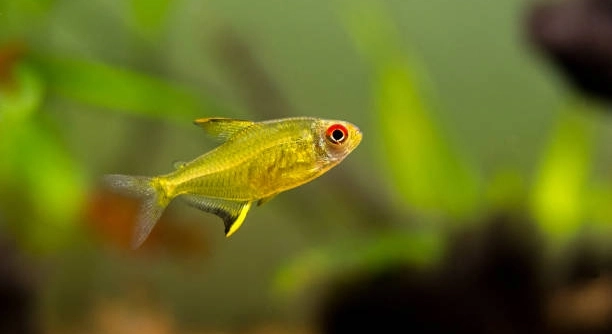
Lemon tetras are small, vibrant freshwater fish often kept in home aquariums. Observing their behaviors can be both relaxing and intriguing, especially when noticing how they interact with light and their surroundings in a natural pattern.
Lemon tetras are sensitive to changes in light and do respond to daylight patterns. Their internal biological rhythms allow them to adjust activity levels, feeding, and resting behaviors according to light intensity and duration within their environment.
Understanding these responses helps create a stable and healthy aquarium environment for your fish. Proper light management ensures their well-being and natural daily routines are maintained effectively.
How Lemon Tetras Sense Light
Lemon tetras rely on their vision to navigate their environment and detect changes in light. Their eyes are adapted to spot subtle differences in brightness, which helps them locate food and avoid danger. In aquariums, they often follow a predictable routine influenced by the natural progression of daylight. Morning light encourages activity, while dimmer conditions signal resting periods. Maintaining a consistent light schedule allows these fish to thrive and reduces stress. Sudden changes in light can startle them, sometimes causing erratic swimming or hiding. Observing their patterns helps in adjusting tank lighting to mimic natural conditions. A stable environment encourages normal feeding and social behaviors. Providing shaded areas in the tank gives them places to retreat during brighter hours. Over time, the fish appear more comfortable, swimming calmly and exhibiting their natural shimmering colors. This rhythm is important for their health and longevity, as it aligns with their internal biological clock.
Lemon tetras are more active when daylight is consistent. Their bodies adjust to predictable light cycles naturally.
Consistency in lighting reduces stress and supports healthy growth. Small adjustments to light intensity and duration can greatly improve their overall behavior and comfort in the tank.
Managing Aquarium Lighting
Proper lighting in the aquarium helps maintain the natural behaviors of lemon tetras. Overly bright or inconsistent lighting can disrupt their day-night cycle and affect feeding patterns.
Using a timer ensures that light exposure is consistent daily. Gradually introducing light in the morning and fading it in the evening mimics natural conditions. Observing the fish helps determine whether the intensity is comfortable or needs adjustment. LED lights are preferred as they provide steady illumination without excessive heat. Shaded areas or floating plants allow tetras to seek refuge during brighter periods, reducing stress. Avoid placing the tank in direct sunlight, which can cause sudden spikes in brightness and temperature. Lighting schedules also impact algae growth, so balancing light duration helps maintain clean water and healthy plants. A stable light environment encourages the tetras to swim more naturally, interact socially, and feed on schedule. Careful attention to light cycles contributes significantly to their overall well-being and enhances the visual appeal of the aquarium, making it easier to observe their lively patterns throughout the day.
Effects of Light on Feeding
Lemon tetras tend to eat more during well-lit periods. Bright, consistent light signals activity time, encouraging them to search for food.
Light intensity directly affects their appetite. During brighter hours, tetras swim actively and forage, while dim or irregular lighting can reduce feeding. Observing their patterns helps ensure they are eating adequately. Small, frequent feedings aligned with light cycles promote better digestion and minimize leftover food, reducing water contamination. Overfeeding under inconsistent light can stress the fish and lead to health issues. Adjusting feeding times with predictable light patterns keeps their behavior natural. Tank plants and decorations can create shaded zones where tetras feel safe while feeding. Balanced light and feeding schedules improve overall vitality, growth, and color vibrancy. Their internal rhythms rely on these consistent cues, which also influence social interaction among the group.
Feeding during consistent light periods helps maintain energy and supports natural activity patterns.
Day-Night Cycle and Behavior
Daylight patterns regulate rest and activity for lemon tetras. Consistent cycles allow them to swim, socialize, and hide at appropriate times.
Disruption of light cycles can cause stress and irregular behavior. Lemon tetras may become restless or lethargic if night periods are too short or if lights switch abruptly. Over time, improper lighting can impact immune response, growth, and coloration. Natural cues help fish establish a routine, such as morning light prompting movement and evening dimming signaling rest. Floating plants or shaded corners provide shelter during active periods, giving them control over exposure. Careful observation of how they react to light changes allows for adjustments that maintain a balanced environment. Keeping a predictable day-night rhythm ensures their social hierarchy and swimming patterns remain stable, which supports feeding, interaction, and overall mental well-being.
Adjusting Light Gradually
Sudden changes in lighting can startle lemon tetras. Gradually increasing or decreasing brightness helps them adapt without stress.
Using a dimmer or timer allows smooth transitions. This prevents erratic swimming and promotes a calm, balanced environment where fish can follow natural rhythms comfortably.
Seasonal Light Changes
Seasonal variations in daylight can subtly affect lemon tetras’ behavior. Shorter days may reduce activity, while longer daylight encourages movement and feeding. Adjusting aquarium light to mimic these changes supports their natural cycles and keeps their behavior consistent throughout the year.
Signs of Light Stress
Excessive or inconsistent lighting can cause stress in lemon tetras. Indicators include hiding, erratic swimming, or faded colors.
FAQ
How long should the aquarium lights be on for lemon tetras?
Aquarium lights should generally be on for 10 to 12 hours each day. This duration mimics natural daylight and allows lemon tetras to maintain regular activity, feeding, and rest cycles. Using a timer ensures consistency, which reduces stress and supports healthy behavior.
Can lemon tetras survive in low light?
Lemon tetras can survive in low light, but their activity and feeding may decrease. Dim conditions can make them less active, and they may hide more often. Providing a mix of shaded and brighter areas allows them to choose a comfortable environment.
Do lemon tetras need a complete dark period?
Yes, a complete dark period is important for rest and biological rhythm. Around 10 to 12 hours of darkness helps their internal clock reset and supports overall health. Continuous light can stress the fish and disrupt feeding and sleeping patterns.
Will sudden changes in light harm lemon tetras?
Sudden lighting changes can startle lemon tetras, causing erratic swimming or hiding. Gradual adjustments with dimmers or timers help them adapt naturally without stress. Sudden exposure to bright light or abrupt darkness should be avoided.
Does light affect their color?
Yes, consistent and proper lighting enhances lemon tetras’ vibrant yellow and silver tones. Inconsistent or overly bright light can cause fading or dulling of colors. Proper light intensity combined with a natural day-night rhythm helps maintain their visual appeal.
Should I use natural sunlight for my aquarium?
Direct sunlight is not recommended as it can create temperature fluctuations and algae overgrowth. Controlled artificial lighting is safer and ensures predictable day-night cycles, which helps maintain fish behavior and tank stability.
How do lemon tetras react to seasonal changes in light?
Seasonal light changes can affect activity and feeding. Shorter days may make them less active, while longer days encourage movement. Adjusting artificial light to reflect seasonal patterns helps maintain natural behavior and reduces stress.
Can light intensity affect social behavior?
Yes, lighting influences group interaction. Proper intensity promotes natural swimming patterns, schooling, and social behaviors. Overly bright light can cause hiding, while dim areas encourage calm, balanced group dynamics. Observing their behavior allows fine-tuning of light levels.
Do lemon tetras recognize the difference between artificial and natural light?
They respond primarily to intensity and duration rather than source. Artificial light that mimics natural daylight patterns is sufficient to regulate their behavior, feeding, and rest cycles. Consistency is more important than the type of light used.
How can I tell if my tetras are stressed by light?
Signs of light stress include hiding for long periods, erratic swimming, fading colors, and reduced feeding. Adjusting intensity, duration, or providing shaded areas can alleviate stress and restore natural activity.
Is it necessary to change light schedules on weekends or holidays?
No, keeping a consistent schedule daily is crucial. Irregular timing can confuse their biological clock and cause stress. Timers are helpful to maintain regularity even when routines change.
Does tank decoration influence how lemon tetras perceive light?
Yes, plants, rocks, and other decorations create shaded areas that help tetras feel safe. They can choose exposure levels, which reduces stress and encourages natural behavior in response to light.
Can light cycles affect reproduction?
Proper day-night cycles support natural reproductive behaviors. Irregular lighting can disrupt mating signals and egg-laying patterns. Maintaining consistent light and dark periods encourages healthier breeding conditions.
How quickly do lemon tetras adjust to new light conditions?
They usually adapt within a few days if changes are gradual. Sudden shifts can cause temporary stress and hiding. Using timers or slowly dimming/brightening the lights helps smooth adaptation.
Is LED lighting better than fluorescent for lemon tetras?
LEDs are preferred because they provide steady illumination without excess heat. They also allow easy control of intensity and duration, helping to mimic natural light cycles effectively. Proper positioning avoids glare or overly bright spots.
Do lemon tetras show different activity levels at different times of the day?
Yes, their activity peaks during bright periods and reduces during dim or dark times. Consistent light schedules help them maintain predictable swimming, feeding, and social routines, supporting overall health and well-being.
Can over-lighting cause long-term harm?
Excessive light can stress lemon tetras, lead to fading colors, and disrupt feeding and resting patterns. Long-term overexposure may weaken their immune system, making them more susceptible to illness. Gradual, consistent lighting prevents these issues.
What is the best way to simulate natural light patterns in a home aquarium?
Use a timer for gradual morning and evening transitions. Include shaded areas with plants or decorations. Maintain consistent daily cycles of 10 to 12 hours of light and darkness to closely mimic natural conditions.
How do lemon tetras communicate during different light conditions?
They rely on visual cues and body movements. Proper lighting ensures these cues are visible to other tetras, supporting schooling behavior, social interaction, and overall group harmony. Dim or inconsistent light can hinder communication.
Can changing light schedules improve lethargic behavior?
Yes, aligning lighting with natural day-night cycles encourages normal swimming and feeding. Gradual light adjustments can reestablish activity levels and restore healthy, predictable behavior patterns over time.
Do lemon tetras need a specific color temperature of light?
They respond best to white or slightly warm light, similar to natural daylight. Extreme color temperatures are not necessary and may appear unnatural. Consistency in intensity and duration matters more than the exact hue of the light.
Should light levels be adjusted for a planted tank?
Yes, plants require proper light for photosynthesis, which also benefits water quality. Light should be balanced to meet plant needs while ensuring tetras are not stressed by excessive brightness. Adjusting both intensity and duration supports both fish and plants.
Can artificial moonlight help lemon tetras at night?
Low-intensity moonlight can provide minimal illumination without disrupting rest. It allows observation at night and creates a natural-like environment without interfering with their day-night rhythm.
How often should aquarium lights be replaced?
Replace lights according to manufacturer recommendations, usually every 12 to 24 months. Faded bulbs reduce intensity, which can alter behavior, feeding, and plant growth. Keeping consistent brightness ensures a stable environment.
Do tetras prefer brighter areas or shaded regions?
They prefer a mix, using bright areas for activity and feeding, and shaded areas for rest or hiding. Providing this balance encourages natural behavior and reduces stress.
Is it necessary to adjust light for different tetra species?
Yes, different species have varying sensitivity. Lemon tetras prefer moderate light. Observing behavior and adjusting intensity ensures comfort for all species in a community tank.
How does light influence stress-related illnesses?
Improper lighting can weaken immune response, making tetras more prone to infections. Consistent, moderate lighting reduces stress, supports natural activity, and contributes to long-term health.
Can aquarium lighting affect water temperature?
Excessively strong lighting may slightly increase temperature, which can stress tetras. Using LEDs or monitoring tank heat helps maintain stable conditions without impacting behavior or health.
Do tetras need light during feeding at night?
Feeding at night should be minimal and low-light if necessary. Their natural rhythm relies on darkness for rest, and excessive night light can disrupt digestion and sleep patterns.
How does light influence schooling behavior?
Adequate light allows tetras to see each other clearly, promoting coordinated swimming and social interaction. Poor or inconsistent light may lead to scattered schooling or hiding.
Are there benefits to varying light intensity during the day?
Yes, gradual increases and decreases mimic dawn and dusk, supporting natural activity patterns. This variation reduces stress and encourages normal feeding, swimming, and resting behaviors.
Can reflections from the room affect lemon tetras?
Yes, strong reflections or glare can startle them. Positioning the tank away from direct light sources and using controlled aquarium lighting reduces stress and ensures consistent behavior.
Do tetras recognize seasonal length of daylight?
They respond to duration more than the season itself. Adjusting artificial light to match shorter or longer days helps maintain predictable activity, feeding, and rest schedules.
Is it necessary to dim lights during aquarium cleaning?
Yes, dimming or turning off lights during maintenance reduces stress. Sudden bright exposure or movement can startle the fish, so gentle handling and adjusted lighting help keep them calm.
How quickly should light intensity be increased in a new tank?
Increase intensity gradually over several days or weeks. Sudden bright light can stress lemon tetras and cause hiding or erratic swimming. Observing their response helps set a comfortable level.
Can lighting affect fish aggression?
Proper lighting supports calm, predictable behavior. Excessive brightness or inconsistent light may increase stress, which can lead to mild aggression or chasing within the group. Maintaining stable light reduces these conflicts.
Do tetras need shaded areas even with proper lighting?
Yes, shaded regions offer refuge and allow them to control exposure. This supports natural behavior, reduces stress, and encourages comfort in the aquarium environment.
How important is consistency in lighting for young tetras?
Consistency is crucial for juveniles. Predictable light cycles support healthy growth, feeding, and schooling behavior. Irregular lighting can stunt development and increase stress, affecting long-term health and coloration.
Can timers fully replace manual light adjustments?
Timers provide reliable consistency, preventing human error and ensuring stable day-night cycles. They are especially helpful for maintaining gradual transitions and consistent schedules for feeding and activity.
Does light affect how tetras interact with other species?
Yes, consistent light allows proper visibility, supporting peaceful coexistence. Erratic or bright lighting may cause hiding or territorial behavior, impacting overall community tank harmony.
What is the best way to introduce new lighting in an established tank?
Introduce gradually over several days while observing fish behavior. Adjust intensity slowly and provide shaded areas, allowing lemon tetras to adapt without stress or disruption to their routines.
Can LED lights mimic seasonal changes effectively?
Yes, LEDs with adjustable intensity and timers can simulate longer and shorter daylight periods, supporting natural seasonal rhythms and keeping behavior predictable year-round.
How often should light schedules be reviewed?
Review every few months or when tank conditions change. Adjust for plant growth, fish behavior, or seasonal needs to maintain optimal health and a stable environment for lemon tetras.
Can improper lighting shorten the lifespan of lemon tetras?
Chronic stress from inconsistent or excessive light can weaken immunity and overall health. Maintaining proper light cycles supports longevity and vibrant coloration.
Does light affect water clarity?
Yes, excessive light can promote algae growth, reducing clarity. Balanced lighting combined with regular maintenance helps keep water clear and the environment healthy.
How to handle light stress during transport or relocation?
Minimize exposure to bright light during movement. Cover the tank or container partially and reintroduce lighting gradually once settled in a new location to reduce stress and maintain routine.
Can lemon tetras adjust to completely artificial lighting?
Yes, as long as it mimics natural daylight cycles in intensity and duration. Gradual transitions and consistent schedules allow them to maintain normal behavior and health.
Does tank size affect how light influences tetras?
Yes, larger tanks may require higher-intensity lighting to reach all areas, while smaller tanks need moderate light. Proper distribution ensures consistent exposure and supports natural behavior throughout the tank.
How do light patterns affect breeding readiness?
Stable light cycles encourage mating behavior and egg-laying. Sudden changes can disrupt courtship signals, so maintaining regular day-night rhythms is important for successful reproduction.
Can light exposure at night disrupt sleep patterns?
Yes, exposure to bright light at night prevents rest, causing stress and reduced feeding efficiency. Minimal or no light during dark periods is essential for proper biological rhythms.
How does tank depth influence lighting needs?
Deeper tanks may require more intense lighting for proper penetration. Adjusting intensity ensures the entire tank receives adequate light without overexposing surface areas.
Are there differences in light preference between male and female tetras?
Differences are minor; both sexes benefit from moderate, consistent lighting. Ensuring balanced exposure supports social interaction, feeding, and reproductive behaviors equally.
How important is dawn and dusk simulation?
Gradual light transitions at the start and end of the day reduce stress and mimic natural conditions. This helps lemon tetras adjust behavior naturally and maintain healthy activity cycles.
Do tetras need extra light during cloudy days?
Yes, maintaining consistent artificial light compensates for reduced natural light, ensuring stable activity and feeding routines regardless of outdoor conditions.
Can long-term improper lighting cause permanent behavioral changes?
Chronic improper lighting may lead to persistent stress, reduced activity, and faded coloration. Correcting cycles early helps restore natural behavior and reduces long-term effects.
How to balance light for mixed-species tanks?
Observe all species’ responses. Adjust intensity and duration to meet the most sensitive species’ needs while providing shaded areas for comfort, ensuring harmony and natural behavior for all fish.
Does light placement in the tank matter?
Yes, evenly distributed light prevents overly bright or dark zones. Proper placement ensures tetras have both active swimming areas and shaded refuges for comfort and stress reduction.
Is it necessary to mimic cloud cover or natural fluctuations?
Minor fluctuations are acceptable but not required. Consistent light cycles are more important than simulating irregular weather patterns for maintaining predictable behavior and health.
Can changing the type of bulb affect tetras?
Yes, switching from one type to another may alter intensity or spectrum. Gradual changes and observation ensure fish adapt without stress or behavioral disruption.
Does light affect disease susceptibility?
Improper light can stress tetras, weakening immunity and increasing susceptibility to infections. Maintaining proper light cycles supports overall health and reduces the risk of illness.
Are there signs of overexposure to light?
Signs include hiding, lethargy, faded colors, and irregular swimming. Adjusting intensity or providing shaded areas can relieve stress and restore normal activity.
How long do tetras take to adapt to new lighting after relocation?
Typically a few days with gradual transitions. Observing their swimming and feeding behavior helps ensure they adjust without stress or disruption to natural routines.
Does tank background color influence light perception?
Yes, darker backgrounds reduce glare and reflection, making light feel less intense. This helps tetras feel secure and maintain natural behavior.
Can light influence algae growth significantly?
Yes, prolonged or intense lighting encourages algae. Balancing duration, intensity, and maintenance routines helps keep water clean and prevents excessive growth that may stress fish.
Is it necessary to provide shaded areas even with proper lighting?
Shaded areas allow tetras to regulate exposure and feel secure. This supports normal swimming, resting, and social behavior, improving overall comfort and health.
Do lemon tetras prefer gradual or sudden lighting changes?
Gradual changes are preferred. Sudden shifts can cause stress, erratic swimming, and hiding. Timers or dimmers allow smooth transitions that mimic natural dawn and dusk.
How can I monitor if the light setup is optimal?
Observe swimming patterns, feeding behavior, and coloration. Healthy, active tetras with vibrant colors and normal schooling indicate the lighting is appropriate and stress-free.
Can light intensity affect plant growth and fish behavior simultaneously?
Yes, balancing intensity ensures plants thrive without stressing tetras. Providing shaded areas, moderate light, and consistent schedules supports both healthy plant growth and natural fish behavior.
Is it better to have multiple light sources or a single one?
Multiple sources allow even distribution and reduced glare. This creates a balanced environment with bright areas for activity and shaded zones for comfort and hiding.
Do lemon tetras respond to flickering lights?
Flickering lights cause stress, erratic swimming, and hiding. Using stable, consistent lighting prevents behavioral disruption and maintains normal activity patterns.
Can I use colored lights in the aquarium?
Colored lights are acceptable for aesthetics if intensity and duration remain moderate. Avoid extreme brightness, as it may stress tetras and affect natural behavior.
How does light interact with tank mates?
Consistent lighting ensures visibility and calm interactions. Poor or overly bright light may increase hiding or chasing, disrupting social dynamics and causing stress among tank inhabitants.
Are timers reliable for long-term light management?
Yes, timers provide consistent daily cycles, reducing human error. They allow gradual transitions and predictable schedules, supporting healthy behavior and reducing stress.
Does light affect oxygen levels in the tank?
Indirectly, as it influences plant photosynthesis. Proper light supports plant growth, which produces oxygen, benefiting tetras and contributing to a balanced ecosystem.
Can light influence fish activity in small vs. large tanks?
Yes, larger tanks may need stronger light for even coverage, while small tanks require moderate intensity. Proper distribution ensures consistent exposure and natural behavior.
How important is light for observing fish behavior?
Adequate lighting allows clear observation of activity, feeding, and social interaction. Balanced intensity ensures natural behavior is visible without causing stress or discomfort.
Does the spectrum of light matter for lemon tetras?
Moderate white or slightly warm light is sufficient. Consistency in intensity and duration is more critical than the exact spectrum, which mainly affects appearance rather than health.
Can fluctuating room light disturb tetras?
Yes, sudden changes from curtains or nearby lights can startle them. Maintaining a controlled aquarium light schedule minimizes disturbances and ensures predictable activity.
How do plants help manage light stress?
Plants create shaded zones and reduce glare, allowing tetras to regulate exposure. This provides security, reduces stress, and encourages normal behavior patterns throughout the day.
Is it necessary to dim lights during holidays or extended absences?
No, timers maintain regular cycles automatically. Consistent lighting is more important than manual adjustments for supporting natural activity and reducing stress.
Can light influence schooling distance?
Yes, adequate light allows tetras to see each other clearly, promoting coordinated swimming. Dim or inconsistent light can increase spacing or cause hiding, affecting group behavior.
How does light intensity interact with water clarity?
Bright light may highlight particles or algae, making water appear less clear. Proper balance and maintenance maintain clarity and reduce stress from visual disturbances.
Does light affect juvenile tetras differently than adults?
Juveniles are more sensitive to inconsistent or bright light. Gradual transitions and shaded areas help them adapt, promoting healthy growth, feeding, and schooling behavior.
Can artificial lighting fully replace natural daylight for tetras?
Yes, as long as duration and intensity mimic natural patterns. Consistent day-night cycles support activity, feeding, rest, and overall health.
How does lighting influence breeding in mixed-species tanks?
Stable, moderate light supports reproductive behavior for sensitive species without stressing others. Gradual transitions and shaded areas help all species maintain natural rhythms.
Should I adjust lighting for water surface reflections?
Yes, reducing glare and reflections prevents stress. Proper placement and diffuse light help tetras feel secure and maintain normal activity.
**Can light cycles affect metabolic rate
Lemon tetras respond strongly to consistent light patterns, and maintaining a stable day-night cycle is essential for their well-being. Their activity, feeding, and social behaviors are all influenced by changes in light intensity and duration. When lighting is consistent, these fish display more natural swimming and schooling patterns, interact calmly with tank mates, and show vibrant coloration. Sudden changes in brightness or irregular schedules can startle them, causing hiding, erratic swimming, or reduced feeding. Over time, improper lighting may increase stress levels and affect overall health. Observing how tetras behave under different lighting conditions provides insight into their comfort levels and helps adjust the environment to meet their needs. By mimicking natural light cycles, even with artificial lighting, the tank becomes a space where the fish can follow their internal rhythms, promoting both physical and behavioral health.
Providing shaded areas and hiding spots within the aquarium is also important for regulating light exposure. Plants, rocks, and decorations give lemon tetras the choice to retreat from brighter areas, reducing stress and encouraging natural rest periods. Properly distributed lighting ensures that both active and shaded zones are available, allowing fish to balance exploration and comfort. Timers and dimmers can help create gradual transitions between light and dark, simulating dawn and dusk, which supports natural behavior. Gradual changes prevent sudden disruptions that could disturb feeding schedules or schooling activity. In addition, these adjustments benefit the overall ecosystem of the tank, as stable lighting helps maintain water quality, plant health, and oxygen levels, contributing to a more balanced and harmonious environment for all inhabitants.
Consistency and careful observation are key to ensuring lemon tetras thrive. Monitoring their responses to light allows adjustments in intensity, duration, and placement, creating a secure and predictable environment. Light cycles impact feeding patterns, rest, and social interaction, and maintaining proper schedules encourages healthier growth and longer lifespan. Artificial light can successfully replace natural daylight if it replicates the timing and intensity fish would experience in the wild, and small modifications can make a significant difference. Attention to detail in managing light not only improves the visual appeal of the aquarium but also supports mental and physical well-being of the tetras. Understanding the role of light in their daily routines makes it possible to provide an environment where lemon tetras feel safe, active, and comfortable, supporting natural behavior consistently.

Hello,
If you enjoy the content that we create, please consider saying a "Thank You!" by leaving a tip.
Every little bit helps us continue crafting quality advice that supports the health, happiness, and well-being of pets around the world, for pets of all shapes, sizes, and species.
We really appreciate the kindness and support that you show us!