
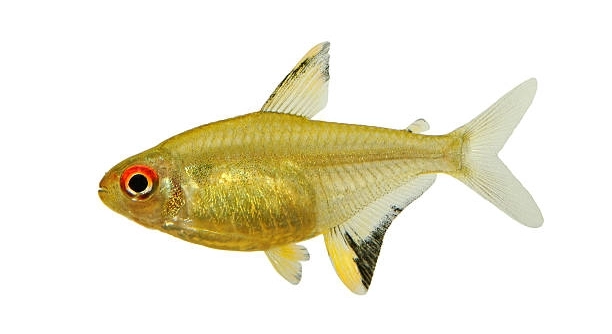
Lemon tetras are lively, colorful fish that brighten any aquarium, yet some may seem hesitant around the filter area. Observing their behavior can help understand their preferences and ensure a balanced, stress-free environment for these small, social fish.
Lemon tetras often avoid the filter side due to water flow, noise, or lighting conditions. Other factors include territorial behavior, health issues, or lack of hiding spaces. Understanding these environmental and biological triggers can improve tank placement and fish well-being.
Identifying these causes allows you to adjust the aquarium setup and support your lemon tetras’ comfort and natural behavior. Proper observation can lead to a healthier, happier aquatic environment for your fish.
Strong Water Flow
Lemon tetras are small, delicate fish that prefer gentle currents. Filters create water movement that can be too strong for them, making it difficult to swim comfortably near the intake or output. Fish often avoid areas where the current is powerful, choosing calmer regions of the tank instead. In many cases, strong water flow can cause stress, which may lead to decreased appetite, erratic swimming, or hiding. Observing how your tetras interact with the filter can help determine if the flow is too intense. Adjusting the filter output or adding decorations to diffuse the water movement can create calmer zones. Plants, rocks, and driftwood act as natural barriers, reducing direct flow and giving your fish areas to rest. Maintaining gentle currents improves their overall health and encourages natural behavior, letting lemon tetras thrive while keeping the tank visually balanced and lively.
Properly moderating water flow ensures your lemon tetras are more comfortable and active in all areas of the tank.
Controlling the flow involves lowering filter output or redirecting it with objects. Creating calmer spaces allows fish to explore without stress. Over time, you’ll notice more even swimming patterns and healthier interactions within the group. Gentle flow also prevents exhaustion and supports their natural social structure.
Filter Noise
Even subtle noise from filters can unsettle lemon tetras. Constant vibrations and hums affect their comfort, as fish have sensitive lateral lines that detect changes in water pressure and movement. Tanks with louder filters may see fish avoiding the source, spending more time hiding or staying in quieter corners. Noise impacts feeding habits and interaction, as stressed fish are less likely to school closely or swim confidently. Positioning the filter to minimize vibrations, using dampening mats, or choosing quieter models can help reduce stress. Observing fish response after noise reduction can confirm if adjustments are effective. Maintaining a quieter tank environment contributes to overall health, encouraging natural behavior and allowing lemon tetras to enjoy the full space without unnecessary tension or fear.
Reducing filter noise allows your fish to explore freely and maintain normal schooling behavior.
Excessive noise not only disrupts swimming patterns but can also affect long-term health. Fish under constant stress may develop weakened immune systems, leading to illness or increased susceptibility to parasites. By addressing noise issues, you create a more stable habitat that supports feeding, growth, and social behavior. Quieter setups foster better interaction between tank mates and make maintenance routines easier, as fish are less likely to hide or react nervously. Choosing low-vibration filters, securing equipment, and incorporating soft decorations to absorb sound all contribute to a calmer environment. Over time, lemon tetras will display more natural behaviors, moving confidently around the tank and schooling together consistently. A quiet, well-managed aquarium promotes both mental and physical well-being for your fish, making their daily life healthier and less stressful.
Lack of Hiding Spots
Without adequate cover, lemon tetras may avoid the filter side because it feels exposed. Open spaces near the filter leave them vulnerable, encouraging them to stay in areas with plants, rocks, or decorations.
Providing hiding spots near the filter encourages exploration and reduces stress. Plants and ornaments create natural shelters that help fish feel safe while swimming. Driftwood, caves, or dense foliage can break up the direct flow and add visual barriers. Fish use these spaces to rest, escape strong currents, or retreat when feeling anxious. By arranging decor strategically, the filter area becomes more inviting, giving tetras confidence to move around and interact with other fish while staying protected.
Hiding spots also support natural schooling behavior. When fish feel secure, they swim closer together, explore more of the tank, and maintain healthier patterns. This reduces stress-related behaviors like darting, excessive hiding, or aggression. Proper placement near the filter ensures they balance comfort with movement, keeping the tank environment dynamic and visually interesting.
Water Quality Issues
Poor water quality can make the filter side unappealing to lemon tetras. High levels of ammonia, nitrites, or uneven temperature may drive them to calmer, safer areas of the tank.
Maintaining consistent water quality is essential for fish health. Regular testing for pH, ammonia, nitrites, and nitrates helps identify potential problems before they affect behavior. Temperature fluctuations or improperly cycled tanks can cause discomfort, leading tetras to avoid areas around the filter. Ensuring stable parameters encourages them to swim freely, reducing stress and supporting natural activity levels. A well-balanced environment promotes feeding, growth, and vibrant coloration, as fish are less likely to hide or show signs of illness.
Monitoring and adjusting water conditions requires regular attention. Frequent partial water changes, proper filtration, and careful observation of fish behavior help maintain a safe habitat. Using test kits and keeping records of measurements allows early detection of issues. Correcting imbalances promptly prevents long-term stress and supports overall vitality. When water parameters are stable, lemon tetras feel more confident exploring all regions of the tank, including the filter area. Healthy water quality strengthens immunity and enhances schooling, feeding, and social behavior, ensuring the fish remain active and comfortable in their environment.
Territorial Behavior
Lemon tetras may avoid the filter side if they feel other fish dominate that area. Territorial disputes can make them prefer quieter, less contested regions of the tank.
Even small fish like tetras establish comfort zones. Aggressive or dominant tank mates near the filter can drive them away, leading to avoidance and stress.
Lighting Conditions
Bright or uneven lighting near the filter can make tetras uncomfortable. They tend to prefer dimmer areas or zones with consistent lighting, which allow them to feel secure and reduce stress while swimming.
Health Concerns
Illness or weakened immunity can make lemon tetras avoid strong currents and exposed areas like the filter side. Fish may hide or stay in calmer regions to conserve energy, recover, and avoid further stress.
Tank Size Limitations
Limited tank space can restrict safe swimming areas. When tanks are small or overcrowded, lemon tetras may stay away from the filter side to avoid collisions and excessive stress.
FAQ
Why do lemon tetras avoid the filter side even if the water flow seems normal?
Even if the current does not feel strong to us, lemon tetras are sensitive to water movement. Small, delicate fish may feel exposed or stressed near areas with continuous flow. Adding plants or driftwood to break the current can make these zones more comfortable and encourage exploration.
Can filter noise really stress my lemon tetras?
Yes, filters produce vibrations and hums that fish detect through their lateral lines. Constant noise can lead to hiding, erratic swimming, or reduced feeding. Placing the filter on a dampening mat or switching to a quieter model can create a calmer tank environment and encourage natural behavior.
How can I make the filter side more inviting?
Providing hiding spots, adjusting water flow, and ensuring consistent water quality are key. Plants, caves, or decorations near the filter can break currents, reduce exposure, and give fish places to rest. Gradually introducing these changes encourages tetras to explore previously avoided areas without stress.
Do tank mates affect their behavior around the filter?
Yes, territorial or aggressive fish can drive lemon tetras away from certain areas. Smaller or shy tetras often prefer quiet regions where they feel safe. Observing fish interactions helps identify problematic dynamics, and rearranging decorations or separating aggressive species can restore balance.
Is water quality a factor in filter avoidance?
Absolutely. Imbalances in ammonia, nitrites, or temperature fluctuations can make fish avoid strong currents or exposed areas. Regular testing, partial water changes, and maintaining stable parameters ensure a healthier, more comfortable environment that encourages tetras to explore all parts of the tank.
Could lighting influence their behavior near the filter?
Bright or uneven lighting can make fish uncomfortable near exposed areas. Lemon tetras naturally prefer dimmer or evenly lit zones. Adjusting light intensity or providing shaded areas near the filter allows fish to feel secure and reduces stress-related avoidance.
How does tank size impact filter-side avoidance?
Smaller or overcrowded tanks restrict movement and safe swimming space. Fish may avoid the filter side to reduce collisions or stress from limited space. Ensuring an appropriate tank size, adding decor for safe navigation, and limiting overcrowding promotes healthier swimming patterns and natural behavior.
Do lemon tetras eventually get used to the filter side?
Yes, with adjustments to flow, noise, hiding spots, and water quality, they can gradually explore the area. Patience is important, as fish acclimate at their own pace. Creating a stable, comfortable environment increases confidence, leading to more consistent activity around the filter.
Are there signs that filter avoidance is related to health issues?
Lethargy, lack of appetite, faded color, or unusual hiding patterns can indicate stress or illness. Fish avoiding the filter side while showing these symptoms may need water parameter checks, diet adjustments, or treatment. Early intervention ensures recovery and encourages normal swimming behavior.
What’s the best way to monitor their comfort around the filter?
Regular observation is essential. Watch swimming patterns, hiding behavior, and interactions with tank mates. Make small, gradual changes to flow, noise, lighting, or decorations and note responses. Consistent monitoring helps identify causes of avoidance and confirms improvements, supporting long-term fish health and well-being.
How often should I adjust the filter setup for their comfort?
Adjustments should be gradual and based on observed behavior. Frequent, abrupt changes can increase stress. Minor modifications every few days allow fish to acclimate. Consistent observation and patience ensure the filter area becomes a safe, well-used part of the tank.
Can overfeeding or underfeeding influence their location preferences?
Yes. Hungry fish may explore more actively, while overfed fish can become lethargic and hide. Balanced feeding supports energy, encourages normal schooling behavior, and reduces unnecessary stress that may cause avoidance of certain areas like the filter side.
Are there decorations that work best near filters?
Dense plants, driftwood, and small caves are effective. They break up strong currents, provide hiding spaces, and reduce exposure to noise and light. Arranging decor strategically allows tetras to navigate confidently while still accessing the filter for oxygenated water and circulation.
How long does it usually take for lemon tetras to feel comfortable near the filter?
It varies by fish, tank setup, and environmental adjustments. Some may explore within days, while others take weeks. Consistent care, gentle currents, and adequate hiding spots help fish gradually feel safe and encourage natural swimming patterns around the filter.
Does schooling behavior influence filter-side avoidance?
Yes, lemon tetras rely on group cohesion for security. If a few fish avoid the filter, others may follow. Ensuring the entire school feels safe through calm currents, hiding spots, and stable water quality encourages collective exploration and reduces stress-induced avoidance.
What is the key takeaway for improving their filter-side behavior?
Creating a calm, safe, and well-structured environment is essential. Adjust flow, reduce noise, provide hiding spots, maintain water quality, and monitor behavior consistently. These steps support comfort, natural schooling, and healthy exploration, making the filter side a usable and stress-free zone.
How can I tell if the changes are effective?
Look for increased swimming around the filter, reduced hiding, consistent feeding, and normal coloration. Fish exploring the area confidently and interacting naturally with tank mates indicate that adjustments have successfully addressed avoidance and improved overall well-being.
Are lemon tetras sensitive to sudden changes in the tank?
Yes, sudden modifications in flow, lighting, or tank mates can trigger stress and avoidance behavior. Gradual changes are essential. Slowly introducing new elements or adjustments allows tetras to acclimate safely, encouraging exploration without increasing stress levels.
Can multiple factors combine to make them avoid the filter?
Absolutely. Flow, noise, lighting, tank mates, water quality, and lack of hiding spaces can interact, compounding stress and avoidance. Addressing all environmental aspects together ensures a balanced habitat and encourages lemon tetras to feel secure in previously avoided areas.
What is the most common reason lemon tetras avoid the filter side?
While multiple factors contribute, strong water flow combined with limited hiding spots is often the main reason. Gentle currents, strategic decor placement, and attention to environmental comfort help fish explore and interact naturally without fear or stress.
How important is patience in this process?
Patience is critical. Fish acclimate slowly to environmental changes. Gradual adjustments, consistent observation, and allowing tetras to explore at their own pace ensure long-term comfort and healthier, more confident behavior around the filter.
Can adjusting the filter help with breeding behavior?
Yes, calmer water and adequate hiding spots near the filter support natural breeding behavior. Fish feel safe laying eggs and protecting fry, which is less likely in stressful, exposed, or turbulent areas. A well-managed filter environment encourages both comfort and reproductive activity.
Do lemon tetras respond to changes in water temperature near the filter?
Temperature fluctuations can influence their swimming patterns and comfort zones. Consistent temperatures reduce stress and encourage exploration. Avoid placing heaters or filter outputs that create uneven zones, ensuring the tank remains thermally stable for healthy, active fish.
Is there a way to test if my tetras like the filter area?
Observe behavior before and after modifications. Increased swimming, reduced hiding, and group cohesion indicate comfort. Combining adjustments in flow, decor, and lighting allows you to test which factors matter most, helping create a filter side that fish feel safe using.
How often should I observe their response to changes?
Daily observation is ideal initially, focusing on swimming patterns, feeding, and schooling. Record notes and compare over time to evaluate the effectiveness of adjustments. Regular monitoring ensures that tetras remain comfortable and the filter area is fully integrated into their habitat.
Can stress from the filter side affect overall health?
Yes, prolonged stress can lead to weakened immunity, loss of appetite, and abnormal behavior. Addressing environmental factors that cause avoidance supports long-term health, encourages normal activity, and helps lemon tetras maintain vibrant coloration and active schooling patterns.
Do all lemon tetras react the same way to the filter?
Individual personality and temperament affect behavior. Some fish are naturally bolder and explore near the filter quickly, while others are shy and cautious. Observing each fish helps identify sensitive individuals and tailor adjustments to support the entire school.
How can I combine solutions for the best result?
Address flow, noise, lighting, hiding spots, and water quality together. Gradual changes allow fish to acclimate without stress. Monitoring behavior, feeding, and schooling confirms effectiveness. A holistic approach ensures lemon tetras feel secure and confident around the filter side, improving overall tank harmony.
Will adjusting the filter affect oxygenation?
Minor reductions in flow usually do not compromise oxygen levels if the tank is well-maintained. Decorations that diffuse current can balance comfort and circulation. Ensuring proper surface agitation and regular maintenance maintains oxygenation while reducing stress for the fish.
Can older tetras be more sensitive to the filter side?
Yes, older or weaker fish may be less resilient to strong currents, noise, or exposure. Providing calm areas, hiding spots, and gentle flow becomes even more important to support comfort, reduce stress, and encourage natural behavior for aging fish.
Is schooling together enough to encourage them to use the filter side?
Schooling helps, but environmental comfort is crucial. Without hiding spots, reduced flow, and stable water conditions, even groups may avoid the area. Combining social comfort with suitable environmental adjustments ensures confident exploration and reduces stress-induced avoidance.
What should I do if my tetras still avoid the filter?
Continue observing, adjust flow, add hiding spots, reduce noise, and ensure stable water quality. Patience is key. Gradual, consistent changes allow fish to acclimate and eventually feel safe, improving activity and well-being around the filter area.
Are there signs that the tank setup is ideal for filter-side exploration?
Fish swim confidently, feed normally, display vibrant coloration, and school together near the filter. Reduced hiding, calm movement, and active interaction indicate that environmental adjustments have successfully encouraged use of the filter side.
Does tank decoration placement influence filter-side comfort?
Yes, strategic placement of plants, rocks, and driftwood can reduce flow, break line of sight, and provide shelter. Thoughtful arrangement encourages tetras to explore the filter area while maintaining safety and minimizing stress.
How long should I expect before seeing full improvement?
It varies by tank and fish. Some show improvement within days, others take weeks. Consistent care, patient observation, and gradual adjustments ensure long-term comfort and natural behavior near the filter side.
Can multiple environmental factors be adjusted simultaneously?
Yes, carefully adjusting flow, lighting, hiding spots, and tank mates together often produces faster results. Gradual, incremental changes prevent stress while encouraging lemon tetras to explore previously avoided areas confidently.
What role does diet play in their behavior around the filter?
Balanced feeding supports energy, reduces stress, and encourages active swimming. Proper nutrition ensures fish feel confident exploring all tank areas, including the filter side, without lethargy or hiding due to low energy levels.
Is it necessary to monitor each fish individually?
Observing individuals helps identify shy or stressed fish. Tailoring adjustments to support both the group and sensitive individuals ensures the entire school feels comfortable and confident around the filter side.
How do I know if the filter flow is too strong?
Signs include fish darting, struggling to swim, or avoiding the area. Using decorations or adjusting the filter output can reduce current and create calmer zones suitable for exploration.
Are there long-term benefits to improving filter-side behavior?
Yes, calmer, healthier, and more confident fish display natural behavior, better feeding, and schooling. Reducing stress improves immunity, coloration, and overall well-being, making the tank environment balanced and enjoyable for lemon tetras.
Can older decorations or worn filters affect behavior?
Yes, older filters may become noisier or produce uneven flow. Replacing or maintaining equipment ensures stable currents and noise levels, encouraging tetras to feel safe near the filter side.
Does water hardness or pH influence their comfort near the filter?
Yes, unstable pH or improper hardness can stress fish. Consistent, suitable parameters help them explore all areas safely, including zones near the filter, without avoidance due to discomfort or irritation.
Are there quick fixes for immediate improvement?
Minor adjustments like adding plants, lowering flow, or reducing noise can have noticeable effects quickly. Long-term comfort requires ongoing observation, consistent care, and attention to all environmental factors.
Do all tank setups require the same approach?
No, each aquarium is unique. Size, decoration, stocking levels, and filter type affect behavior. Observing fish and adjusting conditions based on specific needs ensures optimal comfort and reduces avoidance of the filter side.
Can stress from the filter side lead to long-term behavioral changes?
Yes, chronic stress can alter swimming patterns, feeding habits, and schooling behavior. Addressing environmental issues promptly prevents long-term effects and helps fish regain confidence around the filter area.
How often should I check filter-side activity?
Regular observation during feeding and quiet periods allows accurate assessment of comfort levels. Tracking changes over time ensures adjustments are effective and fish continue to explore and use the filter area confidently.
Are there signs that fish feel fully comfortable near the filter?
Active swimming, schooling together, confident exploration, and normal feeding indicate comfort. Fish resting calmly near the filter without hiding suggest that environmental adjustments have successfully addressed avoidance issues.
Can gradual training encourage tetras to explore the filter side?
Yes, slowly introducing changes such as gentle flow, plants, and shaded areas allows fish to acclimate. Gradual exposure reduces stress and encourages confident swimming around previously avoided zones.
Does the number of fish in the tank affect filter avoidance?
Overcrowding increases stress and reduces safe swimming space. Proper stocking density ensures each fish can access calmer zones near the filter without competition, promoting exploration and reducing avoidance behavior.
Are there specific filter types better suited for lemon tetras?
Filters with adjustable flow, low noise, and gentle circulation are ideal. Sponge filters, low-output canisters, or filters with flow diffusers provide oxygenation without creating stressful currents, helping fish feel comfortable near the filter.
How important is consistency in tank maintenance for reducing avoidance?
Very important. Regular water changes, filter cleaning, and environmental checks maintain stable conditions, preventing stress and encouraging natural swimming behavior, including exploration of the filter side.
Can seasonal changes in room temperature affect their behavior?
Yes, fluctuations may alter swimming patterns or make certain tank areas uncomfortable. Monitoring and stabilizing temperature helps maintain a consistent, stress-free environment near the filter.
Does the presence of other species affect filter-side comfort?
Yes, aggressive or highly active species can cause tetras to avoid certain areas. Tank composition should consider temperament and behavior compatibility to ensure all fish feel safe exploring the entire space.
Are there behavioral cues that indicate gradual acclimation?
Fish exploring partially, resting near hiding spots, or swimming confidently in small bursts near the filter suggest acclimation. Over time, these behaviors indicate growing comfort and reduced stress.
Can filter-side avoidance be permanent?
Rarely, if the environment is improved. Persistent issues often indicate multiple factors like flow, noise, or tank mates. Addressing all environmental concerns generally restores confidence in the area.
Is monitoring food distribution important for encouraging filter-side activity?
Yes, even food distribution encourages fish to explore the entire tank. Placing some food near the filter can motivate hesitant fish to visit the area safely.
Can changes in lighting schedules help?
Yes, gradual light adjustments or providing shaded areas reduce stress. Stable, predictable lighting encourages exploration and decreases avoidance of exposed zones like the filter side.
Do lemon tetras have personal preferences for certain areas?
Yes, individual temperament and comfort zones affect behavior. Some may favor shaded corners or calmer regions, while others explore actively. Observing patterns helps create a habitat that suits all fish.
How do I combine observation with intervention effectively?
Watch behavior, make small adjustments, and track results. Gradual, informed changes ensure minimal stress while encouraging lemon tetras to explore previously avoided areas confidently.
What role does tank maturity play in filter-side comfort?
Mature tanks with established plants, stable water parameters, and consistent conditions promote confidence. Fish are more likely to explore all areas, including near the filter, when the environment is well-developed.
Can filter placement impact avoidance?
Yes, positioning filters to reduce direct exposure or noise improves comfort. Placing the filter near decorations or in a corner often encourages fish to explore without stress.
Is there a connection between stress and coloration near the filter?
Yes, stressed fish often show dull coloration. Improving environmental comfort, flow, and hiding spaces near the filter allows tetras to regain vibrant colors and display healthier behavior.
How important is long-term consistency in adjustments?
Critical. Maintaining stable water parameters, flow, noise, and decor ensures fish remain comfortable. Consistency prevents regression and encourages continuous exploration of the filter area.
Can seasonal maintenance impact behavior?
Yes, cleaning schedules, water changes, and adjustments during seasonal temperature shifts affect comfort. Maintaining stability encourages confident swimming around the filter regardless of seasonal changes.
Are some filter areas naturally avoided due to tank layout?
Yes, corners with strong currents, bright lighting, or limited hiding spots are less attractive. Thoughtful rearrangement and adding barriers create balanced zones suitable for exploration.
Does tank depth or height influence filter avoidance?
Yes, vertical or shallow areas with strong currents can be intimidating. Providing calm mid-level and bottom zones encourages confident swimming near the filter while maintaining access to oxygenated water.
Can stress behaviors be reversed?
Yes, environmental improvements, gradual acclimation, and attentive care allow fish to regain confidence. Proper adjustments restore natural swimming, feeding, and schooling behavior near the filter area.
How can I measure success in reducing avoidance?
Observe swimming patterns, group cohesion, feeding behavior, and coloration. Confident fish exploring the filter side consistently indicate successful environmental adjustments.
Is filter-side avoidance more common in newly introduced fish?
Yes, new fish often need time to acclimate. Gradual exposure to flow, noise, and hiding spots helps them feel secure and encourages exploration of previously avoided zones.
Do lemon tetras communicate discomfort to others?
Yes, avoidance behaviors can influence the school. Shy fish may lead others to avoid the filter side until environmental adjustments improve comfort for the entire group.
Can environmental enrichment reduce avoidance?
Yes, adding plants, driftwood, caves, and varied surfaces provides stimulation and safe areas. Enrichment reduces stress, encourages exploration, and makes the filter area more appealing.
Is patience more important than frequent changes?
Yes, gradual adjustments allow fish to acclimate without additional stress. Rapid or frequent changes can worsen avoidance and create long-term behavioral issues.
Can filter avoidance affect breeding success?
Yes, stressed fish or those avoiding specific areas may delay or reduce spawning activity. Calm, comfortable conditions near the filter promote natural breeding behaviors and fry survival.
Do fish remember uncomfortable areas?
Yes, fish associate stressful zones with negative experiences. Gradual improvements and safe access to the filter area
Lemon tetras are delicate fish that respond strongly to their environment. Observing their behavior around the filter can provide insights into their comfort and overall well-being. Many factors influence why they avoid the filter side, including water flow, noise, lighting, tank mates, hiding spots, and water quality. Each of these elements can make a specific area feel unsafe or stressful for the fish. Understanding these factors allows adjustments that improve comfort and encourage natural behavior. Even small changes, such as reducing current strength or adding a plant for cover, can make a noticeable difference in how confident and active the fish appear. Paying attention to their preferences shows respect for their natural tendencies and helps maintain a balanced and healthy aquarium.
Creating a calm and safe environment is key to supporting lemon tetras. Gentle currents, quieter filters, and strategically placed decorations help reduce stress and make the filter side more inviting. Providing hiding spots ensures the fish can retreat when they feel threatened, which encourages exploration without forcing them into uncomfortable areas. Consistent water quality and stable temperature support health, while balanced feeding gives the energy needed for swimming and schooling. Observing how the fish respond to changes over time allows for careful adjustments. Fish may take time to adapt, but patience and careful planning usually result in more confident, active behavior and better interaction with their surroundings.
Long-term success relies on combining multiple environmental improvements. Adjusting water flow, noise, lighting, hiding spaces, and monitoring tank mates all contribute to a harmonious habitat. Avoiding sudden changes and maintaining consistency ensures that the fish feel secure and reduces stress-related behaviors such as hiding or erratic swimming. Healthy, confident lemon tetras explore their tank more fully, maintain vibrant coloration, and display natural schooling patterns. Regular observation and minor adjustments can help prevent problems before they affect health or behavior. By addressing environmental factors thoughtfully, the filter side can become a comfortable part of the aquarium, supporting the well-being and natural habits of your lemon tetras.

Hello,
If you enjoy the content that we create, please consider saying a "Thank You!" by leaving a tip.
Every little bit helps us continue crafting quality advice that supports the health, happiness, and well-being of pets around the world, for pets of all shapes, sizes, and species.
We really appreciate the kindness and support that you show us!