
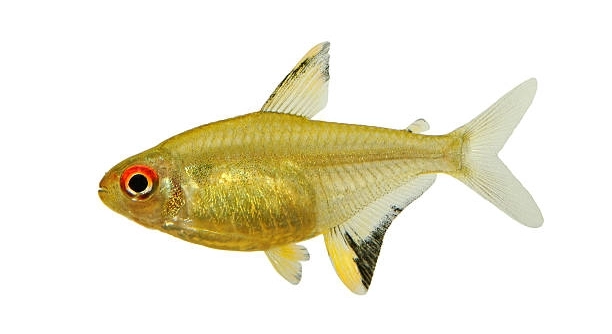
Lemon tetras are small, vibrant fish that bring life to any aquarium. Their bright yellow coloring and peaceful nature make them popular among both new and experienced fish keepers, creating a lively underwater community.
Lemon tetras generally take between one and two weeks to settle into a new tank. This period allows them to acclimate to water conditions, establish a sense of security, and adjust to their new environment and tank mates.
Understanding their adjustment period helps ensure a healthier, calmer aquarium environment, supporting the well-being of both the tetras and their aquatic companions.
Preparing the Tank
Before bringing lemon tetras home, it is important to prepare their tank carefully. A 20-gallon tank works well for a small group, allowing them to swim freely and establish social bonds. The water should be clean, filtered, and maintained at a temperature between 72 and 78 degrees Fahrenheit. Adding live plants, smooth rocks, and hiding spots helps them feel secure while creating a natural environment. It is also essential to check the pH, which should be slightly acidic to neutral, around 6.5 to 7.0. Before introducing the fish, let the tank run for at least 24 hours to stabilize the temperature and chemical balance. Observing the tank for any sudden changes or disturbances ensures the environment is safe. Taking the time to set up the tank correctly reduces stress on the tetras and helps them adjust faster to their new surroundings.
Acclimating the water slowly is critical for a smooth transition and minimizes stress for the fish.
Gradually introducing lemon tetras to their new tank is best done over an hour. Start by floating the bag in the tank to equalize the temperature. Slowly add small amounts of tank water to the bag every ten minutes. This process allows the fish to adjust to the water chemistry without sudden shocks. Afterward, release the fish gently, avoiding pouring water from the bag into the tank. Observing them for the first few hours is important to ensure they swim normally and find hiding spots if needed. Avoid feeding immediately, as stressed fish may not eat. Patience during this phase encourages quicker settling and reduces the risk of illness. Over the next few days, monitor water quality and maintain consistent temperature and pH levels. Regular observation helps you understand their behavior, ensuring they integrate smoothly and remain healthy in the new environment.
Behavior During Acclimation
Lemon tetras may hide or swim cautiously during the first few days in a new tank.
During acclimation, they tend to form small groups and explore their surroundings carefully. Watching their activity can indicate how comfortable they feel. Feeding small portions helps them regain confidence.
Observing their behavior is the best way to track progress. Initially, they may hover near plants or decorations, avoiding open spaces until they feel safe. Over several days, they gradually explore more, interacting with tank mates. Signs of stress include darting, clinging to corners, or refusing food. Consistent tank conditions, such as temperature, lighting, and water chemistry, support calmer behavior. Introducing them to gentle tank mates and avoiding sudden movements or loud noises further reduces stress. By maintaining stable conditions and giving them space, lemon tetras adapt more quickly and begin exhibiting natural behaviors like schooling, feeding, and exploring. Understanding their cautious nature during this period ensures the fish remain healthy and comfortable while settling into their new home.
Feeding and Diet
Lemon tetras eat a variety of foods, including flakes, micro pellets, and live or frozen options like brine shrimp. Feeding small amounts twice daily prevents overfeeding and keeps the water clean. Observing their eating habits helps ensure all fish receive proper nutrition.
A balanced diet is essential for their growth and color. Offering a mix of high-quality flake food and occasional live or frozen treats provides protein and nutrients. Rotating food types prevents deficiencies and encourages natural foraging behavior. Avoiding excess food reduces the risk of water contamination, which can stress the fish and slow their settling process. Consistency in feeding times helps establish routine behavior and encourages confidence in their new tank environment.
During feeding, watch for aggressive behavior or dominance among tetras. Ensuring all fish have access to food supports equal growth and reduces stress. Providing varied textures and sizes of food keeps them engaged. Feeding in small amounts prevents leftover food from decomposing, which could harm water quality. Over time, lemon tetras will associate feeding with safety and security in the tank, helping them settle more comfortably. Regularly observing their responses during feeding also gives insight into their health and overall adaptation progress.
Tank Mates
Lemon tetras are peaceful and do well with other small, non-aggressive species like rasboras, guppies, or small catfish. Avoid larger or aggressive fish that could intimidate them.
Compatibility with tank mates encourages schooling behavior and reduces stress. Keeping a group of at least six lemon tetras ensures social interaction, while choosing calm companions minimizes conflict. Aggressive or territorial species can disrupt their adjustment period and increase hiding or erratic swimming. Observing interactions during the first week helps identify potential issues before they escalate. Providing ample plants, decorations, and hiding spots further reduces tension, creating a safe and balanced environment for all inhabitants.
When selecting tank mates, consider size, temperament, and water requirements. Matching water parameters ensures all fish remain healthy. Lemon tetras thrive in a stable community where each species can coexist without stress. Overcrowding should be avoided, as it increases competition for resources and heightens aggression. Monitoring behavior, feeding, and activity levels of all tank mates helps maintain harmony. Gradually introducing new species, while keeping consistent environmental conditions, allows lemon tetras to adapt confidently while maintaining schooling patterns. A calm, well-planned tank supports overall health and encourages natural behavior.
Water Quality
Maintaining stable water quality is critical for lemon tetras. Regular testing for pH, ammonia, nitrite, and nitrate ensures the environment remains safe. Sudden changes can stress the fish and delay settling.
Performing partial water changes weekly keeps the tank clean. Removing debris and uneaten food reduces harmful substances, supporting fish health and encouraging natural behavior.
Temperature and Lighting
Lemon tetras prefer temperatures between 72 and 78 degrees Fahrenheit. Consistent heating prevents stress and supports metabolism. Fluctuations in temperature can cause hiding, lethargy, or illness.
Proper lighting simulates natural conditions. Moderate lighting encourages activity while providing shaded areas with plants or decorations offers security. Gradual light cycles help the fish adapt without sudden stress. Stable temperature and lighting conditions are essential for healthy behavior, feeding, and schooling patterns, allowing lemon tetras to settle comfortably in their new environment.
Stress Reduction
Minimizing sudden movements or loud noises around the tank helps keep lemon tetras calm.
Keeping the tank in a quiet, low-traffic area allows the fish to explore and settle naturally. Consistent care and a stable environment reduce stress and encourage adaptation.
FAQ
How long does it take for lemon tetras to stop hiding?
Lemon tetras usually stop hiding after about one to two weeks in a new tank. During this time, they adjust to water conditions, lighting, and tank mates. Providing plenty of plants, hiding spots, and calm surroundings encourages them to explore sooner and reduces stress.
Can I introduce lemon tetras to an established tank immediately?
Yes, but it should be done carefully. Acclimate them slowly to the tank water to avoid shock. Float the bag in the tank and gradually mix small amounts of tank water over an hour. This prevents sudden changes in pH, temperature, or hardness that could stress them.
What signs indicate my lemon tetras are stressed?
Stress can show as hiding constantly, darting, clinging to corners, or refusing food. Pale coloring, frayed fins, or sluggish swimming also indicate stress. Addressing water quality, temperature stability, and peaceful tank mates helps reduce stress levels quickly.
How often should I feed lemon tetras?
Feed small portions twice a day. Lemon tetras eat flakes, micro pellets, and occasional live or frozen foods. Overfeeding can pollute the tank and harm water quality, which increases stress and slows acclimation. Observing their eating habits ensures all fish get enough nutrition.
Are lemon tetras sensitive to water changes?
Yes, they are sensitive. Sudden large water changes can shock them, so partial weekly changes of about 20-25% are recommended. Keeping temperature, pH, and other water parameters consistent supports healthy adaptation and avoids unnecessary stress.
How many lemon tetras should be kept together?
A group of at least six is ideal. Lemon tetras are schooling fish, and small groups reduce stress while encouraging natural behavior. Inadequate numbers may leave them timid or shy, making settling slower. More than a dozen can work if the tank is large enough to provide space.
What tank conditions help lemon tetras settle faster?
Stable temperature, clean water, moderate lighting, and plenty of hiding spots help them feel secure. Avoid placing the tank in high-traffic or noisy areas. A peaceful environment encourages exploration, feeding, and interaction with tank mates.
Can lemon tetras live with other species?
Yes, with compatible, non-aggressive fish like rasboras, small guppies, or peaceful catfish. Aggressive or larger fish can intimidate them, increasing hiding behavior and stress. Observing interactions in the first days ensures harmony. Introduce new tank mates gradually to reduce conflict.
Do lemon tetras need a specific diet to settle well?
A varied diet of flakes, micro pellets, and occasional live or frozen foods ensures nutrition and encourages normal behavior. Rotating food types prevents deficiencies, supports growth, and keeps them active. Small, frequent feedings help them feel safe and confident in their new home.
How can I tell if lemon tetras are fully settled?
They swim confidently in open areas, interact with tank mates, and readily eat during feeding. Their colors appear vibrant, and they exhibit natural schooling and exploration behaviors. Regular observation helps track progress and ensures they remain healthy and stress-free in the tank environment.
Is it normal for lemon tetras to dart around at first?
Yes, sudden movements or darting is common during the first few days. It is usually a response to a new environment or temporary stress. Providing hiding spots and stable conditions allows them to gradually calm and explore more naturally.
How important are plants and decorations for settling?
Very important. Plants and decorations offer security, hiding spots, and exploration areas. Dense planting reduces stress and encourages confident behavior. Open spaces should also be available for swimming and schooling. A balanced setup ensures comfort and helps them settle efficiently.
Should I monitor water parameters during acclimation?
Absolutely. Regularly checking pH, temperature, ammonia, nitrite, and nitrate levels prevents stress and illness. Consistency in water conditions allows lemon tetras to adapt faster and maintain healthy behavior while settling in their new tank.
Can lemon tetras adapt to less-than-ideal water conditions?
They can survive minor fluctuations but thrive in stable, clean water. Prolonged poor conditions slow settling, increase stress, and may lead to illness. Maintaining recommended parameters supports healthy behavior, vibrant colors, and smoother adaptation to their environment.
Is quarantine necessary before adding lemon tetras to a tank?
Quarantine is recommended for new fish. It prevents introducing diseases to established tank mates. Observing lemon tetras for signs of illness in a separate tank for a week or two ensures they are healthy before permanent introduction, supporting faster settling and long-term well-being.
How do I know if my lemon tetras are compatible with current tank mates?
Watch behavior closely. Peaceful swimming, shared space without aggression, and coordinated schooling indicate compatibility. Signs of stress, hiding, or chasing suggest incompatibility. Choosing calm, small species and observing interactions helps maintain harmony and ensures lemon tetras settle comfortably.
What role does lighting play in settling?
Moderate lighting encourages activity while offering shaded areas creates a sense of security. Gradual light cycles prevent stress and mimic natural conditions. Consistent lighting helps establish routines and supports feeding, exploration, and natural behavior patterns.
Are there any common mistakes that slow settling?
Overfeeding, sudden water changes, noisy surroundings, and aggressive tank mates can delay adaptation. Ensuring stable water parameters, regular feeding schedules, and a peaceful environment encourages quicker settling and healthier behavior.
How long should I expect full adaptation?
Most lemon tetras settle within one to two weeks, although some may take longer depending on tank conditions and personality. Consistent care, calm surroundings, and attentive observation help them reach full comfort efficiently, displaying natural colors, feeding, and schooling behavior.
Can lemon tetras regrow color if stressed?
Yes, vibrant coloring returns once stress factors are reduced. Stable water, proper diet, and calm surroundings support recovery. Stress-induced pale colors are temporary and improve as the fish acclimates and feels secure in its environment.
Is it necessary to feed live food during acclimation?
Live or frozen food is not required but can encourage feeding in shy fish. Small amounts of protein-rich options help them regain confidence and stimulate natural foraging behavior during the early settling period.
Do lemon tetras require a specific pH for settling?
A slightly acidic to neutral pH (6.5-7.0) is ideal. Consistent pH reduces stress and supports metabolic function, natural behavior, and vibrant colors. Sudden shifts in pH can slow adaptation and increase hiding or erratic swimming.
How can I encourage schooling behavior early?
Keeping at least six tetras together and providing open swimming areas promotes natural schooling. Avoid aggressive species and allow space for movement. Observing interactions and ensuring balanced conditions helps them form cohesive groups more quickly.
Are lemon tetras sensitive to sudden noises?
Yes, loud or sudden noises can trigger hiding or erratic swimming. Placing the tank in a calm area with minimal disturbances encourages confidence, reduces stress, and supports natural exploration and interaction with tank mates.
Can settling issues indicate illness?
Prolonged hiding, refusal to eat, or lethargy may indicate illness rather than normal adaptation. Monitoring water parameters and observing symptoms ensures early intervention, helping the fish recover while maintaining a stress-free environment.
Do all lemon tetras adapt at the same rate?
No, individual temperament affects settling. Some fish may explore quickly, while others remain cautious. Providing hiding spots, consistent conditions, and gradual introduction helps all fish adjust comfortably at their own pace.
How important is tank size during settling?
Adequate space prevents stress and aggression. A 20-gallon tank or larger allows schooling, exploration, and territorial balance. Overcrowding slows settling, increases competition for food, and can elevate stress levels, affecting health and behavior.
Can lighting changes affect feeding during acclimation?
Yes, abrupt changes in lighting may reduce appetite. Gradual adjustments and consistent light cycles support normal feeding, encourage exploration, and help lemon tetras settle comfortably in the new environment.
Should I remove decorations during acclimation?
No, decorations provide hiding spots and a sense of security. Removing them can increase stress and hiding behavior. Maintaining a well-planted and decorated tank helps lemon tetras feel safe and encourages natural exploration.
Do lemon tetras react to other fish moving quickly?
Yes, rapid movement by other fish can startle them. Calm tank mates and minimal sudden activity help reduce stress and allow lemon tetras to adjust more efficiently, fostering confidence and normal behavior.
Are there seasonal effects on settling?
Seasonal temperature fluctuations can affect adaptation. Maintaining consistent tank temperature and lighting regardless of external changes ensures stable conditions, reducing stress and promoting faster settling.
How long before lemon tetras school together confidently?
Typically within a week or two, depending on personality and environment. Proper group size, calm tank mates, and ample swimming space encourage cohesive schooling behavior and improve overall tank harmony.
Is it normal for lemon tetras to ignore food initially?
Yes, initial refusal to eat is common due to stress. Gradually offering small portions and ensuring a calm environment encourages feeding as they gain confidence and adjust to their new surroundings.
What is the best way to introduce new tank mates?
Introduce them gradually, keeping water parameters stable. Observe interactions to ensure compatibility and avoid stress. Adding new fish slowly allows lemon tetras to adjust without conflict and maintain natural schooling patterns.
Can poor water circulation affect settling?
Yes, inadequate filtration or flow can increase stress and reduce oxygen levels. Proper filtration and gentle current encourage normal swimming and exploration, helping lemon tetras adapt quickly and remain healthy.
Should I remove uneaten food immediately?
Yes, leftover food can pollute water and increase stress. Removing it promptly maintains clean water, reduces ammonia spikes, and supports a healthier environment for faster settling.
Does tank placement matter for adaptation?
Placing the tank in a quiet area reduces disturbances and stress. Minimal foot traffic, low noise, and stable light encourage confidence, exploration, and quicker settling.
Can lemon tetras tolerate minor water fluctuations?
Minor, gradual changes may be tolerated, but stability is preferred. Sudden shifts in temperature, pH, or hardness can increase hiding behavior, stress, and susceptibility to illness, slowing adaptation.
Is it normal for lemon tetras to explore at night?
Yes, limited nocturnal activity is natural. They may swim cautiously or rest among plants. Stable lighting and calm conditions ensure safe exploration without unnecessary stress.
How does tank decoration density affect settling?
Dense planting provides security but should allow open swimming space. Balanced decorations reduce hiding stress while supporting natural behavior, encouraging confident exploration and interaction among tetras.
Can water hardness affect lemon tetra adaptation?
Yes, they prefer soft to moderately hard water. Extreme hardness can stress fish, reduce appetite, and slow adaptation. Keeping water within recommended ranges supports health and normal behavior.
Are lemon tetras sensitive to sudden light changes?
Yes, abrupt light changes may startle them. Gradual transitions and consistent light cycles create a stable environment, reducing stress and encouraging confident behavior.
How long should acclimation last?
Acclimation usually takes an hour when introducing water conditions. Full adaptation occurs over one to two weeks, depending on individual temperament, tank setup, and environmental stability.
Can aggressive tank mates delay adaptation?
Yes, aggression from other fish causes hiding, stress, and slower settling. Choosing peaceful species and monitoring behavior ensures lemon tetras adjust confidently and maintain natural schooling patterns.
What is the effect of high nitrate levels during settling?
High nitrates stress fish, reduce appetite, and may cause illness. Regular water testing and partial changes keep levels safe, supporting smooth adaptation and healthy behavior.
Do lemon tetras recognize feeding patterns?
Yes, they learn routine feeding times. Consistent schedules encourage confidence, reduce stress, and promote natural foraging and schooling behavior in their new tank environment.
Can overcrowding affect settling?
Yes, overcrowding increases stress, competition, and aggression, slowing adaptation. Providing adequate space for swimming and hiding supports health, natural behavior, and confident settling in the tank.
Is water temperature stability more important than lighting?
Both are important, but temperature fluctuations directly affect metabolism and stress. Consistent heating is essential for acclimation, while stable lighting supports behavior and exploration.
How do I know if the tank is ready for lemon tetras?
Check water parameters, temperature, cleanliness, and available hiding spots. A fully cycled, stable, and peaceful tank ensures a safe environment, promoting faster adaptation and healthy behavior.
Can lemon tetras adjust to slightly different water chemistry?
Gradual acclimation helps them tolerate minor differences, but sudden changes can cause stress. Slowly introducing new water conditions supports safe adaptation.
Do lemon tetras prefer shaded areas?
Yes, shaded areas from plants or decorations provide security, reduce stress, and encourage exploration, supporting confident behavior and faster settling.
Should I isolate aggressive fish during settling?
Yes, isolating aggressive tank mates prevents stress and allows lemon tetras to adapt naturally. Observation ensures harmony and promotes normal schooling and feeding behavior.
Can lemon tetras detect vibrations in water?
Yes, sudden vibrations cause hiding or darting. A calm tank environment reduces disturbances, helping them settle comfortably.
Is partial water change frequency important during settling?
Yes, weekly 20-25% water changes maintain clean water, stable parameters, and healthy conditions, supporting faster adaptation and reduced stress.
Do lemon tetras benefit from live plants during acclimation?
Yes, live plants offer hiding spots, reduce stress, and improve water quality. They encourage exploration and natural behavior, helping tetras settle more efficiently.
Can feeding live food reduce hiding behavior?
Occasionally, live food stimulates foraging and encourages confident feeding. Small amounts help lemon tetras interact with the environment while maintaining nutrition.
Are lemon tetras nocturnal or diurnal?
They are mostly diurnal, active during the day. Stable lighting supports feeding, exploration, and natural schooling behavior while reducing stress during acclimation.
Should water movement be gentle for settling?
Yes, gentle filtration prevents strong currents that can stress fish. Moderate water flow supports swimming, oxygenation, and healthy adaptation.
Do lemon tetras need hiding spots even in large tanks?
Yes, regardless of tank size, hiding spots reduce stress, promote confidence, and encourage natural behavior, helping them settle comfortably.
How long before lemon tetras become confident in a new tank?
Most adjust within one to two weeks. Individual temperament, stable conditions, and peaceful surroundings determine the exact timing for full confidence.
Is it normal for lemon tetras to remain near the bottom initially?
Yes, this is common as they assess their surroundings. Gradually, they explore mid and upper levels once they feel secure.
Can sudden temperature drops affect settling?
Yes, sudden drops cause stress, hiding, and reduced activity. Maintaining consistent heating supports normal behavior and smooth adaptation.
Does tank size influence feeding behavior during settling?
Yes, adequate space reduces competition and stress. Crowded tanks may result in timid fish missing food, delaying adaptation.
Are lemon tetras sensitive to chlorine in tap water?
Yes, chlorine and chloramines are harmful. Use a water conditioner to neutralize chemicals before introducing water to the tank, ensuring a safe environment.
Can lemon tetras recognize tank mates individually?
They respond to movement and presence rather than individual recognition. Stable groups encourage schooling and reduce stress.
Do lemon tetras need acclimation to light as well as water?
Yes, sudden bright lighting can stress them. Gradual light exposure and shaded areas help adaptation.
Is consistent monitoring necessary during the first two weeks?
Yes, observing behavior, feeding, and health ensures issues are detected early, supporting smooth adaptation and reducing stress.
Can adding new fish later disturb settled lemon tetras?
Yes, sudden introductions can increase hiding and stress. Gradual acclimation and careful selection of tank mates minimize disruption.
Do lemon tetras prefer a specific substrate?
Fine gravel or sand works best. It is safe, allows plants to root, and provides comfort for swimming and resting.
Are lemon tetras active immediately after introduction?
They may remain cautious and hide initially. Gradual exploration over days indicates normal adaptation.
Can feeding schedule adjustments affect settling?
Yes, consistent feeding times establish routine and confidence. Abrupt changes may increase stress and hiding behavior.
Is tank cover important during settling?
Yes, a lid reduces disturbances, prevents jumping, and maintains stable temperature, helping lemon tetras feel secure.
Do lemon tetras need constant observation during acclimation?
Regular checks are sufficient. Overhandling or frequent disturbances can increase stress. Monitor behavior, feeding, and water quality carefully.
Can seasonal water chemistry changes affect adaptation?
Yes, temperature and hardness shifts may stress fish. Maintaining consistent parameters supports healthy settling.
Do lemon tetras adapt better in planted tanks?
Yes, plants provide security, encourage exploration, and improve water quality, supporting natural behavior and faster adaptation.
Is gradual introduction more effective than immediate release?
Yes, floating the bag and slowly mixing water prevents shock and promotes confident adaptation.
How do I know if a lemon tetra is thriving?
Bright colors, active swimming, regular schooling, and consistent feeding indicate healthy adaptation and low stress.
Are some lemon tetras naturally shy?
Yes, personality varies. Providing hiding spots and stable conditions helps shy individuals acclimate safely.
Does water temperature influence schooling behavior?
Yes, stable temperatures encourage coordinated swimming and normal interaction among tank mates.
Should I keep a log of water parameters during settling?
Yes, tracking pH, temperature, and nitrates helps detect fluctuations early and maintain a healthy environment.
Can overcrowding delay color development?
Yes, stress from too many fish can cause paleness and delayed adaptation. Adequate space ensures vibrant colors.
Do lemon tetras need varied terrain in the tank?
Yes, plants, rocks, and open swimming areas support exploration, hiding, and schooling behavior, aiding adaptation.
How long before feeding becomes regular?
Typically within a few days as fish gain confidence. Small portions encourage consistent eating.
Can stress affect growth during settling?
Yes, prolonged stress slows growth and weakens immunity. Stable conditions and proper nutrition promote healthy development.
Is it normal for lemon tetras to avoid the surface initially?
Yes, they may stay near plants or the bottom until feeling secure. Gradual exploration follows as confidence grows.
Does adding driftwood help settling?
Yes, driftwood provides shaded areas and hiding spots, supporting a sense of security and natural behavior.
Can loud vibrations from nearby appliances affect adaptation?
Yes, vibrations may startle fish. A stable, quiet location minimizes stress and supports normal behavior.
Do lemon tetras need water parameter testing daily?
Not daily, but regular checks during the first two weeks ensure stability
Lemon tetras are small, peaceful fish that add color and life to any tank. Their bright yellow hues make them stand out, while their gentle behavior allows them to coexist with other non-aggressive species. Observing them settle into a new environment can be rewarding, but it requires patience and careful attention. These fish respond best to stable water conditions, consistent temperatures, and a calm environment, which help reduce stress and encourage natural behavior. Providing a tank with hiding spots, plants, and moderate lighting allows them to explore at their own pace, gradually becoming more comfortable in their surroundings. Paying attention to their reactions, feeding patterns, and interaction with tank mates is an important part of ensuring a smooth adjustment.
Feeding plays a key role in their adaptation process. Lemon tetras benefit from a varied diet that includes high-quality flakes, micro pellets, and occasional live or frozen foods. Small, frequent meals help prevent overfeeding and maintain water quality, which is crucial for their health. Observing how they respond to different foods can give insight into their comfort level and overall well-being. In the early days, it is normal for them to be cautious or hesitant to eat. Over time, as they gain confidence and trust in their environment, feeding becomes more regular and predictable. Monitoring their eating habits, along with water parameters such as pH, ammonia, and temperature, ensures they remain healthy while settling in. The combination of proper diet, stable conditions, and attentive observation creates a supportive environment for lemon tetras to thrive.
Adjusting to a new tank is a gradual process, and individual fish may vary in how quickly they settle. Some may explore immediately, while others take several days or weeks to feel secure. Group size, tank mates, and the overall setup of the tank significantly influence how comfortably they adjust. Providing enough space for schooling, along with shaded areas and decorations for hiding, encourages natural behavior and reduces stress. Maintaining a consistent routine, including feeding times and light cycles, supports their adaptation and promotes confidence in their surroundings. Over time, lemon tetras display vibrant colors, coordinated swimming, and active interaction with tank mates, signaling that they have fully settled. By following these careful practices, it is possible to create a stable and harmonious aquarium where lemon tetras can live comfortably, remain healthy, and exhibit natural behavior, making them a rewarding addition to any freshwater tank.

Hello,
If you enjoy the content that we create, please consider saying a "Thank You!" by leaving a tip.
Every little bit helps us continue crafting quality advice that supports the health, happiness, and well-being of pets around the world, for pets of all shapes, sizes, and species.
We really appreciate the kindness and support that you show us!