
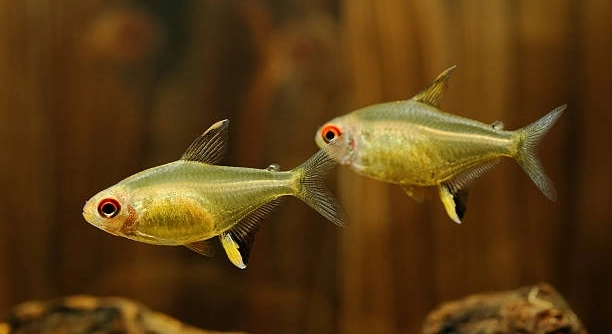
Keeping a community tank with small, peaceful fish can be very rewarding. Lemon Tetras and Corydoras are both popular choices, known for their gentle nature and attractive appearance. Mixing them requires some preparation and careful attention.
Before combining Lemon Tetras and Corydoras, it is essential to consider water parameters, tank size, feeding habits, and temperament. Ensuring compatibility reduces stress, prevents aggression, and supports the health and wellbeing of both species within a shared environment.
Understanding these key factors will help maintain a balanced tank and ensure your fish thrive together harmoniously in their shared space.
Understanding Tank Size Requirements
A properly sized tank is essential when housing Lemon Tetras and Corydoras together. Lemon Tetras are active swimmers and need open space to move in schools of six or more. Corys are bottom dwellers and prefer ample substrate area for foraging. A tank of at least 20 gallons is recommended to prevent overcrowding and reduce stress among the fish. Adding plants, hiding spots, and gentle currents can enhance the environment and make both species feel secure. Overcrowding often leads to aggression or health problems, so monitoring the number of fish in the tank is crucial. Balancing swimming space with resting areas ensures that Lemon Tetras can school freely while Corys explore the bottom comfortably. Proper filtration is also necessary to maintain water quality, as both species produce waste that can affect ammonia and nitrite levels if not managed carefully. Attention to tank setup supports long-term wellbeing.
Maintaining an adequate tank size ensures both species coexist peacefully and stay healthy in a shared environment.
A well-planned layout includes open swimming areas for Lemon Tetras, soft substrate for Corys, and scattered decorations to break line of sight. Plants like Java fern or Anubias provide shelter and reduce stress, while rocks and driftwood create natural hiding spots. Smooth gravel or sand is preferable, as sharp substrates can injure Corys’ delicate barbels. Regular water testing and proper filtration are important to keep ammonia and nitrite at safe levels. Spacing fish appropriately prevents overcrowding and encourages natural behavior. Feeding routines should consider both species, with flakes or pellets for Tetras and sinking wafers for Corys. Observing their interactions helps identify signs of stress early. Consistent maintenance, along with proper tank size and layout, promotes a healthy, balanced environment where both Lemon Tetras and Corys can thrive without conflict.
Water Parameters and Compatibility
Water temperature, pH, and hardness directly influence the health of both species. Lemon Tetras prefer slightly acidic water, while Corys tolerate a broader range.
Ensuring the tank maintains stable temperature, pH, and soft to moderately hard water keeps both species active and stress-free.
Temperature between 72–78°F suits both Lemon Tetras and Corys, while pH around 6.5–7.0 is ideal. Soft water encourages healthy growth and coloration. Sudden changes in temperature or pH can lead to stress, lowered immunity, or unusual behavior, so gradual adjustments are necessary. Monitoring hardness helps prevent discomfort and supports proper development. Both species produce ammonia, so consistent filtration and water changes are essential to prevent toxic buildup. Compatibility also depends on observing behavior; some Cory species are more active or territorial, and mixing with overly aggressive or shy fish can cause tension. Matching water conditions carefully ensures both Lemon Tetras and Corys remain vibrant, display natural behaviors, and coexist without complications, promoting long-term health in a shared aquarium.
Feeding Habits and Diet
Lemon Tetras are mid-level feeders, enjoying flakes, micro-pellets, and frozen foods. Corys are bottom feeders that prefer sinking wafers and small live or frozen foods like bloodworms. Meeting both species’ dietary needs is essential for health.
Feeding schedules should accommodate both species without overfeeding. Lemon Tetras thrive on frequent small meals, while Corys benefit from food reaching the bottom. A mix of high-quality flakes, pellets, and occasional live or frozen options provides balanced nutrition. Overfeeding can pollute the water, causing stress and disease. Observing their behavior during feeding helps ensure all fish get enough food. Separating feeding zones can reduce competition, allowing both species to feed naturally. Supplements like spirulina or vegetable matter improve coloration and vitality.
It is helpful to monitor feeding habits regularly. Some Corys may hide or miss food if the substrate is cluttered. Regularly cleaning uneaten food prevents water quality issues. Adjusting portion sizes based on observation keeps both Lemon Tetras and Corys healthy, active, and thriving together. Consistency in feeding reinforces natural behavior while maintaining overall tank balance and fish wellbeing.
Social Behavior and Tank Dynamics
Lemon Tetras are schooling fish that feel safer in groups of six or more. Corys are peaceful bottom dwellers that prefer small groups of three to five.
Both species are generally compatible when the tank is well-structured. Lemon Tetras schooling behavior creates a sense of security, reducing stress and encouraging natural activity. Corys’ bottom foraging complements the tetras’ mid-level swimming, preventing competition for space. Providing hiding spots, plants, and open swimming areas ensures both species maintain their routines. Observing interactions helps detect aggression or stress early. Careful attention to group sizes, territory, and social cues supports a harmonious environment.
Maintaining stable social dynamics prevents bullying and stress-related issues. Lemon Tetras can become timid if kept in small numbers, while Corys may feel insecure without companions. Proper grouping, sufficient space, and a well-planned tank layout encourage natural behavior, from schooling patterns to bottom exploration. Monitoring interactions allows adjustments in tank arrangement or population if necessary. The balance of active mid-level swimming fish with calm bottom dwellers promotes a healthy and engaging environment, enhancing both species’ well-being over time.
Lighting and Environment
Lemon Tetras prefer moderate lighting that highlights their yellow coloration without stressing them. Corys are sensitive to bright lights and appreciate shaded areas or low-light corners. Proper lighting balance supports both species’ natural behavior and overall comfort in the tank.
Adding floating plants or decorations helps diffuse light. This creates shaded areas for Corys to rest and explore while allowing Lemon Tetras to swim actively in illuminated zones. Adjusting light duration and intensity ensures both species feel secure and display natural activity patterns consistently.
Cleaning and Maintenance
Regular tank cleaning prevents waste buildup, which can harm both species. Uneaten food and fish waste increase ammonia and nitrite, impacting health and behavior if not controlled.
Maintaining water quality requires routine partial water changes and monitoring parameters like ammonia, nitrite, and nitrate. Using a siphon to remove debris from the substrate is particularly important for Corys, as they forage along the bottom. Filtration should be sufficient to handle the bioload of both species, keeping the water clear and oxygenated. Regular maintenance ensures a stable, safe environment, reducing stress and supporting the long-term health of Lemon Tetras and Corys.
Observing Behavior
Watching interactions between Lemon Tetras and Corys helps detect stress or illness early. Immediate adjustments maintain harmony.
FAQ
Can Lemon Tetras and Corys live in the same tank?
Yes, they can coexist peacefully if the tank is properly set up. Lemon Tetras are mid-level swimmers, while Corys occupy the bottom. This natural separation reduces competition. Proper tank size, stable water parameters, and adequate hiding spots ensure both species thrive together. Monitoring interactions helps catch any signs of stress early.
How many Lemon Tetras and Corys should I keep together?
Lemon Tetras should be kept in schools of at least six to feel secure. Corys are happiest in groups of three to five. Maintaining these group sizes supports natural behavior, reduces stress, and prevents aggressive tendencies. Avoid overcrowding to ensure both species have sufficient swimming and resting areas.
What water temperature and pH are best for these fish?
Lemon Tetras and Corys both prefer water temperatures between 72–78°F. A pH around 6.5–7.0 works well for both species. Soft to moderately hard water is ideal. Consistency is key, as sudden changes in temperature or pH can stress the fish, lower immunity, and affect feeding or activity levels.
What should I feed them?
Lemon Tetras do best with high-quality flakes, micro-pellets, and occasional frozen foods like brine shrimp or daphnia. Corys prefer sinking wafers, small pellets, or live/frozen foods such as bloodworms. Feeding both species properly ensures good health, vibrant coloration, and natural behavior. Avoid overfeeding to prevent water quality issues.
Do Corys need a special substrate?
Yes, Corys have delicate barbels that can be damaged by sharp or coarse substrates. Soft sand or smooth gravel allows them to forage safely. Regular cleaning of the substrate prevents waste buildup, reduces stress, and keeps water quality high, which is important for both Corys and Lemon Tetras.
How do I prevent aggression between these species?
Aggression is uncommon when tank conditions are optimal. Ensure enough swimming space for Lemon Tetras and hiding areas for Corys. Keeping proper group sizes and maintaining water quality reduces stress. Observing interactions and adjusting tank layout if necessary helps maintain a calm environment for all fish.
How often should I clean the tank?
Partial water changes of 20–25% once a week help maintain water quality. Use a siphon to remove debris from the substrate, especially for Corys. Clean filters as needed, but avoid disturbing beneficial bacteria. Consistent maintenance prevents toxic buildup and supports the overall health of both species.
Can they tolerate other fish in the same tank?
Both Lemon Tetras and Corys are peaceful and generally compatible with other non-aggressive species. Avoid large or aggressive fish that may stress or eat them. Small schooling fish and gentle bottom dwellers usually integrate well if the tank is spacious enough and conditions are stable.
What signs show my fish are stressed?
Signs include hiding excessively, loss of appetite, unusual swimming patterns, or faded coloration. Stress can result from poor water quality, overcrowding, or incompatible tank mates. Promptly identifying these behaviors and adjusting conditions helps prevent illness and supports long-term health.
Do they need plants or decorations?
Yes, plants, rocks, and driftwood provide hiding spots and reduce stress. Floating plants can diffuse bright light for Corys, while open swimming areas allow Lemon Tetras to move freely. A well-structured tank mimics natural habitats, encourages natural behaviors, and promotes overall wellbeing.
How long do Lemon Tetras and Corys live?
With proper care, Lemon Tetras can live 5–7 years, while Corys may live 5–10 years depending on species. Stable water conditions, proper diet, and a stress-free environment are key factors in achieving these lifespans. Regular observation and maintenance contribute to longevity and vibrant health.
Is it necessary to quarantine new fish?
Yes, quarantining new fish before adding them to the main tank prevents the spread of disease. A separate quarantine tank for two to four weeks allows observation for illness and ensures that Lemon Tetras, Corys, and any other species remain healthy in the main aquarium.
Can they breed in a community tank?
Lemon Tetras and Corys may breed if conditions are favorable, but breeding is easier in a dedicated breeding tank. Corys lay eggs on the substrate or decorations, while Lemon Tetras scatter eggs among plants. Successful breeding requires proper water quality, diet, and minimal stress from other tank mates.
How do I handle water parameter fluctuations?
Gradual adjustments are essential. Sudden changes in temperature, pH, or hardness can stress the fish. Use water conditioners, monitor parameters regularly, and maintain filtration. Observing fish behavior during changes helps ensure that both Lemon Tetras and Corys remain healthy and active.
Are there any health concerns specific to these fish?
Common issues include fin rot, ich, and bacterial infections, often caused by poor water quality or stress. Maintaining proper water parameters, avoiding overcrowding, and observing fish regularly help prevent disease. Prompt treatment at the first sign of illness increases recovery chances and protects the tank’s ecosystem.
Can I mix multiple Cory species with Lemon Tetras?
Yes, but monitor compatibility. Some Cory species are more active or territorial than others. Providing adequate hiding spots, group sizes, and observing behavior ensures that all fish remain calm. Proper planning avoids conflicts and supports harmonious coexistence in a shared tank.
How do I keep water clean with both species?
Use a reliable filter, perform regular partial water changes, and remove uneaten food. Corys stir the substrate, which can help prevent detritus buildup but may require extra cleaning attention. Maintaining stable parameters ensures the tank remains safe and stress-free for both species.
Can tank size affect their behavior?
Yes, insufficient space increases stress and aggression. Lemon Tetras need open mid-water areas to school, while Corys need room to forage along the bottom. A tank of at least 20 gallons is recommended, with decorations arranged to provide both open swimming space and hiding areas.
How often should I monitor their health?
Daily observation is ideal. Watch for changes in color, swimming patterns, and feeding habits. Early detection of illness or stress allows timely intervention. Keeping a consistent maintenance routine and observing behavior regularly ensures both Lemon Tetras and Corys remain healthy and active in the tank.
Are there signs of breeding behavior?
Lemon Tetras may scatter eggs among plants, while Corys often clean a flat surface or substrate before laying eggs. Increased activity, chasing, or pairing behavior indicates readiness to breed. Recognizing these behaviors can help separate eggs or provide safer conditions for fry if desired.
What should I do if one species dominates feeding?
Separate feeding zones or timed feedings can ensure all fish receive enough nutrition. Observing their feeding patterns and adjusting portions prevents competition and stress. Both Lemon Tetras and Corys benefit from food reaching their preferred tank levels, promoting balanced growth and health.
How can I reduce stress during tank maintenance?
Perform changes gradually, avoid sudden movements, and maintain stable water conditions. Moving decorations carefully and ensuring adequate hiding spots helps fish feel secure. Stress reduction supports immune function and encourages natural behavior in both Lemon Tetras and Corys.
Is it necessary to test water frequently?
Yes, regular testing for ammonia, nitrite, nitrate, pH, and hardness prevents issues before they affect fish health. Both species are sensitive to water quality changes, and monitoring allows adjustments to maintain a stable, safe environment for long-term coexistence.
Can lighting affect breeding or behavior?
Yes, bright lights can stress Corys, while Lemon Tetras prefer moderate lighting. Floating plants or shaded areas reduce stress and encourage natural behavior. Consistent light cycles help regulate activity patterns, feeding, and breeding readiness in both species.
Do they require any special decorations or hiding spots?
Both species benefit from a mix of open swimming areas and hiding spots. Corys need shaded areas or caves for resting, while Lemon Tetras appreciate unobstructed mid-level swimming zones. Proper decoration arrangement encourages natural behavior and reduces stress.
How do I introduce new fish to an existing tank?
Acclimate them slowly using a drip or floating method to match water parameters. Quarantine new arrivals when possible, then introduce them gently to reduce stress and avoid conflict. Observation during the first few hours ensures both Lemon Tetras and Corys adjust smoothly.
Are there seasonal considerations for keeping these fish?
Temperature stability is important year-round. Sudden seasonal changes in room temperature can stress fish. Heating or cooling adjustments may be necessary to maintain ideal conditions for both species, supporting health, feeding, and activity patterns consistently.
What should I do if fish become aggressive?
Assess tank size, group sizes, and hiding spots. Adjusting these factors can reduce stress-induced aggression. Separating particularly aggressive individuals may be necessary to maintain harmony. Observing and addressing environmental factors promptly helps preserve a peaceful tank for Lemon Tetras and Corys.
How do I maintain proper oxygen levels?
Use adequate filtration, surface agitation, or air stones to maintain oxygenation. Both species rely on sufficient oxygen for healthy activity and metabolism. Proper circulation also supports overall water quality and prevents areas of stagnant water that could stress the fish.
Can tank mates affect feeding and behavior?
Yes, aggressive or fast-moving fish can outcompete Lemon Tetras and Corys. Careful selection of peaceful companions ensures proper feeding and reduces stress. Balanced tank dynamics support natural behavior, allowing both species to thrive in a shared environment.
How important is temperature consistency?
Very important. Sudden fluctuations can stress fish, weaken immunity, and disrupt feeding. Using a reliable heater and monitoring daily helps maintain stable conditions suitable for both Lemon Tetras and Corys. Consistency supports activity, growth, and overall health.
What common mistakes should be avoided?
Overcrowding, poor water quality, inconsistent feeding, and incompatible tank mates are common errors. Ignoring group sizes or substrate needs can stress Corys. Proper preparation and observation prevent problems and support a balanced, healthy environment.
Keeping Lemon Tetras and Corys together can be a very rewarding experience when done correctly. Both species are peaceful and generally compatible, but success depends on proper tank setup, water conditions, and careful observation. Lemon Tetras are active mid-level swimmers, while Corys are calm bottom dwellers. This natural separation helps them coexist without conflict. Ensuring the tank is large enough for both species, with at least 20 gallons of space, prevents overcrowding and stress. Adding plants, decorations, and hiding spots provides security for Corys and allows Lemon Tetras to swim freely. A well-planned tank layout helps both species display natural behaviors and reduces the risk of tension or aggression. Proper lighting, substrate, and water flow also contribute to a stable, comfortable environment. Maintaining the right water temperature, pH, and hardness is crucial for their overall health and longevity. Regular monitoring and adjustments, when necessary, support a balanced and thriving aquarium.
Feeding both species appropriately is another key factor in maintaining harmony. Lemon Tetras benefit from high-quality flakes, micro-pellets, and occasional frozen foods, while Corys need sinking wafers, small pellets, or live foods like bloodworms. Observing feeding patterns helps ensure all fish receive enough nutrition without overfeeding. Uneaten food can quickly pollute the tank, so removing excess is important for water quality. Feeding in separate zones or at different levels of the tank can reduce competition and allow both species to eat comfortably. Monitoring their behavior during feeding also allows for early detection of stress or health issues. Providing a balanced diet supports their coloration, growth, and activity levels. Along with proper feeding, regular tank maintenance—including partial water changes, substrate cleaning, and filter upkeep—is essential for preventing harmful chemical buildup. A clean and well-maintained tank contributes to both the physical and behavioral health of Lemon Tetras and Corys.
Observing fish behavior and social dynamics is an important part of keeping a successful mixed-species tank. Lemon Tetras are schooling fish and feel secure in groups of six or more, while Corys thrive in small groups of three to five. Maintaining these group sizes encourages natural activity and reduces stress. Both species benefit from a peaceful environment with minimal sudden changes or disturbances. Quarantining new fish before adding them to the main tank helps prevent disease and protects existing fish. Watching for signs of stress, illness, or aggression allows timely intervention and adjustments. Providing proper oxygenation, stable lighting, and adequate hiding spots helps create a balanced and comfortable habitat. By focusing on proper care, monitoring, and environmental conditions, both Lemon Tetras and Corys can coexist successfully, thriving in a harmonious aquarium. With attention to these factors, it is possible to enjoy a vibrant and healthy community tank that meets the needs of both species for years to come.

Hello,
If you enjoy the content that we create, please consider saying a "Thank You!" by leaving a tip.
Every little bit helps us continue crafting quality advice that supports the health, happiness, and well-being of pets around the world, for pets of all shapes, sizes, and species.
We really appreciate the kindness and support that you show us!