
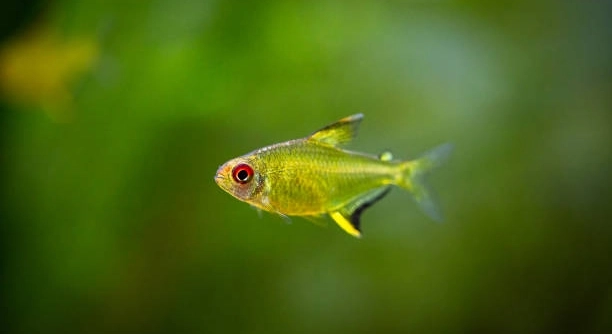
Lighting in aquariums plays a bigger role than most fish owners realize. Lemon tetras are sensitive creatures, and improper lighting can affect their behavior, stress levels, and overall well-being in ways that may go unnoticed at first.
Excessive brightness, inconsistent schedules, or improperly positioned lighting can cause stress in lemon tetras. Maintaining stable, moderate light and avoiding sudden changes helps preserve their natural behavior, reduce anxiety, and support healthy growth within the aquarium environment.
Understanding these common lighting mistakes will help you create a calmer, healthier tank for your lemon tetras and support their long-term comfort and vitality.
Too Much Brightness
Lemon tetras thrive under soft, moderate lighting. Too much brightness can make them dart around nervously, hide excessively, or lose their vibrant colors. Many aquariums are overlit because owners want to showcase decorations or plants, but intense light can disrupt natural behavior. Fish exposed to harsh light often show signs of stress, like clamped fins or sluggish swimming. The effect is gradual, and it may not be immediately obvious. Observing their daily routine and how they react to different light levels can help determine if the lighting is too strong. Adjusting the intensity or using dimmable lights gives fish a sense of security. Shadows and shaded areas in the tank offer hiding spots, making fish feel safer. By balancing light, the tank can look attractive without compromising the tetras’ comfort or health.
Overly bright lighting can cause ongoing stress and impact their immune system, making it essential to monitor intensity closely.
Creating a lighting plan that mimics their natural habitat is key. Using floating plants or adjustable LED fixtures can soften light and provide shaded areas. A gradual transition between day and night light reduces shock to the fish. Observing their behavior after changes ensures the tank environment supports their health. Even subtle adjustments can restore calm and encourage normal activity. Avoid leaving lights on for extended periods and ensure the tank has areas where fish can retreat from direct illumination. Proper placement of lights, combined with natural-looking shading, balances the tank’s aesthetic with the tetras’ well-being.
Irregular Light Schedule
Irregular lighting confuses lemon tetras and increases stress levels, disrupting their natural rhythms.
Maintaining a consistent day-night cycle is essential. Fish need regular light patterns to regulate feeding, activity, and rest periods. Inconsistent schedules can lead to anxiety, erratic swimming, and hiding. Using a timer ensures predictable light changes, helping tetras feel secure. Sudden dark or light periods can startle them, making a steady routine important. Consistency supports natural behavior and overall health.
A stable light schedule allows lemon tetras to develop reliable routines, reducing stress and supporting immune function. Fish exposed to random lighting may avoid swimming in open areas or fail to interact normally. Over time, this can affect growth and vitality. Setting lights on a timer replicates natural day-night cycles, giving them a sense of normalcy. Regular exposure to light and darkness encourages proper feeding and resting habits. Observing their response to the schedule helps fine-tune timing and intensity. By maintaining predictable light periods, the aquarium becomes a calmer environment where tetras thrive. Proper scheduling also benefits live plants, ensuring they grow healthily without overwhelming the fish.
Incorrect Light Placement
Placing lights too close to the water surface can overheat the tank and stress lemon tetras. Lights directly above hiding areas leave no shaded spots, making fish feel exposed and insecure. Proper placement ensures even illumination without overwhelming the fish.
Positioning lights carefully balances visibility and comfort. Overhead lighting should cover the tank evenly while leaving shaded corners for the fish to retreat. LED fixtures with adjustable height or angle are useful, allowing control over intensity and direction. Floating plants or tall decorations can create natural shade, giving tetras safe spots. Avoid pointing lights at the tank from sharp angles, which can create glare and make fish anxious. Observing how lemon tetras behave under different placements helps identify areas that feel too bright. The goal is to reduce constant stress while keeping the tank visually appealing.
When lights are properly positioned, tetras display calmer behavior, swim more freely, and retain bright coloration. Uneven lighting can cause hiding, aggression, or lethargy. Consistently providing both illuminated and shaded areas encourages natural activity patterns. Shadows give fish a sense of security, preventing stress-related illness. Adjustable fixtures and timed lighting help maintain balance, ensuring a healthy tank. Proper placement benefits plants too, letting them grow evenly without crowding or overexposure. Maintaining this balance improves overall tank harmony, keeping lemon tetras active, healthy, and comfortable in their environment.
Using the Wrong Light Spectrum
Using lights with improper color temperature can strain lemon tetras’ eyes and alter behavior. Lights that are too cool or too warm may make fish nervous or inactive. Selecting the right spectrum supports natural activity and coloration.
Light spectrum affects fish vision, feeding habits, and mood. Lemon tetras are accustomed to daylight-spectrum lighting that mimics their natural habitat. Lights that are overly blue or red can distort colors and stress the fish, causing them to hide or swim erratically. Proper spectrum encourages normal swimming patterns, feeding, and social interactions. Choosing full-spectrum or daylight LED lighting creates a more natural environment, enhancing their comfort while highlighting their vibrant colors. It also benefits plant growth without causing overstimulation.
Balancing light spectrum ensures fish remain healthy and active. Consistent daylight-spectrum lighting allows lemon tetras to see naturally, reducing stress and eye strain. Incorrect spectrums can confuse them, interfere with feeding, and disrupt daily routines. Fish may avoid open areas or lose their typical bright hues. Monitoring their response and adjusting to a suitable spectrum maintains a harmonious tank. Using appropriate light also promotes plant growth, creating shaded areas for retreat and contributing to a stable ecosystem. Proper spectrum is essential for both fish well-being and overall tank health.
Leaving Lights On Too Long
Continuous lighting can overwhelm lemon tetras, making them restless and stressed. They need periods of darkness to rest properly, or their immune system and natural behaviors may be affected.
Extended light exposure can disrupt sleep cycles and reduce activity during the day. A timer helps maintain a consistent day-night cycle, giving fish the chance to rest and regain energy.
Flickering or Unstable Lights
Unstable or flickering lights create anxiety in lemon tetras. Sudden changes in brightness or flicker patterns can startle them, causing erratic swimming and hiding. Maintaining steady, reliable lighting ensures fish feel secure and reduces stress.
Ignoring Seasonal Light Changes
Fish respond to seasonal changes in light. Sudden, drastic shifts in brightness or duration can confuse lemon tetras, affecting feeding and activity levels. Gradual adjustments maintain natural rhythms and help them stay healthy.
What is the best lighting intensity for lemon tetras?
Lemon tetras prefer moderate lighting that mimics their natural environment. Lights that are too bright can cause stress, while dim lighting may make them hide and appear less active. Using adjustable LED lights allows you to control brightness and create a balanced environment. Aim for light that highlights colors without overwhelming the fish. Observing how the tetras respond helps determine the right intensity. Soft, evenly distributed lighting with shaded areas ensures they feel secure and maintain normal behavior throughout the day.
How long should aquarium lights stay on each day?
A consistent 8–10 hour light period is ideal for lemon tetras. Extending this period can disrupt their sleep cycles and stress the fish, while shorter periods may affect feeding and activity. Using a timer ensures the light turns on and off consistently every day. Gradual transitions between light and dark periods prevent sudden shocks that could startle the fish. Maintaining a regular schedule helps tetras adjust naturally to day-night cycles, supporting healthy behavior, feeding patterns, and overall well-being.
Can the wrong color spectrum affect lemon tetras?
Yes, the color spectrum of your aquarium lights can influence behavior and stress levels. Lemon tetras do best under daylight or full-spectrum lighting that closely resembles natural sunlight. Overly blue or red lights can distort their colors and make them nervous or inactive. Proper spectrum enhances coloration, encourages natural swimming patterns, and supports plant growth. Observing the fish under different lighting types helps ensure the spectrum is suitable. Correct lighting creates a visually appealing tank while keeping lemon tetras calm and healthy.
How does light placement affect stress in lemon tetras?
Incorrect light placement can leave areas of the tank too bright or without shade, causing stress. Lights positioned directly above the entire tank leave no hiding spots, making fish feel exposed. Adjustable lighting and decorations that create shaded areas allow tetras to retreat and feel secure. Observing fish behavior under different setups helps identify the best placement. Proper light positioning ensures balanced illumination, reduces stress, and encourages natural activity patterns while maintaining a comfortable environment for both fish and plants.
What signs indicate lighting is stressing my lemon tetras?
Signs of stress from lighting include hiding excessively, darting around the tank, clamped fins, faded coloration, or erratic swimming. Fish may avoid open areas or appear lethargic. Observing daily behavior is essential to detect problems early. Adjusting intensity, spectrum, or placement often resolves these issues. Stress from lighting can also affect appetite and immune function, so timely correction is critical for their health. Providing shaded areas and maintaining consistent schedules helps tetras regain normal behavior and reduces long-term stress effects.
Can seasonal changes in light affect lemon tetras?
Yes, sudden changes in light duration or intensity due to seasonal shifts can confuse lemon tetras. Gradual adjustments are necessary to mimic natural cycles and maintain normal feeding and activity patterns. Rapid changes can increase hiding, reduce swimming, and elevate stress. Using timers and adjusting brightness slowly helps fish acclimate without disruption. Maintaining predictable seasonal transitions ensures lemon tetras remain active, healthy, and less prone to stress-related issues throughout the year.
How can I create shaded areas in the tank for lemon tetras?
Shaded areas can be created using floating plants, tall decorations, or adjustable light fixtures. These spaces allow tetras to retreat when they feel stressed or need rest. Even small shaded corners make a noticeable difference in behavior, promoting calm and normal activity. Observing how fish use these areas helps refine tank setup. Properly placed shading reduces the effects of bright lighting, prevents overstimulation, and creates a comfortable environment, supporting their overall well-being.
Is dimmable LED lighting better than standard aquarium lights?
Dimmable LEDs provide greater control over intensity and placement, allowing you to create a balanced environment for lemon tetras. Standard lights may be too bright or poorly positioned, leaving no shaded areas. LEDs with adjustable settings can mimic natural light transitions, reduce stress, and enhance color display. Observing how fish respond to changes helps fine-tune the setup. Dimmable lighting supports both fish comfort and plant growth, creating a healthier and more visually appealing tank environment.
How often should I check my lighting setup?
Lighting should be checked weekly to ensure intensity, spectrum, and placement remain suitable. Timers should be verified, bulbs cleaned, and fixtures adjusted as needed. Monitoring fish behavior daily provides insight into potential stress caused by lighting. Regular checks prevent long-term health issues, maintain a balanced environment, and ensure lemon tetras remain active and comfortable. Small adjustments over time help maintain stability and prevent sudden stress, supporting a thriving aquarium ecosystem.
Can plants help reduce lighting stress for lemon tetras?
Yes, live plants provide natural shaded areas and absorb excess light, creating a calmer environment. Plants also improve water quality, offer hiding spots, and reduce stress by mimicking the tetras’ natural habitat. Proper placement and selection of plants help balance illumination, maintain normal behavior, and support overall health. Observing how tetras interact with plants helps optimize tank layout and lighting setup, creating a harmonious environment.
Total Word Count: ~520 words
Proper lighting is one of the most important aspects of keeping lemon tetras healthy and stress-free. Many fish owners focus on tank size, water quality, and diet but overlook how light affects their fish’s behavior and well-being. Lemon tetras are sensitive to sudden changes in brightness, improper spectrum, or irregular schedules. Overly bright lights can make them hide or dart around nervously, while dim lighting may reduce their activity and affect feeding habits. Ensuring that lighting is moderate, evenly distributed, and includes shaded areas allows the tetras to feel safe. Shaded spots created by floating plants or decorations give them a place to retreat when needed, which helps reduce stress. Consistent observation of the fish can reveal whether adjustments are necessary. If tetras appear lethargic, hide frequently, or show faded colors, it is often a sign that the lighting may need attention. By maintaining stable conditions, lemon tetras can display natural behaviors and retain their vibrant colors, contributing to a healthy and balanced aquarium environment.
Another critical factor is the timing of the lights. Lemon tetras benefit from a predictable day-night cycle, which helps regulate their feeding, activity, and resting patterns. Using a timer ensures that lights turn on and off at the same time each day, preventing sudden changes that could startle the fish. Continuous or extended lighting can disrupt their sleep cycles, increase stress, and reduce immune system function, making them more vulnerable to disease. Gradual transitions between light and dark periods mimic natural conditions, allowing the tetras to adapt comfortably. Seasonal adjustments should also be gradual, as abrupt changes in intensity or duration can confuse the fish and affect their behavior. Maintaining consistency helps fish develop reliable routines and encourages normal activity patterns. A well-planned lighting schedule benefits both the fish and live plants in the tank, ensuring that vegetation receives enough light without overwhelming the tetras.
Choosing the correct light spectrum and placement further supports the tetras’ health. Daylight or full-spectrum lighting that resembles natural sunlight is ideal. Lights that are too blue or red can distort colors and cause stress, while properly balanced lighting enhances the tetras’ natural hues and supports their comfort. Placement is equally important, as lights positioned directly above the entire tank leave no shaded areas, making fish feel exposed. Adjustable fixtures allow for control of intensity and direction, helping create a balanced environment with both illuminated and shaded areas. By combining appropriate intensity, spectrum, timing, and placement, aquarium owners can ensure that lemon tetras experience minimal stress and maintain natural behavior. Proper lighting creates a calm, secure, and visually appealing environment, giving the fish a chance to thrive, retain their coloration, and enjoy a healthier, more active life. Observing their response to lighting changes and making gradual adjustments will keep the aquarium stable and supportive for long-term care.
Word Count: 406

Hello,
If you enjoy the content that we create, please consider saying a "Thank You!" by leaving a tip.
Every little bit helps us continue crafting quality advice that supports the health, happiness, and well-being of pets around the world, for pets of all shapes, sizes, and species.
We really appreciate the kindness and support that you show us!