
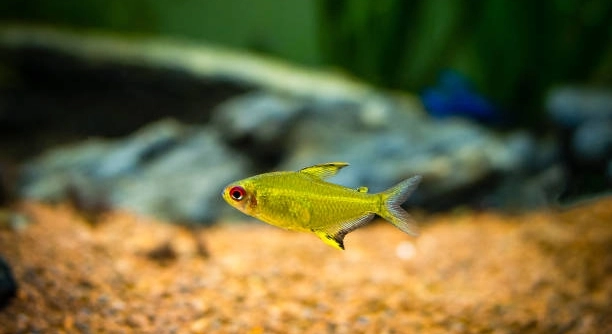
Keeping Lemon Tetras happy and healthy requires careful attention to their tank environment. Even small mistakes in setup can cause stress and affect their behavior, making it harder for them to thrive in your aquarium.
Common tank setup mistakes that stress Lemon Tetras include overcrowding, poor water quality, inadequate hiding spots, incorrect temperature, insufficient filtration, improper lighting, and incompatible tank mates. Each factor can significantly impact their health, behavior, and overall well-being in a controlled aquatic environment.
Knowing what to avoid when arranging your tank will help ensure your Lemon Tetras live comfortably and reduce unnecessary stress in their daily lives.
Overcrowding the Tank
A common mistake in Lemon Tetra care is keeping too many fish in a single tank. Overcrowding increases stress and can lead to poor water quality. Each fish needs enough space to swim freely and establish its own territory. When space is limited, they may become aggressive or hide constantly, which affects their natural behavior. Overcrowding also puts pressure on the filtration system, causing toxins like ammonia and nitrites to accumulate quickly. Even a few extra fish can disrupt the balance in a small aquarium, making it harder to maintain stable conditions. Stress from overcrowding can weaken their immune system, leaving them more susceptible to diseases. It is important to calculate the appropriate number of Lemon Tetras based on tank size and their active swimming habits. Regularly monitoring their interactions and swimming patterns can help identify if the tank feels too crowded.
Overcrowding reduces their swimming space and increases stress levels significantly.
Providing sufficient space improves health, encourages natural behavior, and maintains stable water quality, creating a calmer environment for your Lemon Tetras.
Poor Water Quality
Maintaining clean water is essential for Lemon Tetras. Dirty water can lead to stress, illness, and even death. Regular water changes and proper filtration help keep the tank safe and stable. Monitoring parameters like pH, ammonia, and nitrites ensures a healthy environment.
Unstable water conditions negatively impact their behavior and overall health.
Poor water quality often arises from irregular maintenance or inadequate filtration. Fish produce waste continuously, and leftover food can decompose quickly, raising toxin levels. Lemon Tetras are sensitive to changes in pH and ammonia, so even minor fluctuations can cause stress. Testing water weekly allows you to catch problems early. Using a reliable filter and performing partial water changes keeps the tank balanced. Introducing plants and hiding spots can further support water stability and reduce stress by providing a sense of security. Observing your fish’s color and activity levels can indicate water quality issues before they become severe. By staying consistent with maintenance, your Lemon Tetras will remain active, healthy, and vibrant, making your tank a more peaceful and enjoyable environment for both the fish and yourself.
Inadequate Hiding Spots
Lemon Tetras need places to hide to feel safe. A lack of cover can make them nervous, affecting their swimming and feeding habits. Plants, rocks, and decorations provide necessary shelter.
Without sufficient hiding spots, stress levels rise quickly. Fish may dart nervously, avoid the open areas of the tank, or compete aggressively for limited cover. Dense planting or adding small caves allows them to rest and retreat when they feel threatened. This setup reduces fear-driven behavior and helps maintain a more natural social structure within the group.
Hiding spots also encourage exploration and activity. When fish have secure areas, they spend less time hiding in corners, promoting healthier exercise and more consistent eating patterns. Providing varied shelter helps balance the tank environment, making the fish calmer and more comfortable in their surroundings.
Incorrect Temperature
Lemon Tetras thrive in stable, moderate temperatures. Fluctuations or extremes can stress them, lowering immunity and altering behavior. Consistent warmth keeps them active and healthy.
Maintaining the proper temperature is critical. Lemon Tetras prefer 72-78°F, and sudden shifts can shock their system, causing lethargy or erratic swimming. Using a reliable heater with a thermostat helps ensure stability. Monitor water regularly to avoid unsafe changes during seasonal variations or if the tank is near windows or vents.
Temperature directly affects metabolism and feeding. If water is too cold, digestion slows, and fish may refuse food, leading to malnutrition. If it’s too warm, oxygen levels drop, making breathing harder and increasing susceptibility to disease. Consistency is key, and combining proper equipment with observation ensures your Lemon Tetras remain healthy, active, and stress-free over time.
Insufficient Filtration
A weak or clogged filter cannot handle the waste produced by Lemon Tetras. Poor filtration leads to higher toxin levels, stressing the fish and affecting their health.
Filters should match the tank size and bioload. Regular cleaning and maintenance prevent harmful buildup and keep water clear.
Improper Lighting
Lemon Tetras do best with moderate, consistent lighting. Too much light can cause stress, while too little may affect their activity and coloration. Adjust lighting duration and intensity to mimic natural conditions, supporting a balanced day-night cycle.
Incompatible Tank Mates
Choosing the wrong tank mates can create tension and aggression. Lemon Tetras need peaceful companions that won’t bully or outcompete them for food.
FAQ
What is the ideal tank size for Lemon Tetras?
Lemon Tetras are small but active fish, and they need enough space to swim freely. A minimum tank size of 20 gallons is recommended for a small group, allowing room for plants, hiding spots, and open swimming areas. Overcrowding reduces activity and increases stress.
How often should I change the water?
Regular water changes are essential for maintaining healthy water quality. Changing 20-25% of the water weekly helps remove toxins and replenishes essential minerals. Consistency is more important than large, infrequent changes, as sudden shifts can stress the fish.
What type of filter works best?
A reliable filter with gentle flow is ideal for Lemon Tetras. They prefer calm water, so avoid strong currents. Filters rated for your tank size ensure proper filtration, keeping ammonia, nitrites, and other toxins at safe levels. Clean the filter regularly to maintain performance.
What temperature range is best?
Lemon Tetras thrive in water between 72°F and 78°F. Temperatures outside this range can reduce activity, affect feeding, and increase susceptibility to disease. Using a heater with a thermostat helps maintain stable water conditions. Sudden changes should always be avoided.
Do Lemon Tetras need live plants?
Live plants aren’t strictly necessary but provide important benefits. They offer hiding spots, reduce stress, and help maintain water quality by absorbing nitrates. Plants also make the tank environment feel more natural, encouraging natural behaviors like swimming in schools and exploring.
Can Lemon Tetras live with other fish?
Yes, but tank mates should be peaceful and similar in size. Avoid aggressive or much larger species, as they can intimidate or harm Lemon Tetras. Suitable companions include other small tetras, rasboras, and peaceful bottom-dwellers like Corydoras catfish.
What do Lemon Tetras eat?
They are omnivores and eat a variety of foods. High-quality flakes or pellets can form the main diet, supplemented with frozen or live foods like brine shrimp, daphnia, or bloodworms. Variety helps ensure proper nutrition and vibrant coloration.
How can I tell if my Lemon Tetras are stressed?
Signs of stress include clamped fins, erratic swimming, hiding excessively, loss of color, or reduced appetite. Stress often results from poor water quality, overcrowding, incompatible tank mates, or inadequate hiding spots. Identifying and correcting these issues quickly helps prevent illness.
How many Lemon Tetras should I keep together?
They are schooling fish and should be kept in groups of at least six. Smaller groups can feel insecure, leading to stress and abnormal behavior. A larger group promotes natural swimming patterns, reduces aggression, and enhances their overall well-being.
Do Lemon Tetras need special lighting?
Moderate lighting that mimics a natural day-night cycle is sufficient. Too bright lighting can stress them, while too dim light may affect activity and coloration. Adjust lighting duration to about 8-10 hours per day for a stable environment.
Is tap water safe for Lemon Tetras?
Tap water can be safe if treated to remove chlorine, chloramine, and heavy metals. Using a water conditioner ensures toxins are neutralized. Checking pH, hardness, and other parameters helps maintain a stable, healthy environment.
How often should I test the water?
Testing once a week is recommended to monitor pH, ammonia, nitrites, and nitrates. Regular monitoring allows early detection of problems before they affect the fish. Keeping records helps track trends and ensures consistent water quality.
Can Lemon Tetras live in a bare-bottom tank?
Yes, but a planted or decorated tank is better for reducing stress. Bare-bottom tanks are easier to clean but lack hiding spots and visual barriers, which help fish feel secure. Balancing cleanliness with comfort is key to healthy Lemon Tetras.
How long do Lemon Tetras live?
With proper care, Lemon Tetras can live 5-8 years. Longevity depends on stable water quality, proper nutrition, suitable tank mates, and a stress-free environment. Regular maintenance and monitoring significantly contribute to their lifespan.
Do they need a varied diet?
Yes, providing a mix of flakes, pellets, and occasional live or frozen foods ensures balanced nutrition. Variety helps maintain health, strengthens the immune system, and promotes bright colors. Avoid overfeeding to prevent water quality issues.
Can they breed in a home aquarium?
Lemon Tetras can breed under the right conditions. A separate breeding tank with soft, slightly acidic water and plants for egg-laying encourages spawning. After eggs are laid, adults should be removed to prevent them from eating the fry. Temperature and clean water support successful breeding.
What maintenance schedule works best?
Weekly partial water changes, monthly filter checks, and regular plant trimming help maintain a stable environment. Observing fish behavior daily allows early detection of stress or illness, ensuring timely interventions. Consistency keeps the tank healthy and Lemon Tetras thriving.
Are there signs of illness to watch for?
Watch for white spots, frayed fins, lethargy, bloating, or unusual swimming. Early detection is crucial. Stress and poor water conditions often trigger illness, so addressing root causes alongside treatment improves recovery chances.
Can I keep Lemon Tetras in a community tank?
Yes, as long as other species are peaceful and of similar size. Avoid aggressive fish that may chase or harm them. Schooling species with non-aggressive behavior work best to maintain a calm and balanced tank environment.
How do I acclimate new Lemon Tetras?
Float the sealed bag in the tank for 15-20 minutes to equalize temperature. Gradually mix small amounts of tank water into the bag over 30-45 minutes before releasing them. This reduces stress and prevents shock from sudden changes in water conditions.
Is it necessary to quarantine new fish?
Yes, quarantining for at least two weeks helps prevent introducing disease or parasites into the main tank. Observing new fish during this period ensures they are healthy before joining existing Lemon Tetras, protecting the entire community.
How much should I feed them?
Feed small amounts 1-2 times daily, only what they can consume in 2-3 minutes. Overfeeding leads to water quality issues and obesity, while underfeeding can affect growth and health. Monitoring consumption helps maintain proper nutrition and a clean tank.
What is the best substrate for Lemon Tetras?
Fine gravel or sand works well, especially if you include plants. Substrate should allow easy swimming and provide a base for plants while being easy to clean. Avoid sharp or large gravel that can injure delicate fish.
Can stress affect their color?
Yes, stressed Lemon Tetras may appear dull or faded. Maintaining stable water conditions, appropriate tank mates, hiding spots, and a balanced diet helps keep colors vibrant and fish healthy.
Do they need a strict day-night cycle?
Yes, consistent lighting supports natural behavior and reduces stress. About 8-10 hours of light with a period of darkness each day helps regulate feeding, activity, and rest patterns. Irregular cycles can disrupt behavior and well-being.
Is it okay to keep them with other tetra species?
Yes, most small, peaceful tetras are compatible. Ensure similar water parameter requirements to avoid stress. Avoid aggressive or larger tetras that may compete for food or intimidate Lemon Tetras.
Can Lemon Tetras live in soft or hard water?
They tolerate a range of water hardness but prefer slightly soft to moderately hard water. Stability is more important than exact hardness levels. Sudden changes in hardness can stress them, so maintain consistent conditions.
How do I prevent disease?
Maintain clean water, avoid overstocking, quarantine new fish, and provide a balanced diet. Early detection of stress signs and prompt treatment reduces the risk of illness, keeping Lemon Tetras healthy and active.
Are decorations important?
Yes, decorations provide hiding spots, visual barriers, and enrichment. Plants, rocks, and caves make the tank feel secure and reduce stress. Varying decorations creates a stimulating environment that promotes natural swimming and social behaviors.
Can they tolerate temperature fluctuations?
Frequent or extreme fluctuations are harmful. Keep water stable with a heater and monitor temperature. Sudden changes can stress fish, weaken immunity, and increase disease susceptibility. Stable conditions are essential for long-term health.
Is it necessary to monitor pH?
Yes, Lemon Tetras prefer slightly acidic to neutral pH. Regular monitoring ensures the water stays within safe limits. Sudden shifts can cause stress, reduce appetite, and impact overall health. Maintaining stability supports a thriving environment.
What is the best way to introduce new tank mates?
Introduce new fish slowly, ensuring compatible species and similar size. Observe interactions and provide hiding spots to reduce stress. Gradual acclimation helps maintain a peaceful, balanced tank.
Do Lemon Tetras need a cover on the tank?
A lid or cover prevents jumping and reduces stress from sudden disturbances. Lemon Tetras are active swimmers, and a secure cover ensures safety while maintaining a calm environment.
How long should I observe new fish after introduction?
Monitor for at least the first week, paying attention to behavior, feeding, and signs of stress or illness. Quick intervention helps prevent issues and maintains a healthy tank environment.
Can they live with shrimp or snails?
Yes, peaceful invertebrates are compatible. Shrimp and snails provide cleanup benefits and are generally ignored by Lemon Tetras, as long as the tank is not overcrowded.
What is the role of aeration?
Proper aeration ensures sufficient oxygen levels, especially in densely planted or populated tanks. Bubblers or proper filter flow help maintain water movement and oxygen distribution, reducing stress and supporting healthy fish.
Do Lemon Tetras recognize their owners?
They may become familiar with routine feeding and movement near the tank. While not interactive in a traditional sense, recognition reduces stress during care activities and encourages natural feeding behavior.
How can I tell if they are happy?
Active swimming, bright coloration, normal feeding, and social schooling indicate healthy, comfortable Lemon Tetras. Consistency in behavior shows they are thriving in a well-maintained environment.
Are there seasonal changes to consider?
Temperature and light consistency are important year-round. Seasonal fluctuations near windows or heating systems should be managed to prevent stress and maintain stable conditions for the fish.
Can overfeeding be harmful?
Yes, excess food decomposes, polluting water and stressing fish. Feed measured amounts 1-2 times daily, adjusting based on consumption. Balanced feeding supports health and reduces water quality issues.
Do Lemon Tetras need supplements?
A varied diet usually meets their nutritional needs. Occasional vitamin-enriched foods can help during growth or recovery from illness, but regular feeding of quality flakes, pellets, and occasional live foods is sufficient.
How important is tank layout?
Layout impacts stress and activity. Providing open swimming areas, hiding spots, and varied decor supports natural behavior and reduces aggression. A balanced layout helps Lemon Tetras feel secure and encourages schooling.
Should I worry about lighting for plants?
Yes, if you have live plants, provide lighting that supports growth without stressing fish. Moderate lighting helps plants thrive while maintaining a comfortable environment for Lemon Tetras.
Is it okay to mix juveniles and adults?
Yes, but watch for competition over food. Juveniles may be stressed by adults if the tank is small. Providing ample space and hiding spots helps reduce conflicts and ensures healthy growth.
Can they survive without plants?
Yes, but plants provide comfort, hiding spots, and water quality benefits. A bare tank requires extra care to maintain stability and reduce stress in Lemon Tetras.
How do I handle sick fish?
Quarantine sick fish immediately, treat according to symptoms, and maintain clean water. Early intervention prevents disease spread and improves recovery chances. Monitor the main tank closely during treatment.
What signs indicate the tank is too small?
Crowding, constant chasing, or darting behavior indicate insufficient space. Adequate tank size and population control reduce stress and promote healthier interactions.
Do they need gentle water flow?
Yes, strong currents can tire them and increase stress. Filters should provide moderate flow to maintain water quality while keeping swimming comfortable.
How can I make feeding more effective?
Feed small portions multiple times daily. Observe all fish eating to prevent dominance by aggressive individuals and reduce leftover food that can pollute the tank.
What is the best way to clean the tank?
Perform partial water changes, clean the substrate, and maintain the filter. Avoid disturbing fish too much during cleaning, as this can stress them. Consistent, gentle maintenance keeps water quality high.
Are they sensitive to chemicals?
Yes, Lemon Tetras are sensitive to chlorine, chloramine, and heavy metals. Always treat tap water with a conditioner before adding it to the tank. Avoid using household chemicals near the aquarium.
Do decorations affect schooling behavior?
Yes, plants and rocks provide visual cues and shelter, encouraging natural schooling patterns. Properly spaced decorations allow free swimming while offering safety zones for shy individuals.
How do I know if the tank is balanced?
Stable water parameters, active fish, healthy plants, and clear water indicate a balanced tank. Regular observation and testing ensure the environment remains suitable for Lemon Tetras.
Can they tolerate mild crowding temporarily?
Short-term mild crowding may be manageable, but prolonged stress harms health and behavior. Always plan tank population to allow enough space for long-term comfort.
Is it necessary to feed at the same time every day?
Yes, a consistent feeding schedule reduces stress and promotes regular activity. Fish learn to anticipate feeding, which encourages normal behavior and helps monitor health.
How important is monitoring behavior?
Daily observation helps detect stress, illness, or aggression early. Noticing subtle changes allows prompt action, maintaining a healthy and stable environment for Lemon Tetras.
Do Lemon Tetras benefit from varied terrain?
Yes, combining open swimming areas with plants, rocks, and caves reduces stress, supports exploration, and encourages natural schooling behavior. This variety keeps them active and comfortable.
Can they adapt to small changes in water chemistry?
Minor, gradual changes are usually tolerated, but abrupt shifts can stress them. Consistency in pH, hardness, and temperature is critical for long-term health.
Are there signs of overfeeding?
Leftover food, cloudy water, and lethargic fish indicate overfeeding. Adjust portions and remove uneaten food promptly to maintain water quality and fish health.
How do I encourage natural behavior?
Provide hiding spots, open swimming areas, proper tank mates, and a stable environment. A balanced diet and consistent maintenance also support active, healthy behavior.
Can Lemon Tetras survive with minimal care?
They can survive, but minimal care leads to stress, poor health, and shorter lifespan. Proper water quality, diet, and habitat are necessary for thriving fish.
Is it important to rotate food types?
Yes, rotation ensures balanced nutrition, supports immune health, and maintains vibrant colors. Combining flakes, pellets, and occasional live or frozen foods is ideal.
Do they need specific minerals?
Regular water and varied diet typically provide required minerals. Monitoring water parameters ensures essential elements remain at safe levels. Supplements are rarely necessary if the tank is properly maintained.
How can I tell if the tank is too dim?
Fish may hide excessively, lose color, or reduce activity. Adjust lighting to provide moderate illumination without causing stress, supporting normal behavior and plant growth.
Are Lemon Tetras easy to handle?
They are delicate and should be handled minimally. Use nets gently during maintenance or relocation to prevent injury and stress.
Do they need water circulation?
Yes, gentle circulation helps distribute oxygen and maintain water quality. Avoid strong currents that tire fish. Proper filter placement supports healthy flow.
Can they tolerate short periods without food?
Yes, they can survive a day or two without food, but extended fasting affects health. Regular feeding ensures consistent energy and growth.
Is tank size more important than decoration?
Yes, space is critical. Decorations enhance the environment, but overcrowding reduces comfort, increases stress, and negatively impacts health. Prioritize adequate swimming areas first.
Do Lemon Tetras respond to human presence?
They may recognize feeding routines and become accustomed to movement near the tank, reducing stress during care and encouraging predictable behavior.
Can water hardness change suddenly?
Sudden changes from tap water or new additions can stress fish. Always acclimate carefully and monitor parameters to maintain stable conditions.
How do I prevent aggression in a group?
Maintain proper school size, provide hiding spots, and avoid aggressive tank mates. Observing behavior helps catch conflicts early and reduce stress.
Is temperature stability more important than exact number?
Yes, stability matters most. Minor deviations within the preferred range are usually tolerated, but frequent fluctuations cause stress and health issues.
Do they prefer dim corners or open areas?
They like both. Hiding spots provide security, while open areas allow swimming and schooling. A balanced layout supports comfort and natural behavior.
Can tank size affect breeding?
Yes, cramped tanks discourage spawning and increase stress. Providing space and proper conditions encourages successful reproduction.
Are Lemon Tetras sensitive to light cycles?
Yes, irregular light patterns can disrupt behavior and stress them. A consistent day-night cycle supports normal activity, feeding, and rest.
Is it necessary to observe water clarity?
Yes, cloudy water often indicates poor quality. Clear water signals stable conditions and reduces stress, supporting healthy fish.
Can they adapt to new tank mates gradually?
Yes, slow introduction and observation reduce aggression and allow adjustment, promoting a peaceful community environment.
Do they need oxygenation beyond filtration?
Additional aeration helps in densely stocked or heavily planted tanks. Bubblers or gentle flow maintain oxygen levels, preventing stress.
How do I know if they are eating properly?
Fish should actively chase and consume food quickly. Uneaten food or disinterest may indicate stress, illness, or improper diet.
Can they tolerate small pH fluctuations?
Minor, gradual changes are manageable, but sudden shifts cause stress. Maintain consistent water chemistry for long-term health.
Is regular tank cleaning essential?
Yes, cleaning substrate, filter, and performing partial water changes keeps the environment safe, reduces stress, and promotes longevity.
How do I prevent overcrowding in a community tank?
Calculate fish per gallon carefully, monitor growth, and avoid overstocking. Adequate space reduces stress, aggression, and water quality issues.
Can Lemon Tetras live in a tank without hiding spots?
Yes, but lack of shelter increases stress, reduces activity, and may encourage aggression. Adding plants or decorations improves comfort.
Are they affected by sudden noises or vibrations?
Yes, they are sensitive to disturbances. Minimizing sudden noise or movement near the tank reduces stress and supports natural behavior.
Do they need a specific diet schedule?
Yes, feeding at regular intervals encourages normal activity, reduces stress, and ensures proper nutrition. Cons
Lemon Tetras are small, vibrant fish that bring life to any freshwater tank. Their bright colors and active schooling behavior make them a favorite among aquarists, but keeping them healthy requires careful attention to their environment. Small mistakes in tank setup, water quality, or diet can cause stress, which affects their behavior, coloration, and overall well-being. Ensuring stable water conditions, appropriate tank size, and compatible tank mates are essential steps in reducing stress and promoting natural behavior. Observing them regularly for signs of discomfort or illness helps address issues early, allowing them to thrive. Maintaining a calm, clean, and well-structured environment benefits both the fish and the aquarist, creating a balanced and visually appealing aquarium.
Providing adequate space and hiding spots is crucial for Lemon Tetras. Overcrowding or insufficient cover can lead to stress, aggression, and reduced activity. Plants, rocks, and other decorations serve multiple purposes, offering shelter, visual barriers, and areas to explore. These features encourage natural schooling behavior and reduce fear-driven actions. Filtration and water movement must also be balanced, as strong currents or poor filtration can increase stress levels. Regular maintenance, including partial water changes and filter cleaning, supports stable water parameters and keeps toxin levels low. Temperature consistency is another key factor, as sudden fluctuations can shock fish, disrupt feeding habits, and affect their immune system. By combining proper equipment with thoughtful tank design, Lemon Tetras are more likely to remain active, healthy, and stress-free.
Diet, lighting, and social structure also influence the overall well-being of Lemon Tetras. A varied diet of quality flakes, pellets, and occasional live or frozen foods ensures proper nutrition and vibrant coloration. Lighting should mimic a natural day-night cycle, supporting activity, feeding, and rest without causing stress. Maintaining an appropriate school size helps reduce insecurity and promotes social cohesion, while selecting peaceful tank mates prevents harassment and competition. Paying attention to these details creates a harmonious environment where Lemon Tetras can flourish. Overall, successful care is a combination of careful planning, consistent maintenance, and observation. By addressing each aspect of their habitat thoughtfully, you can provide a safe, comfortable, and stimulating environment where your Lemon Tetras thrive for years.

Hello,
If you enjoy the content that we create, please consider saying a "Thank You!" by leaving a tip.
Every little bit helps us continue crafting quality advice that supports the health, happiness, and well-being of pets around the world, for pets of all shapes, sizes, and species.
We really appreciate the kindness and support that you show us!