
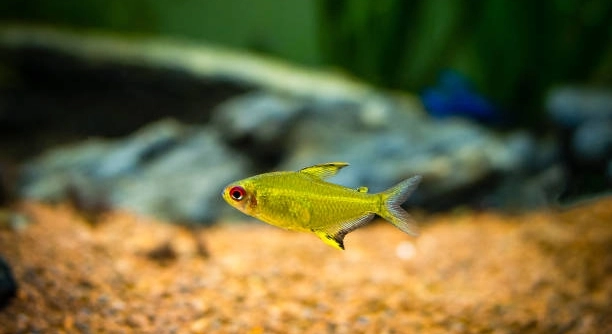
Arowanas are striking fish that captivate many aquarists with their elegance and size. Observing them closely can reveal behaviors that seem unusual or even puzzling at first glance, showing there is more beneath their calm exterior.
Unusual behaviors in arowanas, such as surface jumping, tail chasing, or head-down hovering, are often linked to environmental factors, stress, feeding patterns, and natural instincts. Understanding these actions helps maintain proper care and ensures fish welfare.
These behaviors may appear odd, yet each action reflects an essential aspect of your arowana’s health and habitat, offering insight into its natural tendencies and daily life.
Surface Jumping
Many arowanas are known to leap out of the water, which can be alarming. This behavior often happens when the fish is startled, stressed, or trying to catch prey. Tank conditions play a major role; insufficient space, low oxygen, or abrupt movements nearby can trigger jumps. Lighting and reflections may also confuse the fish, causing sudden bursts toward the surface. Young arowanas tend to jump more as they explore their surroundings and develop coordination. While this is a natural instinct, repeated jumping can lead to injuries or escape from the tank. To minimize this behavior, aquarists often cover tanks securely and ensure stable water conditions. Proper feeding schedules and minimizing disturbances also reduce the likelihood of sudden leaps. Recognizing the triggers behind surface jumping helps in creating a safer environment that supports the fish’s health and natural behavior. Observation and gradual adjustments are key to managing this common activity.
Jumping can be controlled through careful tank management and understanding of environmental triggers affecting the fish’s instincts.
Providing a covered tank, consistent feeding, and gentle handling are effective methods to reduce jumping. Adjusting lighting and adding floating plants can also calm arowanas. Regular monitoring ensures stress factors are identified quickly. Over time, fish adapt to secure surroundings, reducing the risk of injury. Encouraging natural swimming and avoiding sudden disturbances promotes a calmer, more predictable behavior.
Tail Chasing
Tail chasing is often noticed in arowanas that spend time circling or biting their own tails.
This behavior can indicate boredom, insufficient stimulation, or underlying stress. In smaller tanks, fish may lack space for natural movement, leading to repetitive circling. Nutritional deficiencies or irregular feeding routines also contribute to tail-chasing. In some cases, minor injuries or irritation can provoke the fish to focus on its tail. Observation of water quality, temperature, and tank enrichment is important to identify the cause. Adding hiding spots, appropriate companions, or gentle water currents can redirect energy and encourage healthier behavior. Ensuring a balanced diet with high-quality pellets or live foods addresses nutritional needs that may trigger repetitive actions. Tail-chasing can be harmful if persistent, causing injury or scale damage. Understanding why arowanas chase their tails allows for corrective measures that protect health, reduce stress, and support a more natural daily routine in captivity.
Head-Down Hovering
Head-down hovering often signals discomfort or stress in arowanas. Poor water quality, incorrect temperature, or low oxygen levels can cause this posture. It may also appear after aggressive interactions or sudden changes in the tank environment, reflecting an instinctive response to perceived threats.
Fish may hover head-down to reduce energy expenditure while maintaining awareness of surroundings. It can indicate internal issues like swim bladder problems or minor infections. Tank placement, water flow, and hiding spots influence this behavior. Consistent observation and water testing help detect problems early. Adjusting environmental conditions often restores normal swimming posture, reducing stress.
Maintaining optimal tank conditions, including stable temperature, clean water, and adequate oxygen, minimizes head-down hovering. Balanced nutrition and reducing sudden disturbances contribute to healthier, more confident swimming. Regularly monitoring behavior ensures issues are addressed promptly, improving overall well-being and stability in the aquatic environment.
Aggressive Fin-Flaring
Fin-flaring is a common display of territoriality and dominance among arowanas, signaling warning or readiness to defend space.
This behavior becomes noticeable when new fish are introduced or when tanks are overcrowded. Arowanas flare fins to appear larger and more intimidating, establishing hierarchy without direct combat. It can also occur during feeding when competition arises, or if reflections in the tank mirror their image, triggering defensive instincts. Observing frequency and context of fin-flaring helps determine whether it is a natural display or stress-related. Tank size, decorations, and hiding spots influence how often arowanas exhibit this behavior.
While generally harmless, prolonged fin-flaring may indicate environmental stress or lack of enrichment. Providing sufficient space, visual barriers, and consistent routines can reduce excessive aggression. Monitoring interactions with tank mates ensures compatibility, preventing injury and stress. Adjusting lighting, minimizing reflections, and maintaining balanced feeding schedules supports calmer behavior, allowing fish to exhibit natural dominance gestures without harm. Consistent care reinforces stability, improving overall health and comfort in the aquatic habitat.
Glass Surfing
Glass surfing occurs when arowanas swim repeatedly along the tank walls, often appearing restless. This behavior can signal boredom, stress, or the desire for a larger space, as the fish reacts to limited room or visual stimuli.
Frequent glass surfing may also indicate water quality issues or improper tank setup. Monitoring movement patterns and environmental factors can help determine the cause and prevent injuries.
Gulping Air
Arowanas sometimes rise to the surface to gulp air, which is a natural behavior for certain species. This action supplements oxygen intake, especially in tanks with lower oxygen levels. Observing how often this occurs provides insight into water conditions and fish health.
Shadow Chasing
Arowanas may follow shadows or reflections, interpreting them as potential prey or rivals. This behavior is instinctive and often appears when lighting or objects create moving shapes in the tank.
Belly-Up Floating
Occasionally, arowanas float belly-up near the surface, which can be a sign of stress, swim bladder issues, or water problems. Immediate checks on water parameters and gentle handling are necessary to address underlying causes.
FAQ
Why does my arowana jump out of the water?
Arowanas jump primarily due to stress, surprise, or instinctive hunting behavior. Sudden movements near the tank, loud noises, or reflections on the water can startle them. Limited space or insufficient oxygen may also trigger leaping. Covering the tank, stabilizing water conditions, and reducing disturbances help minimize this behavior.
Is tail-chasing harmful for my fish?
Tail-chasing is usually a sign of stress, boredom, or insufficient stimulation. In small tanks, repetitive circling may occur more often. Nutritional deficiencies, irregular feeding, or minor injuries can also lead to this behavior. Persistent tail-chasing can cause scale damage or injuries, so tank enrichment, proper feeding, and monitoring are important to reduce risks.
Why is my arowana hovering head-down?
Head-down hovering can indicate environmental stress, swim bladder problems, or low oxygen levels. It often occurs after sudden tank changes or aggressive interactions. Observing water quality, temperature, and tank enrichment is essential. Adjusting these factors typically restores normal swimming posture and reduces stress, supporting overall health.
What causes fin-flaring in arowanas?
Fin-flaring is a display of dominance or territorial behavior. It often appears when new fish are introduced, tanks are overcrowded, or reflections create the illusion of rivals. Excessive flaring may signal stress, so providing adequate space, visual barriers, and monitoring interactions helps maintain calm behavior while allowing natural dominance gestures.
Why does my arowana surface to gulp air?
Surface air-gulping is normal for some arowana species to supplement oxygen intake. Frequent gulping, however, can indicate low dissolved oxygen in the tank or poor water circulation. Ensuring proper aeration, maintaining water quality, and observing the frequency of this behavior helps keep your fish healthy.
What makes my arowana follow shadows or reflections?
Shadow or reflection chasing is instinctive predatory behavior. Moving shapes in the tank can trigger this, as the fish interprets them as potential prey or rivals. Reducing sudden lighting changes and limiting reflections can calm the fish, while maintaining natural hunting instincts through appropriate feeding helps manage this behavior.
Why is my arowana floating belly-up?
Belly-up floating signals serious stress, swim bladder issues, or water quality problems. Check for temperature, pH, ammonia, nitrite, and nitrate levels immediately. Gentle handling and isolating the fish if necessary can prevent further harm. Early intervention often improves recovery chances, but prolonged issues require veterinary attention.
Can arowanas get bored in their tanks?
Yes, arowanas need mental and physical stimulation. Empty or small tanks lead to repetitive behaviors like glass surfing, tail-chasing, or fin-flaring. Providing hiding spots, floating plants, and occasional live or frozen foods encourages natural exploration and reduces stress-related actions.
How can I prevent aggressive behavior?
Aggression is often linked to space limitations, territorial instincts, or incompatible tank mates. Monitoring tank size, providing visual barriers, and spacing feeding times carefully can reduce conflicts. Introducing compatible companions gradually while observing interactions ensures a balanced environment.
Are unusual behaviors always a sign of illness?
Not always. Many unusual behaviors reflect natural instincts or environmental responses. Stress, boredom, poor water quality, or tank conditions are common causes. Observing patterns and context helps distinguish between normal behavior and potential health issues. Early detection of abnormal signs ensures timely corrective measures.
How often should I monitor my arowana’s behavior?
Daily observation is recommended to track normal swimming, feeding, and interaction patterns. Any sudden changes, increased aggression, or repetitive behaviors should prompt a review of tank conditions and health. Keeping notes helps identify trends and address potential problems early.
What are simple ways to reduce stress for arowanas?
Stable water conditions, proper tank size, minimal sudden disturbances, hiding spots, and balanced nutrition all reduce stress. Consistent routines, gradual environmental changes, and careful handling encourage confidence and natural behavior. Stress reduction improves overall health and longevity.
Can enrichment prevent unusual behaviors?
Yes, tank enrichment reduces boredom and repetitive actions. Floating plants, driftwood, and occasional live foods create stimulation. This allows arowanas to express natural behaviors safely, minimizing harmful habits like tail-chasing or excessive glass surfing while supporting mental and physical well-being.
How important is water quality for behavior management?
Water quality directly influences behavior. Poor conditions often lead to stress, surface gulping, head-down hovering, or lethargy. Regular testing for pH, ammonia, nitrite, nitrate, and temperature, combined with proper filtration, ensures a stable environment that promotes normal and healthy behavior in arowanas.
Can I fix unusual behaviors without changing the tank?
Some behaviors respond to minor adjustments, like reducing disturbances, improving feeding routines, or adding enrichment. However, persistent stress, aggression, or swimming problems usually require addressing tank size, layout, or water quality. Correcting underlying causes is essential for long-term behavior improvement.
Are arowanas naturally active or calm?
Arowanas are naturally active and predatory, often exploring their environment and reacting to stimuli. Calm periods occur when conditions are stable and stress is low. Recognizing normal activity levels helps distinguish between instinctive behavior and issues caused by environmental stressors.
Do unusual behaviors affect health long-term?
Yes, prolonged stress or repetitive actions can lead to injuries, weakened immunity, or slower growth. Early intervention, proper tank setup, and consistent care prevent long-term damage and support overall well-being, helping your arowana thrive in captivity.
How do I know if a behavior is temporary or persistent?
Monitoring frequency, triggers, and context is key. Temporary behaviors often appear during changes or minor stress. Persistent behaviors continue despite environmental adjustments and may indicate underlying health or welfare issues. Recording observations over days or weeks helps identify trends and take action.
What are the most common triggers for unusual behaviors?
Limited tank space, poor water quality, sudden disturbances, aggressive tank mates, inadequate nutrition, or lack of enrichment are common triggers. Addressing these factors systematically reduces stress, supports natural instincts, and encourages normal swimming, feeding, and social interactions.
Can diet influence behavior?
Yes, insufficient or unbalanced diets can cause restlessness, tail-chasing, or aggressive tendencies. Providing high-quality pellets, occasional live or frozen foods, and consistent feeding schedules supports energy levels, reduces stress, and promotes normal behavior. Nutritional management is essential for maintaining both health and temperament.
How do reflections affect behavior?
Reflections may be perceived as rivals or prey, triggering fin-flaring, chasing, or aggression. Reducing reflective surfaces, adjusting lighting, or using backgrounds can prevent repeated stress responses and help maintain calm behavior while supporting natural instincts.
Are there behaviors unique to young arowanas?
Young arowanas often jump more, explore actively, and exhibit higher energy levels. They are more prone to surface jumps, glass surfing, and tail-chasing as they develop coordination and learn about their environment. Proper tank setup and gradual adjustments reduce risk of injury and stress.
How long does it take for behavior improvements to show?
Behavioral improvements vary depending on the issue and corrective measures. Minor stress responses may subside within days, while persistent habits or injuries require weeks of monitoring. Consistent care, environmental stability, and enrichment accelerate progress and support long-term well-being.
Can arowanas recognize owners or surroundings?
Arowanas are observant and can become familiar with their environment and caretakers. Recognition does not always prevent unusual behaviors but can reduce stress, especially if routines are predictable and interactions are calm and gentle.
Should I separate arowanas exhibiting unusual behavior?
Separation may be necessary if aggression, tail-biting, or persistent stress threatens health. Quarantine tanks or barriers allow recovery and observation. After conditions stabilize, careful reintroduction or permanent separation ensures safety and reduces ongoing stress.
What are signs of recovery from stress or abnormal behavior?
Normal swimming posture, regular feeding, reduced tail-chasing, decreased fin-flaring, and calm exploration indicate recovery. Consistent observation and maintenance of optimal conditions confirm that interventions are effective and fish are returning to a stable state.
How do I track behavior changes effectively?
Daily observation, brief notes on actions, triggers, and timing help track trends. Comparing behaviors over time reveals improvements or persistent problems, guiding adjustments in care, enrichment, and tank management to maintain optimal fish health.
Can unusual behaviors predict health issues?
Yes, behaviors like prolonged surface gulping, belly-up floating, or erratic swimming often precede visible illness. Early attention to these signs allows preventative measures, improving survival and overall health outcomes for arowanas.
How important is consistent routine for arowanas?
Consistency in feeding, lighting, and tank maintenance reduces stress and reinforces natural behavior patterns. Predictable routines allow fish to adapt confidently, minimizing unusual actions and promoting both physical and mental well-being.
Do unusual behaviors ever completely disappear?
Some behaviors may persist at low levels, reflecting natural instincts or personality. With proper care, enrichment, and environmental adjustments, most stress-related or harmful behaviors decrease significantly, allowing fish to live healthily with minimal risk.
Are all unusual behaviors species-specific?
While many behaviors are common across arowana species, some, like surface air-gulping or jumping frequency, vary. Understanding species traits helps interpret behavior accurately and guides proper care tailored to individual needs.
Can environmental enrichment fully replace medical intervention?
Enrichment supports mental and physical health but cannot treat infections, swim bladder disorders, or other medical issues. It complements proper care but must be paired with veterinary attention when health problems arise.
How do tank mates influence behavior?
Tank mates affect aggression, stress, and social interactions. Compatible species and sufficient space reduce fin-flaring, chasing, and stress behaviors. Incompatible or overcrowded setups exacerbate unusual behaviors and may require separation or tank reorganization.
Is unusual behavior more common in new setups?
Yes, new environments often trigger jumping, glass surfing, or fin-flaring as fish adjust. Gradual acclimation, stable water parameters, and predictable routines reduce stress-related actions during this period.
Do unusual behaviors indicate intelligence?
Many behaviors reflect instinct, adaptability, and awareness. Complex actions like hunting, recognizing shadows, or responding to caretakers suggest cognitive abilities, but they are primarily survival-driven rather than playful intelligence.
Can lighting affect behavior?
Lighting influences activity, stress, and perception of reflections. Sudden bright lights or harsh contrasts may trigger jumping, chasing, or flaring. Gradual, consistent lighting supports calm behavior and natural circadian rhythms.
Are some arowanas naturally more aggressive?
Individual temperament varies. Some fish are naturally dominant or reactive. Proper tank setup, enrichment, and monitoring minimize negative outcomes, allowing even aggressive fish to coexist safely in a controlled environment.
How do I balance observation without stressing the fish?
Gentle, brief observations from a distance minimize stress. Avoid tapping the tank or sudden movements. Over time, fish adapt to routine monitoring, making it easier to track behavior without causing anxiety or disturbance.
Can stress-induced behaviors reverse completely?
With proper intervention, many stress-related behaviors decrease significantly. Some instinctive or minor behaviors may remain, but addressing environmental, nutritional, and social factors ensures overall health and reduces harmful actions.
What role does tank size play in behavior?
Insufficient space leads to tail-chasing, glass surfing, aggression, and jumping. Adequate tank size allows natural swimming, exploration, and social interactions, reducing stress and supporting both physical and mental health.
Are unusual behaviors seasonal or time-dependent?
Some behaviors fluctuate with temperature, feeding schedules, or light cycles. Tracking patterns over days or weeks helps distinguish natural fluctuations from persistent stress-related actions requiring intervention.
Do arowanas recover faster in groups or alone?
It depends on temperament and species. Some are territorial and prefer solitary conditions, while others benefit from compatible companions. Observation ensures social interactions do not provoke stress or aggression.
Can enrichment be rotated to maintain interest?
Yes, periodically changing decorations, hiding spots, or floating objects keeps the environment stimulating. Rotating enrichment encourages exploration, reduces boredom, and limits repetitive or harmful behaviors.
How do I differentiate between curiosity and stress?
Curiosity is calm, consistent, and exploratory, while stress causes rapid, repetitive, or erratic actions. Monitoring posture, breathing, and interaction patterns helps distinguish between normal investigative behavior and stress responses.
Does age influence unusual behaviors?
Younger arowanas are often more active, exploratory, and prone to jumping or tail-chasing. Older fish may show calmer behavior but remain responsive to environmental stressors. Adjusting tank setup and enrichment to age supports health and reduces unnecessary stress.
Can unusual behaviors affect breeding?
Yes, stress, aggression, or abnormal activity can reduce breeding success. Providing optimal water conditions, ample space, and minimal disturbances encourages natural reproductive behaviors and improves the likelihood of healthy offspring.
Are unusual behaviors preventable?
Many can be minimized through proper tank setup, enrichment, stable water parameters, and attentive care. While instinctive behaviors cannot be eliminated entirely, thoughtful management ensures they remain safe and do not compromise health.
How important is record-keeping for behavior?
Keeping notes on feeding, interactions, water parameters, and unusual behaviors allows tracking trends, early detection of problems, and evaluation of interventions. Records help maintain long-term health and stability in the tank environment.
Can stress behaviors indicate compatibility with tank mates?
Yes, frequent fin-flaring, chasing, or hiding can show incompatibility. Adjusting tank mates, providing barriers, or increasing space ensures harmonious cohabitation and reduces stress-induced behaviors.
What is the first step when unusual behavior appears?
Immediate observation, checking water quality, and reviewing feeding and tank conditions are essential. Identifying triggers early allows prompt corrective measures, preventing escalation and supporting overall fish health.
Can changing water parameters abruptly worsen behaviors?
Yes, sudden changes in temperature, pH, or oxygen can intensify stress, causing jumping, hovering, or aggression. Gradual adjustments and careful monitoring are necessary to maintain stable behavior and well-being.
Do reflections cause long-term stress?
Persistent reflections may lead to chronic fin-flaring, chasing, or territorial displays. Reducing reflective surfaces or using backgrounds prevents repeated stress, allowing the fish to focus on normal exploration and feeding behaviors.
Are unusual behaviors more common in captivity than in the wild?
Captivity can amplify stress-related behaviors due to limited space, artificial environments, and human disturbances. Providing optimal care and environmental enrichment helps replicate natural conditions and reduce unnecessary stress.
Can minor injuries cause behavioral changes?
Yes, scrapes or bites may lead to tail-chasing, reduced activity, or hiding. Prompt treatment and improved tank conditions minimize stress and prevent escalation. Observation ensures recovery and return to normal behavior.
Does water temperature affect unusual behaviors?
Temperature influences metabolism and activity. Too low or high temperatures may cause lethargy, erratic swimming, or increased surface activity. Maintaining species-appropriate ranges stabilizes behavior and supports health.
Can unusual behaviors indicate pain?
Behaviors like floating, head-down hovering, tail-chasing, or fin clamping may indicate discomfort or illness. Observing alongside water quality and feeding behavior helps identify potential health issues requiring intervention.
Are some behaviors unique to certain tank setups?
Yes, small tanks, sparse decorations, or reflective walls often trigger glass surfing, tail-chasing, and aggression. Thoughtful tank design minimizes stress and supports natural, safe behaviors.
How do I know when professional help is needed?
Persistent lethargy, floating belly-up, repeated surface gulping, or severe injuries require veterinary attention. Early intervention prevents worsening conditions and supports recovery.
Can diet alone correct unusual behaviors?
Diet helps address nutritional stress or energy deficits but cannot resolve environmental or health-related behaviors alone. Combining proper nutrition with tank management ensures optimal results.
Do unusual behaviors decrease with age?
Some instinctive behaviors may decrease as fish mature, but stress responses continue if environmental factors remain poor. Ongoing care, enrichment, and stable conditions support long-term well-being.
Are all arowanas prone to jumping?
Jumping frequency varies with species, age, and temperament. Younger or more active individuals jump more often. Secure tanks, calm environments, and observation reduce risk.
How do I differentiate normal instincts from abnormal behavior?
Normal instincts include moderate hunting, exploring, and occasional flaring. Abnormal behaviors are repetitive, damaging, or stress-induced. Monitoring patterns, triggers, and context allows accurate assessment and timely intervention.
Can water circulation affect behavior?
Yes, insufficient flow may cause lethargy or surface gulping, while overly strong currents can stress fish, leading to erratic swimming. Balanced water movement supports normal activity and reduces unusual behaviors.
Do unusual behaviors affect growth?
Chronic stress or repetitive, harmful behaviors can slow growth, weaken immunity, and impact overall health. Early intervention and proper care ensure fish reach their full potential.
How can I make the tank environment more stimulating?
Introduce floating plants, driftwood, hiding spots, and occasional live foods. Rotating enrichment and maintaining stable water conditions encourage exploration, reduce boredom, and prevent harmful behaviors.
Are unusual behaviors more noticeable at certain times of day?
Activity often increases during feeding or active light periods. Observing patterns helps distinguish normal daily behaviors from stress or health-related issues.
Can tank size alone prevent unusual behaviors?
Adequate space reduces stress, aggression, and repetitive actions but must be paired with proper water quality, enrichment, and compatible companions for full behavioral benefits.
Do reflections always trigger aggression?
Not always, but reflective surfaces commonly induce fin-flaring or chasing. Reducing reflections minimizes unnecessary stress while maintaining normal exploratory behavior.
How important is gentle handling in behavior management?
Rough handling increases stress and triggers unusual behaviors. Calm, careful interactions reduce fear, build confidence, and maintain predictable routines, improving overall well-being.
Can behavioral observation replace medical checks?
No, observation supports early detection but cannot replace professional diagnosis. Unusual behaviors may indicate underlying illness requiring veterinary attention.
Are some unusual behaviors seasonal?
Temperature and light changes can influence activity levels. Monitoring seasonal patterns ensures proper adjustments to maintain stability and reduce stress-related behaviors.
How do I maintain a balance between stimulation and stress?
Provide enrichment without overcrowding, maintain stable water parameters, and monitor interactions. Gradual changes and predictable routines support mental engagement while minimizing stress.
Can persistent unusual behaviors affect lifespan?
Chronic stress, injuries, or illness resulting from untreated behaviors can reduce lifespan. Early identification, proper care, and environmental management help support long-term health.
Is it normal for arowanas to repeat behaviors?
Repetition can be natural, such as hunting or exploration. Persistent, harmful, or stress-induced repetition indicates environmental or health issues requiring intervention.
How do I measure improvement in behavior?
Observe posture, activity level, aggression, feeding, and response to stimuli. Reduced stress behaviors, normal swimming, and calm interactions indicate positive change.
**Are some arowanas more sensitive to
Final Thoughts
Arowanas are fascinating and unique fish, but they display behaviors that can seem unusual or confusing at first. Many of these behaviors, such as jumping, tail-chasing, or fin-flaring, are natural responses to their environment, instincts, or social interactions. Understanding the reasons behind these actions helps aquarists create a safer and healthier habitat. Observing your arowana closely allows you to notice patterns and identify stressors early. Whether it’s frequent surface air-gulping, head-down hovering, or following shadows, each behavior provides valuable insight into the fish’s health, comfort, and environment. Consistent observation and attention to detail are crucial for maintaining proper care and minimizing risks associated with unusual behaviors.
Environmental factors play a significant role in how arowanas behave. Tank size, water quality, temperature, oxygen levels, and lighting all influence their daily activity. Small tanks or poorly maintained water can trigger repetitive or stress-related behaviors, while a spacious, well-balanced setup encourages natural swimming and exploration. Adding hiding spots, floating plants, or varied decorations provides mental stimulation, reducing boredom and minimizing harmful actions. Tank companions and the arrangement of the environment also affect social behavior and aggression. Arowanas rely on visual cues, so reflections, shadows, and sudden disturbances can provoke reactions that may appear unusual. Ensuring a calm and stable environment, paired with proper nutrition, helps fish maintain normal behaviors and reduces long-term health risks.
Behavioral management is an ongoing process that combines observation, care, and environmental adjustments. Many unusual behaviors can be mitigated through simple changes such as covering the tank, maintaining stable water parameters, providing enrichment, or adjusting lighting. Persistent issues may require further attention, but early identification and intervention improve outcomes. Monitoring patterns over time, maintaining a consistent routine, and addressing any signs of stress or illness are essential for your arowana’s well-being. By understanding and responding to their behaviors thoughtfully, you support both their physical and mental health. Ultimately, recognizing the natural instincts and environmental needs of arowanas ensures a harmonious and thriving aquatic environment, allowing these remarkable fish to live comfortably and safely.

Hello,
If you enjoy the content that we create, please consider saying a "Thank You!" by leaving a tip.
Every little bit helps us continue crafting quality advice that supports the health, happiness, and well-being of pets around the world, for pets of all shapes, sizes, and species.
We really appreciate the kindness and support that you show us!