
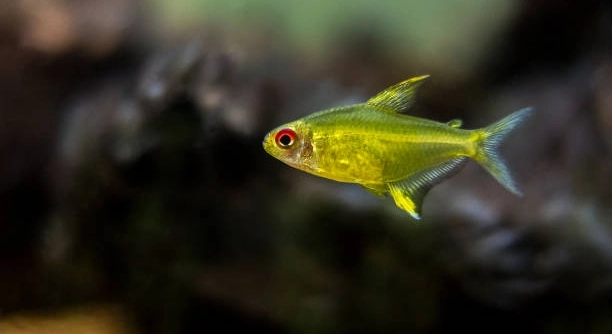
Lemon tetras are known for their bright color and peaceful nature, but sometimes they act aggressively toward their tankmates. Observing these shifts in behavior can be surprising for even experienced aquarists and may cause concern about tank harmony.
Lemon tetra aggression toward tankmates typically arises from environmental stress, overcrowding, improper water conditions, or competition for food and territory. Understanding these factors is essential to maintain a stable and peaceful aquarium ecosystem.
Identifying the causes behind aggressive behavior will help you manage your tank more effectively and keep all fish healthy and content.
Overcrowding in the Tank
When a lemon tetra tank becomes overcrowded, stress levels rise quickly among the fish. Too many fish in a small space can lead to constant competition for swimming areas, hiding spots, and oxygen. This stress often triggers aggressive behavior that seems out of character for these generally peaceful fish. Overcrowding also makes it difficult for dominant fish to establish territories, which can escalate chasing, nipping, and bullying. Many aquarists don’t realize how fast a tank can feel crowded. Even a few extra fish can change the dynamics completely. Monitoring the number of fish in relation to tank size is essential. Providing enough plants, decorations, and open swimming space helps reduce stress and keeps aggression to a minimum. Fish in a well-balanced environment are calmer and more likely to coexist peacefully. Paying attention to stocking levels can prevent problems before they start.
Keeping your tank within proper stocking limits is the most effective way to reduce aggression and maintain a peaceful community.
Adjusting the number of tankmates can dramatically improve harmony. By providing enough space, you reduce conflict and stress.
Water Quality Issues
Dirty or unstable water can make lemon tetras irritable and aggressive. Poor water conditions disrupt their natural behavior and immune response, which can cause sudden outbursts toward other fish.
Maintaining consistent water quality is essential for keeping lemon tetras calm and healthy. Regular testing, water changes, and proper filtration all play a role in preventing aggression and ensuring the tank environment is balanced and safe for every fish in it.
Territorial Behavior
Lemon tetras may become territorial, especially during breeding or when establishing dominance. They can chase or nip at other fish that enter their perceived space, leading to tension and aggression in the tank.
Territorial disputes often happen around hiding spots, plants, or decorations where fish feel secure. Lemon tetras establish small areas they claim as their own, and intrusions can trigger aggressive actions. Even minor disturbances can lead to nipping or chasing, especially in smaller tanks where space is limited. Ensuring plenty of hiding places and visual barriers can reduce these confrontations. Observing the fish closely allows you to notice which individuals are more dominant and manage their interactions before stress levels rise further.
Aggression due to territory is often more pronounced when new fish are introduced. Gradually acclimating newcomers and rearranging tank decorations can disrupt established territories and reduce conflicts, helping the community coexist more peacefully over time.
Stress from Incompatible Tankmates
Stress often increases when lemon tetras are housed with more aggressive or larger fish that intimidate them. Constant pressure can make them defensive and more likely to lash out.
Incompatible tankmates create an environment where lemon tetras feel threatened. Large or overly boisterous fish can chase, corner, or compete aggressively for food. This persistent stress changes normal behavior, resulting in nipping, chasing, or sudden bursts of aggression toward even smaller, peaceful species. Providing a community with similarly sized and non-aggressive fish helps maintain a balanced tank atmosphere. Observing interactions and separating incompatible fish is sometimes necessary to prevent injury and reduce tension.
Long-term exposure to stress affects both health and behavior. Fish under constant threat may become withdrawn or, conversely, overly aggressive, attempting to defend themselves. Adjusting tankmates, offering hiding spaces, and maintaining calm water conditions are essential strategies for minimizing these aggressive encounters.
Lack of Hiding Spots
Without enough plants or decorations, lemon tetras feel exposed and stressed. This vulnerability often leads to chasing or nipping as they try to establish some control over their environment.
Providing caves, plants, and other hiding areas allows fish to retreat when threatened, reducing aggression and creating a calmer tank atmosphere.
Feeding Competition
Aggression can increase when food is limited or unevenly distributed. Lemon tetras may chase or nip at tankmates to secure their share, especially during mealtime.
Ensuring multiple feeding spots and evenly distributing food prevents dominant fish from monopolizing resources. Feeding smaller amounts more frequently helps reduce stress and aggressive behavior, allowing all fish to eat comfortably.
Breeding Hormones
During breeding, male lemon tetras become more territorial and assertive. Hormonal changes can trigger chasing, nipping, and other aggressive behaviors.
Separating breeding pairs or adding extra space and hiding spots can minimize conflicts. Understanding these natural hormonal influences helps maintain peace and reduces stress for both the breeding fish and their tankmates.
Why are my lemon tetras suddenly chasing each other?
Aggression among lemon tetras often arises from stress or environmental changes. Sudden chasing can happen if the tank is overcrowded, water conditions are unstable, or new decorations or fish disrupt established territories. Observing when and where the chasing occurs can help identify the cause and allow for adjustments to reduce tension.
Can water temperature affect their behavior?
Yes, lemon tetras are sensitive to temperature fluctuations. Water that is too warm or too cold can increase stress, making them irritable and more prone to aggression. Maintaining a stable temperature within their preferred range, around 72–78°F (22–26°C), supports calm and consistent behavior.
Is tank size really important for aggression?
Tank size plays a crucial role in behavior. Smaller tanks limit swimming space and increase competition for territory, hiding spots, and food. A properly sized tank gives lemon tetras room to move freely and reduces conflicts, helping maintain a peaceful community.
Do lemon tetras need specific tankmates to stay calm?
Yes, choosing compatible tankmates is essential. Lemon tetras do best with other small, peaceful species. Larger, aggressive, or overly boisterous fish can intimidate them, causing stress and triggering defensive aggression. Observing fish interactions and separating incompatible species helps maintain harmony.
Can lack of hiding spots increase aggression?
Absolutely. Without enough plants, caves, or decorations, lemon tetras feel exposed. They may chase or nip at tankmates to claim territory. Adding visual barriers and hiding places allows fish to retreat when threatened, reducing stress and aggressive interactions.
Does feeding routine affect aggression?
Feeding routines significantly influence behavior. Uneven food distribution or competition for limited portions can cause chasing and nipping. Using multiple feeding spots, offering smaller frequent meals, and ensuring all fish get their share reduces stress and aggressive tendencies during mealtime.
Will breeding behavior make them aggressive?
Breeding increases territorial behavior, especially in males. Hormonal changes can trigger chasing, nipping, and defense of specific areas. Providing extra space, hiding spots, or temporary separation during breeding periods can minimize aggression and protect both the breeding fish and their tankmates.
How can I tell if aggression is due to stress or dominance?
Stress-induced aggression often appears suddenly and may involve all fish in response to environmental changes. Dominance aggression is usually more predictable, with specific fish repeatedly chasing or bullying others. Tracking patterns and observing interactions can help determine the cause and guide corrective measures.
Can rearranging the tank help reduce aggression?
Rearranging plants, decorations, or rocks can disrupt established territories and reduce conflicts. It forces dominant fish to adjust to new boundaries, often lowering aggression. Doing this carefully and gradually prevents additional stress while promoting a more balanced social structure among tankmates.
Should I remove aggressive fish from the tank?
In some cases, removing or isolating aggressive individuals is necessary. Persistent bullying can injure other fish and disrupt the community. Temporary separation or permanent relocation helps restore harmony, giving all fish a chance to thrive in a calmer environment.
Does water quality affect aggression long-term?
Consistently poor water quality increases stress and can make lemon tetras more irritable over time. Regular water changes, testing for ammonia, nitrite, and nitrate levels, and maintaining proper filtration are critical for keeping aggression low and ensuring long-term health.
Are there signs of injury from aggression I should watch for?
Look for torn fins, missing scales, or scratches, which indicate bullying. Early detection allows you to intervene before injuries worsen. Providing hiding spots, adjusting tankmates, or isolating aggressive fish can prevent further harm and maintain a safer environment for all fish.
Can group size of lemon tetras affect aggression?
Yes, keeping lemon tetras in small groups can increase stress and aggression, as they feel less secure. A larger group allows natural schooling behavior, reducing stress and dispersing aggression. Maintaining at least six individuals helps create a calmer and more stable social dynamic.
Is there a way to calm aggressive lemon tetras without separating them?
Providing extra plants, decorations, and multiple feeding areas can reduce aggression without removing fish. Ensuring stable water conditions, maintaining proper temperature, and observing interactions to adjust group dynamics are effective methods to calm fish and promote peaceful coexistence.
Does sudden introduction of new fish trigger aggression?
Yes, new fish disrupt established hierarchies and territories, often causing chasing or nipping. Gradual acclimation, rearranging decorations, and monitoring interactions help reduce initial stress and allow lemon tetras to accept newcomers with minimal aggression.
Can light and day-night cycles affect aggression?
Inconsistent lighting or sudden changes can stress lemon tetras, making them more prone to aggression. Maintaining a regular day-night cycle and avoiding abrupt bright lights helps keep their behavior calm and predictable, supporting a peaceful tank environment.
How often should I monitor my tank for aggression?
Regular observation is key. Watching fish daily allows you to notice early signs of chasing, nipping, or stress. Quick intervention through adjustments in environment, feeding, or tankmates prevents aggression from escalating and ensures all fish remain healthy and comfortable.
Are there any long-term consequences of unchecked aggression?
Persistent aggression can lead to injuries, chronic stress, and weakened immune systems. Fish may become withdrawn, fail to feed properly, or develop health problems. Addressing aggression promptly preserves both physical and mental well-being, promoting a stable and thriving community.
Can water parameters like pH or hardness trigger aggression?
Yes, lemon tetras prefer slightly acidic to neutral water and soft to moderately hard conditions. Deviations from preferred pH or hardness levels can stress fish and increase irritability, leading to chasing, nipping, or other aggressive behaviors. Regular monitoring ensures a stable environment conducive to calm interactions.
What is the best overall strategy to minimize aggression?
A combination of proper tank size, compatible tankmates, hiding spots, stable water conditions, and consistent feeding routines is essential. Observing behavior, gradually introducing changes, and addressing stressors promptly helps maintain a peaceful and healthy aquarium where lemon tetras can thrive without conflict.
Lemon tetras are generally peaceful and colorful fish that bring life to any community tank, but they are not immune to occasional aggression. Understanding the reasons behind this behavior is important for anyone keeping them. Aggression usually occurs because of stress, environmental issues, or social dynamics within the tank. Factors like overcrowding, poor water quality, territorial disputes, or incompatible tankmates can all trigger chasing, nipping, or more subtle forms of irritation. Recognizing these causes early allows aquarists to address problems before they escalate, keeping all fish healthier and calmer. Paying attention to behavior patterns and interactions helps maintain a balanced environment and ensures that lemon tetras display their natural schooling and peaceful tendencies most of the time.
Creating a suitable environment for lemon tetras involves more than just selecting the right tank size. Providing enough space to swim freely, along with plants, decorations, and hiding spots, allows fish to retreat when they feel threatened. Overcrowding can be stressful and lead to constant conflict, so maintaining proper stocking levels is essential. Equally important is maintaining stable water conditions. Consistent temperature, pH, and hardness, along with regular water changes, help reduce stress, which in turn reduces aggressive behavior. Even simple adjustments like spreading food across multiple feeding areas or rearranging decorations to break up territories can make a noticeable difference in reducing conflict and supporting overall tank harmony.
Finally, understanding social dynamics among lemon tetras can make caring for them much easier. These fish have natural hierarchies, and observing interactions can reveal which individuals are more dominant or stressed. Gradually introducing new fish, avoiding overly aggressive species, and monitoring behavior during breeding periods can all prevent problems from developing. Aggression is often a sign of stress or imbalance rather than a permanent trait, so addressing environmental and social factors usually resolves the issue. With careful observation and proper tank management, lemon tetras can coexist peacefully, thrive, and continue to brighten the aquarium with their lively colors and schooling behavior, providing a calm and enjoyable experience for both the fish and the aquarist.

Hello,
If you enjoy the content that we create, please consider saying a "Thank You!" by leaving a tip.
Every little bit helps us continue crafting quality advice that supports the health, happiness, and well-being of pets around the world, for pets of all shapes, sizes, and species.
We really appreciate the kindness and support that you show us!