
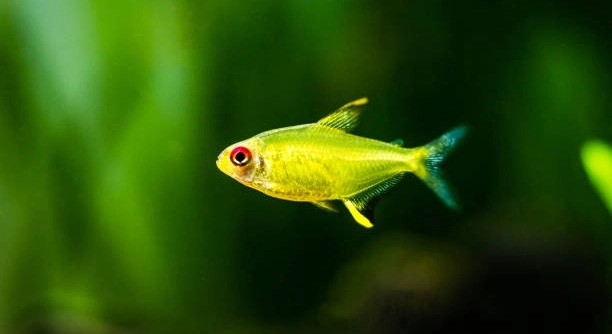
Lemon tetras are small, vibrant fish that bring life to any freshwater tank. Observing their playful movements and colorful patterns can be rewarding, yet many owners wonder if their environment may eventually become monotonous for them.
Lemon tetras can exhibit signs of boredom when kept in a static tank setup. A lack of environmental enrichment, limited hiding spaces, and repetitive surroundings can reduce stimulation, affecting both their activity levels and overall well-being in captivity.
Adjusting tank elements and providing new stimuli can help maintain their natural behavior and promote a healthier, more engaging environment for these lively fish.
Signs Your Lemon Tetra Might Be Bored
Lemon tetras are active fish, and their behavior can reveal a lot about their comfort level. When they swim in repetitive patterns, hide excessively, or show reduced interaction with tank mates, boredom could be a factor. They thrive when the environment provides variety. Plants, driftwood, and rocks can create hiding spots and areas for exploration, keeping their curiosity alive. Even minor changes, like rearranging decorations or adding floating plants, can make a noticeable difference. Some tetras may linger near the surface or bottom, appearing listless, which can signal a lack of stimulation. Observing their daily routines helps identify subtle shifts in energy. Providing tunnels, small caves, and open swimming areas encourages natural schooling behavior. Consistent feeding schedules and occasional changes in food type or presentation also contribute to mental stimulation. These adjustments not only prevent boredom but also enhance their overall health, keeping them vibrant and active.
Boredom in lemon tetras can also lead to stress, which weakens their immune system. Minor changes prevent this decline.
Even slight variations in the tank layout can reinvigorate their environment. By adding plants or rearranging décor, the fish explore and engage more. Social interaction with other tetras also maintains their natural schooling behavior, promoting healthier activity levels. Observing their responses helps determine what adjustments work best, creating a balanced, stimulating habitat.
Ways to Enrich a Lemon Tetra Tank
Introducing new elements gradually keeps the environment interesting without overwhelming the fish. Small plants, smooth rocks, and varied textures create areas to explore and hide, replicating natural conditions.
Rotation of décor and additions like floating plants or driftwood encourages exploration. Lemon tetras benefit from alternating open swimming spaces and covered areas. Varying food types—flakes, micro pellets, or occasional live foods—keeps feeding engaging. Observing their responses allows adjustments for maximum stimulation. Careful attention to water quality and temperature ensures comfort alongside enrichment. Enrichment also reduces aggressive behaviors, especially in small groups, by giving each fish space and options for exploration. Social enrichment is equally important; lemon tetras thrive in schools of at least six. Smaller groups may appear listless or overly shy. By providing a mix of physical, social, and dietary changes, the tank environment becomes dynamic. These measures maintain activity levels, reduce stress, and support overall health. Over time, a well-enriched tank fosters natural behaviors, keeping lemon tetras lively and content, creating a visually appealing and biologically balanced aquarium.
Common Tank Mistakes That Reduce Stimulation
Overcrowding or keeping too few tetras can limit natural behaviors. Minimal décor and stagnant water conditions reduce exploration and activity, leaving fish uninterested. Poor lighting or lack of plants also contributes to an unstimulating environment.
Neglecting environmental variety is a frequent mistake. Lemon tetras need areas to swim freely and spaces to hide. A bare tank with uniform substrate and decorations fails to engage them. Constantly keeping the same layout without rotation leads to predictable surroundings, which diminishes curiosity. Uneven lighting, lack of floating plants, and absence of different textures further limit interaction. Regularly changing elements supports mental stimulation and encourages healthy movement patterns. Additionally, ignoring water flow or filtration adjustments may leave some areas stagnant, which can frustrate naturally active fish. Adjustments should be gradual to avoid stress while enhancing engagement.
Another common issue is inconsistent feeding routines. Repeating the same food type daily can make mealtimes predictable and uninteresting. Offering occasional variety like micro pellets, frozen, or live food keeps them curious and encourages foraging behaviors. Monitoring their response helps identify preferences and ensures a more dynamic, enjoyable tank environment for each tetra. Maintaining a balance between exploration, social interaction, and feeding enrichment improves overall health and prevents signs of boredom.
How Social Behavior Impacts Boredom
Lemon tetras are schooling fish, and their social structure directly affects activity levels. Small or isolated groups often appear lethargic or anxious, while adequate group sizes encourage interaction.
Group dynamics influence stimulation and mental well-being. Lemon tetras thrive in schools of six or more, which allows for coordinated swimming and social interaction. Isolated fish may display repetitive movements or hide frequently, indicating stress or lack of engagement. Observing schooling patterns helps identify whether group size or tank layout needs adjustment. Introducing new members should be done gradually to maintain harmony and reduce conflict. Social enrichment works alongside physical environment changes, such as varied decorations and plant placement, to maintain interest. Consistent monitoring of interactions ensures all fish have adequate space and opportunity for engagement, reinforcing natural behaviors. Creating a balanced social environment, combined with environmental enrichment, encourages curiosity, reduces stress, and promotes active, healthy tetras.
Tank Layout Adjustments
Rearranging decorations periodically encourages exploration and reduces monotony. Even small changes, like moving plants or adding new rocks, can stimulate curiosity and activity in lemon tetras.
Open swimming areas paired with hiding spots maintain balance. Fish can school freely while still having places to retreat, keeping their behavior natural and lively.
Lighting and Water Flow Considerations
Proper lighting enhances colors and activity levels. A combination of natural and artificial light helps simulate day-night cycles, supporting normal behavior. Gentle water flow encourages swimming and exploration without stressing the fish, maintaining engagement in the tank environment.
Feeding Techniques for Stimulation
Varying food type and presentation keeps mealtimes interesting. Rotating flakes, micro pellets, and occasional live foods promotes natural foraging behavior and prevents boredom.
Monitoring Behavior Changes
Tracking activity and interactions allows timely adjustments. Noticing reduced movement or repetitive swimming patterns helps identify when environmental or social changes are needed.
How can I tell if my lemon tetra is bored?
Signs of boredom in lemon tetras include repetitive swimming patterns, hiding excessively, or showing reduced interaction with other fish. A normally active tetra may linger in one area or appear listless. Lack of curiosity toward new decorations or changes in the tank also indicates insufficient stimulation. Observing their daily routines can reveal subtle behavior shifts that suggest boredom.
What tank changes help prevent boredom?
Regularly rearranging decorations, adding plants, and creating hiding spots encourages exploration. Introducing driftwood, smooth rocks, and floating plants provides varied textures and areas to investigate. Small layout changes every few weeks keep their environment dynamic. Even minor adjustments, like moving a plant or rock, can maintain interest.
Does tank size affect boredom?
Yes, lemon tetras need space to swim freely and school naturally. Overcrowding reduces movement and creates stress, while too small a group can lead to lethargy and lack of social stimulation. Providing a minimum tank size of 20 gallons for a small school is recommended to encourage natural behavior.
How important is social interaction for stimulation?
Lemon tetras are schooling fish, and social interaction is essential. Groups of six or more allow natural schooling behavior, coordinated swimming, and mutual engagement. Small or isolated groups may appear anxious or inactive. Observing interactions helps determine if adjustments in group size or tank layout are needed to maintain mental stimulation.
Can food variety help reduce boredom?
Yes, offering a mix of flakes, micro pellets, frozen, or live foods keeps feeding interesting. Presenting food in different locations or letting them forage encourages natural behaviors. Regular rotation prevents predictability and supports mental engagement, ensuring feeding is a stimulating part of their daily routine.
Are plants and decorations necessary for stimulation?
Absolutely. Live or artificial plants, rocks, and driftwood create hiding places, swimming routes, and exploration areas. These additions replicate natural habitats and encourage curiosity. Open areas combined with hiding spots allow tetras to engage in both schooling and solitary behaviors, supporting their overall well-being.
How often should I rearrange the tank?
Rearranging the tank every few weeks is sufficient. Changes should be gradual to avoid stress while maintaining interest. Simple adjustments, like moving a plant, adding new décor, or rotating hiding spots, can have a significant impact on activity levels and prevent monotony.
Can lighting affect their behavior?
Yes, lighting is important for activity and stimulation. A combination of natural and artificial light helps simulate day-night cycles. Proper lighting highlights their colors and encourages exploration. Gentle changes in light intensity or direction can also engage curiosity without causing stress.
What role does water flow play in stimulation?
Gentle water flow encourages swimming and exploration. Areas with moderate currents mimic natural conditions, promoting activity. Stagnant water or overly strong currents can either reduce engagement or cause stress. Proper flow ensures that tetras have a dynamic environment while maintaining comfort.
How do I monitor if my changes are effective?
Observe their swimming patterns, schooling behavior, and interaction with tank elements. Increased activity, curiosity toward new decorations, and regular schooling indicate successful adjustments. Tracking behavior over time ensures the environment continues to meet their physical and mental needs, supporting long-term health.
Are there signs that environmental changes are stressing the fish?
Yes. Signs of stress include hiding constantly, erratic swimming, loss of appetite, or aggression toward tank mates. Any new décor or layout adjustments should be introduced slowly. Monitoring their responses allows fine-tuning, ensuring changes stimulate without causing undue stress.
Can lemon tetras adapt to a static tank setup?
They can survive in an unchanging environment, but prolonged monotony may reduce activity and overall well-being. While they might not appear visibly distressed, subtle behavioral changes like decreased schooling or repetitive swimming indicate boredom. Environmental enrichment supports natural behaviors and maintains health.
How can I balance enrichment without overwhelming them?
Introduce changes gradually and observe responses. Combine physical elements, social interaction, and feeding variety. Avoid sudden or drastic rearrangements. Ensuring a mix of open swimming areas, hiding spots, and interactive feeding keeps tetras engaged without causing stress or confusion.
Is there a minimum group size to prevent boredom?
Yes, a school of at least six lemon tetras is ideal. Smaller groups may exhibit lethargy or anxiety. Larger groups encourage natural schooling, mutual interaction, and healthy activity levels. Proper tank size and space per fish complement social stimulation, reducing signs of boredom.
Can enrichment improve health as well as behavior?
Yes, mental and physical stimulation promote overall well-being. Active, engaged fish tend to have stronger immune systems and lower stress levels. Providing varied environments, social interaction, and feeding challenges enhances both behavior and health, leading to longer, more vibrant lives.
How do I know when a tank change is necessary?
Repeated observations of reduced activity, hiding, or repetitive movements indicate a need for adjustments. Monitoring responses to minor changes helps determine whether more significant modifications are required to maintain engagement and natural behaviors.
Are artificial plants as effective as live plants?
Artificial plants can provide hiding spaces and areas for exploration, but live plants offer additional benefits like water filtration and oxygenation. A combination of both can create a stimulating environment while supporting water quality and fish health.
What other enrichment techniques can I use?
Small caves, tunnels, floating plants, and varied substrate textures encourage exploration. Periodic rearrangement and introducing different food presentation methods maintain curiosity. Observing reactions to these changes helps tailor the environment to the fish’s preferences.
How often should feeding routines change?
Feeding routines can be varied weekly or biweekly. Alternating food type, location, and method ensures tetras remain mentally engaged and physically active. Overly predictable schedules may reduce stimulation and lead to boredom.
What is the impact of a completely static tank over time?
A static tank may lead to reduced activity, stress, and subtle behavioral changes. Fish might swim in repetitive patterns, hide more, or lose interest in social interactions. Regular environmental enrichment is crucial to maintain natural behavior and prevent monotony.
Can rearranging the tank too often be harmful?
Yes, excessive changes can stress lemon tetras. Gradual, measured adjustments are key. Observing their reactions ensures that new elements stimulate curiosity without overwhelming them or disrupting social dynamics.
How can I combine social and environmental enrichment effectively?
Providing adequate group size, varied decorations, hiding spots, and open swimming areas together creates a balanced environment. Combined with varied feeding and proper lighting, this approach encourages natural behaviors, reduces stress, and keeps lemon tetras active and engaged.
Are there signs that my enrichment is successful?
Active swimming, coordinated schooling, curiosity toward new elements, and regular foraging behavior indicate effective enrichment. Reduced repetitive movements and increased engagement with surroundings confirm the environment meets both physical and mental needs.
What is the most important takeaway for preventing boredom?
Balanced environmental, social, and feeding enrichment is essential. Gradual changes, adequate group sizes, and varied stimulation ensure lemon tetras remain healthy, active, and engaged, preventing monotony and promoting natural behaviors over time.
Final Thoughts
Lemon tetras are small, lively fish that rely on their environment for stimulation. A tank that lacks variation or has minimal décor can reduce their natural curiosity and activity. Observing behavior closely helps identify signs of boredom, such as repetitive swimming, hiding, or reduced interaction with other fish. These subtle changes often go unnoticed at first, but they can affect overall health and well-being if left unaddressed. Regular monitoring allows for timely adjustments, ensuring that the fish remain engaged and active. Small changes in layout, such as moving plants or adding rocks and caves, can have a noticeable impact. Providing open swimming areas alongside hiding spots supports both social and solitary behaviors, keeping tetras comfortable and confident in their surroundings. Even minor alterations in lighting or water flow can enhance stimulation, encouraging exploration and preventing monotony.
Environmental enrichment plays a key role in maintaining lemon tetras’ natural behavior. Incorporating a mix of live or artificial plants, driftwood, and varied substrate textures gives the fish areas to explore and retreat. This variety replicates aspects of their natural habitat and encourages curiosity. Changing decorations gradually over time keeps the tank interesting without overwhelming the fish. Social factors are equally important. Lemon tetras are schooling fish and thrive in groups of at least six. Smaller or isolated groups may become lethargic, stressed, or disinterested. Observing schooling patterns and interactions allows for adjustments in group size or tank layout to maintain proper engagement. Feeding routines can also contribute to stimulation. Offering a mix of flakes, pellets, and occasional live or frozen foods encourages natural foraging behaviors. Changing feeding locations or presentation methods adds variety, making mealtimes more engaging while supporting mental and physical health.
Maintaining a balance between environmental, social, and feeding enrichment ensures that lemon tetras remain active and healthy. Gradual adjustments in tank layout, decorations, lighting, and water flow help prevent boredom without causing stress. Regular observation of swimming patterns, social interactions, and responses to new elements allows for fine-tuning the tank environment. A well-planned tank setup supports natural behaviors such as schooling, hiding, and exploring, while promoting long-term health and reducing signs of stress. By combining social interaction, diverse décor, and varied feeding techniques, the aquarium becomes a dynamic, stimulating space where lemon tetras can thrive. These measures ensure that the fish remain engaged, active, and visually vibrant, reflecting both their natural instincts and overall well-being. With thoughtful planning and attention, a lemon tetra tank can remain lively, interesting, and healthy for years, supporting the happiness and vitality of these colorful, active fish.

Hello,
If you enjoy the content that we create, please consider saying a "Thank You!" by leaving a tip.
Every little bit helps us continue crafting quality advice that supports the health, happiness, and well-being of pets around the world, for pets of all shapes, sizes, and species.
We really appreciate the kindness and support that you show us!