
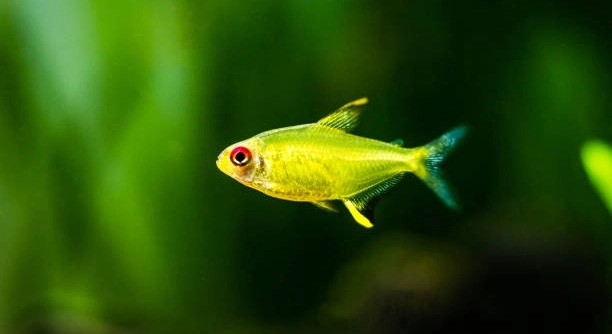
Do your lemon tetras swim in circles and explore every corner of their tank with curiosity? These small, bright fish are sensitive to their environment, and even subtle changes in their surroundings can catch their attention.
Lemon tetras are capable of recognizing alterations in their tank environment. Changes in layout, lighting, or water conditions can influence their behavior, as they are responsive to visual and environmental cues that affect their routine and stress levels.
Observing how these fish react to shifts in their habitat can help maintain a stable and comfortable environment, ensuring their long-term health and well-being.
How Lemon Tetras Notice Tank Changes
Lemon tetras are naturally observant fish. They pay attention to the arrangement of plants, rocks, and decorations in their tank. Even small shifts can make them swim differently or hide more often. Their eyes are adapted to detect movement and changes in light, so rearranging their tank can cause immediate reactions. They also respond to water quality, temperature, and flow changes. When water parameters fluctuate, they may become less active or show signs of stress. Observing these behaviors helps understand their comfort level. They form simple patterns in their daily routines, such as where they rest or school. Altering the tank can disrupt these routines, causing them to explore more or seek safe spots. Being consistent with tank conditions and slowly introducing changes can reduce stress. Lemon tetras are resilient but sensitive, and noticing their reactions ensures a calmer, healthier environment for them.
Gradual adjustments in tank layout prevent sudden stress. Fish adapt faster when changes are introduced slowly and carefully monitored.
Maintaining a predictable environment is essential for lemon tetras. They learn to recognize landmarks and develop a sense of security in specific areas of the tank. Sudden alterations, like moving decorations or changing water flow, can temporarily disorient them. Providing stable lighting and keeping water conditions consistent minimizes stress and helps maintain normal behavior patterns. Observing their schooling behavior offers insights into their comfort levels, as changes can affect cohesion and movement. Even minor adjustments in feeding locations or plant placement can influence their swimming routes. Understanding how these fish perceive their environment allows for informed decisions when making changes. By noting reactions to each modification, owners can ensure adjustments support rather than hinder their fish’s well-being. Attention to detail in tank management fosters a calm atmosphere, encouraging natural behavior and long-term health.
Signs Your Lemon Tetras Are Affected
Behavioral changes indicate stress or discomfort. Fish may hide, swim erratically, or avoid usual resting spots.
Lemon tetras communicate stress through body language. Rapid gill movement, clamped fins, or sudden darting are signs of anxiety. Environmental factors, including temperature shifts or strong currents, amplify these reactions. By closely watching feeding responses, swimming patterns, and schooling behavior, you can determine whether your fish feel safe. Consistent monitoring helps detect subtle signs early, allowing for timely adjustments. Stable conditions encourage natural activity and social interaction. Maintaining a clean, predictable environment reduces stress and promotes healthy growth. Understanding these signs ensures a balanced habitat and prevents long-term health issues.
Observing your tetras regularly allows you to notice even subtle reactions to changes in their habitat. Consistent water parameters, familiar decorations, and stable lighting keep their routines intact. If they suddenly avoid favorite areas or alter their swimming patterns, it often signals environmental stress. Recognizing these cues early gives you the chance to correct conditions, such as adjusting water flow or rearranging plants gradually. Supporting their comfort through careful observation fosters natural behavior, including schooling and feeding. Over time, tetras can adapt to minor adjustments if introduced progressively. Maintaining a stable environment builds trust in their habitat, leading to a calmer, healthier fish population. Watching these behaviors provides insight into their needs, ensuring they remain active, vibrant, and responsive. Observing and responding promptly helps maintain a balanced and thriving aquarium ecosystem.
Adapting to New Tank Layouts
Fish take time to adjust when decorations or plants are moved. Lemon tetras may initially hide or swim cautiously around new objects. Gradual changes reduce stress and help them explore the new layout comfortably.
Introducing new decorations slowly allows lemon tetras to map their surroundings. They rely on visual cues to navigate and feel secure. Sudden rearrangements can disrupt their routines, causing them to avoid areas they previously frequented. Placing new items in stages, rather than all at once, gives them the opportunity to adjust while maintaining a sense of familiarity. Monitoring their swimming patterns helps identify areas causing hesitation or stress. Over time, they will incorporate the new layout into their daily routines. Consistency in feeding locations and lighting further supports their adaptation, reducing anxiety and promoting natural schooling behavior.
When plants or rocks are added or relocated, lemon tetras explore carefully at first. They often return to familiar spots for comfort while learning the new layout. Avoiding abrupt changes preserves their confidence, and watching their reactions informs how quickly adjustments can continue. Their behavior reflects the tank’s safety, and respecting their adaptation pace ensures they remain active, social, and healthy. Gradual integration of changes strengthens their sense of security, encouraging natural interaction and maintaining overall well-being in the aquarium environment.
Monitoring Water Conditions
Stable water parameters are essential for lemon tetras’ health. Fluctuations in temperature, pH, or hardness can trigger stress behaviors like hiding or erratic swimming.
Regular water testing provides critical insights into your tank’s stability. Lemon tetras thrive in consistent conditions with minimal variation in temperature and pH. Sudden shifts can affect their metabolism, appetite, and social interactions. Using reliable equipment for monitoring, such as thermometers and test kits, ensures early detection of changes. Partial water changes and proper filtration help maintain balance. Observing their behavior alongside water parameters allows timely adjustments. By keeping water conditions predictable, you support normal activity, schooling, and overall vitality in your fish population, minimizing stress and promoting long-term health.
Even minor water changes can affect behavior if not done gradually. Lemon tetras are sensitive to chemical shifts and temperature swings. Introducing fresh water slowly and matching parameters helps avoid sudden stress. Watching for changes in swimming patterns or feeding response provides feedback on their comfort level. Maintaining consistent water quality fosters stability, encourages natural behavior, and supports their immune system. A careful approach ensures the tank remains a safe, healthy environment. Monitoring consistently allows you to catch potential issues early, giving lemon tetras the best conditions to thrive and stay vibrant.
Recognizing Familiar Landmarks
Lemon tetras quickly learn the layout of their tank. They identify plants, rocks, and hiding spots, which helps them feel secure and navigate efficiently.
They rely on these landmarks to establish routines. Changes to familiar objects can make them cautious, but they usually adapt over time with gradual adjustments.
Impact of Lighting Changes
Lighting influences lemon tetras’ activity and mood. Sudden shifts from bright to dim or vice versa can cause temporary stress. They adjust best when changes are implemented gradually, allowing their eyes and routines to acclimate without disrupting schooling or feeding behavior.
Feeding Behavior Adjustments
Changes in tank conditions often reflect in feeding patterns. Lemon tetras may become hesitant or eat less when water parameters, layout, or lighting are altered. Monitoring these changes helps maintain proper nutrition and ensures they remain healthy and active.
FAQ
Do lemon tetras notice when decorations are moved?
Yes, lemon tetras are very observant. They use visual landmarks to navigate their tank, so moving plants, rocks, or other decorations can cause hesitation or cautious swimming. Gradual changes are less stressful, allowing them to explore new arrangements while keeping familiar reference points for comfort.
How quickly do they adapt to tank changes?
Adaptation speed depends on the type and extent of the change. Minor adjustments, like moving a single plant, may be noticed but are often accepted within a few hours or days. Larger changes, such as relocating multiple decorations or altering water flow, can take several days or even weeks for them to fully adjust.
Will lighting changes affect their behavior?
Lighting has a direct impact on lemon tetras’ activity and mood. Sudden bright or dim lighting can make them hide or swim erratically. Gradual shifts in light intensity or duration are better. Maintaining a consistent day-night cycle helps them establish routines and reduces stress.
Do water parameter changes stress them?
Yes, lemon tetras are sensitive to temperature, pH, and hardness fluctuations. Even slight changes can cause hiding, clamped fins, or decreased activity. Regular testing and maintaining stable conditions are key. Slow water changes and careful adjustment of chemical levels allow them to remain healthy and comfortable.
How do they react to new tankmates?
Introducing new fish can temporarily stress lemon tetras, especially if the newcomers are more aggressive or brightly colored. They may hide or school more tightly. Gradual introductions, using a divider initially, help reduce anxiety and allow both species to observe each other safely before full interaction.
Can they recognize feeding routines?
Yes, lemon tetras quickly learn feeding schedules and locations. They associate certain areas with food and may gather there when it’s time to eat. Changes in feeding location or timing can cause confusion, so maintaining consistency helps reinforce routine behavior and reduces stress.
Do tank size changes matter?
Expanding or reducing tank size impacts their comfort and movement. Larger tanks offer more exploration space but require time to recognize new boundaries. Smaller tanks can create stress if they feel crowded. Gradual introduction to new space or rearrangement of interior elements eases the transition.
Are lemon tetras affected by water movement changes?
Strong currents or altered flow patterns can disrupt normal swimming and schooling behavior. They prefer gentle, consistent movement in the water. Introducing new pumps or filters gradually, and monitoring their response, allows them to adjust without excessive stress.
Do they respond to human presence during changes?
Lemon tetras notice movement outside the tank, especially when conditions inside are altered. While they may appear nervous initially, calm and slow actions around the tank help them feel secure. Avoid sudden movements during cleaning or rearranging to reduce stress.
What is the best way to introduce changes to their tank?
Introduce any environmental or structural changes slowly. Rearrange one object at a time, adjust lighting gradually, and monitor water conditions. This approach allows lemon tetras to maintain their routines, recognize landmarks, and adapt without excessive stress, ensuring their behavior and health remain stable.
Can stress from changes affect their health long-term?
Repeated or sudden changes can lead to chronic stress, making them more prone to illness, reduced appetite, or abnormal behavior. Maintaining stable conditions, observing reactions, and gradually implementing changes helps support long-term health and vibrant activity in the tank.
How do they communicate discomfort?
Behavioral cues such as clamped fins, erratic swimming, hiding, or reduced schooling indicate discomfort. Paying attention to these signals allows timely adjustments to tank layout, water parameters, or lighting to prevent prolonged stress and support their well-being.
Do lemon tetras remember past tank layouts?
Yes, they can recognize familiar objects and locations. If a tank is restored to a previous arrangement, they often return to preferred spots quickly, showing that they retain memory of safe zones and landmarks within their environment.
Is it safe to make multiple changes at once?
It is not recommended. Multiple simultaneous changes increase stress and can lead to disorientation or illness. Gradual, monitored adjustments allow them to adapt comfortably, reducing the risk of negative reactions and supporting consistent, healthy behavior patterns.
How often should changes be made in their tank?
Changes should be infrequent and planned. Minor rearrangements or maintenance can be done periodically, but avoiding frequent disruptions helps them feel secure. Maintaining stability in water quality, lighting, and layout is key to encouraging normal behavior and reducing stress.
What signs indicate they have adapted successfully?
Normal schooling behavior, regular feeding, confident exploration, and reduced hiding indicate successful adaptation. Observing these positive behaviors confirms that adjustments have been accepted and the environment supports their comfort, health, and natural activity patterns.
Lemon tetras are small, active fish that respond strongly to changes in their tank environment. They rely on visual cues, familiar landmarks, and consistent water conditions to feel secure and navigate their surroundings. Even small adjustments in decoration, lighting, or water parameters can catch their attention and alter their behavior. They may hide more often, swim cautiously, or temporarily change their schooling patterns when something in their habitat is different from what they are used to. Paying attention to these reactions is important for maintaining a stable environment that supports their health and natural activity. Understanding how lemon tetras interact with their surroundings helps create a tank setup that balances both visual appeal and fish comfort. Observing their behavior closely can reveal when adjustments are necessary, and even minor changes, if introduced carefully, can be managed without causing long-term stress or health issues.
Maintaining stable water conditions is one of the most critical aspects of caring for lemon tetras. Fluctuations in temperature, pH, or water hardness can influence their behavior and stress levels. These fish are sensitive, so sudden changes in water chemistry can lead to hiding, erratic swimming, or a temporary decrease in appetite. Gradual adjustments, regular water testing, and consistent filtration practices help maintain an environment that supports their well-being. Alongside water conditions, lighting and tank layout play a role in their daily routine. Lemon tetras quickly learn their surroundings, and any changes in the placement of plants, rocks, or decorations can temporarily affect their sense of security. Introducing new items slowly and monitoring their reactions ensures they remain comfortable and active. Consistency across all aspects of the tank allows these fish to develop stable patterns and reduces the likelihood of stress-related behavior.
Behavioral observation is a useful tool for understanding how lemon tetras respond to changes. By watching their swimming patterns, feeding responses, and interactions with other tankmates, you can gauge how well they are adapting. Sudden hiding or clamping of fins indicates a need to reassess the environment, while confident exploration and regular schooling suggest they are comfortable. Gradual adjustments and careful planning help them acclimate to new tank elements without unnecessary stress. Over time, they learn to recognize familiar landmarks, feeding spots, and the overall layout, which supports long-term comfort and health. Providing a stable, predictable environment encourages natural behavior, active schooling, and a healthy appetite. Being attentive to these factors ensures that lemon tetras thrive, demonstrating their resilience and adaptability when changes are introduced thoughtfully. Maintaining this balance between care, observation, and stability creates an aquarium environment where lemon tetras can remain active, healthy, and secure.

Hello,
If you enjoy the content that we create, please consider saying a "Thank You!" by leaving a tip.
Every little bit helps us continue crafting quality advice that supports the health, happiness, and well-being of pets around the world, for pets of all shapes, sizes, and species.
We really appreciate the kindness and support that you show us!