
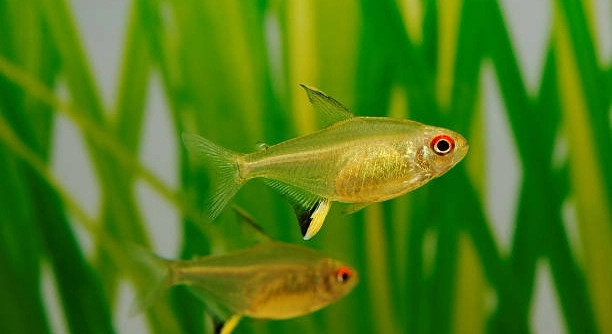
Have you ever wanted to introduce Lemon Tetra to a lush, planted tank without stressing them or the existing environment? These small, colorful fish can brighten any aquarium, but proper care during introduction is essential for their health and safety.
The most effective method for introducing Lemon Tetra to a planted tank involves acclimating them gradually. This process reduces stress and prevents sudden changes in water chemistry, ensuring their adaptation to temperature, pH levels, and the overall ecosystem of the planted environment.
Successfully adding new fish requires attention to detail and patience. Proper acclimation will help your Lemon Tetra thrive and harmonize with your planted tank.
Preparing Your Planted Tank
Before introducing Lemon Tetra, ensure your tank is stable and well-established. Plants should be healthy, providing hiding spots and natural cover. Check water parameters such as temperature, pH, and hardness, keeping them consistent with the tetra’s needs. Clean the substrate and remove any debris that may stress the new fish. A lightly filtered system is ideal, as strong currents can overwhelm small tetras. Gradually reduce lighting to mimic natural conditions, helping them feel secure. Arrange plants and decorations to create zones where the tetras can explore without being exposed. Avoid adding other new fish at the same time, as this increases stress. Test water quality for ammonia, nitrites, and nitrates to ensure a safe environment. Consider using a floating thermometer and pH monitor to keep conditions stable. A prepared tank allows Lemon Tetra to acclimate smoothly while reducing risk of disease or shock during introduction.
Proper preparation prevents unnecessary stress and encourages healthy adaptation. Taking these steps ensures the tank supports their needs.
Adding Lemon Tetra to a planted tank is more than simply placing them inside. Observe their behavior carefully during the first hours. Watch for signs of stress such as hiding excessively, clamped fins, or rapid breathing. Keep feeding minimal at first and introduce small portions of flake or micro-pellets. Monitor water quality daily, as new fish can slightly alter chemical balances. If the tetras seem hesitant to explore, provide additional floating plants for cover. Gradual light increases help them adjust naturally to the tank’s environment. Avoid sudden movements or tapping on the glass, which may startle them. Keep the tank quiet and limit handling during the initial days. This careful observation period allows the fish to establish themselves and feel secure. Regular maintenance, like water changes and plant trimming, will support their long-term health. Over time, the Lemon Tetra will adapt, schooling and exploring the tank confidently, blending seamlessly with the planted environment.
Acclimating Lemon Tetra
Acclimation is essential to reduce shock from new water conditions. Proper methods improve survival and overall health.
The best approach involves a drip acclimation or floating bag method over one to two hours. Begin by floating the sealed bag in the tank to equalize temperature. Slowly add small amounts of tank water to the bag every 10 to 15 minutes, gradually adjusting the tetras to the new water chemistry. Observe the fish closely during this process. Avoid rushing the introduction, as sudden changes in pH or temperature can cause stress or illness. Once acclimated, gently release the fish into the tank without pouring the bag water directly in. This step prevents contamination and maintains water quality. After release, maintain regular feeding schedules and monitor behavior for the next few days. Acclimation may seem tedious, but it ensures Lemon Tetra adjusts safely, reducing the risk of shock and supporting their long-term adaptation to the planted environment. Consistency and patience in this process lead to confident, healthy schooling fish that thrive alongside your plants and tank mates.
Feeding Lemon Tetra
Lemon Tetra eat small, high-quality foods. Offer flake, micro-pellets, and occasional live or frozen treats. Feed small portions twice daily to avoid overfeeding and maintain water quality. Variety helps keep them healthy and active.
A balanced diet is crucial for Lemon Tetra health. Flake foods provide essential nutrients, while micro-pellets support growth and schooling behavior. Introducing live or frozen foods, such as daphnia or brine shrimp, adds protein and encourages natural foraging instincts. Avoid overfeeding, as leftover food can decay and affect water quality. Monitor how much they consume, adjusting portions to ensure they eat everything within a few minutes. Consistent feeding schedules help maintain a stable environment and prevent stress. Healthy nutrition promotes vibrant colors, active swimming, and strong immunity.
Feeding should also align with tank dynamics. Observe interactions between tetras and other fish, ensuring all receive food. Spread small portions across the tank to reduce competition. Over time, they will learn feeding routines and explore the planted areas. Floating foods encourage natural surface feeding, while sinking options let them forage among plants. Maintaining feeding discipline and consistency supports their overall well-being and reinforces healthy behavior patterns in the planted tank environment.
Monitoring Water Quality
Regular testing of water is essential for Lemon Tetra survival. Check ammonia, nitrite, nitrate, pH, and temperature frequently to maintain stability. Small fluctuations can stress fish quickly.
Maintaining optimal water parameters requires daily or weekly testing depending on tank size and population. Lemon Tetra prefer slightly acidic to neutral pH, stable temperatures between 72-78°F, and minimal nitrite or ammonia. Frequent small water changes help keep nitrate levels low and support plant growth. Filter maintenance ensures efficient waste removal without disturbing beneficial bacteria. Observing water clarity and plant health provides additional clues about the tank’s condition. Sudden changes in water quality can lead to stress, disease, or loss of color in tetras.
Using reliable testing kits simplifies monitoring and helps track trends over time. Consistent maintenance prevents toxic build-up and creates a stable environment for Lemon Tetra. Avoid introducing chemicals unnecessarily, focusing on natural balance through partial water changes and proper feeding. Maintaining a planted tank with dense vegetation supports natural filtration and oxygenation, reducing stress on the fish. Clear records of water parameters allow early detection of potential problems and help adjust care routines. This proactive approach ensures Lemon Tetra remain healthy, vibrant, and active while coexisting harmoniously with plants and other tank mates.
Tank Mates for Lemon Tetra
Lemon Tetra are peaceful and do best with small, non-aggressive fish. Avoid large or territorial species. Ideal companions include other tetras, rasboras, and small Corydoras. Schooling behavior reduces stress and encourages natural activity.
Avoid overcrowding the tank. Too many fish can lead to competition for food and territory, stressing both the tetras and their companions.
Plant Selection
Dense, leafy plants provide shelter and mimic natural habitats. Java fern, Anubias, and floating plants create hiding spots and reduce stress. These plants also help maintain water quality by absorbing excess nutrients and offering shaded areas.
Lighting Considerations
Moderate lighting works best for Lemon Tetra and planted tanks. Too bright light can stress fish and encourage algae. Natural-looking light cycles help fish adjust to their environment and promote plant growth.
Observing Behavior
Watch for schooling, feeding, and general activity patterns. Healthy Lemon Tetra swim together calmly, explore plants, and show bright coloration. Changes in behavior may indicate stress or water issues.
FAQ
How many Lemon Tetra should be kept together?
Lemon Tetra are schooling fish and feel safest in groups. A minimum of six is recommended to encourage natural behavior and reduce stress. Larger schools of ten to fifteen fish create more dynamic movement and allow them to interact naturally within the planted tank environment.
Can Lemon Tetra live with other small fish?
Yes, they coexist well with peaceful, non-aggressive species. Ideal tank mates include other small tetras, rasboras, guppies, and small bottom dwellers like Corydoras. Avoid large or territorial fish that could intimidate them or compete for food.
How often should I feed Lemon Tetra?
Feed small portions two times per day. Offer high-quality flake or micro-pellets, and occasionally provide live or frozen foods for protein. Remove uneaten food promptly to prevent water quality issues and avoid overfeeding, which can stress the fish and harm the tank’s ecosystem.
What is the ideal water temperature for Lemon Tetra?
They prefer stable temperatures between 72°F and 78°F. Sudden fluctuations can cause stress or illness. Use a reliable heater and thermometer to maintain consistency. Gradual acclimation during introduction helps them adjust without shock.
What pH level is best for Lemon Tetra?
Lemon Tetra thrive in slightly acidic to neutral water, around pH 6.0–7.0. Maintaining stable pH is more important than aiming for a perfect number. Sudden changes can cause stress, weaken immunity, and reduce activity.
Do Lemon Tetra require special lighting?
Moderate lighting is best. Bright light can stress fish, while dim lighting may limit plant growth. Providing floating plants or shaded areas helps them feel secure and encourages natural swimming patterns. A consistent light cycle of 8–10 hours per day supports both fish and plant health.
How do I know if my Lemon Tetra is stressed?
Signs of stress include clamped fins, hiding excessively, rapid breathing, or loss of color. Stress can result from poor water quality, sudden changes, aggressive tank mates, or overcrowding. Observing behavior daily allows early intervention before serious health issues arise.
Is water hardness important for Lemon Tetra?
Yes, they prefer soft to moderately hard water. Extreme hardness or sudden changes can affect their health and behavior. Regular testing and partial water changes help maintain a stable and suitable environment for the tetras and plants.
How long do Lemon Tetra live?
With proper care, they typically live three to five years. Consistent water quality, balanced nutrition, and a stress-free environment all contribute to their longevity. Healthy plants and hiding spots also promote activity and well-being throughout their lifespan.
Can Lemon Tetra breed in a planted tank?
Yes, but breeding requires careful conditions. Provide dense plants or spawning mops for eggs, maintain slightly acidic, soft water, and isolate fry after hatching to prevent them from being eaten. Regular feeding of small live foods supports growth of young tetras.
Do Lemon Tetra need any special decorations?
Plants are essential, offering hiding spaces and natural cover. Include driftwood or rocks to mimic their natural habitat. Decorations also reduce aggression between tank mates and provide exploration areas that encourage healthy, active schooling behavior.
How do I prevent disease in Lemon Tetra?
Maintain stable water quality, feed properly, avoid overcrowding, and quarantine new fish before introduction. Regular observation allows early detection of illness. A clean, planted tank with proper filtration reduces the likelihood of parasites and bacterial infections.
Can Lemon Tetra handle small changes in their environment?
They tolerate minor changes, but sudden shifts in temperature, pH, or water chemistry cause stress. Gradual adjustments and careful monitoring are essential to ensure their health and stability.
What is the best way to acclimate Lemon Tetra to a new tank?
Use a floating bag or drip acclimation method over one to two hours. Slowly introduce tank water into the bag to equalize temperature and chemistry. Avoid pouring the bag water directly into the tank to maintain water quality. Observation during this period is crucial.
Do Lemon Tetra interact with plants?
Yes, they use plants for hiding, exploring, and resting. Dense foliage makes them feel secure, encourages natural swimming patterns, and helps reduce stress from bright light or tank activity. Healthy plants also support water quality by absorbing nutrients and providing oxygen.
How often should I clean a planted tank with Lemon Tetra?
Perform partial water changes weekly, remove debris, and trim plants as needed. Avoid overcleaning, which can disrupt beneficial bacteria. Proper maintenance balances cleanliness and habitat stability, supporting both fish and plant health.
What is the best way to introduce multiple Lemon Tetra at once?
Introduce all fish simultaneously to reduce bullying. Use the same acclimation process for each, allowing them to adjust gradually. Adding them together helps establish a natural school and reduces stress compared to introducing new individuals later.
Can Lemon Tetra live in a small planted tank?
They can thrive in smaller tanks, but a minimum of 10 gallons is recommended for a small school. Larger tanks provide more stable water conditions, swimming space, and opportunities for natural behavior. Proper filtration and plant coverage are essential for health.
Are Lemon Tetra sensitive to other tank conditions?
Yes, they are sensitive to temperature swings, poor water quality, and aggressive tank mates. Maintaining a stable, clean, and well-planted environment ensures healthy, active, and vibrant fish while minimizing stress and potential illness.
Introducing Lemon Tetra to a planted tank requires careful attention and patience, but the results are worth it. These small, vibrant fish bring life and movement to any aquarium. Their bright yellow hues and active schooling behavior add a dynamic element, making a tank feel more alive. The process begins with preparing the tank, ensuring that water parameters are stable and plants are healthy. Dense foliage and safe hiding spots are essential for helping Lemon Tetra feel secure in their new environment. When the tank is ready, proper acclimation is crucial. Gradually introducing them to the water conditions of the tank reduces stress and allows them to adjust without shock. Using methods like floating the bag or drip acclimation over one to two hours ensures they transition smoothly. During this period, monitoring their behavior closely helps detect any immediate signs of stress, allowing quick intervention if necessary.
Once acclimated, attention should turn to nutrition and feeding routines. Lemon Tetra thrive on a varied diet that includes flake or micro-pellets and occasional live or frozen foods. Small, consistent feedings twice a day maintain water quality and prevent overfeeding. Observing their interactions during feeding also provides insight into social behavior and ensures all fish are eating properly. Maintaining proper water quality is equally important. Regular testing for ammonia, nitrites, nitrates, pH, and temperature ensures a stable environment. Partial water changes and careful monitoring of tank conditions help maintain balance and prevent stress or illness. A planted tank not only provides aesthetic value but also contributes to natural filtration, oxygenation, and shelter, supporting the long-term health of Lemon Tetra.
Social dynamics and tank mates play a significant role in the well-being of Lemon Tetra. They are peaceful, schooling fish that feel safest in groups of six or more. Choosing compatible tank mates, such as other small, non-aggressive species, reduces stress and encourages natural behaviors. Overcrowding or pairing them with larger, territorial fish can lead to stress, hiding, and potential health issues. Observing daily activity, swimming patterns, and overall behavior provides insight into their comfort levels and allows for timely adjustments if needed. By maintaining consistent care, stable water conditions, and proper feeding, Lemon Tetra will thrive in a planted tank. Their active schooling, bright coloration, and natural interactions make them a rewarding addition, demonstrating that thoughtful preparation and ongoing care create a harmonious and healthy aquatic environment.

Hello,
If you enjoy the content that we create, please consider saying a "Thank You!" by leaving a tip.
Every little bit helps us continue crafting quality advice that supports the health, happiness, and well-being of pets around the world, for pets of all shapes, sizes, and species.
We really appreciate the kindness and support that you show us!