
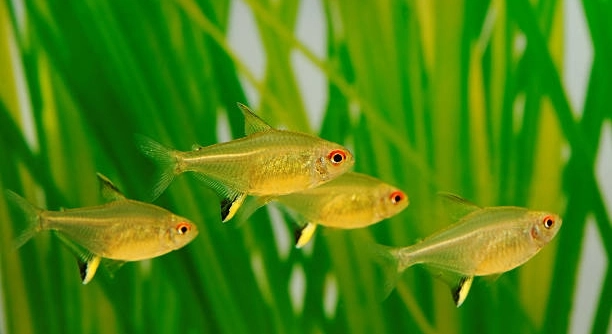
Keeping a home aquarium can be both relaxing and rewarding, especially when you choose the right combination of fish. Many aquarists enjoy mixing species to create a colorful and lively environment in their tanks. Compatibility between fish is essential for maintaining a peaceful and healthy aquarium.
Lemon tetras can live with betta fish under specific conditions. Proper tank size, adequate hiding spots, and monitoring betta behavior are necessary to minimize stress and prevent aggression. Successful cohabitation depends on careful observation and environmental management.
Ensuring a harmonious tank requires attention to each species’ temperament and needs. Small adjustments in environment and care can make all the difference in keeping both fish safe and content.
Understanding Lemon Tetra Behavior
Lemon tetras are small, peaceful fish that thrive in groups of six or more. They are active swimmers, often exploring the middle and upper levels of the tank. Their calm nature allows them to coexist with other non-aggressive species, but they are sensitive to stress. Sudden movements, bright lights, or aggressive tank mates can make them skittish and affect their health. Providing hiding spots, live plants, and open swimming areas helps maintain their comfort and reduces anxiety. They feed on a variety of foods, including flakes, micro-pellets, and occasional live foods, which supports their vibrant coloration and energy levels. Observing their interactions with other fish can help you notice early signs of stress or conflict, ensuring a harmonious environment. The more stable the tank conditions, the better lemon tetras will adapt to their companions, including bettas, under the right circumstances. Tank temperature, pH, and water quality also play a crucial role in their overall well-being.
Proper observation ensures lemon tetras remain active and healthy in a shared tank environment.
With attention to tank conditions and careful monitoring, lemon tetras can thrive alongside other species. They remain lively, maintain strong colors, and display natural behaviors. Providing structured hiding spaces, controlling feeding schedules, and maintaining stable water conditions all contribute to a peaceful community tank. Gradually introducing them and watching how the betta reacts can prevent incidents of aggression. If the betta shows repeated hostility, separating the fish or increasing tank enrichment is necessary. Lighting, decorations, and water plants all help create areas of refuge, giving tetras safe zones to retreat when needed. Proper care also involves consistent water changes and avoiding overcrowding, which reduces stress for both species. Understanding and respecting each fish’s temperament allows for a more enjoyable and balanced tank, where lemon tetras can swim freely without constant fear. Following these steps increases the chances of a stable and peaceful aquatic environment, benefiting all tank inhabitants.
Creating a Safe Habitat for Both Species
Tank size is critical when housing lemon tetras with bettas. A minimum of 20 gallons provides space for movement and hiding spots, reducing stress.
A larger tank allows proper separation between fish and ensures both species have defined territories. Adding dense plants, driftwood, and small caves gives lemon tetras safe areas to explore and escape from a dominant betta if necessary. Floating plants can diffuse lighting and reduce aggressive displays by bettas, creating a calmer environment. Monitoring water parameters, such as temperature between 75-80°F and pH around 6.5-7.0, supports both species’ health. Feeding routines should be managed carefully to prevent competition and maintain proper nutrition for all fish. Observation is essential during the first few weeks, noting any signs of aggression, hiding behavior, or stress. Adjusting the environment, adding decorations, or rearranging plants can redirect the betta’s attention and reduce conflicts. With consistent care, attention, and patience, lemon tetras and bettas can coexist peacefully, maintaining their natural behaviors and vibrant colors within a shared habitat.
Feeding and Diet Considerations
Lemon tetras eat flakes, micro-pellets, and occasional live or frozen foods. Bettas prefer protein-rich diets. Feeding both species properly avoids competition and ensures each fish gets necessary nutrients.
Providing varied food helps maintain lemon tetras’ bright color and energy. Bettas thrive on protein-based options like bloodworms or brine shrimp. It is important to feed in small amounts multiple times a day rather than one large feeding, which can lead to overeating or water pollution. Uneaten food should be removed promptly to prevent contamination. Feeding schedules should consider both species’ needs to avoid aggression during meal times. Observing how each fish responds to food ensures everyone is eating adequately and reduces stress.
Feeding routines also support social stability in a mixed tank. Lemon tetras remain active and healthy when meals are consistent. Bettas are less likely to act aggressively when they are well-fed. Using feeding rings or designated areas can help separate species during mealtime. Overfeeding can cause obesity and water quality issues, while underfeeding leads to malnutrition. A balanced diet promotes longevity and vibrant coloration for all fish, reducing stress and potential conflict. Maintaining proper nutrition also strengthens immune systems and encourages natural behaviors, improving overall tank harmony.
Monitoring Aggression and Stress
Signs of aggression include chasing, flaring fins, and biting. Lemon tetras may hide excessively when threatened.
Early detection of aggression prevents injuries and long-term stress. Observing daily interactions helps identify patterns, such as a betta targeting a specific tetra. Rearranging decorations or adding plants can redirect attention and create safe zones. Stress signs in lemon tetras include clamped fins, rapid breathing, or loss of color. Addressing these issues quickly ensures the tank remains a peaceful environment.
Maintaining a calm atmosphere reduces stress for all fish. Adjusting lighting, adding floating plants, or providing extra hiding spots can prevent conflicts. Consistent monitoring allows for timely interventions, such as temporary separation or enrichment changes. Stress weakens the immune system and may lead to illness, so preventing aggressive encounters is essential. Gradual acclimation when introducing new fish reduces tension, while regular water changes and stable parameters support overall health. By staying attentive, both lemon tetras and bettas can live together safely, maintaining natural behaviors without constant fear or aggression.
Tank Setup Essentials
A minimum of 20 gallons is ideal for keeping lemon tetras with a betta. Adequate space reduces territorial disputes and allows both species to swim comfortably.
Adding plants, driftwood, and hiding spots is important. Dense decorations give lemon tetras areas to retreat, while open swimming space helps reduce stress and aggression.
Water Conditions
Maintaining a stable temperature between 75-80°F and pH around 6.5-7.0 benefits both species. Regular water changes and monitoring parameters prevent stress and disease. Proper filtration ensures water stays clean, supporting overall health and reducing potential conflicts between fish.
Introducing Fish
Introduce lemon tetras gradually after the betta has settled in. This allows the betta to adjust to its environment first, minimizing initial aggression and giving both species a better chance to coexist peacefully.
Observing Interactions
Watch for signs of stress or aggression during the first weeks. Early detection allows for adjustments in tank setup or temporary separation if needed.
FAQ
Can lemon tetras and bettas live together permanently?
Yes, they can live together if conditions are carefully managed. A large tank with hiding spots and stable water parameters helps reduce stress and aggression. Continuous observation during the first weeks is necessary to ensure both species adapt safely.
How many lemon tetras should be kept together with a betta?
A group of six or more lemon tetras is recommended. A larger group disperses attention and reduces the likelihood of the betta targeting individual fish. This helps maintain a peaceful tank dynamic and prevents stress for the tetras.
What size tank is needed for a betta and lemon tetras?
A minimum of 20 gallons is recommended. A larger tank provides space for swimming and territories, reducing aggressive interactions. Adding plants and decorations creates safe zones for lemon tetras and prevents the betta from monopolizing the space.
What type of plants work best in a shared tank?
Dense live plants like Java moss, Amazon swords, and floating plants are ideal. They provide hiding spots, diffuse lighting, and reduce stress. Plants also help maintain water quality and encourage natural behaviors for both species.
How should feeding be managed?
Feed small amounts multiple times a day. Lemon tetras eat flakes, micro-pellets, and occasional live food, while bettas require protein-rich meals. Feeding in designated areas helps prevent competition and ensures all fish receive proper nutrition without aggressive encounters.
What signs indicate stress or aggression?
Aggression appears as chasing, fin nipping, and flaring. Stress in lemon tetras includes clamped fins, rapid breathing, or loss of color. Early detection allows for adjustments, such as adding hiding spots, rearranging decorations, or temporarily separating fish.
Can water temperature or pH affect compatibility?
Yes, both species need stable conditions. Temperature between 75-80°F and pH around 6.5-7.0 is ideal. Fluctuations can increase aggression and stress. Maintaining consistency in filtration and regular water changes supports health and a peaceful environment.
How long should I observe new introductions?
Observe daily for at least two to three weeks. Early intervention can prevent injuries or long-term stress. Watch feeding behavior, swimming patterns, and interactions to ensure the betta and tetras coexist comfortably.
What should be done if aggression persists?
If aggression continues, increase hiding spots or consider tank rearrangements. Temporary separation may be necessary until fish adapt. Ensuring proper tank size and environmental enrichment reduces conflict and supports long-term coexistence.
Do bettas often chase lemon tetras?
Chasing can occur, especially with territorial bettas. However, adequate space, hiding spots, and a larger group of tetras usually reduce repeated attacks. Observing patterns helps identify triggers and allows adjustments before serious conflict arises.
Is it necessary to rearrange the tank when introducing new fish?
Yes, rearranging decorations can disrupt territorial behavior. It forces the betta to reassess its environment, giving lemon tetras better opportunities to explore safely and reducing initial aggression.
How do hiding spots affect tank harmony?
Hiding spots reduce stress for tetras and provide escape routes from a dominant betta. Plants, driftwood, and caves create zones of safety, encouraging natural behaviors and supporting a balanced community tank.
Can lemon tetras and bettas share the same diet entirely?
No, their dietary needs differ. Lemon tetras are omnivores and require varied foods, while bettas need protein-rich meals. Separate feeding areas and schedules prevent competition and ensure proper nutrition for both species.
What is the best method for monitoring interactions?
Daily observation during feeding and active periods is key. Watch for chasing, hiding, or fin damage. Note patterns and intervene when necessary. Maintaining a log can help track changes and inform tank adjustments.
How long does it take for lemon tetras to adjust to a betta?
Adjustment can take several weeks. Gradual introduction, proper tank setup, and adequate hiding spaces help tetras feel secure. Patience is important to ensure all fish remain healthy and stress-free.
Are there signs of long-term compatibility?
Yes, tetras swimming freely, displaying bright coloration, and eating well indicate comfort. A calm betta that ignores tetras while exploring the tank shows successful coexistence. These behaviors reflect a balanced and well-maintained aquarium.
What preventive measures reduce conflict in a shared tank?
Maintaining proper tank size, water conditions, and feeding routines, along with adding hiding spots, prevents most issues. Careful observation and timely adjustments reduce aggression and support a peaceful, thriving environment for both species.
Can lighting affect fish behavior in a shared tank?
Yes, bright lighting can stress lemon tetras and trigger betta displays. Floating plants or diffused lighting helps create a calmer environment, promoting natural behaviors and reducing the likelihood of aggression.
Is it necessary to quarantine new fish before adding them?
Quarantining is recommended. It prevents the spread of disease and allows observation of behavior. Healthy, disease-free fish reduce stress in an established tank and improve the chances of successful cohabitation.
What should I do if a betta becomes aggressive despite precautions?
Persistent aggression may require separating the betta temporarily or permanently. Adjusting decorations, providing more hiding spots, or using a larger tank can also help, but safety of all fish must be prioritized.
How often should water changes be performed?
Regular water changes of 20-25% weekly help maintain clean, stable conditions. This reduces stress, prevents disease, and supports a peaceful environment where lemon tetras and bettas can coexist without conflicts.
Can tank mates influence betta behavior?
Yes, peaceful and fast-moving fish like lemon tetras usually coexist well. Slow or bottom-dwelling species may trigger territorial displays. Choosing compatible species minimizes aggression and maintains overall tank harmony.
Is it okay for lemon tetras to hide most of the time?
Occasional hiding is normal, but constant hiding indicates stress. Adjusting tank layout, providing more swimming space, or separating species temporarily can help restore confidence and natural behaviors.
How do I know if the tank is too small for both species?
Signs include constant chasing, tetras clamped in corners, or the betta flaring excessively. Expanding the tank or adding vertical and horizontal territories improves safety and reduces stress.
Are there specific times when aggression is more likely?
Aggression can spike during feeding, breeding periods, or changes in the tank. Monitoring behavior during these times helps prevent injury and allows interventions before serious conflict occurs.
Can adding more tetras reduce aggression?
Yes, increasing the group size dilutes attention from the betta. Larger schools of tetras spread out movement, reducing stress on individuals and promoting more balanced interactions with the betta.
What decorations work best to prevent conflict?
Plants, driftwood, caves, and floating plants create natural barriers. They divide territories, provide hiding spots, and help fish feel secure, minimizing aggressive encounters and encouraging peaceful coexistence.
How long should I maintain monitoring after successful introduction?
Continue regular observation for several months. Even after initial success, changes in behavior, tank conditions, or growth can trigger aggression. Ongoing attention ensures long-term compatibility and health for all fish.
Are there any signs that the betta is adjusting well?
A calm betta ignores tetras, explores the tank without flaring excessively, and eats regularly. Reduced chasing and normal behavior patterns indicate successful adaptation and a balanced environment.
Can stress from aggression affect fish health long-term?
Yes, prolonged stress can weaken immune systems, reduce appetite, and cause color loss. Addressing aggression early is essential for maintaining the health and longevity of both lemon tetras and bettas.
Do lemon tetras require any special care when living with bettas?
They need adequate hiding spots, stable water conditions, and proper group size. Regular monitoring ensures they remain active, healthy, and safe from occasional betta displays of aggression.
Is it possible to keep multiple bettas with lemon tetras?
Generally, multiple bettas in one tank increase the risk of aggression. If desired, each betta needs its own territory or separate tanks to prevent fighting and stress among all fish.
How do I know when intervention is needed?
Frequent chasing, fin damage, or hiding beyond normal behavior signals intervention. Rearranging the tank, adding enrichment, or temporarily separating fish can prevent injury and maintain harmony.
Does tank enrichment affect compatibility?
Yes, enrichment like plants, hiding spots, and swimming areas reduces stress and aggression. It encourages natural behaviors, keeps fish active, and supports a balanced environment for coexistence.
Can seasonal changes in water temperature affect behavior?
Yes, sudden temperature shifts can trigger stress and aggression. Maintaining stable conditions year-round supports health and ensures both lemon tetras and bettas remain calm and compatible.
Are certain betta types more aggressive toward tetras?
Some bettas have stronger territorial instincts. Veil-tail or long-finned bettas may be slower but more aggressive, while short-finned bettas may be quicker and more reactive. Observing individual temperament is crucial.
Can adding hiding spots alone solve aggression issues?
Hiding spots help but may not eliminate aggression entirely. Combined with proper tank size, water conditions, and monitoring, they contribute to a more peaceful environment and reduce stress for all fish.
Is introducing tetras gradually better than all at once?
Yes, gradual introduction allows the betta to adjust to the environment first. This reduces territorial behavior and gives tetras time to establish safe swimming patterns.
How do I balance feeding times for both species?
Feed tetras first in one area, then bettas in another. Multiple small feedings prevent competition, ensure proper nutrition, and reduce the chance of aggression during meals.
Do water currents affect coexistence?
Strong currents can stress lemon tetras and trigger betta displays. Gentle circulation helps oxygenate water without creating excessive stress, supporting a peaceful community environment.
How can I tell if the tetras are eating enough?
Active swimming, bright coloration, and healthy growth indicate adequate nutrition. Monitor feeding behavior and adjust food quantity or type if tetras appear undernourished or are being outcompeted by the betta.
Is tank lighting important for behavior management?
Yes, dim or diffused lighting reduces stress and aggressive displays. Floating plants can help regulate light intensity, creating a calmer environment for both species.
Can tank rearrangements be done frequently?
Occasional rearrangement is fine, but frequent changes may increase stress. Adjustments should be purposeful, creating new hiding spots or redistributing territories to reduce tension.
Are there warning signs of illness due to stress?
Signs include faded colors, clamped fins, rapid breathing, or unusual swimming patterns. Stress from aggression weakens immunity, making fish more susceptible to disease. Prompt intervention is necessary.
Do lemon tetras and bettas require different water hardness?
Both species tolerate slightly soft to moderately hard water. Keeping parameters stable is more important than exact hardness values, ensuring comfort and reducing stress in a shared tank.
Can tetras harass a betta?
It’s uncommon, as tetras are peaceful. Most stress comes from the betta’s territorial behavior. Monitoring interactions ensures neither species experiences prolonged stress or injury.
What is the ideal decoration layout for safety?
Provide dense plant clusters, caves, and open swimming areas. Distribute hiding spots evenly and avoid isolated corners where tetras could be cornered by a territorial betta.
How often should I check water parameters?
Weekly checks of temperature, pH, ammonia, nitrites, and nitrates help prevent stress and disease. Stable water conditions support coexistence and overall fish health.
Is it necessary to separate fish during illness?
Yes, sick fish should be quarantined to prevent disease spread and reduce stress on healthy tank mates. Proper treatment ensures faster recovery and maintains tank harmony.
Can lemon tetras adapt to a betta over time?
Yes, with proper tank setup, hiding spots, and consistent observation, tetras gradually gain confidence and swim freely, indicating successful long-term coexistence.
Does tank color or background affect behavior?
Neutral or darker backgrounds reduce stress. Bright colors can trigger displays from a betta. A calm environment promotes natural behaviors and peaceful interactions.
Are tetras suitable for first-time betta owners?
Yes, if tank size, hiding spots, and monitoring are in place. Understanding the betta’s temperament and providing proper conditions helps ensure a safe and harmonious setup.
What is the best way to end aggression quickly?
Immediate interventions include separating the fish, adding hiding spots, rearranging decorations, or temporarily dividing the tank. Prompt action prevents injuries and reduces long-term stress.
Do lemon tetras need a specific swimming level in the tank?
They prefer mid-to-upper levels, which naturally separates them from a bottom or mid-level betta. This vertical separation reduces direct confrontation and supports peaceful coexistence.
How do I maintain a balanced community tank?
Stable water parameters, proper tank size, hiding spots, monitoring feeding, and observing behavior regularly are essential. Consistency and attention prevent aggression and support a thriving environment.
Are there any long-term behavior changes to expect?
Over time, tetras become more confident and bettas less reactive if the tank is well-maintained. Successful coexistence results in normal swimming patterns, feeding behaviors, and peaceful interactions.
Can aggressive bettas be trained or conditioned?
Limited conditioning is possible through gradual introductions and tank enrichment. However, temperament is largely innate. Safety measures, proper tank setup, and monitoring remain the most reliable methods.
Is it better to choose younger or older fish for compatibility?
Younger fish may adapt more easily, but older fish with established temperaments can also coexist if the tank setup and monitoring are appropriate. Temperament assessment is key.
How does overcrowding affect coexistence?
Overcrowding increases stress, triggers aggression, and reduces hiding space. Maintaining proper stocking levels ensures enough room for swimming, feeding, and retreat, supporting a peaceful environment.
Can bettas and tetras breed in the same tank?
Breeding is possible for each species, but a betta may attack tetra fry. Separate breeding tanks are recommended to protect young fish and prevent stress in adults.
What is the role of consistent maintenance?
Regular water changes, monitoring parameters, and observing behavior maintain stability. Consistency prevents stress, reduces disease risk, and ensures long-term compatibility between lemon tetras and bettas.
Are there any behavioral cues to watch for during night periods?
Both species are less active at night, but frequent chasing or fin flaring indicates stress. Adjust lighting or provide extra cover to improve nighttime safety.
Can lemon tetras cohabit with multiple bettas safely?
No, multiple bettas in the same tank significantly increase aggression risks. Only one betta per tank is recommended unless extensive partitions or separate tanks are used.
Do water filters impact stress levels?
Strong currents can stress tetras and trigger betta aggression. Using gentle filtration or adjustable flow reduces stress and supports calmer behavior.
Is it okay to add decorations after fish are established?
Yes, but changes should be gradual. Sudden rearrangements may temporarily increase stress or territorial behavior, so adjustments should be deliberate and monitored closely.
How can I tell if tetras are thriving?
Bright coloration, active swimming, proper feeding, and regular schooling indicate healthy, stress-free tetras. Observing behavior daily ensures any issues are addressed quickly.
Do bettas and tetras require separate lighting schedules?
Not necessarily, but consistent light and dark periods benefit both species. Sudden changes or prolonged exposure can increase stress and aggressive behavior.
Are tank mates a better choice than adding another betta?
Yes, peaceful species like lemon tetras are ideal. Avoiding multiple bettas minimizes territorial conflicts and supports a balanced community tank.
Can water enrichment improve coexistence?
Yes, adding plants, hiding spots, and swim-through structures provides stimulation and reduces aggressive encounters. It encourages natural behaviors and a more harmonious environment.
Should tetras be monitored during betta breeding periods?
Yes, bettas become more territorial while breeding. Extra observation or temporary separation ensures safety for both tetras and the betta.
Do different betta genders affect compatibility?
Male bettas are generally more aggressive. Female bettas may be calmer but still require careful observation. Understanding temperament is more important than gender alone.
Can temporary separation help establish long-term harmony?
Yes, separating the betta or tetras during adjustment periods allows both to acclimate. Gradual reintroduction increases the likelihood of peaceful coexistence.
What is the role of water quality in behavior?
Poor water quality increases stress and aggression. Maintaining clean, stable water reduces disease risk and promotes calm interactions between lemon tetras and bettas.
How can I encourage peaceful interaction?
Provide ample space, hiding spots, consistent feeding, and stable water parameters. Gradual introductions and observation reduce stress, allowing both species to coexist naturally.
Is it normal for tetras to be cautious at first?
Yes, hiding and cautious swimming are common during initial introduction. Over time, confidence increases as they adjust to the betta’s presence and the tank layout.
Do bettas require enrichment to prevent aggression?
Yes, plants, floating covers, and decorations keep bettas engaged and reduce focus on tetras, lowering the likelihood of chasing and stress.
How often should tank rearrangements occur for harmony?
Only when necessary. Purposeful adjustments prevent aggression, create new territories, and support natural behaviors without causing excessive stress.
Can tetras teach a betta to be less aggressive?
Not directly. However, observing other peaceful fish and having enough space can reduce a betta’s repeated attacks over time, leading to calmer behavior.
Are there specific tank zones recommended?
Yes, mid-to-upper levels for tetras, bottom or mid-level for bettas, with hiding spots in between. Vertical separation reduces direct confrontation and improves safety.
How do I handle accidental injuries?
Isolate injured fish for treatment, monitor water quality, and check for ongoing aggression. Prompt care prevents infections and ensures recovery without further stress.
Is it necessary to rotate hiding spots?
Occasional rotation can refresh the tank and reduce territorial behavior. Too frequent changes may increase stress, so adjustments should be moderate and deliberate.
Do lemon tetras and bettas require the same filtration?
Yes, gentle filtration works for both. Avoid strong currents that may stress tetras or trigger excessive betta displays. Regular cleaning ensures healthy water quality.
Can overstocking affect behavior long-term?
Yes, it increases aggression, stress, and competition for space. Maintaining appropriate numbers prevents conflicts and ensures long-term coexistence.
Are there behavioral differences between young and mature bettas?
Young bettas may explore more and be less territorial. Mature bettas can show stronger territorial instincts, requiring careful monitoring when introducing tetras.
How do seasonal changes impact compatibility?
Temperature
Lemon tetras and bettas can coexist in the same tank when the proper conditions are met. Tank size is one of the most important factors. A minimum of 20 gallons provides enough swimming space and prevents territorial disputes. Adding plants, driftwood, and hiding spots ensures that lemon tetras have safe areas to retreat if the betta becomes aggressive. Open swimming areas also give both species room to move freely, reducing stress and allowing natural behaviors to emerge. Careful planning of the tank layout, with attention to vertical and horizontal space, contributes significantly to maintaining a peaceful environment for all fish.
Water quality and stability are equally critical. Both species thrive in slightly soft to moderately hard water with a temperature range of 75-80°F and pH around 6.5-7.0. Regular monitoring of ammonia, nitrite, nitrate levels, and water temperature supports long-term health and reduces stress. Consistent water changes, proper filtration, and careful observation of fish behavior are necessary to prevent potential aggression and health issues. Stress can affect fish behavior, leading to increased chasing, hiding, or fin damage, so maintaining stable water conditions helps prevent problems before they arise. Monitoring water quality also ensures that both lemon tetras and bettas maintain vibrant coloration, proper appetite, and strong immune systems.
Feeding and social management play an essential role in keeping these species together. Lemon tetras are small and peaceful, requiring a varied diet of flakes, micro-pellets, and occasional live or frozen foods. Bettas need protein-rich diets, and providing separate feeding areas helps reduce competition and potential conflicts. Observing interactions between the fish, especially during feeding and active periods, is important for early detection of stress or aggression. Gradual introductions, adequate group sizes for tetras, and enrichment in the tank create a balanced environment where both species can thrive. With careful preparation, attention to water conditions, proper feeding, and monitoring, lemon tetras and bettas can share a tank safely and maintain natural behaviors over time, allowing both species to remain healthy, active, and visually vibrant.

Hello,
If you enjoy the content that we create, please consider saying a "Thank You!" by leaving a tip.
Every little bit helps us continue crafting quality advice that supports the health, happiness, and well-being of pets around the world, for pets of all shapes, sizes, and species.
We really appreciate the kindness and support that you show us!