
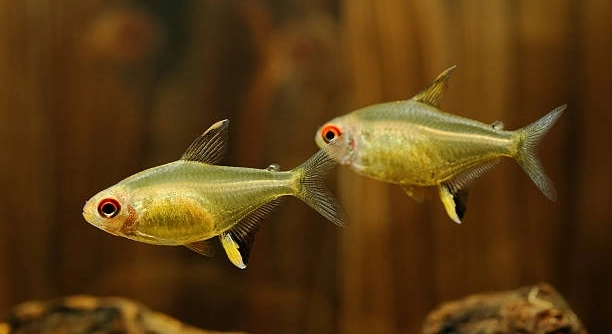
Lemon tetras are small, colorful fish that bring life to any aquarium. They thrive best in a well-maintained environment, which requires attention to their needs and proper care. Setting up the right tools is essential.
Every lemon tetra owner should equip themselves with a proper filter, heater, water test kit, aquarium thermometer, lighting system, gravel vacuum, and fish net. These tools ensure water quality, stable temperature, and overall fish health, supporting long-term well-being.
Knowing which tools are essential can simplify care and create a more enjoyable experience for both the fish and the owner. Proper preparation makes a noticeable difference in daily maintenance.
Aquarium Filter
A reliable aquarium filter is crucial for keeping lemon tetras healthy. It removes debris, uneaten food, and harmful chemicals, maintaining clean water for the fish. Choosing the right filter depends on tank size and type, with options like sponge, hang-on-back, or canister filters available. Regular maintenance is necessary to ensure consistent performance, including rinsing or replacing filter media as needed. Without proper filtration, water quality can deteriorate quickly, leading to stress or illness in your fish. A good filter supports oxygen circulation and biological balance, which helps prevent ammonia and nitrite spikes. Even small tanks benefit from a filter, as tiny amounts of waste can accumulate faster than expected. Setting up a filter is simple: place it securely, adjust the flow, and monitor the water regularly. Over time, a filter becomes an essential tool that simplifies daily care and ensures a stable environment for your lemon tetras, making your aquarium cleaner and healthier overall.
Filters reduce toxins and keep water conditions stable, directly supporting lemon tetras’ health and overall aquarium balance.
Monitoring the filter’s performance and cleaning it regularly will prevent sudden water problems. A well-chosen filter makes daily maintenance easier and helps your fish thrive consistently without unnecessary stress or extra work.
Aquarium Heater
Maintaining a stable temperature is key for lemon tetras, which prefer slightly warm water. An aquarium heater helps keep the tank at the ideal temperature range of 74–80°F (23–27°C). Temperature fluctuations can stress the fish and weaken their immune system, increasing susceptibility to disease. Choosing an adjustable heater ensures precise control, while a submersible heater is often easier to install and monitor. Placement is important: position the heater where water flow distributes warmth evenly, and avoid areas blocked by decorations. Using a separate thermometer to cross-check readings adds extra security, ensuring your tetras remain comfortable. Routine checks prevent overheating or underheating, which could be harmful over time. Heaters vary in wattage depending on tank size, so selecting the correct one avoids inefficient performance. Investing in a dependable heater protects your fish’s health and supports their active behavior.
A stable heater ensures your lemon tetras remain comfortable and healthy in their tank environment.
Monitoring temperature daily and adjusting the heater when needed is a simple step that prevents stress and illness. A good heater provides consistent warmth, supports activity, and allows the fish to feed and swim naturally without sudden environmental changes, keeping the tank stable and safe.
Water Test Kit
Regular water testing is essential for lemon tetras. It ensures ammonia, nitrite, nitrate, and pH levels remain safe. Without testing, harmful chemicals can accumulate unnoticed, stressing your fish and increasing the risk of disease.
A water test kit allows you to track water conditions accurately. Liquid test kits or test strips measure critical parameters, including ammonia, nitrite, nitrate, and pH. Ammonia and nitrite should always read zero, while nitrate should remain low to prevent toxicity. pH levels influence fish behavior and feeding patterns, so maintaining a stable range is important. Frequent testing helps detect problems early, allowing timely water changes or adjustments.
Using a water test kit also helps you monitor long-term trends in your aquarium. Patterns in chemical levels indicate if filtration or maintenance routines need improvement. Over time, testing water builds confidence in your care practices, reduces fish stress, and supports a healthier tank. Knowing your water is safe makes daily care less stressful and more predictable.
Aquarium Thermometer
An aquarium thermometer ensures water stays within the ideal range for lemon tetras. Sudden temperature changes can shock or stress fish, affecting their immune system and behavior.
Thermometers provide a visual check of your tank’s temperature, allowing you to adjust heaters accurately. Floating, stick-on, or digital thermometers are common options, each offering reliable readings. Installing a thermometer near water flow ensures accurate measurement. Regularly monitoring temperature prevents unsafe fluctuations, particularly during seasonal changes or power outages. Even small tanks experience temperature swings faster, so keeping a thermometer in place helps protect your fish.
Accurate temperature monitoring supports overall tank health by preventing stress-related illnesses. Fish swim more actively and feed consistently when the environment remains stable. Using a thermometer with your heater allows quick corrections if readings shift. Combining this with other tools like a filter and water test kit creates a controlled environment where lemon tetras thrive, making daily care simpler and their tank more predictable.
Aquarium Lighting
Proper lighting supports lemon tetras’ natural behavior and enhances their vibrant colors. It also encourages plant growth, which helps maintain water quality and oxygen levels in the tank.
Choosing LED or fluorescent lights ensures consistent illumination without overheating the water. A timer can help maintain a regular day-night cycle, reducing stress for the fish.
Gravel Vacuum
A gravel vacuum simplifies cleaning by removing uneaten food, waste, and debris trapped in the substrate. Regular use prevents harmful chemical buildup and maintains healthy water conditions for lemon tetras.
Using a gravel vacuum during water changes reduces the need for complete tank cleaning. It efficiently targets dirt in hard-to-reach areas, keeping the substrate clean without disturbing fish or plants too much. Consistent use supports water clarity and overall aquarium health, making maintenance easier and less time-consuming.
Fish Net
A soft fish net is essential for safely moving lemon tetras during tank cleaning or health checks. Nets prevent injury and stress compared to handling fish directly.
A well-sized net allows quick, gentle captures without damaging fins or scales. Keeping a net accessible ensures you can respond to emergencies, relocate fish for tank adjustments, or separate sick individuals efficiently.
FAQ
What is the ideal tank size for lemon tetras?
Lemon tetras are small but active fish that prefer swimming in groups. A minimum tank size of 20 gallons is recommended for a small school of six or more. Larger tanks provide more stable water conditions and extra space for swimming, plants, and decorations.
How often should I perform water changes?
Performing weekly water changes of 20–25% helps maintain stable water parameters. This removes excess waste, nitrates, and other chemicals that can build up over time. Combining water changes with testing ensures ammonia, nitrite, and nitrate levels remain safe for lemon tetras.
What temperature should I keep the tank at?
Lemon tetras thrive in temperatures between 74°F and 80°F (23–27°C). A stable temperature reduces stress and prevents illnesses. Using an adjustable heater with a thermometer ensures precise control. Avoid placing the tank near windows or vents where temperature fluctuates.
Do lemon tetras need a filter?
Yes, a filter is essential to maintain water quality. It removes debris, uneaten food, and toxins while supporting beneficial bacteria. Filters reduce the risk of ammonia and nitrite spikes, which can harm your fish. Choosing the right type depends on tank size and setup.
Can I keep lemon tetras with other fish?
Lemon tetras are peaceful and can coexist with other small, non-aggressive fish. Avoid large or aggressive species that may stress or harm them. Schools of lemon tetras feel safer and more active when kept together, so pairing them with compatible community fish works best.
How should I feed lemon tetras?
Feed small amounts once or twice a day using high-quality flake, micro-pellets, or frozen foods. Avoid overfeeding, as leftover food can pollute the water. Observing their feeding habits helps ensure all fish receive proper nutrition while maintaining clean tank conditions.
How can I tell if my lemon tetras are healthy?
Healthy lemon tetras are active, swim in groups, and display bright yellow coloring. They should eat readily and show no signs of lethargy, clamped fins, or spots on their body. Monitoring behavior and appearance regularly helps catch early signs of illness.
What plants or decorations are best for lemon tetras?
Live or artificial plants provide hiding spots and mimic natural habitats. Floating plants can diffuse light and reduce stress. Smooth rocks, driftwood, and open swimming areas create a balanced environment. Avoid sharp decorations that may damage fins during swimming.
How often should I clean the aquarium?
Regular maintenance includes partial water changes, gravel vacuuming, and filter checks weekly. Full tank cleanings are rarely necessary if consistent care is practiced. Cleaning prevents harmful buildup, supports water quality, and keeps your lemon tetras healthy and active.
Do lemon tetras breed easily in home aquariums?
Lemon tetras can breed under ideal conditions, with soft, slightly acidic water and proper temperature. Spawning often requires a separate breeding tank to protect eggs from being eaten. Maintaining a healthy school and stable environment encourages natural reproductive behavior.
What signs indicate stress in lemon tetras?
Stress signs include hiding, rapid gill movement, loss of color, or erratic swimming. Causes may include poor water quality, temperature fluctuations, overcrowding, or aggressive tank mates. Promptly checking water parameters and adjusting conditions helps reduce stress and protect health.
Are water conditioners necessary?
Yes, water conditioners remove chlorine, chloramine, and heavy metals from tap water. They make water safe for lemon tetras and reduce stress caused by harmful chemicals. Always treat new water before adding it to the tank during changes.
How long do lemon tetras live?
With proper care, lemon tetras can live 3–5 years. Maintaining stable water conditions, providing a balanced diet, and reducing stress factors contribute to longevity. Regular monitoring and preventive care ensure the fish stay healthy throughout their lifespan.
Can I use tap water directly for lemon tetras?
Tap water must be treated with a water conditioner before use. Untreated water may contain chlorine, chloramine, or heavy metals harmful to fish. Testing pH and hardness ensures it falls within the suitable range for lemon tetras.
Is it necessary to quarantine new fish?
Quarantining new fish for two weeks before adding them to the main tank reduces the risk of introducing disease. This period allows observation for signs of illness and minimizes stress for existing fish, keeping the aquarium healthy.
What is the best diet for long-term health?
A varied diet of high-quality flakes, frozen or live foods ensures proper nutrition. Including occasional brine shrimp, daphnia, or bloodworms provides protein and promotes natural behavior. Balanced feeding supports growth, color, and overall vitality.
How can I prevent algae growth?
Controlling light exposure, maintaining regular water changes, and avoiding overfeeding help reduce algae. Adding live plants or algae-eating fish can naturally compete with algae for nutrients, keeping growth in check. Regular monitoring keeps the tank visually appealing and healthy.
Do lemon tetras require strong lighting?
Moderate lighting is sufficient. Too much direct light can stress the fish and encourage excessive algae. A timer ensures consistent day-night cycles, which benefits both fish and plants in the aquarium.
How important is tank cover?
A tank cover prevents fish from jumping out and reduces evaporation. Lemon tetras are active swimmers, and a secure lid ensures safety while maintaining a stable tank environment. It also helps maintain temperature and humidity levels.
Can lemon tetras tolerate small fluctuations in pH?
They tolerate minor pH fluctuations but thrive in slightly acidic to neutral water, around 6.5–7.5. Sudden or extreme changes can stress the fish. Consistent monitoring and gradual adjustments help maintain a stable environment.
What should I do if a fish becomes sick?
Isolate the sick fish in a separate tank, check water parameters, and use appropriate medication if necessary. Early intervention prevents disease from spreading and allows targeted care without stressing healthy fish. Regular observation makes treatment more effective.
Are lemon tetras compatible with live plants?
Yes, live plants improve water quality and provide hiding spaces. They help reduce stress and mimic a natural environment. Hardy plants like java fern or hornwort are ideal, requiring minimal maintenance while benefiting both fish and the aquarium ecosystem.
How often should I check water parameters?
Checking water at least once a week ensures safe conditions. Frequent monitoring detects issues early, allowing timely corrections to maintain a stable, healthy environment for lemon tetras. Combining testing with routine maintenance improves long-term aquarium health.
Do lemon tetras need a school to be happy?
Yes, they are schooling fish and feel safest in groups of six or more. A school reduces stress, encourages natural swimming behavior, and enhances overall activity in the tank. Smaller groups may become timid or inactive.
Can lemon tetras live in a community tank?
They do well in peaceful community setups with small, non-aggressive fish. Avoid larger or territorial species that may bully or eat them. A balanced environment allows healthy interactions and reduces stress.
What is the most common cause of illness in lemon tetras?
Poor water quality, sudden temperature changes, or overcrowding are leading causes. Maintaining proper filtration, consistent water parameters, and appropriate tank stocking helps prevent disease and supports long-term health.
How do I acclimate new lemon tetras?
Float the bag in the tank for 15–20 minutes to equalize temperature, then slowly add tank water over 30–60 minutes. This gradual process reduces stress and allows fish to adjust safely to their new environment.
Is it necessary to trim plants?
Trimming prevents overgrowth, improves water circulation, and maintains light penetration. Regular pruning ensures plants stay healthy while keeping swimming areas open for lemon tetras, reducing stress and promoting active behavior.
Do lemon tetras need hiding spots?
Yes, providing plants, rocks, or decorations creates safe areas. Hiding spots reduce stress, help fish feel secure, and encourage natural behavior, which contributes to overall health and well-being in the aquarium.
Can lemon tetras live in cold water?
No, they are tropical fish and require warm water. Temperatures below 70°F (21°C) can weaken their immune system, reduce activity, and increase susceptibility to disease. Using a heater ensures consistent warmth.
How often should I clean the filter?
Filters need monthly or biweekly checks, depending on tank load. Rinse media in tank water to maintain beneficial bacteria. Regular maintenance preserves filtration efficiency without disrupting the aquarium’s biological balance.
What signs indicate water quality issues?
Cloudy water, algae overgrowth, fish gasping, or lethargy are common signs. Regular testing and maintenance help detect problems before they affect lemon tetras, allowing timely intervention and keeping the tank safe.
Are lemon tetras sensitive to medications?
Yes, they can be sensitive. Always follow dosage instructions carefully, monitor fish closely, and remove activated carbon from the filter during treatment. Proper medication use ensures recovery without unnecessary stress.
Do lemon tetras require a specific substrate?
They do best with fine gravel or sand. This substrate is gentle on fins and supports live plant growth while allowing natural foraging behavior, contributing to a healthier environment.
Can lemon tetras adapt to tap water?
Yes, if treated with a conditioner and monitored for pH and hardness. Gradual adjustments ensure safe acclimation and reduce stress during water changes.
How can I improve their coloration?
Providing a balanced diet, stable water parameters, and moderate lighting enhances natural yellow coloration. Healthy, stress-free fish display brighter colors and more active behavior in the tank.
Are lemon tetras schooling fish?
Yes, schooling is essential. A group of at least six reduces stress, encourages activity, and replicates natural social behavior, improving overall health and tank dynamics.
What is the best way to remove uneaten food?
Use a gravel vacuum or siphon during water changes to remove debris. Uneaten food can decompose, increasing ammonia and nitrate levels, which negatively affect water quality and fish health.
Do lemon tetras require supplemental feeding?
Supplementing flakes with frozen or live foods provides variety and supports growth. A mix of protein-rich options like brine shrimp or daphnia ensures balanced nutrition and enhances activity and coloration.
Can I keep lemon tetras with shrimp or snails?
Yes, they are generally compatible with peaceful invertebrates. Snails help with algae control, while small shrimp add diversity without stressing the tetras. Avoid large or aggressive invertebrates that could harm them.
How do I prevent fin damage?
Avoid sharp decorations and rough handling. Smooth substrates, gentle nets, and careful placement of plants or rocks reduce the risk of fin tears or injuries. Healthy fins reflect overall well-being.
Is tank size more important than decoration?
Yes, adequate swimming space is essential. Decorations should provide hiding spots but not overcrowd the tank. A balance of space and structure ensures active, healthy lemon tetras.
How long should lights stay on daily?
8–10 hours of light per day is sufficient. Using a timer maintains a consistent day-night cycle, reducing stress and supporting natural behavior for both fish and plants.
Are lemon tetras easy to care for?
Yes, with proper tools and routine maintenance, they are manageable. Stable water conditions, a balanced diet, and regular observation prevent most common problems and support their health.
Can lemon tetras live in planted tanks?
Yes, they thrive with plants that provide hiding spots and improve water quality. Live plants support natural behavior and contribute to a balanced aquarium ecosystem.
Do lemon tetras need aeration?
Adequate water movement from a filter is usually enough. Additional air stones can be used if oxygen levels are low, particularly in densely stocked tanks.
How often should I observe my fish?
Daily observation helps detect early signs of illness or stress. Monitoring behavior, color, and activity ensures timely intervention and maintains a healthy environment.
What are the most common diseases?
Ich, fin rot, and fungal infections are common. Early detection through observation and maintaining water quality reduces the risk and supports effective treatment.
Is water hardness important?
Yes, lemon tetras prefer soft to moderately hard water. Hard water can affect their health and breeding success. Testing and adjustments help maintain the appropriate hardness.
Can lemon tetras tolerate sudden changes in water?
No, sudden changes in temperature, pH, or water chemistry stress the fish. Gradual acclimation is necessary to maintain health and prevent illness.
How do I set up a tank for new lemon tetras?
Prepare with a filter, heater, thermometer, substrate, and decorations. Cycle the tank before introducing fish, ensuring stable water parameters and a safe environment for the tetras.
Do lemon tetras need companion fish?
While they are social, their school provides companionship. Peaceful tank mates can add diversity without replacing the need for a group of tetras for security and activity.
Are lemon tetras sensitive to light changes?
Yes, sudden bright light can stress them. Gradual adjustment or using floating plants helps diffuse light, reducing stress and supporting natural behavior.
Can lemon tetras be kept in small tanks?
Small tanks are possible for temporary setups, but larger tanks are preferred. Limited space can increase stress, waste buildup, and aggressive behavior, making care more challenging.
What should I do if a fish dies?
Remove it immediately to prevent water contamination. Test water quality and monitor remaining fish for signs of illness. Understanding the cause helps prevent future losses.
Are lemon tetras suitable for beginners?
Yes, with proper equipment and consistent care. Their small size, peaceful nature, and tolerance for moderate water changes make them manageable while still requiring attention to water quality.
Can lemon tetras tolerate low light?
Moderate lighting is best. Low light slows plant growth and may reduce activity but generally does not harm the fish directly. Balance is key for overall tank health.
How do I prevent overcrowding?
Follow recommended stocking guidelines: six or more tetras per 20 gallons, plus space for other fish. Overcrowding causes stress, poor water quality, and health issues.
Do lemon tetras recognize their owners?
They may react to movement near the tank but do not form personal bonds. Regular feeding and care create predictable interactions, which can reduce stress and encourage activity.
Are they sensitive to chemicals?
Yes, tap water treatments, cleaners, or aerosols near the tank can harm them. Always use fish-safe products and treat water properly before adding it to the tank.
Can lemon tetras live with bettas?
Generally, no. Bettas may be aggressive or territorial, stressing or injuring tetras. If attempted, careful monitoring and large tanks with hiding spaces are required.
How do I reduce stress during tank maintenance?
Perform gradual water changes, move decorations slowly, and use nets gently. Maintaining stable water conditions and minimizing sudden disturbances keeps lemon tetras calm and healthy.
Can I add new fish to an established tank?
Yes, but quarantine first. Introduce slowly and monitor for aggression or illness. Maintaining proper stocking levels and compatible species ensures a harmonious aquarium.
Do lemon tetras need supplemental vitamins?
A varied diet usually provides sufficient nutrients. Occasional supplementation can enhance health and coloration, but overuse may cause water quality issues. Balance is key.
How do I know if the tank is cycled?
Test for ammonia, nitrite, and nitrate. A fully cycled tank shows zero ammonia and nitrite with low nitrates, creating a safe environment for lemon tetras and other fish.
Are they sensitive to noise or vibrations?
Excessive noise or vibrations can stress them. Place the tank in a quiet, stable area to reduce disturbances and maintain calm behavior.
Can lemon tetras live with goldfish?
No, goldfish produce high waste and prefer cooler water, which is unsuitable for tetras. Mixing these species creates incompatible water conditions and stress.
Do lemon tetras need oxygenation?
Normal filtration usually provides sufficient oxygen. Additional aeration may be helpful in densely stocked tanks or when water movement is minimal.
How do I handle sudden water parameter changes?
Make gradual adjustments over hours or days. Sudden shifts in pH, hardness, or temperature stress lemon tetras, potentially causing illness or mortality.
Are lemon tetras active swimmers?
Yes, they are energetic and move in schools. Providing ample swimming space and consistent conditions supports natural behavior and reduces stress.
What should I do if ammonia spikes occur?
Perform partial water changes immediately, check the filter, and use a water conditioner if needed. Frequent testing prevents recurring problems and protects fish health.
Do lemon tetras show aggression?
They are peaceful, rarely aggressive toward each other, but may show mild nipping in cramped spaces. Proper stocking levels and tank size prevent conflicts.
Can I keep them in a betta tank temporarily?
It is not recommended. Bettas can be aggressive, and tetras are sensitive to stress. If necessary, use a large, well-decorated tank with hiding spaces and monitor carefully.
Are lemon tetras sensitive to medications?
Yes, always follow dosage instructions and remove activated carbon from filters during treatment. Monitor fish closely to prevent stress or adverse reactions.
Do they prefer slow or fast water flow?
Moderate flow is ideal. Strong currents stress lemon tetras, while gentle circulation ensures oxygenation and waste removal. Flow adjustments may be needed depending on tank size and filter type.
Can lemon tetras jump out of the tank?
Yes, especially if startled. A secure lid prevents accidents, reduces stress, and maintains stable water conditions.
How can I encourage breeding?
Provide soft, slightly acidic water, stable temperatures, and dense planting for hiding spots. Healthy adults, proper diet, and low stress levels increase the likelihood of spawning.
Do they require quarantine for new plants?
Yes, rinsing or soaking new plants prevents introducing pests or parasites into the tank, protecting lemon tetras from potential infections.
Are lemon tetras prone to diseases?
They are generally hardy but susceptible to common freshwater illnesses if water quality is poor or stress is high. Prevention through stable conditions is most effective.
How long does it take for them to acclimate?
Typically, 1–2 days for minor adjustment, but full adaptation may take a week. Gradual introduction reduces stress and ensures healthy behavior.
Do lemon tetras need a specific light spectrum?
Moderate white or full-spectrum lighting is sufficient. It supports plant growth and enhances coloration without causing stress. Avoid overly intense lighting.
Can lemon tetras live in low-maintenance tanks?
Yes, as long as basic tools like a filter, heater, and water test kit are used. Regular observation and minimal maintenance can sustain a healthy environment.
How often should I replace water test reagents?
Follow the manufacturer’s guidelines. Expired reagents give inaccurate results, which can compromise water
Final Thoughts
Caring for lemon tetras requires attention to a few key factors, but it does not need to be complicated. Consistent water quality, proper temperature, and adequate tank size are essential for their health. Investing in the right tools, such as a reliable filter, heater, water test kit, and thermometer, makes maintaining the tank much easier. These tools help create a stable environment, which reduces stress and supports natural behavior. When fish are comfortable and safe, they swim actively, display bright colors, and interact well with each other, making the tank more enjoyable to observe. Simple maintenance routines, like weekly water changes and gravel cleaning, are enough to keep the aquarium in good condition, while regular monitoring ensures problems are caught early. With the right approach, lemon tetras can thrive in home aquariums, demonstrating how small, consistent steps create a healthy and balanced aquatic environment.
Feeding and nutrition also play a vital role in keeping lemon tetras healthy. A balanced diet of high-quality flakes, micro-pellets, and occasional frozen or live foods provides the nutrients they need. Overfeeding should be avoided, as leftover food can pollute the water and affect water quality. Watching feeding habits helps ensure all fish get enough to eat without compromising the tank’s cleanliness. In addition, including live or artificial plants and decorations not only enhances the tank visually but also provides hiding spaces, reducing stress and encouraging natural schooling behavior. Even small details, like choosing smooth substrate or arranging decorations to allow open swimming areas, impact their overall well-being. By focusing on these practical elements, daily care becomes manageable and less time-consuming, supporting both the health of the fish and the enjoyment of the aquarium.
Finally, patience and observation are key aspects of successful care. Lemon tetras, like all fish, respond to stable conditions, consistent routines, and gentle handling. Monitoring water parameters, checking for signs of stress or illness, and adjusting environmental factors as needed ensures they remain active and healthy. Regular use of essential tools, including nets, gravel vacuums, and water conditioners, allows for precise management without causing unnecessary disruption to the fish. Over time, understanding their behavior and needs makes maintenance more intuitive and less stressful. By combining proper equipment, routine care, and attention to environmental stability, lemon tetras can live long, healthy lives. Providing this level of care creates a rewarding experience, allowing their vibrant colors and lively behavior to brighten any aquarium consistently, while ensuring a safe and balanced home for them.

Hello,
If you enjoy the content that we create, please consider saying a "Thank You!" by leaving a tip.
Every little bit helps us continue crafting quality advice that supports the health, happiness, and well-being of pets around the world, for pets of all shapes, sizes, and species.
We really appreciate the kindness and support that you show us!