
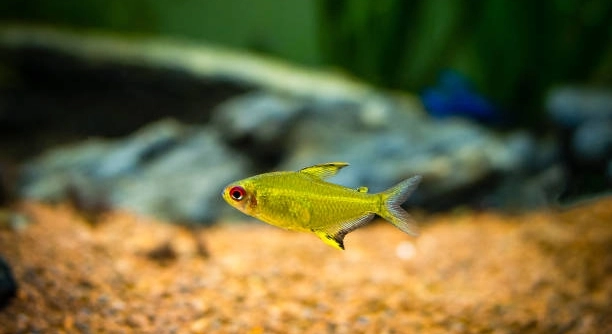
Have you ever noticed your lemon tetras acting strangely or hiding more than usual? These small, bright fish can seem healthy one day and then suddenly become weak or even die unexpectedly in your aquarium.
Lemon tetras may die suddenly due to poor water quality, improper diet, disease, stress, overcrowding, sudden temperature changes, or inadequate tank maintenance. Identifying these factors early is essential for preventing unexpected losses and maintaining a healthy aquarium environment.
Understanding these causes can help you create a stable, safe home for your lemon tetras and protect them from sudden health issues. Observing their environment closely makes a big difference.
Poor Water Quality
Poor water quality is one of the main reasons lemon tetras die suddenly. Ammonia, nitrite, and nitrate levels can build up quickly in a small tank, harming your fish. Even slight imbalances can stress their delicate bodies, making them more susceptible to disease. Frequent water changes, proper filtration, and monitoring are essential to maintain safe conditions. Temperature fluctuations and pH changes also contribute to stress and sudden death. Overfeeding can worsen water quality by leaving uneaten food to decay, which increases toxins. Using a water test kit helps track parameters and prevent dangerous levels. It’s important to remove debris, vacuum the substrate, and clean the filter regularly. A stable, clean environment allows lemon tetras to thrive and reduces the risk of unexpected losses. Healthy water supports proper organ function and overall vitality, keeping these small fish active and colorful in your aquarium.
Regular water testing and partial changes can prevent sudden deaths and maintain a safe habitat for lemon tetras.
Maintaining optimal water conditions requires consistent monitoring. Track pH, temperature, and nitrogen compounds closely. Use a reliable filter and clean it often. Remove leftover food promptly, and perform weekly partial water changes. Sudden chemical changes or contamination can stress fish, causing illness. Observing behavior and water clarity daily helps detect problems early. Even small tanks need attention because toxins accumulate faster. A stable environment supports their immune system, making them less vulnerable to infections. Remember, water quality is the foundation of their health, and consistent care is key to preventing sudden deaths.
Inadequate Diet
A poor diet weakens lemon tetras and can cause sudden death. Feeding only flakes or low-quality food may lead to nutrient deficiencies.
Balanced nutrition is essential. Include a mix of flakes, pellets, and occasional live or frozen foods to keep them healthy and active.
Providing varied food ensures they receive essential vitamins and minerals. Live or frozen brine shrimp, daphnia, and bloodworms supplement protein and promote vibrant coloration. Avoid overfeeding, as excess food pollutes the water. Feeding small amounts two to three times daily encourages healthy growth without stressing their digestive system. Nutritional deficiencies can reduce immunity, making fish more prone to infections. Watching how they eat helps identify if some fish are not receiving enough nutrition. A proper diet combined with clean water helps prevent sudden deaths and promotes long-term health.
Disease and Parasites
Diseases and parasites can strike lemon tetras quickly, leading to sudden death. Common issues include ich, fin rot, and bacterial infections. Early detection is critical. Signs like white spots, frayed fins, or lethargy indicate problems. Quarantine new fish to prevent spreading infections.
Once disease sets in, treatment must be swift. Isolate affected fish in a separate tank to prevent the illness from spreading. Use appropriate medications for bacterial, fungal, or parasitic infections, following instructions carefully. Maintaining clean water and stable conditions reduces stress, which makes fish more resistant. Avoid introducing untreated plants or decorations that may carry pathogens. Monitoring behavior daily allows you to catch early symptoms and act immediately. Stress from overcrowding, sudden temperature changes, or poor diet worsens vulnerability. By acting fast, you can save other fish and prevent sudden losses in your aquarium.
Preventing disease requires consistent care. Keep the tank clean, avoid sudden changes, and provide a nutritious diet. Quarantining new fish protects the existing group. Regular observation of swimming patterns and physical appearance helps detect illness early. Even small changes in behavior can indicate health issues. Stress management is equally important because stressed fish are more prone to infection. Treating problems early prevents the loss of multiple tetras and ensures the overall stability of the tank ecosystem. Healthy, well-fed, and unstressed fish resist disease better, which reduces sudden deaths.
Stress and Overcrowding
Stress from overcrowding can quickly harm lemon tetras. Too many fish in a tank leads to competition for food and space.
Overcrowding increases aggression and stress levels. Fish may hide constantly or stop eating, weakening their immune system. High density raises ammonia and nitrate levels, further harming health. Maintaining proper stocking levels is essential.
Providing adequate space allows lemon tetras to swim freely and reduces conflict. A 10-gallon tank supports a small school, but larger groups need bigger tanks to prevent stress. Adding plants and hiding spots helps fish feel secure. Observe interactions to identify bullying or aggressive behavior. Overcrowding can also make it harder to maintain clean water and stable temperature. Consistent partial water changes and filtration help reduce toxins. Balanced stocking prevents sudden deaths caused by stress, allowing fish to thrive and display natural behavior. A calm environment supports immunity and overall well-being, making them less vulnerable to sudden health problems.
Sudden Temperature Changes
Sudden changes in water temperature can shock lemon tetras, causing stress or even death. Rapid heating or cooling weakens their immune system and makes them more vulnerable to disease. Maintain a stable temperature with a reliable heater and thermometer.
Avoid placing the tank near windows, vents, or drafts. Even small fluctuations can be harmful. Gradual adjustments are safer when changing water or relocating the tank.
Poor Tank Maintenance
Neglecting routine cleaning and filter maintenance can quickly harm lemon tetras. Waste, leftover food, and decaying plants increase toxins. Regular substrate vacuuming, water changes, and filter cleaning keep the environment safe.
Keeping the tank clean ensures healthy fish. Removing debris and monitoring water quality reduces stress, prevents illness, and supports their immune system. A well-maintained tank lowers the risk of sudden death.
Incompatible Tank Mates
Aggressive or much larger fish can harm lemon tetras, leading to stress or injury. Choosing peaceful, small species helps them feel secure.
Avoid mixing with fin-nippers or predatory fish. Observing interactions ensures they are not constantly bullied or chased, supporting long-term health.
Why did my lemon tetra die suddenly even though the water looks fine?
Even if the water appears clear, harmful compounds like ammonia, nitrites, and nitrates may still be present at unsafe levels. Lemon tetras are sensitive, and small imbalances can quickly stress their bodies. Regular testing with a reliable kit helps detect hidden toxins that the eye cannot see. Overfeeding or decaying plants can also release chemicals that harm fish. Temperature fluctuations or pH shifts may stress fish without obvious signs. Observing behavior daily, such as reduced activity or hiding, can provide early warnings of trouble.
Can diet alone cause sudden death in lemon tetras?
Yes, an inadequate diet weakens their immune system and reduces energy. Feeding only flakes or low-quality food may lead to vitamin or protein deficiencies. A varied diet including flakes, pellets, and occasional live or frozen foods supports growth, immunity, and coloration. Overfeeding can also pollute water, indirectly causing stress or disease. Monitoring eating habits helps ensure all fish get proper nutrition, reducing the risk of sudden health problems.
How do I know if disease is the reason for sudden death?
Look for visible signs like white spots, frayed fins, bloating, or lethargy. Changes in swimming patterns or unusual hiding can also indicate illness. Quarantining new fish and observing behavior helps prevent spreading infections. Maintaining clean water, stable temperatures, and a stress-free environment reduces susceptibility. Early detection and prompt treatment are critical to protect other fish in the tank.
Is stress really a common cause of sudden death?
Stress is a major factor. Overcrowding, aggressive tank mates, or sudden environmental changes can weaken immune systems. Fish under constant stress eat less, hide more, and become more vulnerable to disease. Providing enough space, hiding spots, and peaceful companions helps minimize stress and reduces the chance of unexpected deaths.
Can poor tank maintenance kill lemon tetras quickly?
Yes, neglecting cleaning, water changes, and filter care allows waste and toxins to accumulate. High levels of ammonia or nitrites can be fatal in a short period. Routine maintenance, including substrate vacuuming and partial water changes, keeps the environment safe. A well-maintained tank promotes strong health and lowers the risk of sudden death.
Do incompatible tank mates cause sudden death?
Aggressive or much larger fish can injure or stress lemon tetras. Continuous bullying or chasing reduces food intake and increases vulnerability to disease. Choosing small, peaceful species and observing interactions prevents stress-related deaths. Providing hiding spots and plants gives lemon tetras a sense of security.
Can temperature fluctuations really be fatal?
Yes, lemon tetras are sensitive to sudden heating or cooling. Rapid changes can shock their system and trigger illness or death. A reliable heater, thermometer, and careful placement of the tank away from vents or windows help maintain stable conditions. Gradual adjustments during water changes are safer for their health.
How often should I test water to prevent sudden deaths?
Testing at least once a week is recommended for ammonia, nitrite, nitrate, and pH. Frequent monitoring catches imbalances before they become dangerous. For new or small tanks, testing more often may be necessary as toxins accumulate faster. Proper testing is essential to maintain a safe environment.
What are the first steps if I notice a dying lemon tetra?
Remove the affected fish immediately if possible to reduce the risk of spreading disease. Test water parameters, check for signs of stress or aggression, and review diet. Isolate any sick fish in a quarantine tank and treat according to the specific illness. Maintaining stable water and reducing stressors helps protect remaining fish.
Can sudden death be completely prevented?
While some incidents may be unavoidable, consistent care greatly reduces risk. Stable water, proper nutrition, regular maintenance, compatible tank mates, and observation for stress or disease are key factors. Minimizing sudden environmental changes and following a routine can help lemon tetras live longer, healthier lives.
This FAQ section provides practical insights for managing lemon tetra health, covering water quality, diet, stress, disease, and tank conditions, all critical to preventing unexpected losses.
Lemon tetras are small, delicate fish that bring color and life to a freshwater aquarium. Despite their beauty, they are sensitive to changes in their environment, diet, and care routine. Sudden deaths often occur because their needs are overlooked, even unintentionally. Maintaining proper water quality, including monitoring ammonia, nitrite, nitrate, and pH levels, is one of the most important steps in keeping them healthy. Regular partial water changes, proper filtration, and cleaning of the substrate are essential to prevent toxin buildup. A stable environment reduces stress, which is a major factor in sudden health issues. Paying attention to small details, like the position of the tank away from drafts or direct sunlight, also helps keep temperature fluctuations minimal. These seemingly minor factors play a big role in the overall well-being of lemon tetras.
A well-balanced diet is equally important for long-term health. Feeding only flakes or low-quality food can lead to nutrient deficiencies, weakened immunity, and even death. Including a variety of flakes, pellets, and occasional live or frozen foods such as brine shrimp, daphnia, or bloodworms ensures that your fish receive the nutrients they need. Overfeeding should be avoided because uneaten food can quickly pollute the water, creating additional stress and health risks. Observing feeding habits helps identify any fish that may not be eating enough or are being bullied by tank mates. Stress from overcrowding, aggression, or incompatible companions can also reduce immunity, making a fish more susceptible to disease. Providing enough space, hiding spots, and peaceful tank mates contributes to a calmer environment, where fish are more likely to thrive and show their natural behaviors.
Consistent observation and proactive care are crucial to preventing sudden losses in your aquarium. Watching for early signs of illness, such as changes in swimming patterns, color fading, frayed fins, or hiding, allows you to act before problems become severe. Quarantining new fish and plants helps avoid introducing disease or parasites into the main tank. Routine maintenance, combined with careful monitoring of diet, water parameters, and tank conditions, can prevent most common causes of sudden death. Lemon tetras can live long, healthy lives when given the right environment and care. By keeping their needs in mind and addressing potential issues quickly, you can enjoy a vibrant, active school of lemon tetras for years to come. Their small size may make them easy to overlook, but their health depends on consistent, thoughtful attention to every detail of their habitat.

Hello,
If you enjoy the content that we create, please consider saying a "Thank You!" by leaving a tip.
Every little bit helps us continue crafting quality advice that supports the health, happiness, and well-being of pets around the world, for pets of all shapes, sizes, and species.
We really appreciate the kindness and support that you show us!