
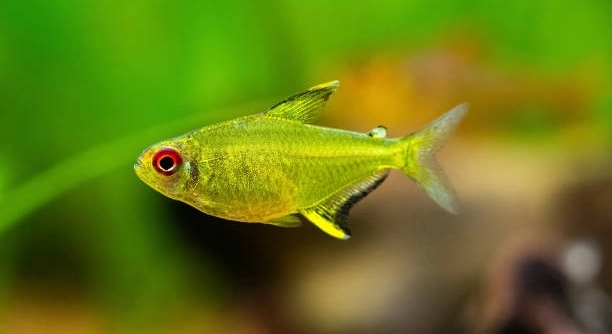
Many aquarium keepers notice their Lemon Tetra moving with steady focus near the filter, creating a pattern that seems calm but purposeful as they explore their environment in gentle currents that shape their daily routine.
Lemon Tetra swim against the filter because the outflow creates a stable current that supports natural schooling behavior, strengthens their muscles, and increases oxygen exposure, allowing them to remain active and engaged in conditions similar to their native freshwater habitats.
Exploring this behavior offers insight into their comfort, natural preferences, and the simple adjustments that encourage a healthier aquarium environment.
Understanding Their Natural Behavior
Lemon Tetra often show clear patterns that reflect how they interact with moving water, and understanding this can help you create a space that fits their needs. When they swim near the filter, they are responding to a flow that feels natural to them and gives them a sense of structure. I have noticed how this behavior becomes more obvious when the tank layout supports steady movement across open areas, allowing the fish to glide with ease. The filter flow offers a simple form of stimulation, keeping them active without adding stress. Their behavior also shifts based on lighting, tank mates, and how secure they feel in their surroundings. By observing these small details, you can notice what encourages them to remain steady and relaxed. Paying attention to these signs allows you to support their comfort, which often leads to brighter colors, schooling, and an overall environment that feels calm.
Their interest in the filter current is shaped by simple needs related to movement and stability in their habitat. When the water flow supports natural behavior, Lemon Tetra remain active and confident. Noticing these patterns helps you make small adjustments that maintain a steady and comfortable environment for your fish.
Creating conditions that match their natural preferences can improve how they behave near the filter and throughout the tank. Lemon Tetra feel more at ease when the flow is gentle enough to swim comfortably but strong enough to give them a sense of direction. Plants, hiding spots, and clear swimming paths all support this balance. When these elements work together, the fish move with calm energy and show more stable patterns. You may notice brighter coloration and smoother group movement as they adapt to a space that feels safe. Small tweaks can make your aquarium more supportive of their needs.
Adjusting Tank Conditions
Fine tuning the tank setup helps your Lemon Tetra stay comfortable near the filter without feeling overwhelmed by water movement. A balanced flow keeps them active while preventing unnecessary stress. Simple changes such as repositioning decor or adjusting the filter angle can create a smoother environment for them to enjoy.
Supporting healthy behavior in Lemon Tetra requires attention to how the tank layout interacts with the filter flow, since this movement influences their activity level and comfort. A steady current encourages them to swim with purpose, but the pace should never be so strong that it forces them to struggle. When planning your setup, consider placing plants or decorations in areas where the flow is strongest, allowing the water to break gently before reaching open spaces. This creates calmer sections where the fish can rest. Wider swimming lanes help them move as a group without sudden interruptions, which reduces stress and supports natural schooling. It can also help to observe how they react during feeding, because strong currents may push food too quickly across the tank. Adjusting the angle or strength of the filter can solve this with minimal effort. When your Lemon Tetra feel secure, they display brighter colors, maintain smoother patterns, and spend more time exploring. By making thoughtful adjustments based on their behavior, you support their long term comfort and keep the aquarium stable. These simple steps help the fish thrive while maintaining a peaceful environment that remains easy to care for in your tank each day.
Recognizing Stress Signals
Lemon Tetra show clear signs when the filter flow becomes too strong, and noticing these changes helps you respond quickly. You might see them pushing harder against the current, hiding more often, or breaking away from their usual group movement as they try to stay comfortable.
When the current becomes uncomfortable, their behavior shifts in ways that are easy to miss unless you watch closely. Reduced appetite, fading color, and frequent darting are common signs that something feels off. These small details give you clues about their comfort level, and adjusting the tank setup can quickly bring them relief. Moving decorations to redirect the flow or lowering the filter output often helps them settle. As they regain confidence, their color brightens and their schooling becomes smoother. By staying attentive, you can keep their environment stable and prevent unnecessary stress.
Even simple stress signs like rapid fin movement or repeated attempts to avoid certain areas of the tank can tell you that the flow needs attention. When the water movement is too strong, they use extra energy just to stay in place. This can lead to sluggish behavior later. With a few adjustments, such as shifting plants to create calmer pockets or angling the filter differently, their activity returns to normal. Watching these changes over time helps you understand what keeps them steady.
Creating a Balanced Environment
A comfortable flow pattern supports their natural movement and keeps the entire tank feeling calm. Spreading out plants, decor, and hiding spots helps break the current into gentle sections, giving your Lemon Tetra places to glide, rest, and stay active without feeling overwhelmed by constant motion.
Setting up a balanced environment starts with observing how the water moves across the tank and how your fish respond to each area. Even small shifts in decor can transform the entire space. Breaking up stronger currents with taller plants or smooth rocks helps soften the water movement before it reaches open swimming zones. This allows your Lemon Tetra to maintain their rhythm and stay active without strain. Monitoring how they behave during feeding also gives helpful insight, since food drifting too quickly usually means the flow is still too strong. Adjusting the filter output or redirecting it slightly can create a gentler pattern. When the tank layout and flow work well together, you’ll notice steadier behavior, brighter colors, and more relaxed schooling.
How Flow Strength Influences Activity
A steady, gentle current encourages smooth movement and keeps Lemon Tetra active without tiring them. When the flow is balanced, they glide comfortably and maintain their usual pattern, showing brighter color and steady energy throughout the day.
If the flow becomes too strong, they start using extra energy to stay in place, which can lead to uneven movement and increased hiding. Making small adjustments to the filter output helps them settle back into a calm and predictable rhythm.
Helping Them Adapt to Changes
Lemon Tetra respond well when changes in the tank are made gradually. Sudden shifts in flow or layout can unsettle them, so adjusting the filter strength in small steps keeps them from becoming stressed. Softening strong currents with plants or decorations gives them time to explore new patterns at their own pace. Watching how they swim after each adjustment helps you understand what feels comfortable for them. As they adapt, their movement becomes smoother, their colors brighten, and their schooling becomes more consistent. Supporting them through these small changes allows them to remain active without feeling overwhelmed.
When to Reevaluate Your Setup
If they continue to struggle against the current or avoid certain areas even after adjustments, it may be time to reassess the layout. Paying attention to lingering changes in color, energy, or movement helps you decide what needs improvement.
FAQ
Why do my Lemon Tetra spend so much time near the filter?
They are naturally drawn to steady movement, and the filter creates a flow that feels familiar to them. It gives them a place to stay active without feeling overwhelmed. Many fish use this area to exercise gently and maintain steady movement throughout the day. This behavior is normal when the flow is comfortable.
Is it normal for them to swim directly against the current?
Yes, it is common. Swimming against a gentle current helps them build strength and stay stimulated. In their natural habitat, they move through flowing water, so the filter provides a similar sensation. As long as they are not struggling or hiding frequently, this behavior is healthy.
How do I know if the current is too strong for them?
You may notice them pushing too hard to maintain their position or drifting away from their usual group. They might lose some color or act more restless than usual. If they seem tired, hide often, or stop exploring, the flow may need adjustment to keep them comfortable.
What should I do if they appear stressed by the current?
Start by lowering the filter output slightly or redirecting the angle so the flow spreads more evenly. Adding plants or decorations near stronger currents helps break the movement into softer sections. This gives them places to rest without forcing them away from open areas they enjoy.
Can strong flow affect their feeding routine?
Yes, it can. Food may drift too quickly, causing them to chase pieces around the tank instead of eating steadily. If you see this happening, adjusting the filter direction or slowing the flow during feeding can help them eat more comfortably and reduce wasted energy.
Why do they school more closely when near the filter?
Schooling more tightly is often a way to stay coordinated when the water moves faster. It helps them feel steady and secure. When the flow is balanced, their grouping remains smooth and relaxed, and they shift in and out of tighter formation depending on how the current feels to them.
Do Lemon Tetra need a certain level of flow to stay healthy?
They benefit from a light to moderate flow that mimics their natural environment. Too little movement can make them less active, while too much can tire them. Finding a middle ground helps them maintain color, energy, and stable schooling behavior.
Can tank size influence how they react to the filter flow?
Yes, tank size affects how the current spreads. In a smaller tank, the flow can feel stronger because the water has less space to disperse. In a larger tank, the movement softens more easily. Adjusting decor and filter placement helps create even flow in any size tank.
Why do they avoid certain areas of the tank after I change the layout?
They may need time to adjust to new patterns of movement. Changes in decor or filter position can alter how the water flows, and they respond by exploring slowly. Once they understand the new layout, they usually return to steady movement and normal schooling.
How often should I reevaluate the flow in the tank?
Pay attention to their behavior during feeding, schooling, and resting. If movement patterns change or they become less active, revisit the setup. Small observations over time help you keep the environment stable and comfortable for them.
Can lighting impact how they behave near the filter?
Yes, lighting influences how safe and confident they feel. Harsh lighting combined with strong flow can make them unsettled. Softer lighting paired with steady movement supports calm behavior and helps them maintain smoother patterns throughout the tank.
Final Thoughts
Caring for Lemon Tetra becomes much easier when you understand how they react to water movement and how small changes affect their comfort. Their interest in the filter flow is not random. It is shaped by their natural behavior and their need for gentle stimulation in the tank. When the flow is steady but not forceful, they show more stable patterns, brighter color, and smoother group movement. Watching how they position themselves in the tank helps you understand what feels right for them. If they stay active without signs of stress, your flow level is likely in a good range. Simple adjustments like shifting plants or adjusting the filter angle can make a noticeable difference in how relaxed they appear. By paying attention to these details, you support their comfort and help them thrive in a predictable and balanced space.
Maintaining a calm environment for Lemon Tetra depends on consistency and thoughtful observation. Even small changes in filter flow can influence how they swim, feed, and interact with the rest of the tank. When you give them steady areas to rest and clear lanes to move, they respond with confidence and steady energy. This balance does not require complicated equipment or constant changes. It only needs a careful look at what makes them feel secure. Their subtle shifts in movement are often the best signals of what needs attention. When they start avoiding certain areas or pushing harder against the flow, it means the current may be too strong or the layout might need adjustment. Taking the time to notice these changes helps you prevent stress before it affects their health. Stable lighting, soft hiding spots, and a gentle current work together to keep their behavior smooth and natural.
Supporting the long term comfort of Lemon Tetra is not only about their physical health but also about creating a tank that feels steady and peaceful for them every day. When their environment remains predictable, they show more relaxed patterns, steadier schooling, and clearer signs of contentment. A balanced flow gives them a sense of direction without forcing them to work harder than they need to. As you continue observing them, you learn what encourages them to explore more of the tank and what helps them stay active without feeling overwhelmed. Their responses guide you toward the setup that fits them best. By keeping the flow gentle, the layout consistent, and the lighting calm, you create a space where they can move comfortably and show their natural behavior. This steady approach helps them remain healthy while giving you a peaceful and enjoyable tank to care for each day.

Hello,
If you enjoy the content that we create, please consider saying a "Thank You!" by leaving a tip.
Every little bit helps us continue crafting quality advice that supports the health, happiness, and well-being of pets around the world, for pets of all shapes, sizes, and species.
We really appreciate the kindness and support that you show us!