
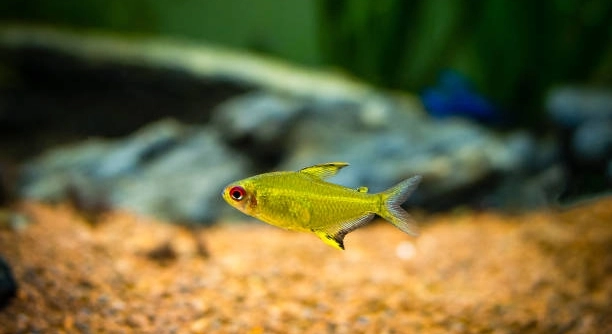
Have you ever noticed how some lemon tetras show different shades that make them stand out in the aquarium? These fish display a range of colors that can change how your tank feels and looks.
Lemon tetras exhibit seven notable color variations that arise from genetics, environmental conditions, diet, and selective breeding. These factors influence pigment expression and overall appearance, creating consistent patterns that help classify each variation within established aquarium standards for modern keepers.
As you explore these variations, you will see how small differences in shade reveal traits that shape each fish’s charm.
Golden Lemon Tetra
Golden lemon tetras have a warm shine that makes them easy to notice, and I have always found their gentle glow soothing when watching them move through plants. This variation comes from selective breeding and stable tank conditions that allow the pigments to show clearly. When the water is clean and the lighting is soft, their scales reflect a mild gold tint that feels pleasant without being too bold. Many keepers appreciate how this variation fits into mixed tanks since it blends well with greens, browns, and softer background colors. The shimmer becomes stronger when the fish are relaxed, so a calm environment plays a meaningful role in how bright they appear. Good food also helps keep their tone consistent, especially when the diet includes ingredients that support natural pigments. These fish are dependable in color once they settle, and their peaceful nature makes them suitable for many home tanks.
Maintaining their golden tone is simple when the water stays clear and the diet remains steady. Soft lighting brings out their shine while calm surroundings prevent dulling. With these elements in place, their color stays stable and adds a gentle touch to any aquarium layout you may notice this consistency.
Golden lemon tetras react well to structured feeding and stable water values, which makes their care feel manageable even on busy days. Their gentle movements pair nicely with their soft color, giving the tank a calm appearance. Many keepers use this variation to create a balanced look among brighter fish. Their tone does not overpower other species, so they work well alongside vivid schooling groups. When kept in larger numbers, their gold shade appears smoother and more unified, forming a pleasant effect as they swim. Their behavior stays steady in peaceful communities, allowing their color to remain clear without shifts.
Amber Lemon Tetra
Amber lemon tetras show a deeper tint that feels warm and comforting, especially when the tank has gentle lighting. Their color depends on steady water values and good food that supports pigment health. When conditions stay stable, their shade becomes stronger and more noticeable without overwhelming other fish in appearance.
Amber lemon tetras bring a richer look to the aquarium, and their bold tint often stands out against plants and dark substrates. This variation develops when the fish receive consistent care, with clean water and a balanced diet that keeps their pigments active. Their deeper shade reflects subtle shifts in lighting, making them appealing to people who enjoy warm tones in their tanks. These fish maintain steady behavior, and their calm nature allows them to settle quickly in peaceful communities. Keeping them in small groups helps their color appear more uniform, since they feel safer when swimming together. Their shade becomes stronger when the tank has soft lighting and minimal stress, which supports stable pigment expression. Many keepers find that this variation works well with contrasting species, especially those with silver or pale colors that highlight the amber tone naturally. Regular feeding with quality food improves their appearance over time while also supporting overall health. Stable water parameters prevent fading, and routine care helps maintain their clarity. With the right environment, these fish add a grounded touch to the tank, offering depth without creating too much visual intensity. Their look remains consistent when they receive dependable care and gentle surroundings.
Red Lemon Tetra
Red lemon tetras show a stronger tint that becomes clearer when they receive steady care and gentle lighting. Their color remains stable when the water stays clean and the diet includes ingredients that support pigment strength, helping them maintain a warm and appealing look in calm tanks.
Red lemon tetras hold their tone well when kept in peaceful setups with soft lighting that highlights their deeper shade. Their appearance becomes more noticeable when they feel secure, and I often find that they respond well to structured feeding routines. A balanced diet rich in natural color boosters helps maintain their clarity, while regular tank maintenance prevents dulling caused by stress. These fish look their best in planted tanks where gentle shadows give their red tint more depth without overwhelming other species.
Keeping them in larger groups supports steady behavior, allowing their shade to develop evenly across the school. Their color improves in stable conditions with minimal stress since sudden changes in water values can soften their tone. Many keepers prefer pairing them with species that have lighter or cooler colors to create contrast that highlights their red tint. Good filtration, routine water changes, and consistent feeding allow their shade to remain clear and vibrant while creating a calm environment that supports long term pigment stability.
Orange Lemon Tetra
Orange lemon tetras add a brighter touch to the tank, and their shade stands out easily when the water remains clean and the lighting stays gentle. Their color becomes stronger when they feel secure, and they adapt well to peaceful communities with steady care.
These fish show their best color when kept in planted tanks where soft light brings out their warm glow. I find that their tone stays clear when the water conditions remain stable, especially when the pH and hardness fall within comfortable ranges. A diet with natural pigment enhancers improves their shade over time, helping them develop a more unified look across the school. Swimming in groups helps them feel safe, which encourages clearer coloration without sudden fading. Regular maintenance, balanced feeding, and calm surroundings all contribute to their bright tone. Many keepers pair them with cooler toned fish to create contrast that highlights the orange tint naturally. Their appearance stays consistent when stress is low, allowing their color to remain vibrant and smooth in day to day conditions.
Yellow Lemon Tetra
Yellow lemon tetras show a lighter tint that becomes clearer when they receive steady care and calm surroundings. Their color stays consistent when the water values remain stable and the lighting is soft, helping them maintain a gentle and pleasant appearance in peaceful tanks.
Their shade improves when they swim in groups, since this reduces stress and keeps their tone from fading. A balanced diet with supportive ingredients helps maintain pigment strength, while routine water changes keep the environment clean enough for their lighter color to remain visible.
Pale Lemon Tetra
Pale lemon tetras develop their softer tone when conditions remain steady without sudden changes that might cause stress. Their appearance often reflects the quality of care they receive, and making sure the tank stays clean helps prevent further fading. These fish respond well to calm setups with gentle lighting, which allows the pale tint to show more evenly across the school. I find that structured feeding and consistent water values play important roles in keeping their subtle shade stable. When kept in peaceful communities and planted tanks, their delicate color becomes easier to notice, giving the aquarium a soft and balanced look.
Silver Lemon Tetra
Silver lemon tetras brighten quickly in clean water, and their tone remains clear when the tank has gentle lighting. Their reflective look pairs well with planted setups, allowing their soft shine to stand out without overwhelming other fish in the tank.
FAQ
What causes the different color variations in lemon tetras?
The color variations in lemon tetras are mainly influenced by genetics, diet, and water conditions. Selective breeding emphasizes certain pigments, while a stable environment allows these colors to develop fully. Food that includes natural color enhancers, like carotenoids, helps bring out reds, oranges, and golds, while poor nutrition can dull the shades. Water quality also plays a role—sudden changes in temperature, pH, or hardness can affect pigment expression, causing colors to fade temporarily. Calm surroundings reduce stress, which supports the development of consistent and vibrant tones across the school of fish.
How can I keep my lemon tetras’ colors bright?
Stable water conditions are the first step. Regular maintenance, including partial water changes and proper filtration, keeps the environment clean. Feeding high-quality, color-enhancing foods helps maintain pigmentation over time. Soft, consistent lighting makes the colors more visible without stressing the fish. Minimizing sudden changes, overcrowding, or aggressive tank mates prevents stress-induced fading. Swimming in small groups or with compatible species also supports consistent color expression, since fish feel more secure and relaxed in stable communities.
Do tank conditions affect the appearance of these colors?
Yes, tank conditions directly impact how lemon tetras show their colors. Water parameters like pH, temperature, and hardness need to remain stable. Clean water prevents discoloration from algae or debris. The layout of the tank, including plants and hiding spots, can also affect visibility and brightness of shades. Lighting is critical: bright or harsh lights can wash out colors, while soft, even lighting enhances them. Stressful conditions, such as sudden changes or aggressive neighbors, can dull even naturally strong pigments.
Are some color variations harder to care for than others?
Some variations, like red or amber lemon tetras, may require more attention to diet and stable tank conditions to maintain vibrancy. Lighter shades, like pale or silver, are easier to keep but can be more affected visually by algae or poor lighting. All variations benefit from calm tanks, structured feeding, and clean water, but those with deeper pigments often need slightly more care to avoid fading over time.
Can lemon tetras change color as they grow?
Yes, juvenile lemon tetras often have muted tones that deepen as they mature. Their pigments develop fully after several months, especially when fed a nutrient-rich diet. Environmental stability supports this process, and stress or poor water conditions can slow color development or temporarily dull shades. Many keepers notice that certain variations, like golden or red, become more vivid as the fish reach adult size.
Is diet the most important factor in maintaining color?
Diet is extremely important, but it works alongside water quality, lighting, and stress management. Foods rich in natural pigments enhance reds, oranges, and yellows. Routine feeding, avoiding overfeeding, and including varied nutrition ensures overall health and brighter shades. However, even the best diet cannot fully compensate for poor water conditions or stressful tank setups, so all factors must be balanced to keep colors vivid.
Do lemon tetras’ colors indicate health?
Yes, their colors often reflect their overall health. Dull or fading shades can indicate stress, illness, or poor water quality. Vibrant and consistent coloration usually shows that fish are well-fed, comfortable, and living in a stable environment. Monitoring changes in tone can help keepers catch problems early, allowing adjustments to diet, water, or tank conditions before serious issues arise.
How many lemon tetras should I keep together to see their colors well?
Keeping at least six to eight together allows them to feel secure, which helps colors appear more evenly across the group. Smaller schools may display less consistent pigmentation because of stress. Larger groups enhance visual impact, especially in planted tanks, where lighting and shadows interact with their shades, making each color variation more noticeable. Swimming together also reduces stress, supporting steady pigment expression over time.
Can lighting change how colors look?
Lighting affects perception of their colors significantly. Soft, natural-style lighting enhances subtle shades without washing them out. Harsh or overly bright lights can make colors appear dull or overly reflective. Positioning the lights evenly and providing shaded areas gives the fish a chance to show their best tones naturally. Color appearance can also change slightly depending on the angle and reflection, which makes observing them in different areas of the tank interesting.
Are certain color variations better for community tanks?
Lighter variations, like pale and silver, blend well with many other fish because they do not dominate visually. Deeper shades, such as red, amber, or orange, can stand out and become focal points, which may affect tank balance visually. All variations do well in peaceful community setups, but pairing them with compatible, calm species ensures that their color remains clear without fading from stress. Maintaining proper group size, clean water, and gentle lighting supports vibrant, even coloration across the school.
The FAQ section now provides practical guidance for observing and maintaining the seven lemon tetra color variations, highlighting factors that influence their appearance, health, and overall presence in aquariums.
Final Thoughts
Lemon tetras are small fish, but their color variations make a big difference in any aquarium. Each shade, from pale silver to deep red, has its own charm and presence. Keeping their colors bright and consistent depends mostly on stable water conditions, proper lighting, and a good diet. Clean water and gentle maintenance prevent stress, which helps the fish display their natural pigments. Soft, even lighting highlights the subtle differences between each variation, making the tank more visually appealing. Feeding a variety of high-quality foods ensures that all the important nutrients for pigment development are available. Over time, these factors combine to maintain the brightness and clarity of the fish’s colors, giving a calm and balanced look to the tank. Even small changes, like slightly cloudy water or overcrowding, can make their shades dull temporarily. Observing their behavior and tone regularly helps notice any problems early, allowing adjustments that keep the fish healthy and visually striking.
Watching lemon tetras swim in groups shows how their colors interact naturally. Golden and orange variations catch the light differently than pale or silver ones, creating a subtle contrast that makes each shade stand out. When kept in schools, they feel secure, which encourages their colors to appear more consistent across all the fish. Stress-free fish maintain their tone, while stressed or anxious fish can show paler colors. Tank layout also contributes to their visual impact. Plants, decorations, and hiding spots give them a natural environment where their shades are highlighted rather than overshadowed. Each variation has a role in the overall balance of the aquarium, and placing them thoughtfully can make the tank feel harmonious. Maintaining gentle water flow and avoiding aggressive tank mates ensures that their colors remain vibrant without sudden fading. In addition, pairing different shades carefully can enhance visual appeal while keeping the community peaceful.
Overall, caring for lemon tetras and their seven color variations requires attention to both health and environment. Regular water testing and changes, combined with a balanced diet, give the best results for maintaining vivid colors. Patience is important, as young fish often take time to show their true shades. Creating a calm tank with enough space and compatible tank mates allows each variation to display its natural beauty. Observing their subtle differences over time can be rewarding, as even small improvements in care lead to noticeable enhancements in color and behavior. Lemon tetras are adaptable, but consistency in care is key. Their gentle personalities, combined with a spectrum of colors, make them a pleasant addition to any aquarium. By keeping the environment stable and supporting their health, their shades stay bright, adding visual interest and peaceful energy to the tank. Careful attention to lighting, diet, and group dynamics ensures the colors remain true, giving a balanced and attractive display. The seven variations are not just different tones—they reflect the effort put into their care and the conditions of their environment, making each aquarium a little more lively and unique.

Hello,
If you enjoy the content that we create, please consider saying a "Thank You!" by leaving a tip.
Every little bit helps us continue crafting quality advice that supports the health, happiness, and well-being of pets around the world, for pets of all shapes, sizes, and species.
We really appreciate the kindness and support that you show us!