
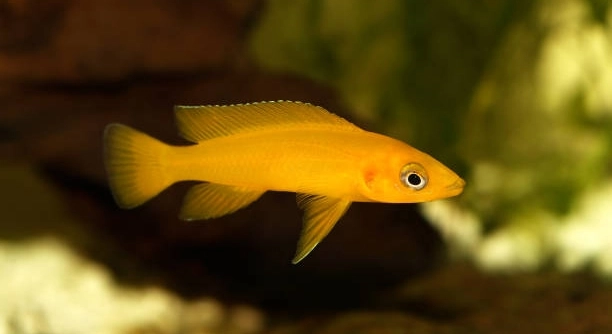
Have you ever noticed your lemon tetra acting sharper than usual, leaving you unsure about its behavior in the tank? Understanding changes can help you recognize early signs of aggression and keep your aquarium calm.
Aggressive lemon tetras often display persistent chasing, fin nipping, and territorial guarding, signaling stress or dominance behaviors. Observing sustained patterns of hostility allows aquarists to identify aggression accurately and implement environmental adjustments that promote balanced interactions within community tanks daily.
These signs reveal more than mood shifts, guiding you toward a clearer view of your fishs temperament and tank harmony.
Recognizing Aggressive Behavior
When you start noticing unusual behavior in your lemon tetra, it helps to understand the small details that show up during daily observation. Aggression can appear in different ways, and paying attention to these actions gives you a clearer idea of what is happening in the tank. You might see steady chasing that does not seem playful or harmless. You may also notice your fish guarding a certain area and refusing to let others near it. Some lemon tetras react strongly when they feel stressed, and this tension can spread to the rest of the fish. Watching how your tetra swims, reacts to feeding, and interacts with tankmates helps you understand the root of the behavior. I find that notes taken during the day make it easier to see patterns that would otherwise be missed. With practice, you become confident in recognizing signs that show when things are not right.
Keeping an eye on these patterns allows you to respond before the tank becomes tense and uncomfortable for the other fish around your lemon tetra.
Understanding these signals helps you maintain a calm setup where each fish can swim without constant tension. By observing behavior shifts slowly and patiently, you gain a clear sense of what your lemon tetra needs and how to keep interactions peaceful in a shared space.
Creating a Better Environment
Making a few changes in the tank often helps reduce aggressive behavior in your lemon tetra and brings balance back to the aquarium.
A peaceful setup begins with enough space, since crowded areas increase stress and lead to unwanted reactions between fish. I like to keep the tank layout simple but filled with hiding spots, giving each fish a place to rest without feeling watched. Plants, driftwood, and gentle lighting make the space feel secure and calm. Adding these elements spreads activity throughout the tank, which reduces chances of one fish guarding a single spot. Feeding routines also matter, since food competition can spark tension. Offering small portions in different areas of the tank keeps the group occupied and prevents unnecessary chasing. When introducing new fish, moving decorations around helps reset territories and reduces the chances of your lemon tetra becoming overly protective. With steady care and a thoughtful layout, the aquarium becomes a calmer place where your lemon tetra behaves naturally without constant stress.
Managing Tank Dynamics
Small adjustments in your tank can help reduce aggression from your lemon tetra and keep interactions calmer. I like to start with the layout since open areas and hiding spots influence how secure the fish feel. A stable arrangement helps prevent territorial behavior from becoming a daily problem for you.
Giving your lemon tetra enough space is one of the easiest ways to calm the tank. I make sure there is room for smooth swimming without constant crowding. Adding tall plants breaks lines of sight, which stops your fish from watching each other too closely. Driftwood pieces also help by creating gentle separations between active zones. When the environment feels spacious, your lemon tetra is less likely to guard a single spot. You may notice that chasing slows down once each fish has a comfortable place to rest. These changes build a more relaxed setup that supports peaceful interactions every.
Feeding routines can also influence how your lemon tetra behaves. I prefer offering small amounts of food in different areas because it reduces competition. When food appears in only one spot, chasing becomes more likely and tension builds quickly. Spreading out the feeding helps each fish focus on eating instead of guarding space. You might see your lemon tetra become calmer once it knows there is enough food to go around. Over time, maintaining steady portions keeps the group balanced. A predictable schedule also lowers stress levels, making it easier for your lemon tetra to interact with others without unnecessary.
Adjusting Care Routines
Small care changes can make a noticeable difference in how your lemon tetra behaves each day. I pay attention to water quality since shifts in parameters can create tension. Clean water with steady conditions helps your fish feel secure. Regular partial changes prevent waste from building up. When the tank feels stable, your lemon tetra shows calmer patterns that reflect the healthier environment over time you can notice smoother behavior during normal daily activity.
Stable water conditions support every part of your lemon tetras behavior, so keeping the tank balanced is important. I like to test the water regularly because even small changes can influence how the fish react to each other. Ammonia and nitrite should stay at zero, while nitrate remains low to keep stress down. A gentle filter flow helps your fish swim comfortably without feeling pushed around. Adding plants improves oxygen levels and creates soft barriers that make the aquarium feel more open and calm. When you adjust these elements with care, your lemon tetra becomes more predictable in its behavior. You may notice less chasing, smoother schooling, and stronger color as stress decreases. Over time, these improvements bring steady progress that helps maintain peaceful interactions.
Monitoring Social Patterns
Watching how your lemon tetra interacts with others helps you understand shifts in behavior. I like to note when chasing appears more frequent or when a fish starts guarding a spot. These changes often signal rising tension that can be managed with adjustments before things escalate further in the tank.
I check for signs like uneven schooling, sudden darting, or isolation from the group because these behaviors often show discomfort. When these patterns appear more than once, they usually point to growing stress. Identifying them early allows you to respond in ways that keep your lemon tetra calmer overall daily.
Preventing Escalation
Simple actions can prevent aggressive behavior from becoming a regular issue in your tank. I like to rotate decorations from time to time because this resets territories and encourages your fish to explore instead of guarding one area. Offering food in multiple spots keeps the group occupied and reduces competition that often leads to chasing. Maintaining steady lighting also helps your lemon tetra stay relaxed, since harsh changes can startle the fish and create stress. When you combine these small steps, the entire environment becomes calmer, and your lemon tetra adapts more easily to daily interactions without unnecessary tension inside.
Knowing When to Intervene
If your lemon tetra continues showing harsh behavior despite changes, stepping in becomes necessary. I watch for repeated chasing that disrupts the whole tank. Separating the aggressive fish for a short time often helps reset interactions. This gentle approach usually gives the group a chance to settle again each day.
FAQ
Why is my lemon tetra chasing the others so often?
Chasing usually appears when your lemon tetra feels stressed or wants to claim a certain space in the tank. I often see this behavior when the aquarium is too crowded or when hiding spots are limited. Giving the fish more room and adding plants usually helps calm things down.
Can tank size affect aggressive behavior?
A small tank makes your lemon tetra feel trapped, which leads to tension between fish. I find that a wider swimming space encourages smoother movement and fewer conflicts. When the aquarium feels open, your lemon tetra becomes more relaxed and less territorial.
What signs show my lemon tetra is becoming stressed?
Stress shows through quick darting, hiding for long periods, or refusing to swim with the group. You may also notice the fish guarding a single spot more than usual. These shifts often appear before aggression becomes stronger, so catching them early helps prevent issues.
How do I know if the aggression is serious?
Aggression becomes serious when chasing turns into nipping or when another fish begins to show torn fins. I watch for repeated incidents happening throughout the day. When this continues, it is a clear sign that your lemon tetra needs environmental adjustments to feel safe again.
Should I separate my aggressive lemon tetra?
Sometimes separation is necessary when the behavior does not improve. I place the aggressive fish in a small breeder box or a separate tank for a short time. This cool down period helps reset patterns. When reintroduced, the fish often behaves more calmly.
Does feeding affect aggressive behavior?
Feeding has a noticeable impact because competition makes fish tense. I prefer spreading food across different areas so each fish gets its share without fighting. When food is only in one place, your lemon tetra may become pushy and start chasing others to secure more.
Can water conditions influence aggression?
Poor water quality affects behavior quickly. High waste levels or sudden parameter changes make your lemon tetra uncomfortable. I check ammonia, nitrite, and nitrate regularly and perform partial water changes to keep things stable. Calm fish are easier to manage when the environment stays clean.
What tank decorations help reduce aggression?
Plants, driftwood, and small caves create natural barriers that improve movement and privacy. I like using tall plants because they break the line of sight and make the tank feel more open. These additions reduce territorial guarding and give your lemon tetra a peaceful place to rest.
Should I add more fish to reduce aggression?
Sometimes increasing the number of lemon tetras helps spread out attention. A small group may cause one fish to pick on another, but a slightly larger group can balance interactions. However, I only add more fish when the tank has enough space to support them comfortably.
Can lighting affect how my lemon tetra behaves?
Strong lighting can make your tetra feel exposed, which leads to uneasy behavior. Softer lighting creates a calmer mood and supports natural swimming patterns. I find that using gentle lights helps reduce sudden reactions that lead to chasing.
Why does my lemon tetra guard one corner of the tank?
Guarding usually means your fish has claimed that area as its own. When this happens, I rearrange decorations to break up established spots. This encourages the fish to explore new areas rather than defend one place aggressively.
Does the presence of other species affect aggression?
Some species trigger tension if they move too quickly or crowd the same areas. I choose peaceful tankmates that match the lemon tetras energy level. When the group feels balanced, your lemon tetra interacts with others more smoothly and shows fewer signs of stress.
How long does it take to see improvements after changes?
Changes take time to settle, so I usually wait several days to notice real progress. Your lemon tetra may relax slowly as the new setup feels safer. With patience and steady care, the tank becomes calmer and the aggressive behavior fades.
Final Thoughts
Caring for a lemon tetra that shows aggressive behavior can feel a little overwhelming at first, especially when the signs seem to appear unexpectedly. With steady observation, small changes, and a calm approach, you can gradually understand what triggers those tense moments in the tank. I find that aggression rarely comes from nowhere. It usually develops from stress, crowding, or competition, and these are things you can manage with simple adjustments. When you keep track of patterns, you begin to see what your fish responds to, and those observations guide you toward clearer decisions. The more you watch your lemon tetra interact with its surroundings, the easier it becomes to understand what makes it feel secure. Over time, this helps you shape an aquarium that supports gentle behavior, not constant tension. It also gives you confidence as you learn how to respond to small changes before they turn into bigger problems.
Building a peaceful tank takes patience, and patience often makes the biggest difference. I have noticed that lemon tetras improve their behavior when the environment feels stable and predictable, and this happens through consistent care. Clean water, balanced lighting, steady feeding, and enough space all help your fish relax. Even minor adjustments, like moving plants or adding soft hiding areas, can shift the atmosphere in a positive way. When the tank feels balanced, your lemon tetra behaves more naturally, and you see fewer signs of guarding or chasing. It is comforting to know that even if your fish has been acting sharply, you still have many ways to guide it back to calmer habits. These steps may seem small on their own, but together they create a setting that encourages harmony. Watching these changes unfold gives you a deeper connection to your aquarium and a better understanding of what each fish needs to feel at ease.
In the end, helping your lemon tetra settle down is about creating a space where it can thrive without stress. Aggression does not define your fish. It is simply a reaction to something that can be improved or adjusted. By staying attentive and responding with gentle changes, you give your lemon tetra the chance to feel more secure. This not only helps the fish behave better, it also makes your tank a softer, more peaceful place to care for. With steady effort, the tense moments become less frequent, and your fish becomes more comfortable in its environment. You learn as you go, and each improvement brings you closer to a tank that feels balanced and calm. Through time and care, you create an aquarium where your lemon tetra can live comfortably, interact smoothly, and grow in a space shaped with thoughtfulness and patience.

Hello,
If you enjoy the content that we create, please consider saying a "Thank You!" by leaving a tip.
Every little bit helps us continue crafting quality advice that supports the health, happiness, and well-being of pets around the world, for pets of all shapes, sizes, and species.
We really appreciate the kindness and support that you show us!