
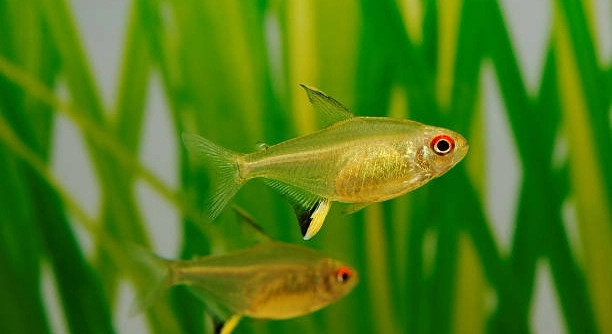
Lemon tetras are lively little fish that brighten any freshwater aquarium. Providing them with a proper diet is important to keep them healthy, active, and showing off their natural, vibrant colors. Small changes can make a big difference.
Feeding lemon tetras natural foods supports their growth, enhances coloration, and maintains overall health. Regular inclusion of high-quality plant matter, live or frozen proteins, and nutrient-rich supplements ensures a balanced diet and reduces the risk of disease.
Including these foods in your aquarium routine can make a noticeable difference in your lemon tetras’ energy and appearance. Careful selection of ingredients strengthens their health over time.
High-Quality Live Foods
Lemon tetras thrive on live foods, which provide essential nutrients and mimic their natural diet. Feeding them live brine shrimp, daphnia, or micro worms can greatly improve their coloration and energy levels. I always notice my fish swimming more actively after introducing fresh live foods. These foods are rich in proteins and vitamins that support healthy growth. Feeding small portions several times a day prevents overfeeding and maintains water quality. Live foods also encourage natural hunting behaviors, keeping your aquarium lively and engaging. When sourcing live foods, ensure they are free from contaminants and parasites, as poor-quality live food can harm your fish. It’s best to introduce only what your tetras can eat in a few minutes to avoid leftover decay. Over time, a diet rich in live foods promotes strong immune systems, vibrant scales, and better overall health. Consistency in feeding schedules helps your lemon tetras adjust and thrive.
Live foods boost energy and encourage natural behaviors while supporting overall health.
Including live foods in your aquarium can transform your lemon tetras’ activity levels and appearance. I noticed sharper colors and livelier swimming within just a few weeks. Live foods, being high in protein, help maintain muscle tone and reduce susceptibility to illness. Offering variety prevents dietary deficiencies and keeps your tetras interested in their meals. Even a small tank benefits from occasional live feeding, as it introduces movement and stimulation. Balancing live foods with other natural options ensures a complete diet and avoids reliance on one type of nutrient source. Observing your fish during feeding helps you gauge appetite and health. Over time, integrating live foods consistently will improve overall vitality and reduce stress, helping lemon tetras maintain their natural behavior patterns and beautiful coloration.
Fresh Vegetables
Vegetables are an important part of lemon tetras’ diet, supplying fiber and essential nutrients.
Small pieces of blanched spinach, zucchini, or peas can be offered regularly to provide a balanced diet.
Adding vegetables keeps your lemon tetras healthy and aids digestion. I usually blanch small portions to soften them and prevent choking. Fiber helps maintain proper gut function and supports nutrient absorption from other foods. Vegetables are low in fat but contain vitamins that enhance natural colors. Offering variety prevents monotony and encourages them to explore different textures. Even picky tetras will gradually adapt to small, soft vegetable pieces. I place vegetables in the tank after live food sessions, so they have time to nibble without competition. This habit also allows me to observe which vegetables my fish prefer, helping me tailor their diet more effectively. Regular inclusion of vegetables reduces the risk of constipation and contributes to overall vitality. A balanced diet of vegetables, live foods, and occasional high-quality flakes keeps my lemon tetras energetic and colorful throughout the year.
Frozen Foods
Frozen foods are a convenient and nutritious option for lemon tetras. I often keep frozen bloodworms or brine shrimp on hand. Thawing small portions before feeding prevents waste and keeps water clean. These foods supplement live feeding and provide essential proteins.
Frozen foods maintain nutritional value similar to live options when handled properly. I usually thaw a few pieces in tank water for a few minutes before offering them. This avoids shocking the fish with temperature changes and prevents digestive issues. Frozen foods are easy to store and portion, making them reliable for consistent feeding schedules. Using a mix of frozen options ensures variety and reduces boredom. I often alternate between frozen shrimp and bloodworms, observing how my lemon tetras respond. Over time, these foods strengthen immune systems and enhance coloration. They also support muscle development and energy levels without introducing unwanted contaminants, making frozen foods a practical and healthy choice.
Combining frozen foods with live and vegetable options keeps a balanced diet. My lemon tetras remain active, colorful, and less prone to stress or illness. Regular inclusion ensures they receive adequate nutrients without overfeeding, and alternating between types prevents monotony while supporting overall growth and vitality.
High-Quality Flake Foods
High-quality flake foods can form the base of a lemon tetra’s diet. I choose flakes rich in vitamins and protein, and I monitor portions to avoid overfeeding.
Flake foods are convenient and nutritionally balanced, providing essential vitamins, minerals, and proteins. I usually feed small amounts twice daily to prevent leftover debris. Combining flake foods with live or frozen options ensures that lemon tetras get both variety and stability. High-quality flakes are fortified to enhance coloration and maintain overall health, offering a reliable supplement when live foods are not available. Feeding flakes consistently helps keep the fish active and reduces aggressive behavior by satisfying basic dietary needs.
While flake foods are easy to store and serve, variety remains key. Mixing flakes with live, frozen, and vegetable foods strengthens immunity, encourages natural behavior, and promotes brighter colors. Observing how my tetras react to different flakes helps me choose brands that they accept readily, reducing waste. I alternate feeding schedules to keep meals interesting, which also prevents selective eating. Flake foods work best when paired with occasional treats, creating a balanced approach. Over months, this combination has maintained the energy and overall well-being of my lemon tetras, supporting their growth and longevity.
Small Insects
Small insects like fruit flies or tiny larvae provide protein and stimulate natural hunting behavior. I occasionally offer these as a treat to keep my lemon tetras active and engaged in the tank.
Insects are easy to portion and supplement a tetra’s diet without overfeeding. They support growth and improve coloration while adding variety.
Spirulina and Algae
Spirulina flakes or algae wafers are excellent sources of plant-based nutrients. I include them in small amounts to enhance color and support digestion. Offering these regularly contributes to a balanced diet and helps maintain vibrant scales and overall health in lemon tetras.
Homemade Blends
Creating homemade food blends allows control over ingredients and nutrients. I mix finely chopped vegetables, small portions of frozen proteins, and spirulina flakes to provide a complete, balanced diet. This method ensures freshness, avoids preservatives, and encourages my tetras to eat a variety of textures while receiving all essential nutrients.
Occasional Treats
Occasional treats like tiny shrimp or daphnia add excitement to feeding time. I use them sparingly to prevent overfeeding while keeping my lemon tetras interested in meals.
FAQ
How often should I feed my lemon tetras?
I feed my lemon tetras small portions two to three times a day. Frequent, smaller meals prevent overfeeding and keep the water clean. Observing how much they eat in a few minutes helps adjust portion sizes and ensures all fish get their share.
Can lemon tetras eat only flakes?
Flakes alone can meet basic nutritional needs, but they are best combined with live, frozen, or vegetable foods. Mixing different types provides a more complete diet, supports natural behavior, and enhances coloration. My tetras stay more active when they get variety.
What is the best live food for lemon tetras?
Brine shrimp, daphnia, and micro worms are excellent choices. I rotate these to keep meals interesting. Live foods are rich in protein, promote growth, and encourage hunting behavior. Feeding small amounts prevents leftover decay in the tank.
Are frozen foods safe for lemon tetras?
Yes, frozen foods like bloodworms and shrimp are safe if thawed properly. I thaw portions in tank water for a few minutes before feeding. This prevents temperature shock and keeps digestion smooth. Frozen foods are convenient and nutritionally rich, similar to live options.
How important are vegetables in their diet?
Vegetables supply fiber and vitamins that support digestion and overall health. I offer blanched peas, spinach, or zucchini in small amounts. Fiber helps prevent constipation, and vegetables enhance color gradually when included consistently.
Can I make homemade food for my tetras?
Homemade blends let you control ingredients and nutrients. I combine finely chopped vegetables, frozen proteins, and spirulina flakes for a complete diet. This method ensures freshness, avoids additives, and encourages my tetras to eat a variety of textures.
Should I give occasional treats?
Yes, small treats like tiny shrimp or daphnia keep feeding interesting. I offer them sparingly to avoid overfeeding while still providing enrichment. Treats help stimulate natural hunting instincts and give a temporary boost in energy.
What foods improve coloration the most?
Live foods, spirulina flakes, and certain vegetables enhance natural colors. I notice brighter scales when I feed a mix of protein-rich live foods and plant-based supplements. Consistency over weeks gives the best results.
How can I avoid overfeeding?
Offer small portions that your tetras can eat in two to three minutes. I monitor eating habits closely and remove uneaten food promptly. Overfeeding leads to poor water quality and can harm health, so careful portion control is key.
Is variety necessary in their diet?
Variety prevents nutritional gaps and keeps tetras engaged in their meals. I mix flakes, live foods, frozen options, vegetables, and occasional treats. A balanced diet with multiple food sources ensures healthy growth, vibrant colors, and strong immune systems.
Can lemon tetras eat insects from the wild?
I avoid wild insects to prevent introducing parasites or toxins. Safe options include cultured fruit flies or purchased larvae. This ensures health and reduces risks while still providing natural protein sources.
How do I know if my tetras are getting enough nutrients?
Active swimming, bright colors, and regular eating habits indicate good nutrition. I watch behavior and appearance closely, adjusting portions or food types if signs of dull coloration or lethargy appear. Balanced feeding keeps tetras healthy long-term.
Can flake foods alone keep tetras healthy?
While high-quality flakes provide essential vitamins and protein, I combine them with live or frozen foods and vegetables. This ensures complete nutrition, supports natural behavior, and maintains energy and coloration more effectively than flakes alone.
How do I introduce new foods to lemon tetras?
I introduce small amounts gradually. Mixing new foods with familiar ones helps reduce stress and encourages acceptance. Observing reactions ensures my tetras are eating properly and adapting to new nutrients without disrupting the tank environment.
What is the best feeding schedule for busy days?
I stick to a consistent routine of morning and evening feedings. On busy days, pre-portioned frozen or flake meals help maintain consistency. This prevents skipping meals while keeping portion sizes controlled for healthy growth.
How long can lemon tetras go without food?
Tetras can survive a day or two without feeding, but I avoid skipping meals regularly. Consistent feeding supports energy, coloration, and immune health. Short gaps occasionally are fine, but prolonged fasting can stress the fish.
Do tetras prefer live or frozen foods?
Preferences vary, but most enjoy live foods for natural hunting behavior. I alternate with frozen foods for convenience and nutrition. Observing reactions helps me decide which to offer more frequently to keep activity levels high.
Can I feed too many vegetables?
Yes, excess vegetables can pollute water and cause digestive issues. I stick to small, blanched portions several times a week. Balanced inclusion of protein and plant matter ensures proper nutrition without overloading the tank.
Are spirulina flakes necessary?
Spirulina supports coloration and overall health but is not mandatory if a varied diet is provided. I include small amounts regularly to enhance green and yellow tones naturally, complementing proteins and other nutrients.
How do I store frozen and live foods safely?
Frozen foods stay in the freezer until use, and I thaw only what is needed. Live foods are kept in clean containers and monitored for freshness. Proper storage prevents contamination and maintains nutritional quality.
Can lemon tetras overeat?
Yes, overfeeding can cause bloating, poor water quality, and health issues. I give small portions that are eaten quickly and remove any leftovers. Balanced, controlled feeding is essential to keep tetras active and healthy.
How important is protein in their diet?
Protein supports growth, energy, and immune health. Live foods, frozen options, and occasional treats provide essential protein. I balance protein with vegetables and flakes to ensure a well-rounded diet without overloading any single nutrient.
Can feeding habits affect behavior?
Yes, consistent and varied feeding encourages active swimming, reduces aggression, and stimulates natural hunting instincts. I notice calmer and more playful behavior when my tetras receive balanced meals with occasional enrichment from live or frozen foods.
What is the best way to transition foods?
Gradually mix new foods with familiar ones over several days. I start with small amounts and increase gradually while monitoring reactions. This reduces stress and ensures tetras accept new nutrients without impacting water quality or appetite.
Are there foods to avoid?
I avoid processed human foods, wild insects, or anything with unknown additives. Unsafe foods can introduce toxins, parasites, or nutritional imbalances, harming my tetras’ health. Sticking to high-quality flakes, live, frozen, vegetables, and occasional safe treats keeps their diet reliable.
How long will it take to see results from dietary changes?
Color, energy, and health improvements appear within a few weeks of consistent, balanced feeding. I notice gradual changes in brightness and activity, confirming that a varied diet positively affects overall well-being. Patience is key for visible, lasting benefits.
Can I feed lemon tetras the same food every day?
Feeding only one type limits nutrients and reduces interest. I rotate flakes, live, frozen foods, vegetables, and occasional treats to maintain balance, support growth, and keep tetras engaged during meals. Variety strengthens immune systems and encourages natural behavior.
How can I tell if they like a new food?
Active eating, chasing food, and brightened colors indicate acceptance. I observe behavior carefully; hesitation or ignoring food may signal a need to adjust preparation or portion size to encourage consumption.
What is the easiest way to provide a balanced diet?
Combine high-quality flakes with a mix of live or frozen foods, vegetables, and occasional treats. I schedule feeding consistently and watch reactions. This approach ensures nutritional variety, supports growth, enhances coloration, and keeps lemon tetras healthy without overcomplicating routines.
Is it okay to skip live foods occasionally?
Yes, flakes and frozen foods can fill in temporarily. I maintain variety over time to prevent nutritional gaps. Skipping live foods occasionally does not harm tetras if other nutrient sources are available consistently.
How do I manage picky eaters?
I mix new foods with favorites and offer small portions gradually. Observing which foods they accept helps tailor their diet. Picky behavior often resolves with patience and consistent exposure to different textures and flavors.
Can overfeeding affect water quality?
Yes, leftover food decomposes and raises ammonia levels. I carefully monitor portions and remove uneaten food promptly. Maintaining clean water is essential for overall health, so controlled feeding is as important as diet quality.
Are there signs of dietary deficiency?
Dull coloration, lethargy, and irregular swimming can indicate deficiencies. I adjust diet by increasing variety, adding live or frozen foods, and ensuring vegetables are included. Balanced feeding prevents long-term health issues and supports vitality.
Can I mix live and frozen foods in one meal?
Yes, mixing encourages variety and ensures protein intake. I thaw frozen foods first and then offer small live portions. Observing feeding habits ensures all tetras get an equal share without overloading the tank.
How do I know if my tetras are getting enough fiber?
Regular, firm waste and healthy digestion indicate sufficient fiber. Including blanched vegetables a few times a week helps prevent constipation and supports nutrient absorption from other foods.
Are there seasonal considerations for feeding?
Temperature and activity levels affect appetite. I monitor feeding frequency during colder months and reduce portions slightly if activity slows, while maintaining balanced nutrition.
Is it necessary to rotate food brands?
Not required, but rotation can prevent selective eating and provide slightly different nutrient profiles. I alternate flakes or frozen foods occasionally to maintain interest and support overall health.
What are the safest treat options?
Small shrimp, daphnia, or cultured larvae are safe. I give them sparingly to avoid overfeeding while providing enrichment. Treats stimulate activity and provide a protein boost without harming water quality.
Can I use store-bought algae wafers?
Yes, in moderation. I break wafers into small pieces to prevent leftovers. Algae wafers supplement plant-based nutrients and support digestion alongside vegetables and spirulina flakes.
How can feeding improve color naturally?
Protein-rich live or frozen foods and plant-based supplements like spirulina enhance yellow and green tones. I include these regularly and rotate foods, which gradually improves coloration without artificial additives.
Do lemon tetras eat at the surface or bottom?
They eat at all levels. I offer flakes near the surface and live or frozen foods mid-water. Vegetables often sink, encouraging nibbling at the bottom, which balances activity and feeding opportunities.
How long should food remain in the tank?
I remove leftovers after two to three minutes. This prevents decay and water quality issues. Quick feeding ensures nutrition is consumed efficiently and keeps the aquarium environment stable.
Can feeding frequency affect behavior?
Yes, consistent, balanced feeding keeps tetras active and reduces aggression. I notice calmer, more playful behavior when meals are scheduled reliably with appropriate portions and variety.
What is the best approach for new aquariums?
Start with high-quality flakes, small portions of live or frozen foods, and occasional vegetables. I gradually increase variety as fish adjust to their environment, ensuring they eat properly while water quality stabilizes.
Are there any foods to avoid in combination?
I avoid overloading protein and plant matter in a single meal. Balanced portions prevent digestive issues. Mixing live, frozen, flakes, and vegetables in moderation ensures safe, complete nutrition without causing stress.
How do I track dietary success?
I observe coloration, activity, and waste consistency. Consistent bright scales, active swimming, and healthy digestion indicate a well-balanced diet. Adjustments are made if any signs of deficiency or overfeeding appear.
Is it okay to fast lemon tetras occasionally?
Skipping one meal occasionally is safe, but I maintain regular feeding for overall health. Consistency in diet supports energy, coloration, and immune function, so fasting is only a rare exception.
How much live food is too much?
I feed small amounts that are consumed quickly. Excess live food can pollute water and cause digestive problems. Observing appetite ensures portions meet nutritional needs without leftover waste.
Can lemon tetras share food with other species?
Yes, but I monitor competition. Fast-eating or aggressive tankmates may consume more than their share. Adjusting portions or separating meals helps ensure balanced nutrition for all fish.
How do I prevent selective eating?
Offering variety and mixing familiar with new foods reduces picky behavior. I observe which fish eat first and adjust portions or feeding location to ensure all tetras get adequate nutrition.
Are freeze-dried foods a good option?
Freeze-dried foods are convenient and nutrient-rich but must be rehydrated before feeding. I use them occasionally to supplement the diet alongside live, frozen, and vegetable options for variety and balance.
What is the ideal portion size per feeding?
Only what lemon tetras can eat in two to three minutes. I divide flakes or thawed frozen food into small amounts. Proper portioning prevents waste, maintains water quality, and ensures each fish gets adequate nutrition.
Can I feed lemon tetras with other fish in a community tank?
Yes, but I monitor feeding to prevent competition. Mixing fast and slow eaters requires observation and occasional adjustment of portions to ensure all species receive balanced nutrition.
Does diet affect lifespan?
Absolutely. Balanced, varied feeding supports health, reduces disease risk, and encourages longevity. I focus on protein, plant nutrients, and occasional treats to maintain energy, coloration, and immune strength throughout their lives.
Can lemon tetras eat frozen vegetables?
Yes, small portions of thawed vegetables like spinach or zucchini are safe. I blanch or soften them to prevent choking and support digestion. Frozen vegetables are convenient for consistent plant-based nutrients.
How quickly should dietary changes show results?
Energy and color improvements often appear within weeks. I observe behavior and coloration, adjusting the diet gradually for consistent, visible changes. Patience is essential for lasting health benefits.
What is the simplest way to ensure a balanced diet?
Rotate flakes, live, frozen foods, vegetables, and occasional treats. I feed small portions several times daily and observe responses. This approach keeps lemon tetras active, colorful, and healthy without overcomplicating feeding routines.
How do I avoid feeding stress?
I maintain consistent schedules, small portions, and gradual food introductions. Watching how tetras react ensures they eat comfortably, and alternating food types prevents stress while promoting healthy natural behavior.
Can feeding habits prevent disease?
Yes, a balanced diet strengthens immunity and reduces susceptibility to illness. I combine protein, vegetables, and supplements to maintain health. Proper portions and clean water complement dietary care for disease prevention.
Are there any emergency food options?
High-quality flakes or thawed frozen foods work if live foods are unavailable. I keep a small supply on hand to maintain consistency in diet, ensuring nutrition is uninterrupted during emergencies.
How can I tell if my fish are underfed?
Lethargy, thin bodies, and dull colors indicate insufficient nutrition. I monitor feeding closely and adjust portions or food variety to restore health and energy levels, ensuring all tetras get enough to thrive.
Does feeding method matter?
Yes, distributing food evenly and observing consumption prevents overfeeding or competition. I drop flakes near the surface, place vegetables to sink, and scatter live or frozen foods mid-water for balanced access.
Can lemon tetras eat mosquito larvae?
Yes, if sourced safely from a controlled environment. I avoid wild-caught larvae to prevent introducing parasites or chemicals. Cultured larvae provide protein without health risks.
Is it okay to feed fish food meant for other species?
Occasionally, some flake or frozen foods are compatible, but I stick to options formulated for small tropical fish. Nutrient balance is crucial, and foods designed for larger species may not meet lemon tetras’ needs.
How do I maintain freshness of homemade blends?
I prepare small portions and store them in airtight containers in the fridge or freezer. Using them within a few days ensures nutrients are preserved and prevents spoilage, keeping my tetras’ meals safe and healthy.
Are feeding mats useful for tetras?
Feeding mats help control portions, especially for sinking foods like vegetables or algae. I use small pieces to prevent debris from spreading and maintain water quality while allowing fish to feed naturally.
Can feeding impact breeding success?
Yes, high-protein live foods and a balanced diet support reproductive health. I provide a mix of protein, plant nutrients, and supplements to increase energy, condition, and readiness for breeding.
Do lemon tetras require supplements?
Not always, if diet is varied and complete. I sometimes add spirulina or specialized flakes to enhance color and nutrition. Supplements fill small gaps and support overall health when included moderately.
How can I tell if frozen foods have spoiled?
Off smells, discoloration, or freezer burn indicate spoilage. I discard any questionable portions to prevent illness. Safe storage and proper thawing ensure frozen foods remain nutritious and safe for my tetras.
Is variety more important than quantity?
Both matter, but variety prevents deficiencies and boredom. I feed moderate portions of multiple food types, ensuring nutrition is complete without overfeeding. This balance keeps lemon tetras active, healthy, and colorful.
Can lemon tetras eat bloodworms daily?
Daily feeding is unnecessary and may cause digestive issues. I offer bloodworms occasionally as part of a varied diet. Protein sources should be balanced with vegetables, flakes, and other foods for optimal health.
Are there age considerations for feeding?
Juveniles need more frequent, protein-rich meals to support growth. Adults benefit from balanced portions and varied foods. I adjust feeding schedules based on age and size to maintain health and prevent overfeeding.
How do I prevent uneaten food from affecting water?
I monitor portions and remove leftovers quickly. Using small amounts and observing feeding ensures all food is consumed, reducing decay, ammonia spikes, and stress on my tetras.
Can lemon tetras adapt to new foods easily?
Yes, with gradual introduction. Mixing new items with familiar foods encourages acceptance. I observe reactions and adjust portion size or preparation to support smooth transitions without disrupting appetite.
Is it okay to feed frozen foods straight from the freezer?
No, I always thaw them in tank water briefly. Sudden temperature changes can stress the fish and cause digestive problems. Proper thawing preserves nutrients and safety.
How do I manage feeding in a community tank?
I distribute food across multiple locations and use small portions to prevent competition. Observing behavior ensures all species get their share and maintain balanced nutrition.
Can lemon tetras eat tiny worms from the soil?
I avoid soil-sourced worms due to contamination risk. Cultured or store-bought larvae are safer and provide the same protein benefits without introducing harmful pathogens.
What foods help with growth in young tetras?
High-protein live and frozen foods, combined with flakes and small vegetable pieces, support healthy growth. I feed juveniles multiple times daily with small portions to encourage development without overfeeding.
Lemon tetras are small, lively fish that bring color and activity to any aquarium. Their health and vibrancy depend heavily on what they eat, and providing a balanced diet is essential. Over time, I have seen that including a mix of live, frozen, flake, and plant-based foods makes the biggest difference in their overall wellbeing. Each type of food offers unique benefits. Live foods encourage natural hunting behavior and supply high-quality protein, frozen foods are convenient and retain most nutrients, while flake foods provide a consistent base of essential vitamins and minerals. Vegetables and plant-based supplements, like spirulina, give necessary fiber and micronutrients that support digestion and coloration. Using all of these options together ensures that lemon tetras get a complete, well-rounded diet without relying too heavily on any single source.
Consistency in feeding habits is equally important. I have found that dividing meals into small portions two to three times a day works best for these fish. Smaller, frequent feedings prevent overfeeding, reduce water pollution, and keep the fish active throughout the day. Observing how much food they consume in a few minutes helps prevent leftovers, which can decay and affect water quality. Rotating between different food types also prevents boredom and encourages natural foraging behavior, which is beneficial for their mental and physical health. Paying attention to their preferences and reactions helps in adjusting portion sizes and food types to match their needs. Over weeks and months, this approach leads to noticeable improvements in color, energy levels, and overall vitality, showing that diet truly has a significant impact on their well-being.
It is also important to remember that moderation and balance are key. Occasional treats, like tiny shrimp or daphnia, can be offered sparingly, but they should not replace regular, varied feeding. Homemade blends and carefully prepared vegetables provide control over nutrients and allow the fish to enjoy a range of textures and flavors. Ensuring that all foods are safe, fresh, and properly prepared prevents illness and supports long-term health. Monitoring behavior, activity levels, coloration, and digestion provides constant feedback on the effectiveness of the diet. By maintaining a mix of high-quality foods, feeding consistently, and observing the fish closely, lemon tetras can thrive in a home aquarium. Over time, a thoughtful, balanced approach to feeding will keep them energetic, colorful, and healthy, making the care process rewarding and relatively simple.

Hello,
If you enjoy the content that we create, please consider saying a "Thank You!" by leaving a tip.
Every little bit helps us continue crafting quality advice that supports the health, happiness, and well-being of pets around the world, for pets of all shapes, sizes, and species.
We really appreciate the kindness and support that you show us!