
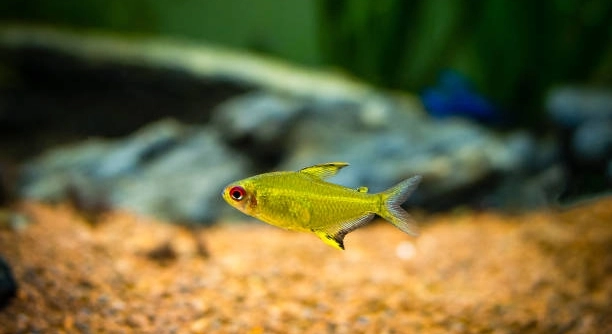
Have you ever kept a small group of peaceful fish and wondered how they behave when left without companionship in their tank environment, especially when caring for a delicate species like the lemon tetra alone?
Keeping a single lemon tetra often results in stress, impaired behavior, and declining health because this species relies on group dynamics for comfort. Isolation disrupts social signals, increases vulnerability to disease, and alters normal activity patterns in captive environments significantly.
Understanding how isolation affects this gentle fish helps you create a healthier tank that supports natural behavior and long-term well-being.
Behavioral Changes in a Lone Lemon Tetra
When a lemon tetra is kept alone, its behavior shifts in ways that show how much it depends on group interaction for stability. You may notice the fish becoming less active, staying near the bottom, or hiding more often throughout the day. These changes come from the lack of social signals that normally guide movement and offer reassurance. A lone lemon tetra may also show signs of discomfort during feeding, moving slowly toward food or avoiding open areas completely. Over time, these patterns reduce its confidence and make the aquarium feel unfamiliar and unsafe. Even in a well maintained tank, the absence of others from its species affects how it responds to light, sound, and general activity around the room. By understanding these behavioral shifts, you gain a clearer sense of how deeply this fish depends on the comfort of a small group. This awareness helps improve its care overall.
A single lemon tetra often feels unsettled in an aquarium because it lacks the support of a small group. This leads to reduced activity, uneven feeding patterns, and increased hiding, all of which signal that the fish is not fully adapting to its environment in a consistent and healthy way.
When kept alone for long periods, a lemon tetra experiences stress that influences both its behavior and its physical condition. You may see fading color, erratic swimming, or sudden bursts of movement that show its rising discomfort. These responses come from constant alertness without the reassurance provided by a group. Over time, this stress weakens its immune system and makes it less resilient during routine care. Even small disturbances in the tank can feel overwhelming to the fish, leading to more hiding and reduced interaction with its surroundings. Understanding these effects supports better decisions for its long-term care and stability.
Health Risks Linked to Isolation
A solitary lemon tetra faces several health concerns that build gradually as stress increases in its environment. Declining color, susceptibility to infections, and reduced appetite are common signs that the fish is struggling without the natural comfort of a group to regulate its behavior and confidence in its daily routine.
Over time, isolation places consistent pressure on a lemon tetra’s overall health, creating conditions that weaken its ability to cope with normal aquarium changes. Stress alone disrupts essential functions, including digestion and immune response, making the fish more vulnerable to illness. In a group, these fish rely on subtle movements and shared cues to feel secure, but without these signals, a lone individual remains alert for long periods and uses more energy than necessary. This constant strain often leads to weight loss, dull coloration, and slower reaction during feeding. Even when water parameters are kept stable, the fish may still experience discomfort because biological needs tied to social living remain unmet. A lack of stimulation also impacts activity levels, causing the fish to retreat into corners or behind plants for extended periods. The reduced movement limits muscle tone and affects the way it navigates the tank, creating a cycle of inactivity and rising stress. When these patterns continue, the fish becomes less resilient during minor disruptions, including routine cleaning or small changes in lighting. Addressing these risks means understanding how deeply the species depends on group living and providing an environment that supports its natural behavior.
Environmental Stress Factors
Environmental conditions influence how a lone lemon tetra copes with daily stress, especially when stability is already reduced by isolation. Fluctuating lighting, strong currents, and inconsistent water quality place additional pressure on its behavior and increase the likelihood of discomfort that continues to build over time in its small environment.
Maintaining stable water conditions becomes more important when a lemon tetra lives alone because the fish cannot rely on group cues to reduce tension. Temperature swings, low oxygen levels, or rising nitrates make the fish more reactive, leading to uneven movement or extended hiding. Even small shifts in pH can feel overwhelming when the fish is already stressed by isolation. A consistent maintenance routine helps prevent sudden changes that may intensify its discomfort. Adding gentle filtration, moderate lighting, and calm areas also supports a sense of safety. These adjustments allow the fish to settle and reduce the buildup of stress.
Environmental enrichment becomes important for a solitary lemon tetra because it helps soften the impact of limited social interaction. Plants, driftwood, and shaded spaces encourage gentle exploration and reduce sudden bursts of movement caused by stress. These elements create a layout that offers both shelter and smoother swimming routes, allowing the fish to feel less exposed throughout the day. Balanced lighting and quiet filtration prevent the tank from feeling too active or too bright, which often unsettles an isolated fish. Thoughtful placement of decor gives the fish predictable paths that support steadier activity and reduce moments of tension each day.
Tank Setup Recommendations
Proper tank setup supports a lemon tetra living alone by reducing stress that builds from constant alertness. Stable temperature, clean water, and gentle flow help the fish maintain normal behavior without feeling overwhelmed. Dense planting or soft hiding spots offer security, while open swimming spaces maintain natural movement. Each element works together to make the tank feel predictable and calm for the isolated fish. These adjustments create a space that reduces tension and promotes activity.
A structured tank helps reduce many challenges a lone lemon tetra faces by offering a stable environment that supports healthier behavior. Consistent water changes keep toxins low, while balanced filtration maintains clarity without producing strong currents. Selecting fine gravel or soft sand prevents the fish from experiencing irritation during bottom exploration. Tall plants placed along the back and sides form sheltered zones that limit visual stress, and floating plants soften overhead light to create a atmosphere. Open areas in the center allow the fish to swim freely without feeling trapped. Decorations arranged with intention guide movement around the tank, reducing quick dashes that often signal discomfort. When every part of the setup works together, the fish experiences fewer disruptions and responds calmly to daily activity.
Behavioral Support Through Companionship
Keeping lemon tetras in small groups reduces stress and encourages stable activity throughout the day. Their interactions help regulate movement, create predictable behavior, and reduce sudden reactions that often appear when a single fish is left without support in its environment for long periods.
Group living also helps maintain steady feeding habits, stronger color, and calmer swimming patterns. The presence of companions provides constant reassurance, which allows each fish to feel safer when exploring, resting, or responding to changes around the tank. This support plays a major role in overall stability.
Social Structure in a Healthy Group
A well balanced group of lemon tetras creates a calm atmosphere that benefits each individual. Their collective movement encourages steady pacing, and shared cues help regulate reactions to light, noise, and general activity. When surrounded by their own kind, the fish gain confidence and show more natural swimming patterns throughout the day. Group interactions also support stronger immunity because stress levels remain lower, reducing the pressure that often affects solitary fish. When the group feels secure, behaviors like schooling, feeding, and resting become more consistent. This stability encourages healthier color, smoother swimming, and reduced hiding. A small group makes the tank feel less intimidating and allows each fish to respond more naturally to its surroundings, improving comfort and overall well being.
Proper Feeding Practices
Feeding becomes easier for lemon tetras when they feel secure, and a group setting encourages steady appetite and smoother movement toward food without hesitation or stress that often appears when a fish lives alone.
How long can a lemon tetra survive alone?
A single lemon tetra can survive alone for a limited period, often several weeks to a few months, depending on tank conditions and care. However, survival does not mean thriving. Isolation increases stress levels, weakens immunity, and can lead to behavioral problems. The fish may become less active, hide more, and show duller coloration. Even in a perfectly maintained tank, the lack of social interaction prevents the fish from expressing natural behaviors, which can affect feeding habits and overall health. Longevity in isolation is unpredictable, and the fish will likely face higher risks of illness compared to those kept in groups.
Is it harmful to keep just one lemon tetra?
Yes, keeping a lone lemon tetra is harmful in the long term. These fish are schooling species that rely on small groups for social cues and comfort. Isolation disrupts their natural behavior, increases stress, and can weaken the immune system, making them more susceptible to disease. You may notice erratic swimming, hiding, and reduced appetite as signs of discomfort. Even with excellent water quality, temperature stability, and a carefully arranged tank, a solitary lemon tetra lacks the reassurance that companions provide. Over time, this can lead to physical decline and lower resilience to minor environmental changes or disturbances in the tank.
Can a lemon tetra live happily alone?
A lemon tetra cannot truly live happily alone. Their well-being depends on being part of a small group, usually four to six individuals. Group dynamics provide security, reduce stress, and encourage natural schooling behavior. Without companions, a lone fish may survive but often experiences chronic stress, reduced activity, and abnormal behavior patterns. Happiness in this context is measured by natural behavior, vibrant coloration, and steady feeding, all of which are influenced by social interaction. Ensuring multiple lemon tetras are present in the tank allows each fish to engage in instinctive movement and enjoy a calmer, more stable environment that supports both mental and physical health.
What are the signs that a lemon tetra is stressed from being alone?
Stress in a solitary lemon tetra can appear in several ways. The fish may hide frequently, swim erratically, or remain motionless near the tank bottom. Color may fade, and appetite may decrease, leading to potential weight loss. Rapid gill movement or sudden darting across the tank also indicates discomfort. Stress can affect immune function, making the fish more prone to illness. Observing these signs early allows corrective actions, such as adding companions or improving environmental conditions, to reduce anxiety and help restore normal behavior. Continuous monitoring is essential to prevent long-term damage.
How can tank setup reduce stress for a lone lemon tetra?
Proper tank setup can reduce some stress but cannot fully replace companionship. Adding plants, driftwood, and shaded areas provides hiding spots and creates a sense of security. Gentle filtration and moderate lighting prevent overwhelming currents or bright glare that may increase anxiety. Open swimming areas allow for exploration while maintaining predictable pathways that reduce sudden, stressful movements. Maintaining stable water parameters, including temperature, pH, and nitrate levels, further supports well-being. While these adjustments help, they cannot completely mitigate the effects of isolation, highlighting the importance of keeping lemon tetras in small groups for optimal mental and physical health.
Can other species keep a lemon tetra company?
Other species may provide visual activity but cannot substitute for the social structure of its own kind. Lemon tetras respond specifically to conspecific signals, which regulate schooling behavior and social comfort. While peaceful tankmates may reduce boredom or offer visual stimulation, they do not provide the reassurance that a group of lemon tetras does. Relying solely on different species may leave the fish stressed and more vulnerable to illness. Ensuring a proper group of lemon tetras remains the most effective way to maintain natural behavior, promote confidence, and reduce the negative effects associated with isolation.
What is the minimum number of lemon tetras recommended for a tank?
A minimum of four to six lemon tetras is recommended to create a stable group. This number allows the fish to engage in natural schooling behavior, offering mutual comfort and reducing stress. Groups smaller than four can leave individual fish feeling insecure, while larger groups promote better schooling patterns and more consistent activity. A well-sized group ensures healthier feeding habits, steadier color, and calmer movement throughout the tank. Keeping this social minimum supports overall well-being, helping the fish thrive and display natural behaviors that are impossible for a solitary individual to maintain.
Are there long-term effects of keeping a lemon tetra alone?
Yes, long-term isolation can lead to chronic stress, diminished coloration, erratic swimming, weakened immune function, and reduced appetite. Over months, these factors may shorten lifespan and increase susceptibility to disease. Behavioral problems, including excessive hiding or lack of schooling instincts, often persist even if companions are added later. Preventing these effects requires keeping lemon tetras in appropriate groups from the start and providing a stable environment with suitable hiding spaces, plants, and moderate tank activity. Social interaction is critical for maintaining mental and physical health over the fish’s lifetime.
How often should tank conditions be monitored for a lone lemon tetra?
Monitoring should be frequent, at least weekly for basic water parameters, including temperature, pH, and ammonia levels. Daily observation of behavior and appetite is essential to catch early signs of stress. Even minor fluctuations in tank conditions can significantly impact a solitary fish. Consistent maintenance reduces stress and helps mitigate some effects of isolation, though it does not replace the need for companions to ensure optimal health and natural behavior patterns.
Keeping a lemon tetra alone is something that should be carefully considered because this species thrives in groups. These small, peaceful fish are naturally social, relying on each other for security, guidance, and comfort. When isolated, a single lemon tetra may survive for a short period, but its quality of life is compromised. The fish can become stressed, hide frequently, swim erratically, and show duller colors. Even with perfect water conditions and a well-decorated tank, the lack of companions affects both behavior and physical health. Understanding these limitations is important before deciding to keep a lemon tetra alone, as the fish’s social needs are not optional—they are essential for stability and well-being.
The behavioral and health effects of isolation are noticeable and can develop quickly. A solitary lemon tetra may reduce its movement and activity, avoid open swimming areas, and show irregular feeding habits. Chronic stress weakens the immune system, making the fish more vulnerable to disease and slower to recover from minor issues. Lack of stimulation can also affect muscle tone and natural swimming patterns, causing a decline in overall fitness. Even small improvements in tank setup, such as adding hiding spots, plants, or gentle filtration, cannot fully replace the benefits of social interaction with other lemon tetras. Companionship is necessary to maintain natural behavior, prevent stress-related issues, and allow the fish to express instincts like schooling and synchronized movement.
Providing an appropriate group of lemon tetras and a stable environment is the most effective way to ensure health and happiness. A small group of four to six fish offers social interaction, reassurance, and the opportunity to engage in natural behaviors. When housed in a well-maintained tank with moderate lighting, clean water, and appropriate hiding areas, these fish thrive both physically and mentally. Observing a healthy group of lemon tetras swimming together, feeding steadily, and displaying bright colors demonstrates the benefits of companionship. While solitary care may seem manageable, understanding the risks and prioritizing social needs ensures a longer, healthier, and more balanced life for these delicate, active fish.

Hello,
If you enjoy the content that we create, please consider saying a "Thank You!" by leaving a tip.
Every little bit helps us continue crafting quality advice that supports the health, happiness, and well-being of pets around the world, for pets of all shapes, sizes, and species.
We really appreciate the kindness and support that you show us!