
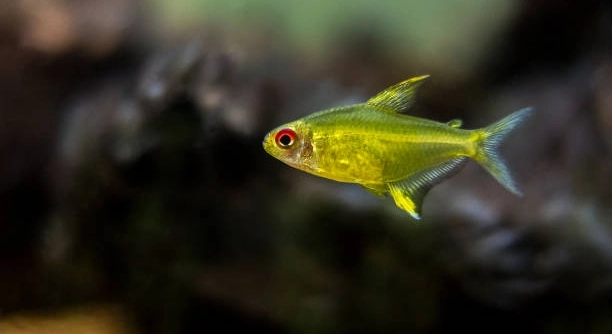
Lemon tetras are small, lively fish that bring color and movement to any freshwater tank. Watching them swim can be calming, and their behaviors often reflect their well-being in ways that are easy to notice.
Happy lemon tetras display clear signs such as active swimming, bright coloration, healthy fins, proper feeding response, social interaction with tank mates, calm behavior, and low stress indicators. These traits collectively indicate a well-maintained and balanced aquatic environment.
Observing these behaviors closely will help ensure your lemon tetras thrive and maintain a healthy, vibrant presence in your tank.
Active Swimming Patterns
Lemon tetras that are happy move freely throughout the tank. They rarely stay in one corner for long periods and often glide in small schools. Watching them swim around plants, decorations, and open spaces indicates that they feel secure and comfortable in their environment. When they dart suddenly, it is usually a response to light changes or food being introduced rather than stress. Swimming at all levels of the tank, including near the surface, middle, and bottom, shows they are confident in their surroundings. Their movement is smooth, with no signs of lethargy or struggling. Regular activity like this contributes to muscle health and overall well-being. Observing their patterns over time helps identify if any environmental changes are affecting them negatively. It also signals that the water parameters, such as temperature, pH, and cleanliness, are suitable. Healthy swimming is one of the clearest indicators of a thriving lemon tetra tank.
Active swimming indicates a tank that meets their physical and environmental needs.
Smooth, continuous movement in schools, exploring different tank areas, and reacting naturally to stimuli all suggest a healthy, stress-free habitat where the tetras can thrive.
Bright Coloration
Bright, consistent coloration in lemon tetras is a strong indicator of happiness. When their yellow tones are vivid and evenly distributed, it reflects good nutrition, proper water quality, and low stress levels. Dull or faded colors can suggest illness or poor water conditions, so vibrant hues are reassuring. Healthy fish will maintain this brightness even during feeding times or light fluctuations. Color changes during the day are usually natural and minor, but any abrupt shifts should be noted. Well-fed tetras with high-quality food will show their best colors more consistently, and seeing them interact in groups highlights their natural vitality. Tank lighting also enhances their appearance, but it should not be too harsh. Observing how their colors respond to different activities gives insight into their overall condition and emotional state.
Coloration reflects overall health and indicates that the tank conditions are suitable.
Maintaining bright colors requires a combination of proper diet, stable water parameters, and a calm environment. Feeding them balanced food regularly ensures they get nutrients that support pigment development. Keeping the water clean and stable prevents stress that can dull colors. Regular monitoring of temperature, pH, and hardness ensures consistency that allows their natural vibrancy to shine. Additionally, providing plants, hiding spaces, and open swimming areas helps them feel secure, contributing to better coloration. Lighting should mimic a natural cycle to avoid overstressing the fish while enhancing their natural hues. When all these factors are balanced, the tetras display their colors fully, swim confidently, and interact positively with other tank mates. Bright coloration is a reliable, visible sign that the tank is supporting their health and happiness effectively.
Healthy Fins
Healthy lemon tetras have fins that are fully intact, smooth, and free from tears or clamping. Their dorsal and tail fins spread naturally while swimming, signaling strength and comfort in their tank environment. Frayed or folded fins often indicate stress, poor water quality, or illness.
Maintaining proper water conditions is essential for fin health. Regular water changes and monitoring pH, temperature, and ammonia levels prevent infections and fin rot. Balanced nutrition also strengthens fin tissue, helping the fish maintain their natural structure. Avoiding overcrowding reduces physical damage from tank mates, and providing gentle water flow allows the fins to move freely without strain. Observing the fins during daily tank checks can help detect early issues before they become serious.
Healthy fins reflect both environmental stability and good nutrition. When tetras move through the water gracefully with fully extended fins, it confirms that tank conditions, diet, and social settings are appropriate. This visible sign makes it easier to monitor their well-being regularly.
Proper Feeding Response
Lemon tetras that respond quickly to food are generally healthy and alert. They gather near the feeding area and eagerly nibble without hesitation, showing normal appetite and energy levels.
A strong feeding response demonstrates that the fish are receiving adequate nutrition and that their metabolism is functioning correctly. Over time, consistent eagerness for meals indicates they are comfortable and not stressed by tank conditions or aggressive tank mates. Food should be varied and appropriately sized to encourage natural foraging behavior, ensuring each fish gets enough nutrients. Monitoring feeding habits also helps spot potential issues early, such as illness or dietary deficiencies, before more serious health problems develop.
Observing how tetras interact during feeding provides insight into both individual and group well-being. Fish that feed actively and without competition signals a balanced social environment. Proper feeding routines, combined with high-quality diet and clean water, reinforce positive behaviors. It also allows for easy assessment of appetite changes that may indicate health concerns. Consistent feeding response is a reliable measure of happiness and overall tank harmony.
Social Interaction
Happy lemon tetras spend time swimming in groups and staying close to each other. They show coordinated movement and often follow one another, which indicates comfort and a strong sense of security within their environment.
Regular social interaction helps reduce stress and promotes natural behaviors. Fish that isolate themselves may be experiencing discomfort or illness. Observing group patterns is a simple way to monitor tank harmony and overall well-being.
Calm Behavior
Calm lemon tetras move smoothly without sudden jerks or frantic bursts. They are neither hiding excessively nor showing signs of panic, demonstrating a stable and comfortable environment. Their even swimming and relaxed posture are indicators that water conditions, tank setup, and social dynamics are balanced.
Low Stress Indicators
Signs of low stress in lemon tetras include clear eyes, normal breathing, and absence of fin clamping. Stress can be minimized with proper tank maintenance, stable water parameters, and gentle handling. Observing these subtle behaviors regularly ensures their continued health and contentment.
How often should I feed my lemon tetras?
Lemon tetras thrive on small, consistent meals rather than one large feeding. Feeding them once or twice a day with the amount they can consume in a few minutes helps prevent overfeeding. Overfeeding can lead to poor water quality, which may stress the fish and affect their health. A varied diet that includes high-quality flakes, micro-pellets, and occasional live or frozen foods supports their growth, coloration, and energy levels. Watching their feeding behavior also provides insight into their overall health, as active, eager fish are generally happy and well-adjusted.
Can lemon tetras live with other fish?
Yes, lemon tetras are peaceful and social, making them suitable for community tanks. They coexist well with other small, non-aggressive fish like rasboras, guppies, and small catfish. Avoid larger, aggressive species that may stress or harm them. Keeping lemon tetras in groups of at least six ensures they display natural schooling behavior and feel secure. Stress from incompatible tank mates can affect swimming patterns, coloration, and appetite. Observing interactions over time helps maintain harmony in the tank. Proper tank setup with plants and hiding spots further reduces potential conflicts and supports a stable environment.
What water conditions do lemon tetras need?
Lemon tetras prefer slightly acidic to neutral water, with a pH between 6.0 and 7.5. Temperature should be kept between 72°F and 78°F for optimal comfort. They are sensitive to rapid changes in water quality, so maintaining stable parameters is essential. Regular water changes, a good filtration system, and monitoring ammonia, nitrite, and nitrate levels help prevent stress and disease. Soft to moderately hard water is ideal, and adding plants or driftwood can help create a natural environment. Proper water care supports coloration, swimming activity, and overall health, ensuring the tetras remain happy and vibrant in the tank.
How can I tell if my lemon tetras are stressed?
Stress in lemon tetras can appear through unusual swimming patterns, clamped fins, hiding for extended periods, or loss of appetite. Faded colors and rapid gill movement are also signs of discomfort. Identifying stress early allows for adjustments in water quality, diet, and tank environment. Overcrowding, poor water parameters, or aggressive tank mates are common stress factors. Providing stable conditions, a balanced diet, and appropriate social grouping helps reduce stress. Monitoring behavior regularly makes it easier to maintain a calm, thriving tank where tetras can display natural behaviors without worry.
What is the best tank setup for lemon tetras?
A tank of at least 20 gallons is recommended for a school of lemon tetras. Include plants, rocks, and open swimming areas to mimic their natural habitat. A gentle water flow, proper filtration, and a consistent light cycle promote health and reduce stress. Decorations should provide hiding spots without overcrowding the tank, allowing free movement. Floating plants can create shaded areas, which tetras appreciate, while open areas encourage active swimming. Balancing aesthetics with functionality ensures the fish feel safe and display natural behaviors. Regular maintenance of substrate and decorations helps maintain water quality and overall tank health.
How do I maintain their bright coloration?
Maintaining bright colors involves proper nutrition, clean water, and minimal stress. Feeding high-quality food with natural color-enhancing ingredients helps pigments develop. Stable water parameters prevent fading caused by stress or illness. A balanced environment with good lighting, hiding spots, and social interaction encourages natural vibrancy. Avoid overcrowding or aggressive tank mates, as these conditions can dull colors. Observing the tetras daily helps detect subtle changes in coloration, which may indicate diet or water issues. Consistent care ensures lemon tetras remain visually striking and healthy, reflecting their overall well-being in the tank.
Can lemon tetras breed in a home aquarium?
Lemon tetras can breed if conditions mimic their natural environment, including soft, slightly acidic water and consistent temperature around 75°F. Providing fine-leaved plants or spawning mops allows eggs to be deposited safely. Adults should be well-fed and healthy to encourage breeding. Once eggs are laid, removing the adults prevents them from eating the eggs. Fry require infusoria or specially prepared micro-food initially. Breeding success depends on maintaining stable water quality and avoiding stress. Observing the process carefully allows for early intervention if problems arise. Successful breeding reflects a stable, well-maintained tank that supports natural behavior and reproduction.
How often should I clean the tank?
Regular cleaning is crucial for lemon tetra health. Partial water changes of 20-25% weekly maintain water quality without stressing the fish. Cleaning the substrate removes excess waste and uneaten food, while filter maintenance ensures proper filtration. Avoid cleaning all decorations or substrate at once, as it may disrupt beneficial bacteria. Monitoring water parameters during cleaning helps prevent sudden changes. Consistent maintenance reduces stress, prevents disease, and supports overall well-being. Keeping the tank clean also preserves their environment, encourages active swimming, and helps maintain bright coloration, ensuring a happy and thriving lemon tetra school.
Are there common diseases I should watch for?
Lemon tetras are generally hardy but can be prone to ich, fin rot, and bacterial infections if water conditions are poor. Early signs include white spots, frayed fins, or sluggish behavior. Promptly addressing water quality, quarantine procedures, and proper medication helps prevent outbreaks. Maintaining stable water parameters, avoiding overfeeding, and ensuring proper tank hygiene reduce disease risk. Regular observation of swimming patterns, appetite, and appearance helps detect issues early. Healthy, unstressed fish are less likely to become ill. Preventive care, proper diet, and a clean environment are the most effective ways to keep lemon tetras disease-free and happy.
What type of lighting is best for lemon tetras?
Moderate lighting that mimics a natural day-night cycle is ideal. Too bright or direct light can stress them, while too dim light may reduce activity and coloration. Using a timer ensures consistency and helps maintain their circadian rhythm. Floating plants can diffuse light, providing shaded areas. Proper lighting supports their natural behaviors, feeding routines, and interaction within the group. It also enhances the visual appeal of their bright yellow color and the tank overall. Adjusting light gradually when changes are necessary prevents sudden stress, allowing lemon tetras to remain calm and comfortable in their environment.
Caring for lemon tetras requires attention to their environment, diet, and social needs. These small, active fish thrive when their tank is kept clean, water parameters are stable, and they are fed a balanced diet. Observing their behavior daily can reveal a lot about their well-being. Signs like active swimming, bright coloration, healthy fins, and eagerness to feed indicate that the fish are happy and comfortable. Maintaining a stable temperature and pH, along with regular water changes, helps prevent stress and illness. Providing a suitable tank size and decorations that mimic their natural habitat supports natural behavior and reduces anxiety. Lemon tetras are social, so keeping them in groups of at least six allows them to display schooling patterns and reduces isolation or stress-related behavior.
A healthy diet is essential for keeping lemon tetras vibrant and active. Offering high-quality flakes, pellets, and occasional live or frozen foods ensures they receive all necessary nutrients. Varied food not only supports growth but also enhances their bright yellow coloration, which is a visual sign of good health. Overfeeding should be avoided, as uneaten food can pollute the water and increase the risk of disease. Feeding at regular intervals allows the fish to develop a consistent routine, which reduces stress and supports their natural behavior. Observing how they respond during feeding times also provides insight into their overall health. Fish that eagerly come to the food without hesitation are generally in good condition and thriving in their tank environment.
Maintaining a harmonious and well-kept tank is crucial for long-term success with lemon tetras. Ensuring compatibility with other fish, providing adequate hiding spots, and monitoring social interactions prevents aggression and stress. Regular cleaning and monitoring water quality helps maintain a healthy environment. Paying attention to subtle signs, like clamped fins, faded coloration, or changes in swimming behavior, allows early intervention before problems escalate. Happy lemon tetras are a result of consistent care, a stable environment, proper nutrition, and social balance. Observing these factors carefully ensures that the fish not only survive but flourish, creating a lively, visually appealing, and peaceful aquarium. A well-maintained tank promotes a sense of security, encourages natural behaviors, and allows lemon tetras to display the full range of their active and vibrant nature.

Hello,
If you enjoy the content that we create, please consider saying a "Thank You!" by leaving a tip.
Every little bit helps us continue crafting quality advice that supports the health, happiness, and well-being of pets around the world, for pets of all shapes, sizes, and species.
We really appreciate the kindness and support that you show us!