
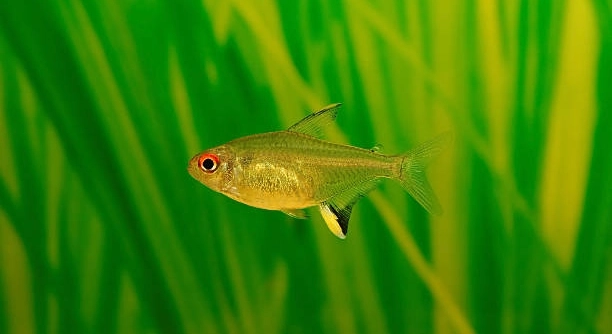
Have you ever tried guiding your lemon tetras through breeding and felt unsure about the right steps to help them succeed in your aquarium setup, especially when preparing them for a healthy spawning experience today.
Successful lemon tetra breeding relies on specific environmental triggers that support their natural spawning behavior. Adjusting water chemistry, lighting patterns, diet, and temperature creates ideal conditions that encourage reproductive responses and improve the likelihood of consistent and healthy breeding outcomes.
Each of these triggers plays a meaningful role, offering insight into what supports reliable breeding and stronger results over time.
Clean Water Conditions
Maintaining clean water conditions is essential for encouraging strong breeding behavior in lemon tetras. Stable parameters support their comfort and help them respond naturally to subtle environmental cues. Soft, slightly acidic water promotes better spawning reactions, especially when paired with consistent filtration that avoids harsh flow. Many aquarists notice improved responses when performing small, frequent water changes that keep the tank fresh without causing sudden shifts. This steady environment helps the fish feel safe, allowing breeding triggers to work more effectively. When the water remains stable, lemon tetras can settle into a routine that supports predictable spawning activity without unnecessary stress affecting their behavior or health.
Clean water also allows these small fish to maintain healthy energy levels and interact normally with one another, reinforcing signals that lead to spawning. Even minor lapses in cleanliness can disrupt their rhythm and delay progress.
When the water is well maintained, lemon tetras respond more confidently, showing brighter colors and more synchronized behavior, which both support reliable breeding patterns and stronger results for dedicated keepers.
Balanced Nutrition
Proper nutrition has a direct impact on successful breeding, especially when preparing lemon tetras for spawning. High quality foods increase their strength and help them respond more effectively to environmental cues that support reproductive activity.
Feeding a mix of live or frozen options, such as daphnia or baby brine shrimp, helps condition lemon tetras for spawning by boosting their vitality and encouraging natural behavior. These foods support egg development in females and improve fertilization in males by providing essential nutrients that dry foods alone may not fully supply. Offering smaller meals several times a day keeps their energy stable and prevents overeating, allowing the fish to maintain steady activity throughout the breeding period. A strong feeding routine creates noticeable improvements, since well nourished lemon tetras typically become more active and responsive to temperature adjustments, water changes, and light cues. Consistent feeding also reduces stress, helping them interact more smoothly with one another and encouraging synchronized habits that support a successful breeding cycle.
Temperature Adjustments
Raising the temperature slightly helps stimulate breeding behavior in lemon tetras. A gradual increase encourages activity without overwhelming them, allowing their bodies to react naturally to the change and preparing them for more consistent spawning patterns within the tank.
Adjusting temperature within a safe range supports internal processes that guide reproductive behavior. When the change is slow and controlled, lemon tetras show clearer signs of readiness, including improved coloration and more coordinated movement. This added warmth often pairs well with clean water and steady lighting, giving them a comfortable setting to react positively. Many keepers notice that temperature plays a quiet but powerful role in strengthening breeding responses and aligning the fish with natural spawning cues found in their native environments.
Maintaining stability is essential, since sudden spikes can cause stress and disrupt progress. A gentle increase allows the fish to adapt at a natural pace, building confidence and encouraging behaviors that contribute to reliable breeding outcomes over time.
Controlled Lighting
Lighting patterns influence how lemon tetras behave, especially during breeding attempts. A soft, consistent schedule helps regulate their rhythm and encourages responses linked to spawning behavior that rely on predictable day and night cycles within the tank environment.
Gentle, controlled lighting supports their internal rhythm and helps create a calm atmosphere that encourages natural interaction. When the lighting remains steady, lemon tetras adjust smoothly and become more confident in their surroundings. Dimming the lights slightly during spawning attempts can improve comfort and reduce unwanted stress, especially for pairs that react nervously to bright illumination. This type of environment helps them focus on one another and strengthens cues that lead to spawning. Many keepers rely on these subtle adjustments to guide the fish toward more stable and predictable breeding results, especially when combined with temperature changes and improved nutrition.
Spawning Mops and Plants
Using spawning mops or fine leaved plants helps lemon tetras release eggs comfortably while keeping them protected from adults. These structures create a calm area that encourages natural behavior and reduces stress, giving the fish a secure space to complete their spawning cycle with more predictable results over the days.
Placing these materials in shaded spots improves comfort for breeding pairs and increases the chances of successful egg deposition. The gentle cover helps them stay focused on spawning without disruption, making the overall process smoother and supporting healthier outcomes that reflect their natural tendencies in well prepared environments over time.
Soft Water Levels
Soft water with slightly acidic conditions plays a major role in triggering breeding behavior for lemon tetras because it mirrors the environments they respond to most effectively. Adjusting hardness gradually prevents stress and allows their bodies to adapt at a comfortable pace. When the water reaches an optimal softness, females develop eggs more consistently and males display clearer signs of readiness. This balance also supports smoother interaction between pairs, helping them remain calm and coordinated during spawning. Maintaining these levels requires steady monitoring, but the results often show through stronger breeding responses and improved egg viability across multiple attempts overall.
Gentle Flow
Keeping the water flow gentle helps lemon tetras feel settled during breeding, since strong currents can disrupt their movement and interrupt spawning behavior. A soft, steady flow encourages smooth interaction while preventing fatigue, creating an environment where breeding pairs remain comfortable and confident throughout the process in their tank setup.
FAQ
How often do lemon tetras breed when conditions are right?
Lemon tetras can breed frequently when their environment remains stable, especially with soft water, clean conditions, balanced nutrition, and subtle temperature adjustments. When all triggers align, pairs may spawn every few days, producing small batches of eggs each time. Consistency is more important than speed, and maintaining the same stable parameters helps avoid interruptions that can delay spawning. Many keepers find that once their group begins spawning, the behavior continues naturally as long as the tank remains predictable. Steady routines make the fish feel secure, allowing them to maintain a reliable breeding rhythm over time without extra pressure or sudden changes.
Do lemon tetras need to be separated for breeding?
Separating pairs or using a dedicated breeding tank is helpful because it prevents adult fish from eating the eggs. Lemon tetras do not protect their eggs, so placing a pair or a small group in a prepared tank with plants or mops gives the eggs a better chance of surviving. This setup also reduces stress, since the fish can focus on spawning without competition or distractions. While a community tank may still trigger breeding behavior, the eggs rarely last long. A separate tank offers more control over lighting, flow, and water softness, which strengthens breeding responses and improves success rates.
What signs show that lemon tetras are preparing to spawn?
Lemon tetras preparing to spawn often show brighter coloration, more active swimming, and closer interaction with potential partners. Females may look slightly fuller as their eggs develop, while males become more focused and attentive during courtship. These behaviors usually increase after water changes, a slight temperature rise, or adjusted lighting. When the conditions remain steady, the pair may inspect plants or mops more frequently, indicating they feel ready to release and fertilize eggs. These signs grow more pronounced when all environmental triggers support their natural responses, making it clear that spawning is approaching.
How long does it take lemon tetra eggs to hatch?
Lemon tetra eggs usually hatch within 24 to 48 hours, depending on temperature and water softness. Warmer water within the safe breeding range speeds up development slightly, while cooler conditions slow it down. Once hatched, the fry remain very small and require gentle flow and clean water to survive. Avoiding bright light is important because the fry are sensitive during their earliest stage. After a few days, they become free swimming and can begin eating tiny foods like infusoria. With careful attention, these early days create the foundation for steady growth and healthier young fish.
Should the parents be removed after spawning?
It is best to remove the parents immediately after spawning because they will eat the eggs. Separation protects the developing embryos and ensures that the breeding effort is not wasted. A prepared breeding tank makes this step simple, allowing you to transfer the adults back to their main setup once spawning finishes. Keeping the eggs alone also helps maintain stable conditions, since there are no sudden bursts of activity from adult fish. This approach helps the eggs develop without disruption and improves the chances of a strong hatch.
What foods are best for conditioning lemon tetras before breeding?
Live and frozen foods work best for conditioning. Options like baby brine shrimp, daphnia, and micro worms give the fish more energy and support egg production. These foods help males and females stay active and responsive to environmental cues. Offering them consistently leads to stronger behavior during spawning attempts, and mixing meals throughout the day keeps energy levels balanced without causing stress. Conditioning with these foods plays a direct role in producing healthier eggs and smoother spawning events.
Why is soft water so important for lemon tetra breeding?
Soft water is essential because it mirrors the natural habitats where lemon tetras spawn. Slight acidity helps trigger reproductive responses, supports egg development, and increases fertilization success. Adjusting the water slowly gives the fish time to adapt and reduces stress. When the softness is correct, the fish show stronger breeding behavior, including clearer displays from males and more consistent egg production from females. This environmental cue works best when paired with clean water, steady lighting, gentle flow, and a supportive diet, creating a complete set of conditions that guide the fish toward reliable breeding results.
Final Thoughts
Supporting lemon tetras through breeding involves understanding how each environmental factor shapes their behavior and comfort. When these fish receive steady care, they respond with clearer patterns that show how closely their routines depend on stability. Clean water, gentle flow, and soft conditions help them settle into a rhythm that feels natural to them. Each adjustment, even a small one, influences their readiness, making it easier to guide them through a successful spawning cycle. With patience, these changes become part of a predictable routine that supports strong breeding responses over time. Their behavior improves steadily when the tank remains calm and balanced, giving them the confidence to complete each step without hesitation.
As these triggers come together, the environment feels more reassuring for the fish, helping them interact with one another in smooth and consistent ways. Lemon tetras thrive when the water remains clean, the lighting is soft, and temperature changes are made carefully. Their natural patterns reflect these conditions, creating a setting where breeding becomes less stressful and more dependable. Many keepers notice that once the fish feel secure, their activity grows brighter and more coordinated, showing how important comfort is for each stage of the process. This stability matters not only during spawning but also in maintaining their long term health, ensuring they remain active and peaceful in their tank.
Taking the time to adjust water levels, prepare plants or mops, and offer proper nutrition builds a foundation for healthier breeding cycles. Each factor works together, shaping an environment the fish can trust. When they feel safe, their colors deepen, their movements become more synchronized, and their interactions become more purposeful. These signs show that the environment supports them well, allowing their natural instincts to guide them forward. By focusing on slow, steady changes, it becomes easier to understand what they need and how to support them without overwhelming the tank. Over time, this approach leads to more reliable spawning behavior, healthier eggs, and smoother development for the fry. With consistent care, lemon tetras reward the effort with steady progress, giving keepers a clear view of how balanced conditions create stronger and more successful breeding results.

Hello,
If you enjoy the content that we create, please consider saying a "Thank You!" by leaving a tip.
Every little bit helps us continue crafting quality advice that supports the health, happiness, and well-being of pets around the world, for pets of all shapes, sizes, and species.
We really appreciate the kindness and support that you show us!