
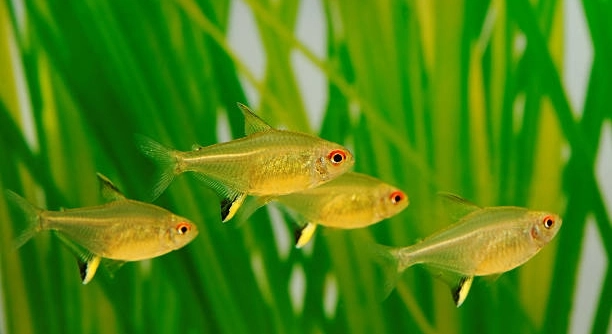
Lemon tetras are small, lively fish that thrive in a stimulating environment. Their natural curiosity makes them active swimmers, and a thoughtfully decorated tank can support both their physical health and mental enrichment.
Adding simple decorations to a lemon tetra tank can significantly enhance their environment. Plants, rocks, driftwood, and floating objects provide shelter, hideaways, and visual interest, encouraging natural behaviors while reducing stress and promoting overall well-being.
Creating a tank that supports activity and comfort is easier than many think, offering both beauty and enrichment for these delicate fish.
Live Plants
Live plants bring a natural feel to a lemon tetra tank while providing essential hiding spots. Species like Java moss, Anubias, and Amazon sword are easy to care for and tolerate various water conditions. Placing taller plants in the back and shorter ones in front creates depth and allows tetras to swim freely. Plants also help maintain water quality by absorbing nitrates and producing oxygen. Floating plants can give extra shade, reduce stress, and offer a sense of security. Choosing a mix of slow-growing and fast-growing plants ensures the tank stays visually appealing without requiring constant maintenance. Regular pruning keeps the plants healthy and prevents overcrowding, which could restrict swimming space. A well-planted tank mimics the tetras’ natural habitat, supporting their instincts to explore, hide, and interact. Observing the fish weaving through plants can be relaxing, and it encourages natural schooling behavior. Overall, live plants are both functional and decorative, making them an ideal choice for enrichment.
Live plants also help stabilize water parameters, which is vital for healthy tetras.
Providing live plants creates an environment where fish feel safe and active. Their movement through leaves encourages exploration, while rooted plants prevent the tank from looking empty. Incorporating a variety of plant types ensures the tank remains engaging over time.
Driftwood and Rocks
Driftwood and rocks give structure and natural hiding spots for lemon tetras.
Adding driftwood pieces and smooth rocks allows tetras to explore nooks and crannies. These decorations can create resting areas and simulate riverbeds. Positioning rocks to form small caves or ledges encourages natural behaviors such as darting and schooling. Driftwood also releases tannins, which can slightly soften water and create a gentle tint, mimicking the fish’s natural environment. Using multiple textures, like rough stones with smooth wood, keeps the environment dynamic without overcrowding the tank. It is important to avoid sharp edges that could injure the fish. Placement should balance aesthetics with swimming space to maintain open areas for active schooling. Observing the fish interact with these elements adds interest and helps reduce stress. Over time, algae or biofilm may develop on wood and rocks, providing an extra grazing opportunity that tetras can enjoy. Combining driftwood and rocks offers both functional enrichment and a visually appealing tank layout.
Careful placement of driftwood and rocks ensures safety and usability for fish.
These elements create depth and hiding options, making tetras feel secure. Their presence encourages natural exploration and adds visual interest without overwhelming the tank. Choosing the right size and shape of decorations supports healthy activity levels.
Floating Ornaments
Floating ornaments give lemon tetras extra hiding spots near the water surface. They provide shade and reduce stress, especially in brightly lit tanks. Lightweight decorations can move slightly with water currents, adding dynamic enrichment without restricting swimming space.
Floating ornaments can include small plastic plants, hollow spheres, or floating logs. They create shaded zones where tetras can rest and feel secure, replicating natural environments with overhanging foliage. Positioning them carefully ensures open areas remain for swimming and schooling behavior. These decorations also break up the tank visually, keeping the environment interesting. Tetras may occasionally interact with floating elements, brushing past leaves or swimming underneath them, which stimulates exploration and natural instincts. Unlike fixed decorations, floating items can be rearranged easily, offering variety without a complete tank redesign. Their lightweight nature reduces the risk of injury while still enriching the habitat.
Regularly adjusting floating ornaments keeps the tank fresh. Moving pieces around changes the layout subtly, preventing the fish from becoming too accustomed to one pattern. This encourages continual exploration and engagement with the environment, promoting healthier activity and behavior in the tetras.
Background Decor
Background decor enhances the tank’s appearance while reducing stress for lemon tetras. Solid-colored or nature-themed backgrounds make the fish feel enclosed and secure, limiting visual distractions from outside the tank.
Adding a background can also help emphasize tank elements like plants and driftwood. Dark or muted colors often highlight the tetras’ yellow tones and make their movements more visible. Some backgrounds are adhesive, while others slide behind the tank, allowing for easy replacement or updates. By providing a sense of enclosure, backgrounds mimic natural habitats where fish are protected from predators. Backgrounds can be paired with foreground decorations to create depth and a visually engaging environment. They require minimal maintenance but offer continuous benefits in terms of aesthetics and stress reduction.
Choosing a background that complements the tank’s theme adds cohesion to the layout. It not only enhances the fish’s colors but also helps unify various decorations, from rocks to plants. A well-selected background contributes to the overall enrichment of the tank, making the environment more stimulating and comfortable for lemon tetras.
Leaf Litter
Leaf litter adds a natural touch and provides hiding spots for lemon tetras. Dried Indian almond or oak leaves release tannins, softening water slightly while creating shaded areas for resting.
Leaves also encourage natural foraging. Tetras may explore the litter, picking at tiny particles and finding microhabitats, which stimulates natural behavior and adds enrichment to the tank.
Small Caves
Small caves offer secure retreats for lemon tetras. Ceramic, resin, or rock-based caves give fish private spaces to rest or hide.
Providing multiple caves prevents territorial disputes and supports natural instincts. Placement should leave open swimming areas so fish can move freely. Caves enhance tank structure and provide interest without overcrowding, encouraging activity and reducing stress.
Substrate Variety
A mix of fine sand and small pebbles mimics natural riverbeds. It allows tetras to explore the bottom while supporting plant growth and microbial activity.
Choosing light-colored substrates can also highlight the tetras’ yellow hues, making the tank visually appealing while promoting interaction with the bottom layer.
FAQ
How often should I rearrange tank decorations for lemon tetras?
Rearranging decorations every few weeks helps maintain stimulation. Tetras notice changes in their environment, which encourages exploration and prevents boredom. Minor adjustments, like moving a plant slightly or rotating a cave, are enough to keep the tank dynamic without stressing the fish. Avoid drastic changes that might disrupt established territories or make the fish feel unsafe.
Can live plants affect water chemistry for lemon tetras?
Yes, live plants can slightly change water chemistry. They absorb nitrates, release oxygen, and some species release tannins. These effects are usually beneficial, helping maintain stable water conditions and promoting a healthier environment. Monitoring parameters regularly ensures the tank remains balanced.
Are floating ornaments safe for lemon tetras?
Floating ornaments are generally safe if they have smooth edges and float gently. They provide shade and resting areas near the surface, simulating overhanging foliage. Make sure the decorations do not block filtration or create strong currents that could tire out the fish.
Do lemon tetras use caves and hiding spots regularly?
Yes, caves and hiding spots are essential. Tetras use them for resting, escaping bright light, or avoiding stress. Multiple small caves prevent competition and give each fish a safe retreat, promoting natural behavior and reducing aggression in the tank.
How important is substrate variety?
Substrate variety is important for enrichment. Different textures like sand and pebbles let tetras explore naturally and support plant roots. They can also provide grazing opportunities for microfauna that fish may feed on, making the environment more engaging. Light-colored substrates can enhance their yellow coloration.
Can driftwood change water color?
Driftwood may release tannins, slightly tinting water brown. This is generally safe and can mimic the tetras’ natural environment. It may even reduce stress by creating a calmer atmosphere. Boiling or soaking wood before adding it helps control the intensity of tannin release.
Are decorations necessary for a small tank?
Even small tanks benefit from decorations. Properly placed plants, rocks, or small caves provide stimulation and safe zones. The key is to balance enrichment with swimming space, ensuring fish can school freely without feeling cramped or overwhelmed.
How do I clean decorations without harming the fish?
Remove decorations and scrub gently with tank water or a soft brush. Avoid soaps or chemicals, which can leave residues. Rinsing thoroughly before returning items prevents contamination. Cleaning frequency depends on algae or biofilm buildup, typically every few weeks.
Do lemon tetras interact with floating plants?
Yes, they often swim around and under floating plants. These provide shade and mimic natural environments with overhanging foliage. Floating plants can also reduce light intensity in the tank, helping fish feel more secure and encouraging natural movement patterns.
Can using too many decorations stress the fish?
Yes, overcrowding the tank with decorations can restrict swimming space and increase stress. The goal is balance—provide enrichment while keeping open areas for schooling. Observing fish behavior helps determine whether the arrangement is comfortable and stimulating rather than confining.
Is there a best type of cave or ornament material?
Smooth ceramic, resin, or rounded rocks are best. Avoid sharp edges that could injure fins. Natural-looking textures are preferred as they provide secure hiding spots without causing harm, while also blending with plants and driftwood to create a cohesive tank environment.
How do decorations affect breeding behavior?
Caves and dense plants encourage spawning by offering secure sites for eggs. Providing multiple options reduces competition and stress. Floating plants can also create shaded areas preferred for laying eggs, supporting a more natural and successful breeding process.
Can decorations help reduce aggression in lemon tetras?
Yes, multiple hiding spots, plants, and caves give fish private zones, reducing conflicts. Properly spaced decorations allow tetras to school or retreat when needed, minimizing chasing and ensuring a peaceful tank dynamic. Observing fish interactions helps in adjusting placement effectively.
Are artificial plants as good as live plants for enrichment?
Artificial plants provide hiding spots and visual barriers but do not support water quality like live plants. They can still be useful for small tanks or low-maintenance setups, offering structure and stimulation without the need for constant care.
How do I combine different decorations effectively?
Mixing plants, caves, driftwood, and floating items creates a layered environment. Place taller items in the back, medium elements in the center, and small decorations or substrate variety in the front. This layout maintains swimming space while offering multiple zones for exploration and rest.
What maintenance is needed for driftwood and rocks?
Driftwood may need occasional soaking to reduce tannin release, and rocks can accumulate algae. Clean gently with tank water, avoiding harsh chemicals. Monitoring for sharp edges or loose pieces ensures safety while maintaining their enrichment function.
Can decorations be used in a community tank with other species?
Yes, but consider the needs of all species. Some fish may rearrange or chew decorations. Ensure caves, plants, and floating elements accommodate both lemon tetras and tankmates, providing hiding spots and space without overcrowding.
How often should plants be trimmed?
Trimming every few weeks prevents overgrowth and maintains swimming space. Regular pruning keeps plants healthy and ensures light reaches lower areas. Removing dead leaves also reduces waste and helps maintain water quality, supporting fish well-being.
Do lemon tetras prefer shaded or open areas?
They enjoy a mix. Shaded areas from floating plants or tall plants provide security, while open swimming space allows schooling and exercise. A balanced layout encourages natural behaviors and reduces stress by letting fish choose their preferred zones.
Can small decorations create microhabitats in the tank?
Yes, caves, rocks, and leaf litter create microhabitats that tetras explore. These zones mimic natural conditions, giving fish options for resting, hiding, or foraging. The diversity of microhabitats promotes activity, reduces stress, and keeps the tank visually interesting.
Final Thoughts
Creating a well-decorated tank for lemon tetras is not only about aesthetics but also about supporting their natural behavior and overall well-being. Decorations like plants, driftwood, rocks, and caves provide structure and security, allowing tetras to explore, hide, and rest comfortably. Each element serves a purpose, from offering shaded areas to mimicking natural habitats, which helps reduce stress and encourages healthy activity. Even small additions, such as leaf litter or floating ornaments, can make a noticeable difference in how the fish interact with their environment. By thoughtfully arranging these items, you can create a dynamic, engaging tank that promotes natural instincts and keeps the fish active. Observing the tetras as they swim through plants, hide in caves, or explore the substrate can be rewarding and adds life to the aquarium. A balanced combination of open swimming areas and strategically placed decorations ensures that the tank is neither overcrowded nor barren. This balance is key for maintaining both the fish’s comfort and the visual appeal of the tank.
Maintenance is another important aspect of tank decoration. Live plants, for example, require trimming and monitoring to prevent overgrowth, while driftwood and rocks may need occasional cleaning to remove algae or debris. Floating ornaments should be checked to ensure they do not block water flow or disrupt filtration. Decorations, although enriching, can affect water chemistry slightly, so regular water testing and adjustments are necessary to keep conditions stable. Substrate choice also contributes to the tank’s health; using a mix of sand and small pebbles can support plant roots and allow tetras to interact naturally with the bottom of the tank. These details, though small, collectively contribute to a healthier and more engaging environment. Proper maintenance ensures that each decorative element continues to serve its purpose without negatively impacting water quality or fish behavior. Consistent care and observation are essential to creating a sustainable and enriching habitat for lemon tetras.
When setting up or updating a tank, it is helpful to plan the layout carefully. Placing taller plants at the back, mid-height plants and caves in the center, and low-growing elements or varied substrate in the front creates depth and accessible swimming areas. Multiple hiding spots reduce aggression and give shy fish a safe retreat, while floating plants and ornaments provide shade near the surface. Changing the arrangement periodically or introducing new elements can maintain stimulation without causing stress. Over time, you will notice the tetras exploring more, schooling actively, and displaying natural behaviors that reflect their comfort and engagement. Ultimately, decorating a tank for lemon tetras is about creating a space where they feel secure, active, and visually enriched. Thoughtful choices in decorations and layout not only improve the health and happiness of the fish but also make the tank a more enjoyable and dynamic display for anyone watching. With a careful balance of aesthetics, functionality, and maintenance, a lemon tetra tank can become a lively, healthy, and visually pleasing environment.

Hello,
If you enjoy the content that we create, please consider saying a "Thank You!" by leaving a tip.
Every little bit helps us continue crafting quality advice that supports the health, happiness, and well-being of pets around the world, for pets of all shapes, sizes, and species.
We really appreciate the kindness and support that you show us!