
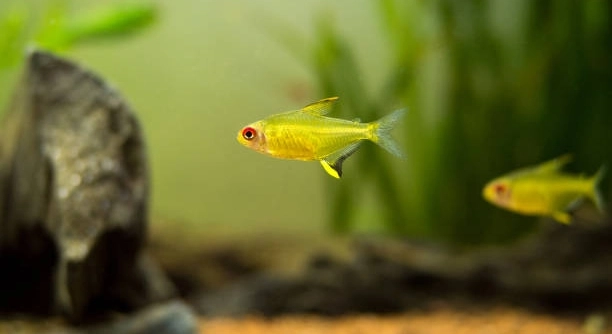
Lemon tetras are small, bright fish that bring energy and color to freshwater tanks. Their playful movements make them interesting to watch, and many aquarists enjoy observing how they interact within their environment.
Lemon tetras naturally exhibit schooling behavior. They prefer to swim in groups of at least six, which helps them feel secure and display normal social interactions. Isolated individuals often become stressed and less active in the aquarium.
Learning about their schooling habits can improve tank design and care. Recognizing these patterns ensures lemon tetras remain healthy and display natural behaviors consistently.
Understanding Lemon Tetra Schooling
Lemon tetras naturally form small groups in their environment. In a tank, this behavior helps them feel safe and reduces stress. Watching a school of lemon tetras move together can be calming and shows how they interact socially. These fish communicate subtly through movements, often coordinating their swimming patterns. A well-sized group allows each fish to find its place, creating a balanced dynamic. Stress can occur when they are alone, resulting in less activity and duller coloration. Providing enough space and hiding spots enhances their sense of security. They thrive in peaceful community tanks with compatible species. Lighting, water quality, and temperature all play roles in encouraging healthy schooling. Observing their patterns can help you adjust tank setups for optimal comfort. Group behavior also supports natural feeding habits, as they tend to follow each other toward food, ensuring everyone gets their share. Keeping a proper number in the school strengthens these instincts and overall health.
Lemon tetras feel safer and more active when kept in groups of six or more, which supports their natural behaviors.
Maintaining a proper school also reduces aggression and stress in the tank. When fish are isolated, they may hide frequently or refuse to eat, showing signs of anxiety. A stable group encourages confident swimming and social interaction. In addition, having a consistent group helps you monitor health issues, as sick or injured fish stand out more easily. Watching a coordinated school is also visually appealing, bringing energy to the tank and making it more engaging. A proper school ensures each tetra benefits from companionship, supporting long-term well-being.
Setting Up the Right School
A group of at least six lemon tetras is ideal for encouraging natural schooling.
To set up the right school, start with a tank large enough to allow free movement and swimming. Decorations and plants should provide hiding places but not block open swimming areas. Consistent water conditions are key; these fish prefer slightly acidic to neutral water, moderate flow, and stable temperatures around 72–78°F. Introducing the fish gradually helps them acclimate to each other and reduces initial stress. Feeding should be done evenly so that all fish can access food without competition. Observing the group over time ensures the school maintains cohesion, and adjustments can be made if some fish show signs of stress or isolation. This setup promotes natural behaviors, keeps the tetras active, and creates a visually dynamic tank that highlights their bright coloration.
Signs Your Lemon Tetras Are Happy
Healthy lemon tetras swim actively in groups, displaying bright colors. They respond quickly to feeding times and interact with tank mates. Calm and coordinated swimming indicates they feel secure and are thriving in their environment.
Watching their coordinated movements shows they are relaxed and confident. Happy lemon tetras maintain even spacing within the school, avoiding constant hiding or chasing. They explore the tank calmly and rarely linger at the bottom or corners. Their fins remain intact and vibrant, and they respond to subtle changes in light or movement. Feeding times highlight their alertness and social structure, as they follow each other naturally toward food. Consistent activity and natural schooling behaviors reflect overall well-being.
Unhappy or stressed tetras often display duller colors, sluggish swimming, or isolation from the school. Tank conditions, water quality, and group size directly impact these behaviors. Regular observation can help identify small issues before they affect the entire school. Proper care and attention maintain their natural habits.
Encouraging Proper Schooling Behavior
Providing a group of six or more tetras ensures natural schooling. Space, plants, and hiding spots help maintain structure.
Tank layout affects schooling patterns. Open areas allow the group to swim together, while plants or decorations offer rest and hiding places. Avoid overcrowding to reduce stress and aggression. Stable water conditions, including pH, temperature, and clean filtration, support consistent behavior. Gradual introductions prevent disruption of established social hierarchies. Feeding evenly promotes harmony, as all fish access food without competition. Observation over time ensures the group remains cohesive, with each fish actively participating in the school. Maintaining proper lighting and avoiding sudden disturbances further reinforces natural behavior.
Monitoring interactions within the school helps detect potential issues early. Fish that consistently lag behind or hide may need attention to prevent illness or bullying. Rotating tank decorations or adding new hiding spots can stimulate activity and reduce territorial disputes. Keeping water parameters stable encourages confidence, helping shy individuals integrate smoothly. By balancing group size, tank layout, and environmental consistency, lemon tetras can maintain healthy, natural schooling behavior that promotes overall well-being. Regular observation ensures adjustments can be made to support all members of the school effectively.
Tank Size and Grouping
Lemon tetras need enough space to swim freely. A minimum 20-gallon tank is recommended for a small school, with extra room improving movement and reducing stress. Proper spacing supports natural schooling behavior and helps fish stay active and healthy.
A larger group in a roomy tank allows each fish to find its place. Crowding can lead to aggression and hiding, disrupting the school. Providing enough swimming space encourages social interaction and prevents dominance issues.
Water Conditions
Stable water parameters are essential for schooling. Lemon tetras prefer slightly acidic to neutral pH, moderate temperature, and clean, well-filtered water. Sudden changes can stress the group and affect behavior. Regular monitoring keeps conditions consistent.
Tank Decorations and Hiding Spots
Plants and decorations offer shelter and comfort. They create boundaries and resting areas while leaving open space for schooling. Natural setups help fish feel secure and display normal behavior.
Feeding and Schooling Behavior
Consistent, even feeding encourages group activity. Lemon tetras swim together toward food and benefit when all members can eat without competition. Feeding routines strengthen cohesion and reduce stress.
FAQ
How many lemon tetras should be kept together?
Lemon tetras are social fish and do best in groups of at least six. Smaller numbers often lead to stress, hiding, and lack of activity. Larger groups are ideal for displaying natural schooling behavior and maintaining a balanced social dynamic in the tank.
Can lemon tetras live alone?
Lemon tetras can survive alone, but they will not thrive. Without a group, they may become timid, show dull colors, and spend most of their time hiding. Their natural instinct is to swim in a school, so keeping at least six is strongly recommended.
What tank size is suitable for schooling lemon tetras?
A minimum 20-gallon tank is recommended for a small group. Larger tanks are better if you want more tetras or other compatible species. Open swimming space is important, while plants and decorations can provide shelter without overcrowding the tank.
Do lemon tetras get along with other fish?
Lemon tetras are peaceful and compatible with many small, non-aggressive fish. Avoid larger or aggressive species that may bully or eat them. Tank mates should also tolerate similar water conditions, allowing all fish to remain healthy and display natural behaviors.
How do I encourage lemon tetras to school?
Provide at least six tetras in a spacious tank with consistent water parameters. Gradual introductions and even feeding routines help maintain group cohesion. Open swimming areas and minimal disturbances encourage coordinated movement and reduce stress. Observing the group over time helps ensure healthy schooling behavior.
What signs indicate stress or unhappiness in lemon tetras?
Stress signs include hiding, dull colors, sluggish swimming, fin damage, or isolation from the group. Sudden changes in water conditions, overcrowding, or aggressive tank mates often cause these behaviors. Monitoring your tetras regularly helps catch issues before they impact the entire school.
How important is water quality for lemon tetra schooling?
Water quality is critical. Poor conditions can stress the entire school, affecting activity, coloration, and health. Maintain stable temperature, pH, and ammonia levels, and ensure proper filtration. Clean, consistent water supports normal schooling behavior and long-term well-being.
Do decorations affect schooling behavior?
Yes, tank layout influences how tetras swim together. Plants and hiding spots provide security, while open swimming areas allow the group to move cohesively. Overcrowding or too many barriers can break up the school and increase stress, so balance is essential.
Can feeding routines influence schooling?
Regular feeding routines help maintain group cohesion. Lemon tetras naturally follow each other toward food. Feeding evenly ensures all fish get access without competition, reinforcing coordinated movement and reducing stress. Irregular feeding can disrupt the school and lead to aggression or isolation.
Are lemon tetras active at night?
Lemon tetras are diurnal and most active during the day. They rest or remain less active at night. Providing a proper day-night cycle supports healthy activity, schooling patterns, and overall behavior.
Do lemon tetras ever break from the school?
Occasionally, individuals may explore or rest briefly away from the group. Temporary separation is normal, but prolonged isolation or hiding can indicate stress, illness, or unsuitable tank conditions. Regular observation helps detect and address these issues early.
How do I introduce new lemon tetras to an existing school?
Introduce new tetras gradually using a quarantine period first. Place them in a floating breeder box or net within the tank, allowing visual contact without immediate physical interaction. Gradual integration reduces aggression, encourages acceptance, and maintains natural schooling behavior.
Can lemon tetras reproduce in a community tank?
Yes, lemon tetras can breed in a community tank, though they prefer spawning in secluded areas with plants. Eggs may be eaten by other fish, so separating a breeding pair or using a dedicated breeding tank increases success. Maintaining proper water conditions supports reproductive behavior.
How often should I observe my lemon tetras?
Daily observation is recommended. Monitoring behavior, swimming patterns, and coloration ensures the school remains cohesive and healthy. Early detection of stress or illness allows for prompt adjustments in tank setup, feeding, or water parameters. Regular attention promotes long-term well-being of the group.
What are common mistakes that disrupt schooling?
Common mistakes include keeping too few tetras, overcrowding, poor water quality, aggressive tank mates, or sudden environmental changes. Any of these can stress the fish, break the school, and reduce natural behaviors. Proper care and gradual adjustments help maintain stable, healthy schooling patterns.
Can lemon tetras school with other tetra species?
Yes, they can often school with other small, peaceful tetra species if tank conditions match. Similar size, temperament, and water requirements are important. Mixed schools should be monitored to ensure all fish integrate without stress or dominance issues.
How long do lemon tetras live in a proper setup?
With proper care, lemon tetras can live 5–8 years. Stable water conditions, a proper school, compatible tank mates, and a balanced diet contribute to longevity. Healthy schooling behavior is closely linked to their overall lifespan and well-being.
What diet supports healthy schooling?
A balanced diet of high-quality flakes, frozen or live foods, and occasional vegetable matter keeps tetras active and social. Proper nutrition ensures energy for swimming together, bright coloration, and strong immune systems. Feeding multiple small portions prevents competition and promotes group cohesion.
Can stress break the school permanently?
Severe or prolonged stress may disrupt natural schooling behavior. Common causes include poor water quality, aggressive tank mates, or isolation. Promptly addressing stress factors, improving conditions, and maintaining proper group size usually restores normal schooling behavior over time.
Is tank lighting important for schooling?
Moderate lighting helps tetras see each other and maintain coordinated movement. Bright or sudden changes can startle them, while too little light may reduce activity. Consistent, gentle lighting supports natural patterns, social interaction, and a healthy school.
Do lemon tetras need companions to stay colorful?
Yes, their bright coloration is linked to reduced stress and social interaction. Isolated or stressed fish may fade in color. Maintaining a proper school, good water quality, and regular feeding keeps them vibrant and active.
How do I know if my school is cohesive?
A cohesive school swims in coordinated patterns, maintains spacing, and follows each other during feeding. Minimal chasing or hiding indicates stability. Regular observation ensures the group remains healthy and social, allowing adjustments if any fish show stress or separation.
Can temporary separation affect schooling long-term?
Short-term separation may cause temporary stress, but fish usually reintegrate if introduced carefully. Prolonged isolation can create lasting anxiety, disrupt the social structure, and reduce confidence in swimming patterns. Careful reintegration is key to restoring normal behavior.
Are all lemon tetras equally social?
While all have natural schooling instincts, individual temperament may vary slightly. Some may be bolder or more shy, but proper group size, consistent conditions, and gradual introductions help balance personalities within the school.
Do tetras interact with humans?
Lemon tetras are curious and may respond to movement near the tank or feeding. While not interactive like some larger fish, they display alertness and recognition, adding enjoyment when observing their coordinated swimming and social behavior.
Keeping lemon tetras in an aquarium is rewarding when their natural schooling behavior is respected. These small, colorful fish thrive when placed in groups of six or more, allowing them to swim together in coordinated patterns. Observing a healthy school highlights their social instincts and provides a sense of liveliness to the tank. Space is just as important as numbers. A cramped tank can lead to stress, aggression, or hiding, while a well-sized environment with both open swimming areas and strategically placed decorations allows the tetras to move freely while feeling secure. Plants and hiding spots contribute to their comfort, but they should never restrict the school’s movement. By carefully balancing space, group size, and tank setup, you support their natural tendencies and create a visually engaging aquarium.
Water quality is another essential aspect of maintaining a happy school. Lemon tetras are sensitive to sudden changes in pH, temperature, and cleanliness. Keeping stable water parameters encourages healthy swimming and proper schooling patterns. Clean, filtered water reduces stress and prevents disease, while consistent maintenance routines help you notice changes in behavior early. Even feeding plays a role in reinforcing schooling habits. By providing small, even portions and avoiding competition during feeding times, you help all members of the group remain active and confident. Regular observation of behavior, coloration, and interactions ensures you can address minor issues before they escalate. This attention to detail strengthens the social structure of the school and promotes long-term health.
Behavior, tank setup, and social dynamics are closely connected in lemon tetras. A well-cared-for school shows alertness, coordinated swimming, and bright colors. Even slight changes in environment, group size, or water conditions can affect their confidence and interaction. Monitoring the group consistently allows for timely adjustments, whether it’s improving water quality, adjusting decorations, or ensuring enough companions for every individual. Supporting these fish in expressing their natural behaviors helps them remain active, reduces stress, and enhances their overall well-being. By prioritizing proper schooling, stable conditions, and thoughtful care, lemon tetras can thrive in home aquariums, displaying natural, healthy behaviors that make them both interesting to observe and satisfying to care for.

Hello,
If you enjoy the content that we create, please consider saying a "Thank You!" by leaving a tip.
Every little bit helps us continue crafting quality advice that supports the health, happiness, and well-being of pets around the world, for pets of all shapes, sizes, and species.
We really appreciate the kindness and support that you show us!