
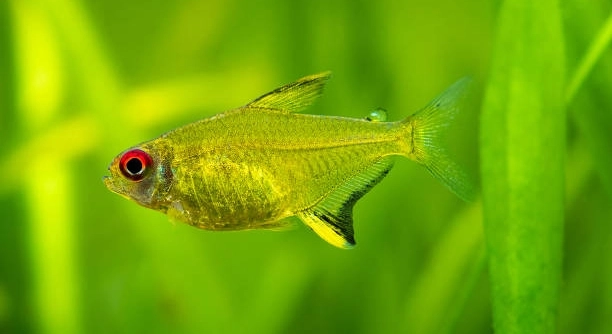
Setting up a tank for lemon tetras can be both exciting and rewarding. These small, colorful fish thrive in well-maintained aquariums. Creating a comfortable environment ensures they stay healthy, active, and display their natural behaviors beautifully.
The perfect tank for lemon tetras requires stable water conditions, proper filtration, and adequate space. A balanced combination of plants, hiding spots, and gentle lighting supports their well-being, while maintaining a clean environment prevents stress and promotes long-term health.
Knowing the right setup can make a big difference in your fish’s life. Small changes in the tank can improve their comfort and vitality significantly.
Choosing the Right Tank Size
For lemon tetras, tank size is crucial. A minimum of 20 gallons is recommended for a small school of six to eight fish. This size provides enough swimming space and helps maintain stable water parameters. Taller tanks with moderate surface area support oxygen exchange effectively. Heavily planted tanks create natural hiding spots and reduce stress. Avoid overcrowding, as it can lead to aggression, stunted growth, and poor water quality. A proper substrate, like fine gravel or sand, complements live plants and creates a natural environment. Position the tank away from direct sunlight and drafts to prevent temperature fluctuations. Filtration should match the tank size, with gentle flow to suit the tetra’s small size. Regular partial water changes help maintain water quality. Observing their behavior in the new tank will indicate comfort levels. Overall, a well-sized tank balances swimming space, plant coverage, and water stability to ensure healthy lemon tetras thrive.
Proper sizing prevents stress and supports active, healthy fish. A comfortable tank encourages natural schooling and behavior.
Maintaining the right tank size requires careful attention to both number of fish and decorations. Overcrowding can strain filtration and lead to water quality issues. Spacing between plants, rocks, and other decorations is important so the fish can swim freely. Tetras prefer open mid-level swimming areas with shaded corners for hiding. A larger tank makes temperature control easier and reduces sudden changes from external influences. Smaller tanks may require more frequent water monitoring and maintenance. Choosing the right size initially saves time and ensures fish stay healthy without frequent interventions. Adjusting decorations gradually allows tetras to adapt without stress, creating a stable and natural-feeling environment that keeps them active and vibrant.
Water Conditions and Maintenance
Stable water conditions are essential for lemon tetras. They thrive in slightly acidic to neutral pH, soft water, and temperatures between 72 and 78°F.
Regular water changes, about 25% weekly, prevent harmful waste buildup. Testing pH, ammonia, nitrite, and nitrate keeps water safe.
Maintaining water conditions includes careful monitoring of chemistry and cleanliness. Use a reliable test kit to track parameters. Gradually adjust any changes to prevent stress. Filter media should be rinsed in tank water to retain beneficial bacteria. Avoid overfeeding, as leftover food decomposes and harms water quality. Temperature stability can be achieved with a heater and a thermometer for accuracy. Plants and gentle aeration help maintain oxygen levels and reduce pollutants. Removing dead leaves or debris improves clarity. Observing fish daily provides insight into their comfort and signals potential issues. Consistent maintenance creates a healthy environment that reduces disease risk and supports their bright colors and active schooling behavior, making the tank a balanced and thriving habitat.
Filtration and Flow
A gentle filter is best for lemon tetras. Strong currents stress them and disrupt schooling. Sponge filters or adjustable hang-on-back filters work well, keeping water clean without excessive movement.
Filters need regular cleaning to avoid debris buildup. Rinse media in tank water to protect beneficial bacteria. Check flow levels periodically and adjust to prevent strong currents. Combining mechanical, chemical, and biological filtration ensures a stable environment. Over-filtering can remove helpful microorganisms, so balance is key. Position the intake carefully to avoid sucking up small fish or fry. Observing how the tetras swim helps determine if flow is appropriate. A well-chosen filter supports water clarity, fish health, and stable conditions.
Filtration also impacts oxygen levels and water circulation. Even with plants, a mild flow helps prevent stagnant areas. Tetras enjoy mid-water swimming, so avoid placing decorations that block current. Some filters include aeration features, adding extra oxygen, which is beneficial for active schooling. Consistent maintenance ensures reliable performance. A properly balanced setup minimizes algae growth and prevents sudden spikes in toxins. Small adjustments in flow and filter placement can greatly improve comfort and reduce stress. The right filtration system keeps the tank clean, clear, and healthy for lemon tetras, enhancing their color and activity.
Lighting and Plants
Moderate lighting supports plant growth without stressing lemon tetras. Avoid overly bright or flashing lights, as tetras prefer diffused light and shaded areas.
Live plants improve water quality, provide hiding spots, and encourage natural behavior. Fast-growing species like java moss or hornwort are easy to maintain.
Plants not only offer shelter but also enrich the tank visually and environmentally. Grouping plants in corners and along the back gives open swimming areas in the middle. Floating plants reduce light intensity and create calm zones. Regular trimming prevents overcrowding and decay, which can affect water quality. Combining tall and short plants adds depth and simulates a natural habitat. Some slow-growing plants, like Anubias, can be attached to driftwood for added texture. A mix of rooted and floating plants enhances oxygenation and supports beneficial bacteria. Balanced lighting and well-placed plants create a comfortable, visually pleasing environment that supports active, healthy lemon tetras throughout the tank.
Tank Mates
Lemon tetras are peaceful fish and do best with other small, non-aggressive species. Avoid larger, territorial fish that may harass or eat them.
Good companions include small rasboras, corydoras, and peaceful dwarf gouramis. Keep them in schools to reduce stress and encourage natural behavior.
Feeding and Nutrition
A varied diet supports health and vibrant coloration. High-quality flake or micro-pellets can form the base, supplemented with live or frozen foods like brine shrimp and daphnia. Feed small portions two to three times daily, removing uneaten food to maintain water quality and prevent pollution.
Temperature and Stability
Lemon tetras thrive in stable water between 72 and 78°F. Sudden temperature swings cause stress, weaken immunity, and may lead to disease. Using a reliable heater and thermometer helps maintain consistent conditions, supporting active, healthy fish that school naturally and display bright colors.
FAQ
How many lemon tetras should I keep together?
Lemon tetras are schooling fish and feel safest in groups. A minimum of six is recommended, but eight to ten is ideal. Larger schools reduce stress, encourage natural swimming patterns, and make the tank visually more lively. Small numbers can lead to shyness and hiding.
What water parameters are best for lemon tetras?
They thrive in slightly acidic to neutral water, with pH between 6.0 and 7.5. Water hardness should be soft to moderately hard, and temperature should remain stable between 72 and 78°F. Regular testing ensures conditions remain safe for long-term health.
Can lemon tetras live with other fish?
Yes, but only with peaceful, small species. Avoid large or aggressive fish that may nip fins or chase them. Good tank mates include small rasboras, corydoras, guppies, and peaceful dwarf gouramis. Always observe interactions when introducing new fish.
How often should I feed them?
Feed small amounts two to three times a day. Overfeeding leads to water quality issues and obesity. A mix of high-quality flakes or micro-pellets, supplemented with live or frozen foods like brine shrimp, daphnia, or bloodworms, keeps them healthy and colorful.
Do lemon tetras need a heavily planted tank?
Heavily planted tanks are not strictly necessary, but live plants help reduce stress and improve water quality. Plants like Java moss, Anubias, or floating species provide hiding spots and shaded areas, creating a more natural environment for schooling behavior.
What kind of filter is best?
A gentle filter is ideal. Sponge filters or adjustable hang-on-back filters maintain clean water without creating strong currents that can stress the fish. Regular cleaning ensures the filter works efficiently while retaining beneficial bacteria.
How often should I perform water changes?
Partial water changes of 20–25% weekly are recommended. This removes waste, prevents nitrate buildup, and maintains stable water conditions. Always treat tap water with a dechlorinator and match temperature to the tank to avoid shocking the fish.
Can lemon tetras be bred in a home aquarium?
Yes, they can be bred with careful preparation. A separate breeding tank with soft, slightly acidic water and plenty of fine-leaved plants helps protect eggs. After spawning, adults should be removed to prevent eating the eggs. Fry require small live or powdered foods for proper growth.
Why are my lemon tetras hiding constantly?
Excessive hiding usually indicates stress. Common causes include poor water quality, incorrect temperature, overcrowding, or aggressive tank mates. Ensure stable conditions, appropriate tank mates, and sufficient hiding spots. Observing their behavior after adjustments helps gauge improvement.
How can I maintain their bright colors?
Diet, water quality, and stress levels influence coloration. Provide a balanced diet with varied foods and maintain clean, stable water. Avoid strong currents and overcrowding. Healthy, stress-free tetras display more vibrant yellow and iridescent hues naturally.
What should I do if a fish gets sick?
Quarantine sick fish immediately to prevent spreading disease. Identify the problem using reliable resources and treat with appropriate medication. Maintain excellent water quality, avoid overfeeding, and remove uneaten food to reduce stress and encourage recovery.
Are lemon tetras good for beginners?
Yes, they are hardy and relatively easy to care for with proper setup. Maintaining stable water conditions, a suitable tank, and a balanced diet makes them manageable even for new aquarists. Observing behavior and regular maintenance ensures success.
Can they live in small tanks?
While they tolerate smaller tanks, anything under 10 gallons is not recommended. Small tanks make water parameters unstable and limit swimming space. A minimum of 20 gallons supports healthy schooling behavior and provides space for decorations and plants.
How long do lemon tetras live?
With proper care, they can live 5 to 7 years. Longevity depends on water quality, diet, and tank environment. Regular maintenance and a stress-free environment promote longer, healthier lives for the fish.
Do they need special lighting?
Moderate lighting is best. Too bright can stress them, while diffused or shaded areas help them feel secure. Lighting should support plant growth if live plants are present and create a comfortable environment for natural behavior.
Can I keep lemon tetras in a community tank?
Yes, as long as the other fish are peaceful and similar in size. Avoid aggressive species or fin nippers. Proper tank size, hiding spots, and observation when introducing new fish help maintain harmony.
Is it necessary to cycle the tank before adding them?
Absolutely. Cycling establishes beneficial bacteria that break down ammonia and nitrites. A fully cycled tank reduces stress and prevents illness. Test water regularly to confirm safe levels before introducing lemon tetras.
Do they produce a lot of waste?
They produce a moderate amount, so proper filtration and regular water changes are important. Overcrowding can overwhelm the system, leading to poor water quality and stressed fish. Monitor tank cleanliness to maintain health.
Can they tolerate slightly cooler water?
They prefer stable temperatures between 72–78°F. Short periods slightly below this range are generally tolerated, but prolonged exposure can weaken immunity, reduce activity, and increase susceptibility to disease. A heater ensures stability in cooler climates.
How do I introduce new tetras to an established tank?
Float the new fish in a bag for 15–20 minutes to equalize temperature. Gradually mix tank water into the bag over 30–60 minutes. Then release them carefully, observing behavior for signs of stress or aggression from existing fish.
Do they require special substrates?
They are not picky, but fine gravel or sand is ideal. It supports plants, prevents injury, and creates a natural environment. Darker substrates can enhance their colors and reduce stress compared to bright or reflective surfaces.
How often should I trim plants in the tank?
Trim plants regularly to prevent overcrowding, decay, and blocked swimming areas. Fast-growing plants may need weekly attention, while slow growers require less. Clean trimming improves water quality and maintains a comfortable environment for the tetras.
Can lemon tetras jump out of the tank?
Yes, they are small and agile. A secure lid or hood is recommended to prevent escape, especially in tanks without plants or hiding spots. Even small gaps can be risky, so proper coverage is essential for safety.
What signs indicate stress in lemon tetras?
Signs include hiding, clamped fins, reduced swimming, loss of color, and loss of appetite. Stress often results from poor water conditions, aggressive tank mates, overcrowding, or sudden changes in environment. Identifying and correcting the cause helps restore normal behavior.
Do they need water additives or supplements?
Not necessarily if water quality is maintained. Occasionally adding trace minerals or using high-quality food can support health, but stable, clean water and a varied diet are the most important factors. Avoid overuse, which can harm water chemistry.
Can they live with shrimp or snails?
Yes, small peaceful shrimp and snails are compatible. Avoid larger or aggressive shrimp that may stress the fish. Snails help with algae control, and shrimp provide activity without harming tetras, creating a balanced tank ecosystem.
Is it normal for them to change color slightly?
Yes, slight color changes occur due to mood, stress, breeding, or lighting. Bright colors indicate health and comfort, while dull colors may signal stress or poor conditions. Monitoring water quality and environment helps maintain their natural vibrancy.
How do I clean the tank without stressing the fish?
Perform partial water changes, clean decorations and substrate gently, and avoid sudden temperature changes. Use siphons and rinse filter media in tank water. Move slowly and consistently to minimize disturbance and maintain a calm environment for the tetras.
Are lemon tetras sensitive to chlorine or chemicals in water?
Yes, tap water must be treated with a dechlorinator before adding to the tank. Chlorine and chloramine are harmful and can kill fish or beneficial bacteria. Always check water quality before introducing new water to maintain a safe environment.
Can they tolerate tap water with high mineral content?
They prefer soft to moderately hard water. High mineral content or very hard water can stress them and affect health over time. Use water conditioners, RO water, or mix with softer water to achieve appropriate hardness levels.
Do they interact with humans?
Lemon tetras do not seek interaction but may become accustomed to human presence. Observing them closely can show curiosity or schooling near the front of the tank. They respond to gentle movement but prefer a calm, stable environment.
What is the best way to acclimate new plants?
Rinse plants thoroughly, remove dead leaves, and trim if needed. Gradually introduce them to tank water, especially if plants were grown in different water conditions. This reduces stress for both plants and fish and prevents sudden changes in water chemistry.
Are floating plants beneficial for lemon tetras?
Yes, they create shaded areas that reduce stress, soften lighting, and provide a sense of security. Floating plants also help absorb excess nutrients and improve water quality, contributing to a healthier tank environment overall.
How do I know if the tank is overstocked?
Signs include excessive waste, stressed or hiding fish, poor water quality, and aggressive behavior. A general guideline is one inch of fish per gallon, but schooling fish like tetras need more space. Observing behavior and monitoring water parameters helps prevent overcrowding.
Can they live without live plants?
Yes, but live plants improve water quality, offer hiding spots, and encourage natural behavior. Without plants, provide decorations or driftwood to create shaded areas and reduce stress. A well-structured tank can still support healthy, active tetras.
What do I do if ammonia spikes occur?
Perform immediate partial water changes, check filter function, and avoid feeding temporarily. Test water frequently and consider using ammonia-neutralizing products if necessary. Stabilizing the environment quickly prevents illness and protects the fish.
Can lemon tetras adapt to different tank setups?
They adapt well to various setups if conditions are stable. Adequate swimming space, mild flow, hiding spots, and consistent water quality are key. Gradual changes are better than sudden modifications to avoid stress and maintain health.
Do they need a quarantine tank?
Yes, for new fish. Quarantining prevents disease from spreading to established fish. Observe for signs of illness for at least two weeks before adding them to the main tank. This step reduces risk and protects the community.
Can they tolerate slightly salty water?
A very mild amount of aquarium salt can help with minor stress or disease, but excessive salinity harms them. Only use salt as directed for specific treatments and always monitor fish behavior closely.
How fast do they grow?
Lemon tetras grow slowly to medium size, reaching about 1.5 inches when fully mature. Growth depends on diet, water quality, and tank conditions. Proper care ensures healthy development without stunted growth.
Do they school tightly or loosely?
They school loosely when comfortable but group more tightly under stress or when threatened. A proper tank size, calm environment, and compatible tank mates encourage natural, relaxed schooling behavior.
Is constant water testing necessary?
Regular testing is important, especially during setup and water changes. Monitoring ammonia, nitrites, nitrates, and pH ensures a safe environment and prevents stress or illness. Once stable, testing can be less frequent but should remain consistent.
What is the easiest way to feed frozen foods?
Thaw frozen foods before feeding and offer small portions to prevent overfeeding. Remove uneaten food after a few minutes. Frozen brine shrimp, daphnia, or bloodworms provide essential nutrients and variety in diet.
Do lemon tetras prefer soft or hard water?
They prefer soft to moderately hard water. Extremely hard water can reduce their activity and affect coloration. Adjust hardness gradually if needed, using conditioners or mixing water sources for balance.
Can they live in a bare-bottom tank?
Yes, bare-bottom tanks are easier to clean, but lack of substrate reduces hiding areas. Provide decorations, plants, or floating cover to compensate and maintain a comfortable environment.
Are they compatible with bettas?
Bettas may be aggressive, especially males. Only consider very peaceful, non-fin-nipping bettas with careful observation. Tanks must be large with hiding spots to prevent conflict. Even then, stress risks remain high.
How long should lights stay on each day?
Eight to ten hours of moderate light supports plant growth and natural behavior. Avoid prolonged lighting, which can stress fish and encourage algae growth. Adjust duration gradually based on plant and fish needs.
Can lemon tetras survive in slightly alkaline water?
They tolerate pH up to 7.5 but prefer slightly acidic to neutral. Gradually adjust water to avoid sudden changes. Monitoring behavior and coloration helps ensure water remains suitable for their health.
What is the best way to introduce new fish?
Float the bag to match temperature, gradually mix tank water, and release carefully. Observe for stress or aggression and have hiding spots available. Slow introduction reduces stress and improves acceptance in the community tank.
How do I encourage natural behavior?
Provide plants, open swimming space, mild flow, and compatible tank mates. Regular feeding, stable water conditions, and minimal disturbances help tetras display schooling, foraging, and active movement naturally.
Do they need a special diet for breeding?
Yes, high-protein foods like live or frozen brine shrimp encourage spawning. Supplement with quality flakes or micro-pellets. Maintain stable water conditions and a well-planted breeding tank for optimal results.
What signs indicate water quality problems?
Cloudy water, algae overgrowth, stressed fish, or sudden behavior changes signal issues. Test for ammonia, nitrite, nitrate, and pH. Addressing problems quickly prevents illness and supports healthy tetras.
Can lemon tetras tolerate tap water without treatment?
No, untreated tap water contains chlorine or chloramine harmful to fish. Use a dechlorinator before adding water to maintain safe conditions and protect both fish and beneficial bacteria.
Do they prefer bright or dim tanks?
They prefer moderate to dim lighting with shaded areas. Too bright light can stress them, while natural diffused lighting encourages natural schooling and foraging behaviors.
How often should I check their behavior?
Daily observation is ideal. Watch for signs of stress, illness, or aggression. Early detection allows prompt adjustments in care, ensuring a healthy, active, and thriving tank environment for lemon tetras.
Is it okay to mix lemon tetras with neon tetras?
Yes, both are peaceful schooling fish with similar care requirements. Ensure the tank is large enough to accommodate schools of both species and provide hiding spots to prevent stress.
Do they need extra oxygenation?
Not usually if the tank is well-planted with gentle water flow. Additional aeration can help in warmer or crowded tanks to maintain stable oxygen levels.
Can they tolerate mild current from a filter?
Yes, mild currents are fine, but avoid strong flow. Gentle circulation helps oxygenation without stressing small, delicate tetras. Observing swimming patterns can indicate if adjustments are needed.
How do I prevent fin nipping?
Avoid aggressive or fin-nipping species. Keep sufficient space and hiding spots. Stress reduction through proper diet, tank conditions, and compatible tank mates minimizes the risk of fin damage.
What is the easiest way to acclimate new fish?
Float in a bag to equalize temperature, gradually add tank water, and release gently. Monitor for stress and ensure hiding spots are available to help adaptation.
Can lemon tetras live in a tank without a lid?
Not safely. They are small and can jump. A secure lid prevents escapes and protects them from accidents.
Are they suitable for nano tanks?
They can survive in small tanks, but minimal space reduces swimming freedom and increases maintenance. A larger tank is recommended for health, schooling, and long-term well-being.
Do they need a pH stabilizer?
Not usually if water is stable and monitored. Only use stabilizers if adjustments are required to maintain slightly acidic to neutral conditions.
How do I know if they are stressed?
Clamped fins, hiding, reduced activity, loss of color, or refusal to eat are signs. Address water quality, tank mates, or environmental issues to reduce stress.
Can lemon tetras tolerate fluctuations in temperature?
No, sudden changes can stress fish, weaken immunity, and increase disease risk. Stable temperatures are essential for health and activity.
Do they require frequent tank rearrangement?
No, they prefer stability. Occasional changes are fine but frequent alterations can cause stress and disrupt schooling patterns.
How do I prevent algae growth?
Maintain proper lighting, avoid overfeeding, perform regular water changes, and include live plants or algae-eating tank mates. Balance nutrients to control excessive algae.
Can they live with snails that reproduce quickly?
Yes, as long as snail population does not overwhelm the tank. Monitor numbers and remove excess snails if needed to prevent water quality issues.
Are lemon tetras active during the day or night?
They are diurnal, most active during daylight. Providing a natural light cycle with shaded areas allows normal activity patterns and reduces stress.
Do they need hiding places even in a peaceful tank?
Yes, even peaceful fish need shelter to feel secure. Plants, rocks, and decorations offer retreat areas and reduce stress, supporting natural behavior.
Can they survive short periods without food?
Yes, they can tolerate a day or two, but regular feeding ensures health, vibrant color, and energy. Prolonged fasting is harmful.
How do I prevent ammonia spikes in a new tank?
Cycle the tank fully before adding fish. Use test kits, avoid overstocking, and perform gradual water changes. Introduce fish slowly to maintain stable water chemistry.
Do lemon tetras recognize each other?
Yes, schooling behavior shows recognition. They follow familiar individuals, maintaining group cohesion and reducing stress.
Is it normal for them to dart suddenly?
Yes, quick movements are natural schooling responses or reactions to minor disturbances. Frequent panic may indicate stress or poor water conditions.
Can lemon tetras tolerate slightly cooler water at night?
A minor drop is acceptable, but sudden or extreme changes weaken immunity and may cause illness. Maintain consistency for best health.
Do they need specialized lighting for breeding?
No, standard moderate lighting works. Focus on water quality, plants, and diet to encourage spawning rather than specialized light setups.
Can lemon tetras live with small shrimp?
Yes, peaceful shrimp are compatible. Avoid larger or aggressive shrimp that may stress them. Small shrimp provide activity without threatening fish.
How do I know if a fish is sick before symptoms show?
Behavioral changes like hiding, reduced swimming, clamped fins, or unusual color shifts are early indicators. Regular observation helps detect problems early.
Do they need live food daily?
No, live or frozen foods supplement flakes or pellets
Creating the perfect tank for lemon tetras takes careful planning, but it is very rewarding. These small, colorful fish thrive in a stable, well-maintained environment. Choosing the right tank size, usually a minimum of 20 gallons, ensures they have enough space to swim and school naturally. Adding plants, hiding spots, and gentle lighting creates a comfortable space that reduces stress and encourages natural behavior. A proper substrate, such as fine gravel or sand, supports plants and makes the tank feel more natural. Positioning the tank away from direct sunlight and sudden drafts helps maintain stable water temperature. Observing the fish in a new setup allows you to adjust decorations or plant placement to suit their needs. Maintaining a balance between open swimming areas and shaded hiding spots is key to keeping lemon tetras healthy, active, and vibrant.
Water conditions are critical for their long-term health. Lemon tetras prefer slightly acidic to neutral water, soft to moderately hard, and a stable temperature between 72 and 78°F. Regular testing of pH, ammonia, nitrite, and nitrate levels is essential to catch issues before they affect the fish. Partial water changes of about 20–25% weekly help maintain clean water and remove waste. Filtration should be gentle but efficient, providing mechanical, chemical, and biological support. Cleaning filter media in tank water rather than tap water helps preserve beneficial bacteria. Overfeeding can lead to water quality problems, so offering small portions of a varied diet, including flakes, pellets, and live or frozen foods, keeps the tetras healthy. A well-planned feeding schedule, combined with proper water maintenance, reduces stress and supports the bright coloration and active schooling behavior lemon tetras are known for.
Tank mates, plants, and lighting all play an important role in creating a balanced environment. Peaceful small fish, like rasboras or corydoras, complement lemon tetras without causing aggression. Moderate lighting supports plant growth while avoiding stress from overly bright conditions. Live plants improve water quality, provide hiding spots, and encourage natural behavior. Floating plants or tall background plants create shaded areas and open mid-water spaces, allowing the tetras to swim freely. Gradual trimming of plants prevents overcrowding, while decorations add visual interest and additional shelter. Observing fish behavior regularly helps detect stress or illness early. Consistency in water conditions, tank structure, and feeding routines ensures the tetras thrive. A well-maintained tank provides a stable, comfortable home where lemon tetras can live active, healthy lives, displaying their full range of colors and natural behavior for many years.

Hello,
If you enjoy the content that we create, please consider saying a "Thank You!" by leaving a tip.
Every little bit helps us continue crafting quality advice that supports the health, happiness, and well-being of pets around the world, for pets of all shapes, sizes, and species.
We really appreciate the kindness and support that you show us!