
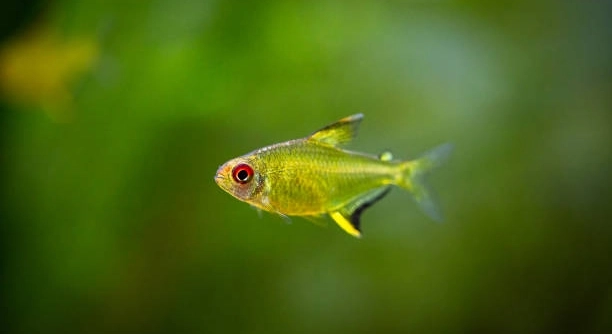
Lemon tetras are small, bright fish that add life to any aquarium. Their delicate bodies and vibrant color make them popular among hobbyists. Many aquarists wonder how different water conditions might affect their behavior and comfort.
Lemon tetras generally prefer slow to moderate water flow. Fast-flowing water can stress them, reduce swimming efficiency, and negatively affect their natural schooling behavior. Ensuring a calm environment helps maintain their health and overall well-being.
Understanding the right water conditions is essential for keeping lemon tetras happy and active. Observing their behavior in different flows can improve aquarium management and care techniques.
Understanding Lemon Tetra Habitat Preferences
Lemon tetras originate from slow-moving rivers and streams in South America. Their natural environment is characterized by gentle currents, dense vegetation, and shaded areas. In aquariums, mimicking these conditions helps them feel secure and exhibit natural behaviors. Strong currents can tire them quickly and interfere with their schooling patterns, which are essential for their sense of safety. By observing their swimming habits, it is clear that they gravitate toward calmer areas, often near plants or decorations that provide shelter. Adjusting filters and water flow can create zones of varied current, allowing the tetras to choose where they swim. This flexibility is crucial because forced exposure to strong currents may increase stress hormones, reducing immunity and potentially leading to health issues. In a properly set-up tank, lemon tetras display vibrant colors, active movement, and cohesive group behavior, demonstrating the importance of replicating their preferred habitat conditions as closely as possible for their overall well-being and long-term health.
Controlling flow rates in the aquarium is straightforward. Simple adjustments to filter output or placement can provide calm areas for tetras.
A well-planned tank ensures lemon tetras are not only visually striking but also mentally stimulated. Incorporating plants, hiding spots, and gentle currents creates a balanced environment. Observing their schooling behavior and color intensity offers insight into their comfort levels, making it easier to maintain optimal conditions.
How Fast Flow Affects Swimming and Health
Fast-flowing water often overwhelms lemon tetras. It forces them to expend more energy, which can disrupt normal swimming and lead to fatigue.
When lemon tetras swim against strong currents, their energy is diverted from growth, immune function, and natural behaviors. Over time, persistent exposure can cause stress, evidenced by faded colors, erratic movements, or hiding for extended periods. Tetras are built for steady, gentle water movement, so abrupt or strong flow can physically strain their small bodies. Even in larger tanks, placing decorations or flow deflectors can help reduce current intensity, creating zones where the fish can rest. Observing their response to different areas of the tank provides clear indicators of suitable flow rates. Adjusting the flow ensures they can swim naturally, school effectively, and maintain their health. Regular monitoring of behavior, coloration, and appetite can prevent long-term negative effects, supporting a stable, thriving aquarium environment tailored to lemon tetra needs.
Adjusting Aquarium Flow for Lemon Tetras
Lemon tetras need calm areas to thrive. Using adjustable filters or adding flow deflectors can help create gentle currents, giving them zones to rest while still circulating water. Monitoring their behavior helps ensure the flow is suitable for their comfort.
Positioning plants and decorations strategically can significantly reduce strong currents. Tall plants, driftwood, and rocks break the flow, creating calmer pockets for lemon tetras. This arrangement allows them to swim naturally without constant resistance while still experiencing some gentle movement, which is closer to their native environment. Observing where they spend most of their time shows which areas need adjustment.
It is also important to vary water speed gradually when making changes. Sudden increases can stress fish, causing them to hide or display erratic movements. Slowly adjusting flow while tracking swimming patterns helps maintain their health. A balanced environment encourages schooling, vibrant coloring, and consistent activity levels, keeping lemon tetras happy and resilient.
Signs Lemon Tetras Are Uncomfortable in Fast Water
Lemon tetras may show stress through color fading, hiding, or erratic swimming in strong currents. Recognizing these signs is key to adjusting tank conditions.
Stress from fast water affects feeding and overall behavior. Tetras may struggle to reach food, swim in disorganized groups, or avoid certain tank areas. Consistent exposure to strong currents can weaken their immune system, making them prone to disease. Stress can also reduce their natural bright coloration and disrupt schooling behavior. Observing interactions and body language regularly helps detect issues early. Adjusting flow, adding resting spots, and providing sufficient cover restores comfort and encourages natural activity patterns.
Ideal Tank Setup for Lemon Tetras
Creating a calm environment starts with tank layout. Dense plants, driftwood, and gentle hiding spots help reduce water flow and provide safe areas for lemon tetras. Proper spacing between decorations ensures they can swim freely without stress.
Filter placement affects current direction. Positioning it away from central swimming areas and using a spray bar or sponge can soften flow. This adjustment prevents constant resistance while maintaining water quality.
Monitoring Behavior in Different Currents
Watching how lemon tetras react to various flow rates provides insight into their comfort. Calm zones are usually preferred, and fish will gather there when currents are too strong. Adjustments can then be made based on these observations.
Benefits of Gentle Flow
Gentle currents promote natural swimming patterns, reduce stress, and allow schooling behavior. Tetras can explore the tank comfortably while still receiving adequate water circulation, supporting health and well-being.
FAQ
Do lemon tetras need a strong filter?
Lemon tetras do not require a strong filter. They thrive in tanks with gentle to moderate water movement. A strong filter can create currents that stress them and interfere with natural schooling behavior. It is better to use adjustable filters or add flow deflectors to control water speed.
How can I reduce current in my tank?
Current can be reduced by repositioning the filter, using sponge filters, or adding flow deflectors. Plants, driftwood, and rocks act as natural barriers, creating calmer zones. Observing where tetras spend most of their time helps determine which areas need less flow.
Can lemon tetras live in fast-flowing water at all?
Short periods in slightly stronger currents are usually tolerated, but prolonged exposure can cause stress, fatigue, and reduced feeding efficiency. They naturally prefer slow-moving waters, so creating mostly calm areas is essential for their health.
How do I know if my lemon tetras are stressed by water flow?
Signs include hiding for long periods, swimming erratically, reduced appetite, and faded coloration. They may avoid areas with strong currents, gathering near plants or decorations where water is calmer. Monitoring behavior helps prevent long-term health issues.
Are plants important for managing water flow?
Yes, live or artificial plants break up strong currents, provide hiding spots, and allow tetras to rest. Dense vegetation also replicates their natural habitat, offering security and reducing stress from fast-moving water. Strategic placement is key to balancing flow.
Does tank size affect water flow preference?
Tank size influences how flow affects fish. Larger tanks may allow stronger currents in some areas without stressing the tetras, but calm zones are still necessary. Smaller tanks require careful adjustment to avoid overly strong circulation throughout the tank.
Can lemon tetras adapt to stronger currents over time?
They can tolerate slight increases gradually, but adaptation has limits. Prolonged exposure to strong currents will still cause stress, affect growth, and reduce schooling behavior. Providing consistent, gentle water flow ensures long-term health and activity.
Should I use a spray bar or powerhead?
Spray bars are preferable because they distribute flow evenly and gently. Powerheads often create strong currents that can overwhelm lemon tetras. Using deflectors or placing equipment away from main swimming areas can soften the water movement.
How often should I check water flow?
Regular observation is recommended, at least weekly, to ensure currents are not causing stress. Monitoring swimming patterns, feeding behavior, and schooling helps detect areas where flow adjustments may be needed.
What other factors support comfort in gentle-flow tanks?
Besides flow, maintaining stable water temperature, proper pH, and clean water is important. Calm swimming areas, sufficient hiding spots, and appropriate tank mates reduce stress and support natural behavior in lemon tetras.
Can tank decorations replace plants for flow management?
Yes, driftwood, rocks, and artificial decorations can break currents and create resting spots. They offer similar benefits to plants in controlling flow, though live plants add extra benefits like oxygenation and natural cover.
Is water movement necessary at all?
Yes, gentle water movement is important for oxygenation and waste removal. The goal is to balance circulation without creating strong currents that disrupt swimming, feeding, or schooling behavior.
How do I measure water flow?
Flow can be observed by watching fish and surface movement. Gentle ripples are sufficient, while strong resistance or fish struggling indicates too much flow. Flow meters can also provide precise measurement for larger or heavily filtered tanks.
Do lemon tetras need resting areas?
Absolutely. Calm zones behind plants, decorations, or corners of the tank allow them to rest and conserve energy. Resting areas are crucial in preventing stress caused by continuous swimming against currents.
Can tankmates affect water flow preferences?
Yes, active or larger tankmates may generate additional water movement. Providing calm areas ensures lemon tetras can escape strong currents caused by other fish. Observing interactions helps identify necessary adjustments to tank layout.
Is it okay to mix fast and slow flow zones?
Yes, creating zones of varied flow is ideal. Lemon tetras will choose calmer areas while still benefiting from mild currents in other sections, promoting natural behavior and flexibility without causing stress.
How do I gradually adjust flow?
Start with gentle increases and monitor reactions. Small changes over several days allow tetras to adapt without excessive stress. Using adjustable filters or partially covering outlets helps control flow incrementally.
What happens if I ignore flow issues?
Ignoring strong currents can lead to chronic stress, weakened immune system, reduced coloration, erratic behavior, and decreased feeding. Over time, this may result in illness or shortened lifespan. Observing and adjusting flow is essential for their well-being.
Can I use air stones instead of filters?
Air stones provide oxygenation but do not circulate water efficiently. Filters with controlled flow are necessary to maintain water quality while ensuring currents remain suitable for lemon tetras.
Do juvenile lemon tetras need gentler flow than adults?
Yes, younger tetras are more vulnerable to strong currents. Providing calm zones ensures they can feed, grow, and develop without excessive energy expenditure or stress. Gradually introducing moderate flow is safer as they mature.
Is water flow more important than temperature?
Both are important, but inappropriate flow can cause immediate stress, while temperature fluctuations may have slower effects. Maintaining gentle water movement along with stable temperature ensures optimal health and comfort for lemon tetras.
How do I balance oxygenation and gentle flow?
Use gentle filters, surface agitation, or aeration stones. This maintains oxygen levels without creating strong currents. Observing fish behavior confirms whether the flow is balanced and non-stressful.
Can substrate affect water flow?
Yes, fine substrates may be stirred by strong currents, while rocks or uneven surfaces naturally slow water movement. Strategic substrate placement helps create gentle areas for resting and feeding.
What adjustments help during tank maintenance?
During cleaning or water changes, avoid sudden strong currents. Moving fish slowly and reducing flow temporarily helps prevent stress. Reintroduce gentle circulation once maintenance is complete.
Do lemon tetras prefer slow water during breeding?
Yes, calmer areas are crucial for spawning. Strong currents can scatter eggs, stress adults, and disrupt pair bonding. Providing sheltered zones increases breeding success.
Are fast currents ever beneficial?
Brief exposure may encourage exercise, but prolonged strong currents are harmful. Moderate, controlled flow is sufficient for circulation and stimulation without causing stress.
How can I tell if my adjustments are successful?
Signs include consistent schooling, vibrant colors, active swimming, and normal feeding. Fish spending time in calm zones indicates satisfaction with flow adjustments, while avoidance suggests further refinement is needed.
Should I combine live plants and decorations for flow control?
Combining both provides maximum flexibility. Plants offer natural cover and oxygenation, while decorations deflect flow effectively. This combination creates varied zones suitable for all tank sections.
Can lemon tetras thrive in community tanks with stronger currents?
They can, if calm zones are available. Adjusting filter placement and providing hiding spots allows them to coexist without continuous stress from other fish or stronger flow areas.
How long does it take for tetras to adjust to new flow conditions?
Adjustment usually takes a few days if changes are gradual. Abrupt alterations may cause prolonged stress, so slow, monitored adjustments are best for long-term comfort.
Are there signs that flow is too weak?
Too little movement can cause stagnant water, reduced oxygen, and accumulation of debris. Gentle circulation ensures water quality while still allowing tetras to swim naturally.
What equipment helps maintain gentle flow?
Adjustable filters, spray bars, sponge filters, and flow deflectors all help control water speed. Proper placement ensures circulation without creating stressful currents.
How often should I reassess flow?
Periodic observation during feeding, resting, and schooling is recommended. Seasonal changes, new tankmates, or equipment adjustments may require flow reevaluation to maintain optimal conditions.
Do lemon tetras need special attention in heavily planted tanks?
Yes, dense plants naturally reduce flow. Monitoring water circulation ensures oxygen levels remain sufficient while providing the calm zones tetras prefer. Adjusting filter output may be necessary to maintain balance.
Can high flow cause injury?
Prolonged exposure may strain fins and muscles. Fish may become fatigued or develop minor injuries if constantly swimming against strong currents. Creating calmer areas prevents such risks.
Is it necessary to document flow adjustments?
Keeping notes helps track changes and observe patterns in behavior, coloration, and activity. This ensures any issues are addressed promptly and maintains a stable environment for lemon tetras.
Do different strains of lemon tetras react differently to flow?
Some variations may show slight tolerance differences, but generally all prefer slow to moderate currents. Observing individual behavior is the best guide for adjustments.
Are floating plants useful for flow management?
Yes, they reduce surface agitation and soften water movement. Floating plants create shaded, calm areas where lemon tetras can rest, contributing to overall comfort in the aquarium.
Can I train tetras to swim in faster currents?
Training is limited. Gradual exposure may improve endurance slightly, but their natural preference is slow-moving water. For long-term health, it is better to provide gentle flow.
Does lighting affect flow comfort?
Indirectly, yes. Bright lighting can stress tetras in combination with strong currents. Dimmer or diffused light encourages resting in calm zones and reduces overall stress levels.
How important is tank shape for flow management?
Rectangular tanks allow better control of current direction, while tall or narrow tanks may concentrate flow. Adjustments with decorations and filter placement are necessary to maintain gentle zones throughout.
Can water additives affect swimming behavior?
Some additives may alter water density or chemistry, indirectly affecting buoyancy and swimming. Always follow manufacturer instructions and observe fish behavior when introducing new substances.
Are fast-flowing aquariums ever suitable for lemon tetras?
Not as a primary condition. Short bursts or localized currents are tolerable, but extended exposure compromises health and natural behavior. Calmer zones are always needed.
Do lemon tetras prefer surface or bottom flow?
They prefer gentle, evenly distributed flow. Strong surface flow can stress them while bottom currents may affect resting areas. Balanced circulation ensures comfort throughout the tank.
How do I combine oxygenation and low stress?
Using gentle aeration with strategically placed flow deflectors maintains oxygen levels without overwhelming fish. Observing behavior ensures currents remain comfortable.
Are there seasonal changes in flow needs?
Temperature or seasonal adjustments may slightly affect water density and oxygenation. Regular observation ensures gentle flow remains suitable year-round.
What is the most common mistake with tank flow?
Creating currents that are too strong without calm zones. Even small tanks need areas where tetras can rest and school comfortably.
How do I introduce new tankmates without affecting flow comfort?
Consider activity levels and size of new fish. Provide additional calm zones if tankmates increase water movement to maintain suitable conditions for lemon tetras.
Can lemon tetras tolerate slightly turbulent water?
Yes, minor turbulence from filter output is acceptable. Excessive turbulence, however, causes stress, disoriented swimming, and reduced feeding efficiency.
Are there flow considerations for breeding tanks?
Calm areas are essential to protect eggs and fry. Strong currents may displace eggs or stress adults, reducing breeding success. Carefully controlled flow supports reproductive behavior.
Should I adjust flow during feeding?
Slowing water movement slightly during feeding can improve access to food and reduce stress, allowing tetras to feed naturally without battling currents.
Can temperature changes affect tolerance to flow?
Yes, colder water slows metabolism, making strong currents more taxing. Maintaining stable temperature along with gentle flow ensures comfort and health.
Are there visual indicators of optimal flow?
Active schooling, bright colors, and consistent feeding show flow is suitable. Fish resting in calm zones without hiding indicates balance is achieved.
Does filter maintenance affect flow preference?
Yes, clogged or poorly maintained filters can alter currents unexpectedly. Regular cleaning ensures consistent, gentle water movement for tetras.
Can I combine multiple gentle filters?
Yes, using more than one low-output filter can provide uniform circulation without creating strong currents, ensuring all areas of the tank remain comfortable.
Is monitoring behavior more important than measuring flow?
Behavior provides the most accurate indication of comfort. Measuring tools help, but observing swimming patterns, schooling, and hiding habits is key to proper flow adjustment.
Do lemon tetras benefit from natural water movement simulations?
Gentle, intermittent currents mimicking streams are beneficial. Too strong or continuous flow, however, outweighs these benefits and causes stress.
Are there signs of long-term flow stress?
Persistent color fading, lethargy, weakened immunity, and poor feeding habits indicate prolonged exposure to unsuitable currents. Immediate adjustments are necessary.
Does the number of tetras affect flow needs?
Yes, larger groups may create microcurrents. Ensuring calm zones and proper spacing helps prevent stress from collective movement and maintains natural schooling behavior.
How do I combine filtration and gentle swimming zones?
Position filters away from main swimming areas, use deflectors, and create obstacles with plants or decorations. This balances water quality with comfort.
Are there specific decorations that work best?
Tall plants, driftwood, rocks, and caves effectively reduce flow while providing shelter. Combining these creates diverse zones suitable for rest, exploration, and schooling.
Should flow be different at night?
Slightly reduced flow at night helps tetras rest without disruption. Maintaining oxygenation while softening currents ensures a comfortable resting environment.
Can air pumps replace gentle flow?
Air pumps alone do not create sufficient circulation. Combining them with low-output filters ensures proper water movement while maintaining gentle conditions.
How quickly should I respond to stress signs?
Immediate adjustment is recommended. Observing behavior daily ensures issues are addressed before affecting long-term health.
Is gentle water movement enough for disease prevention?
Proper flow helps remove waste and oxygenate water, supporting overall health. It is part of disease prevention but should be combined with good hygiene, diet, and regular water changes.
Can substrate type affect resting areas?
Yes, fine gravel or sand allows comfortable resting, while strong currents over coarse substrate can make resting difficult. Choosing the right substrate complements gentle flow zones.
How do I balance tankmates, plants, and flow?
Plan tank layout carefully. Use plants and decorations to break currents, provide hiding spots, and ensure tetras can avoid disturbance from active or larger tankmates.
Does water chemistry interact with flow preference?
Yes, softer, slightly acidic water mimics natural conditions and reduces stress. Combined with gentle flow, this supports natural swimming and schooling behavior.
Is flow preference consistent among all lemon tetras?
Most tetras prefer calm to moderate currents, but individual behavior may vary. Observing each fish ensures all have suitable areas to rest and swim naturally.
How do I prevent overcorrection of flow?
Make small, incremental adjustments and observe fish response. Overcorrecting can create stagnant areas or new stress zones, so balance is key.
Can gentle flow encourage activity?
Yes, slow currents allow natural swimming, exploration, and schooling without causing fatigue or stress. This keeps lemon tetras active and healthy.
Is it necessary to change filter type for flow adjustments?
Not always. Adjusting output, using deflectors, or repositioning existing filters can provide the right flow without replacing equipment.
How long should calm zones be maintained?
Permanently. Calm zones are essential for resting, schooling, and avoiding stress from continuous currents. They should remain part of the tank layout indefinitely.
Do tetras prefer horizontal or vertical currents?
Horizontal currents are more noticeable, and tetras generally avoid strong horizontal flow. Vertical currents are less stressful if gentle. Proper placement ensures comfort.
Can lighting changes affect stress from flow?
Bright lighting combined with strong currents increases stress. Adjusting light intensity and providing shaded areas complements gentle water movement.
How do I prevent strong flow in specific areas?
Use deflectors, reposition filters, and place plants or decorations strategically. Observing fish behavior ensures calm zones remain effective.
Is slow water flow enough for oxygenation?
Yes, gentle movement with surface agitation maintains sufficient oxygen levels. Complete stagnation should be avoided, but slow flow is generally adequate.
Do lemon tetras need flow adjustments during quarantine?
Yes, gentle flow reduces stress and supports recovery. Avoid strong currents that could exacerbate illness or fatigue.
How do I test new filter setups?
Observe swimming patterns, schooling behavior, and resting locations. Fish avoiding areas or displaying stress indicate flow adjustments are needed.
Are there differences in flow preference between males and females?
Differences are minor. Both sexes prefer calm to moderate currents, though gravid females may seek slightly more sheltered areas for resting.
How do I maintain gentle flow over time?
Regular filter maintenance, observation, and layout adjustments ensure consistent conditions. Changes in tankmates, plant growth, or substrate may require rebalancing.
Can fast currents affect feeding efficiency?
Yes, strong currents make it difficult for tetras to catch food, reducing intake and potentially affecting growth and health. Calm feeding zones prevent this issue.
Are there seasonal adjustments for flow in planted tanks?
Growth of plants may naturally reduce flow in some areas. Filter adjustments ensure sufficient circulation while maintaining calm zones for resting and schooling.
Can I use floating decorations to soften flow?
Yes, floating plants or decorations reduce surface agitation and create shaded, calmer zones. This supports resting behavior and comfort for lemon tetras.
Is gentle flow necessary for long-term health?
Absolutely. Proper water movement supports swimming, schooling, feeding, and oxygenation. Long-term exposure to unsuitable currents can lead to chronic stress and reduced lifespan.
Do tetras move differently in slow versus fast water?
Yes, in slow water, they swim naturally in schools. Strong currents cause erratic movements, struggle, and fatigue, highlighting the importance of gentle flow.
Are there signs that flow adjustments are too extreme?
Stagnant areas, algae buildup, or accumulation of debris indicate overcorrection. Adjust flow gradually while observing fish behavior to maintain balance.
Can gentle flow improve color intensity?
Yes, reduced stress from appropriate currents supports vibrant coloration, natural behavior, and overall health in lemon tetras.
Should I consider current when arranging feeding zones?
Yes, placing food in calmer areas allows tetras to feed efficiently without battling water flow. Observing feeding patterns ensures accessibility and comfort.
Does tank location affect perceived flow?
Indirectly. External vibrations, drafts, or heater output may create minor currents. Observing fish reactions ensures they remain comfortable despite environmental factors.
How do I combine gentle flow with aeration for fry?
Use low-output filters, gentle air stones, and sheltered areas. Calm zones protect fry from strong currents while maintaining oxygen levels and water quality.
**Are there special considerations for tall tanks
Final Thoughts
Lemon tetras are delicate, small fish that thrive best in calm or gently flowing water. Their natural habitat in slow-moving streams and rivers has shaped their behavior, swimming patterns, and schooling tendencies. In an aquarium setting, replicating these conditions is important for their overall health and comfort. Strong currents are not suitable for these fish, as they can cause stress, fatigue, and even impact feeding efficiency. Observing how lemon tetras interact with different flow zones helps determine the best setup for their tank. When given calm areas, these fish swim more naturally, maintain vibrant coloration, and exhibit proper schooling behavior, which is essential to their sense of security. Creating an environment that supports their instincts and preferences ensures they remain active and healthy over the long term.
Adjusting the aquarium to meet the needs of lemon tetras does not require complicated equipment or drastic changes. Simple measures, such as repositioning filters, using sponge filters, or adding flow deflectors, can create gentle currents that mimic their native waters. Incorporating plants, driftwood, and rocks not only softens the water movement but also provides hiding spots and resting areas. These additions allow tetras to escape stronger currents when needed and reduce stress, promoting natural behaviors such as schooling, exploring, and resting. Calm zones also support proper feeding, as fish can access food more easily without struggling against resistance. Observing their reactions to different flow levels offers valuable insight, making it possible to fine-tune the aquarium environment gradually. Small adjustments over time can make a noticeable difference in their well-being, demonstrating that careful attention to water flow is just as important as maintaining proper water chemistry, temperature, and cleanliness.
Maintaining appropriate flow in a lemon tetra tank benefits not only their physical health but also their mental well-being. Constant exposure to strong currents can lead to long-term stress, weakened immune systems, and reduced lifespan. Gentle, consistent water movement ensures oxygenation and waste removal while allowing the fish to move comfortably and maintain their natural behaviors. Combining proper flow with well-planned tank layout, strategic plant placement, and safe decorations creates a stable and enriching environment. Regular observation of behavior, schooling patterns, feeding, and coloration is essential to verify that conditions remain optimal. Paying attention to these factors ensures that lemon tetras thrive in an aquarium setting, displaying their full colors and active, social behavior. Overall, understanding and managing water flow is a key aspect of providing a healthy, comfortable habitat for these fish, and careful adjustments can lead to a more balanced and enjoyable aquarium for both the fish and the aquarist.

Hello,
If you enjoy the content that we create, please consider saying a "Thank You!" by leaving a tip.
Every little bit helps us continue crafting quality advice that supports the health, happiness, and well-being of pets around the world, for pets of all shapes, sizes, and species.
We really appreciate the kindness and support that you show us!