
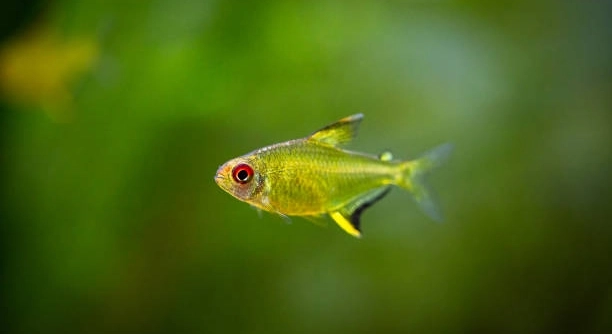
Have you ever noticed your lemon tetra swimming gracefully but wondered when it will reach full size? These small, bright fish are popular in home aquariums, and understanding their growth can help you care for them properly.
A lemon tetra is generally considered fully grown at around 1.5 to 2 inches in length, typically reaching maturity at about 6 to 8 months of age. Growth depends on diet, water quality, and overall tank conditions.
Knowing the growth timeline and factors that influence size can improve your fishkeeping experience and ensure your lemon tetra thrives in its aquatic environment.
Lemon Tetra Growth Stages
Lemon tetras grow in clear stages, starting as tiny fry and gradually developing into vibrant adult fish. During the first few weeks, they are very small and fragile, requiring careful feeding and stable water conditions. As they age, their colors begin to show, and their bodies become more elongated. By around three months, their fins are more defined, and their bright yellow coloring starts to appear. Growth can vary slightly between individual fish, so it’s important to provide a consistent diet of high-quality flakes, micro-pellets, and occasional live or frozen foods. Maintaining a clean tank with stable temperature and pH also promotes steady growth. Stress from overcrowding or incompatible tankmates can slow development, so observing behavior and adjusting the environment helps ensure they reach their full potential. Proper care during these stages results in healthy, lively tetras that display the signature lemon hue in adulthood.
Consistent feeding, clean water, and low-stress conditions are key for tetras to grow at a healthy rate and reach full size.
By monitoring their growth weekly, you can notice small changes in size and color. Early attention to diet and environment ensures they develop correctly, avoid stunted growth, and remain active swimmers. Observing behavior also helps detect early signs of illness or stress, keeping them healthy. Growth is gradual, so patience is important. Regular maintenance and attention to water quality, combined with varied nutrition, support their natural development. With care, lemon tetras will flourish, becoming full-sized, colorful fish that enhance your aquarium’s appearance and ecosystem balance.
Average Size and Age
Most lemon tetras reach their full adult size at about 1.5 to 2 inches, usually between six and eight months.
Growth depends heavily on diet, water quality, and overall tank conditions. Inadequate nutrition or poor water parameters can slow growth, while proper care encourages healthy development. Maintaining stable temperature, pH, and clean water is essential for reaching their maximum size. Feeding small portions multiple times a day helps fry and juveniles grow steadily. As they mature, their colors intensify, fins expand, and body shape becomes more elongated. Monitoring growth and adjusting conditions when necessary ensures they reach their adult size without delays. Overcrowded tanks or aggressive tankmates can reduce growth, so maintaining appropriate tank populations is important. Understanding these factors allows you to create optimal conditions, supporting a healthy, thriving group of lemon tetras that display full adult colors and behavior. Proper observation and regular care are key to helping your tetras reach their ideal size and age safely.
Factors Affecting Lemon Tetra Growth
Water quality plays a major role in the growth of lemon tetras. High ammonia or nitrate levels can slow development and cause stress. Stable temperature and pH are essential for consistent growth and overall health.
Diet directly impacts their size and vibrancy. Feeding a mix of high-quality flakes, micro-pellets, and occasional frozen or live foods ensures they receive proper nutrition. Juveniles require more frequent, smaller feedings to support fast growth, while adults benefit from a balanced diet that maintains color and energy. Poor nutrition can lead to stunted growth and dull coloration, so careful attention to feeding habits is important.
Tank conditions and social environment also influence growth. Overcrowded tanks or aggressive fish can stress lemon tetras, reducing their appetite and slowing size gain. Providing ample swimming space, hiding spots, and compatible tankmates helps them grow steadily. Observation is key—monitor their behavior, eating patterns, and coloration to ensure they are developing properly and remain healthy throughout each growth stage.
Signs of a Fully Grown Lemon Tetra
A fully grown lemon tetra measures about 1.5 to 2 inches, with bright yellow coloring and well-defined fins.
Behavior changes are also indicators. Adult tetras swim confidently in groups, maintaining a steady rhythm and showing clear social interaction with other tankmates. Shyness or hiding may signal stress or poor health, affecting growth. Color intensity strengthens as they reach maturity, especially when water conditions and diet are optimal.
Physical development can be observed in body shape. Mature lemon tetras have elongated bodies, complete fin formation, and smooth scales. Juveniles may have less defined fins and paler coloration, which gradually intensifies as they grow. Consistent care, proper feeding, and monitoring water quality support this natural progression, ensuring your tetras reach their ideal size, color, and behavior. Observing these signs helps confirm they have reached adulthood and are thriving in their environment.
Ideal Tank Setup
A lemon tetra thrives in a well-planted tank with open swimming areas. Stable water temperature between 72–82°F and pH of 6.5–7.5 supports growth and health.
Filtration and regular water changes are essential. Clean water prevents stress, disease, and stunted growth while promoting vibrant coloration and active swimming behavior.
Feeding Tips for Growth
Juvenile lemon tetras need small, frequent feedings to support rapid growth. High-quality flakes, micro-pellets, and occasional frozen foods provide balanced nutrition. Avoid overfeeding, as leftover food can pollute the tank, affecting water quality and slowing development. Observation during feeding ensures all fish get proper portions.
Common Growth Issues
Slow growth often results from poor diet, overcrowding, or unstable water conditions. Maintaining clean water, providing space, and feeding a balanced diet helps tetras reach full size naturally.
FAQ
How long does it take for a lemon tetra to reach full size?
Lemon tetras usually reach their full adult size of 1.5 to 2 inches in about six to eight months. Growth is faster in well-maintained tanks with stable water, proper diet, and low stress. Juveniles need frequent, small feedings, while adults require balanced nutrition to maintain color and health.
What is the best diet for lemon tetras?
A varied diet is essential. High-quality flakes or micro-pellets form the main staple, supplemented with occasional frozen or live foods like brine shrimp or daphnia. Feeding small portions multiple times a day for juveniles supports steady growth, while adults benefit from a balanced diet to maintain vibrant yellow coloration and energy.
Can lemon tetras grow slower than usual?
Yes. Poor water quality, stress from overcrowding, inconsistent temperature, or inadequate nutrition can slow growth. Juveniles are particularly sensitive, and any disruptions in their environment may affect size. Monitoring water parameters, tank population, and feeding habits helps identify issues early and keeps growth on track.
What tank size is ideal for lemon tetras?
A tank of at least 10 gallons is recommended for a small school of lemon tetras. Larger tanks provide more swimming space and reduce stress, which encourages healthy growth. Overcrowding can slow development, cause aggression, and affect overall health, so spacing and tankmates are important considerations.
When do lemon tetras show full color?
Full coloration appears gradually as they reach maturity, typically between six and eight months. Healthy adults display a bright yellow hue with well-defined fins. Color development is enhanced by a stable environment, proper diet, and low stress. Poor conditions may lead to dull or faded coloration.
How can I tell if my tetra is fully grown?
Signs include reaching about 1.5 to 2 inches in length, fully formed fins, and vivid yellow coloration. Adults swim confidently in groups, show stable social behavior, and have elongated, smooth bodies. Observing these characteristics helps confirm that the fish has reached adulthood.
Can tankmates affect growth?
Yes. Aggressive or overly competitive tankmates can stress lemon tetras, reducing appetite and slowing growth. Peaceful community fish are better companions, and providing hiding spots and adequate space reduces stress. Monitoring interactions ensures your tetras remain healthy and grow properly.
What are the most common growth problems?
Slow or stunted growth is often caused by poor nutrition, overcrowding, unstable water, or disease. Addressing these issues through consistent water maintenance, proper feeding, and compatible tankmates helps tetras reach full size. Observing behavior and appearance regularly allows early intervention.
Do lemon tetras stop growing at a certain age?
Yes. Once they reach full adult size, growth slows and eventually stops. Providing optimal care ensures they reach this stage with strong health, vibrant color, and full fin development. Adults continue to benefit from a good diet and clean environment, but size remains stable.
How often should I feed lemon tetras?
Juveniles do best with two to three small feedings daily. Adults can be fed once or twice daily with measured portions to prevent overfeeding. Watching for leftover food helps maintain water quality, which is essential for healthy growth and vibrant coloration.
Can water temperature affect growth?
Yes. Lemon tetras grow best in a stable temperature range of 72–82°F. Sudden fluctuations can cause stress, reduce appetite, and slow growth. Maintaining consistent warmth in the tank supports metabolism, activity, and overall development, especially for younger fish.
Is tank decoration important for growth?
Decorations like plants and hiding spots reduce stress and create natural swimming areas. A less stressful environment encourages healthy eating and steady growth. Overcrowded or bare tanks can increase stress, reduce activity, and impact development, so proper tank setup is important.
Do lemon tetras need supplements for growth?
Supplements are rarely needed if the diet is balanced. Occasionally offering frozen or live foods adds variety and nutrients that enhance coloration and overall health. Ensuring a high-quality staple diet generally meets all growth requirements for healthy adult fish.
How can I encourage faster growth naturally?
Provide consistent water conditions, a balanced diet, low-stress tankmates, and plenty of swimming space. Feeding appropriately sized portions, maintaining clean water, and observing behavior helps juveniles grow steadily and adults maintain optimal health. Patience is key, as growth is gradual and natural.
What signs indicate poor growth or health issues?
Pale coloration, slow swimming, loss of appetite, or stunted body size may indicate problems. Stress, overcrowding, poor diet, or water issues are usually involved. Early detection and corrective action, like water changes or dietary adjustments, help restore healthy growth and prevent long-term issues.
Final Thoughts
Lemon tetras are small but lively fish that can add color and movement to any freshwater aquarium. Understanding their growth and development helps ensure they remain healthy and active throughout their lives. These fish grow steadily when provided with stable water conditions, proper nutrition, and a low-stress environment. While they may seem delicate as fry, they quickly develop into adults when care is consistent. Paying attention to water temperature, pH, and cleanliness is essential. Even minor fluctuations or poor maintenance can slow growth or lead to health problems. Providing a suitable tank with enough swimming space and hiding spots supports both physical development and natural behavior. By observing them regularly, you can notice changes in size, color, and activity, which allows early intervention if issues arise. Proper care from the start sets the foundation for strong, healthy adults.
A balanced diet plays a critical role in growth. Juvenile lemon tetras need frequent, small meals of high-quality flakes or micro-pellets, supplemented occasionally with live or frozen foods. As they mature, adults benefit from fewer but well-balanced feedings that maintain energy levels and enhance their bright yellow coloration. Overfeeding can lead to water quality issues, which in turn affect growth, while underfeeding slows development and may cause dull colors. Feeding should always be observed to ensure all fish are eating, especially in groups where competition for food exists. Diet, combined with a clean, stable tank environment, creates optimal conditions for growth and overall health. Tank size, decorations, and compatible tankmates also affect development, as stress and limited swimming space can reduce appetite and stunt growth. Monitoring these factors ensures your lemon tetras reach their full potential in both size and color.
Patience and attention are key to maintaining a thriving tank of lemon tetras. Growth does not happen overnight, and small changes in size or coloration may go unnoticed without careful observation. Regular water testing, partial water changes, and maintaining a proper feeding schedule are simple yet effective steps to ensure healthy development. Observing behavior is equally important; confident swimming, active schooling, and proper interaction with tankmates are all signs of well-being. While challenges such as slow growth, color fading, or stress may occur, they are often preventable with consistent care. By creating a stable environment, offering balanced nutrition, and providing space for natural behavior, lemon tetras will grow into fully sized, vibrant adults. Maintaining this level of care ensures they remain healthy, energetic, and visually appealing, enriching your aquarium with lively movement and color.

Hello,
If you enjoy the content that we create, please consider saying a "Thank You!" by leaving a tip.
Every little bit helps us continue crafting quality advice that supports the health, happiness, and well-being of pets around the world, for pets of all shapes, sizes, and species.
We really appreciate the kindness and support that you show us!