
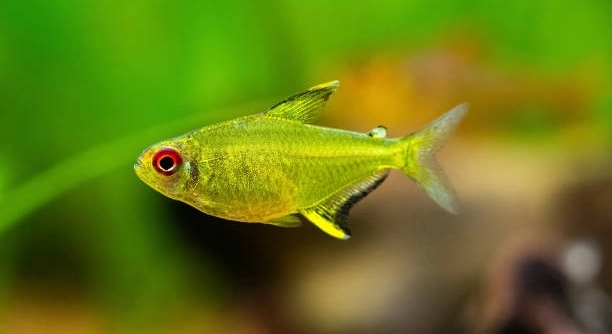
Is your Lemon Tetra not growing as quickly as you expected in your aquarium? Many fish owners notice their small, bright tetra staying the same size for weeks, which can be worrying and confusing.
The primary reasons your Lemon Tetra is not growing include inadequate nutrition, poor water quality, stress, insufficient tank size, improper temperature, lack of hiding spots, and underlying health issues. Addressing these factors can significantly improve growth rates.
Understanding these causes will help you take proper steps to support your fish’s development and overall health in its aquatic environment.
Inadequate Nutrition
Lemon Tetras require a balanced diet to grow properly. Feeding only flakes or low-quality food can slow their development. They need a mix of protein and plant-based nutrients to thrive. Live or frozen foods like brine shrimp, daphnia, or bloodworms can stimulate growth. Vegetables, such as blanched spinach or zucchini, offer essential vitamins that support coloration and overall health. Feeding small amounts multiple times a day is better than one large meal. Overfeeding can lead to water pollution, causing stress and stunted growth. Observing your fish during feeding helps ensure each one eats enough. Juvenile tetras are especially sensitive to nutrient deficiencies, and consistent diet changes can make a noticeable difference. Some aquarium foods are fortified with growth-enhancing ingredients. Rotating food types prevents gaps in nutrition and keeps your fish active and healthy. Neglecting proper nutrition is a common reason Lemon Tetras stay smaller than expected, so planning meals carefully is essential.
Providing a variety of nutrient-rich foods ensures your Lemon Tetra receives everything needed for healthy growth and vitality.
Offering live and frozen foods alongside quality flakes creates a stimulating environment that encourages eating. Juveniles benefit most from small, frequent feedings, while adults thrive on a balanced mix. Adding occasional vegetables ensures vitamins and minerals are not lacking. Fish that eat well grow faster and show brighter colors. Avoid overfeeding, as excess food can harm water quality, leading to stress or illness. Observing feeding habits helps identify fish that may be struggling or not eating enough. Consistency matters; sudden changes in diet can shock their system. Supplementing with protein-rich options supports muscle development, while plant-based foods enhance digestion. Combining varied food types over time produces noticeable results in growth, behavior, and overall health.
Poor Water Quality
Dirty or unstable water conditions can hinder growth in Lemon Tetras. Ammonia, nitrites, and high nitrate levels create a stressful environment, reducing appetite and slowing development.
Maintaining clean water involves regular partial water changes, monitoring pH, and keeping temperature stable. Filtering efficiently prevents buildup of waste and toxins.
Stress from poor water quality weakens the immune system and may trigger disease. Sudden changes in temperature or pH can shock fish, further slowing growth. Using a reliable water test kit helps track ammonia, nitrite, nitrate, and pH levels. Aim for a stable temperature between 72-80°F and a pH around 6.5-7.5, which is ideal for Lemon Tetras. Weekly water changes of 20-30% remove accumulated waste and refresh essential minerals. Ensure your filter is appropriately sized for the tank and is cleaned regularly without removing all beneficial bacteria. Avoid overcrowding, as too many fish increases waste production. Maintaining excellent water quality encourages healthy feeding, reduces stress, and supports proper growth in your Lemon Tetras.
Stress and Overcrowding
Stress slows growth and can shorten the lifespan of Lemon Tetras. Overcrowded tanks, aggressive tankmates, or constant disturbances create tension that affects appetite and overall health.
Providing enough space and hiding spots reduces stress. A minimum of 10 gallons for a small group is recommended. Fish feel safer when they have room to swim and retreat. Observing behavior helps identify aggression or dominance issues. Rearranging decor or adding plants can give timid fish a sense of security. Consistent routines, such as feeding at the same time daily, also lower stress. Avoid tapping on the glass or sudden movements near the tank, as these actions can startle your tetras.
Stress can trigger health problems like weakened immunity and susceptibility to disease. Overcrowding worsens water quality and can create territorial disputes. Lemon Tetras need social interaction but not excessive competition. Proper tank size, gentle tankmates, and environmental enrichment allow your fish to thrive. Regularly monitoring behavior ensures stress levels stay low, supporting healthy growth and natural activity levels.
Reducing stress helps fish eat consistently and grow at a normal pace. Overcrowding often hides subtle signs of poor health, so keeping a manageable number of tetras in a clean, structured environment is essential. Providing plants, decorations, and consistent care encourages confidence and activity. Active fish expend energy naturally, which promotes muscle development, while calm, unstressed fish digest food better, absorbing nutrients more efficiently. A peaceful tank environment directly influences growth, behavior, and long-term health for Lemon Tetras.
Improper Temperature
Temperature fluctuations affect metabolism and growth in Lemon Tetras. Low or inconsistent temperatures slow digestion, reduce activity, and stunt development. Stable warmth is essential for proper physiological function.
Maintaining 72-80°F ensures optimal metabolism. Sudden changes, even a few degrees, can cause stress or illness.
Heaters and reliable thermometers are necessary to maintain stable conditions. Nighttime drops in temperature can be minimized with insulated tanks or controlled room heating. Rapid shifts from water changes or nearby drafts may shock your fish. Lemon Tetras rely on temperature for enzyme function and energy regulation, so inconsistency directly impacts growth rates. Observing swimming patterns and feeding habits can reveal if temperature is suboptimal. Fish that are sluggish or hide excessively may be reacting to cold or fluctuating water. Proper thermal management, along with clean water and nutrition, ensures healthy growth and overall well-being.
Lack of Hiding Spots
Lemon Tetras feel safer with plants, rocks, or decorations to retreat to. Without these, they may remain stressed, hiding constantly, and eating less.
Adding small caves, dense plants, or driftwood helps fish feel secure. Reduced stress encourages normal feeding and growth.
Small Tank Size
A cramped tank limits swimming space and can stunt growth. Tetras need room to move freely and interact socially. Proper tank size supports physical development and reduces aggressive encounters.
Disease or Parasites
Illness or parasites weaken fish and slow growth. Regular observation for unusual spots, frayed fins, or lethargy is essential. Prompt treatment helps prevent long-term effects and ensures healthy development.
Why isn’t my Lemon Tetra growing faster?
Growth in Lemon Tetras depends on several factors including diet, water quality, and stress levels. If they are not eating enough or their food lacks essential nutrients, growth will slow. Poor water conditions or frequent stress from tankmates or environmental changes also reduce appetite and metabolism, keeping them smaller than expected.
How can I improve my Lemon Tetra’s growth?
Feeding a varied diet that includes high-quality flakes, frozen or live foods, and occasional vegetables is essential. Maintain stable water conditions with regular partial changes and proper filtration. Reducing stress by providing hiding spots, avoiding overcrowding, and keeping consistent temperature and light cycles helps fish feel secure and thrive.
Can tank size affect growth?
Yes, small tanks limit swimming space, which affects activity and muscle development. Lemon Tetras grow better in tanks that provide room to swim freely and interact socially. Overcrowding also raises stress and reduces water quality, further slowing growth. A minimum of 10 gallons for a small group is recommended.
What role does water temperature play?
Water temperature directly affects metabolism. Too cold or fluctuating water slows digestion and energy use, which impacts growth. Maintaining a stable temperature between 72-80°F ensures proper enzyme function and activity levels. Sudden drops from water changes or drafts can stress fish, so monitoring with a reliable thermometer is important.
Could stress be the reason my fish isn’t growing?
Stress is a common growth inhibitor. Overcrowding, aggressive tankmates, and constant disturbances reduce appetite and weaken the immune system. Providing plants, decorations, or small caves allows fish to hide, lowering stress and encouraging normal eating and activity. Consistent routines also support growth.
Are diseases or parasites slowing growth?
Yes, illness can significantly impact development. Parasites, fin rot, or internal infections weaken the fish, reducing appetite and energy for growth. Observing signs like frayed fins, spots, or unusual behavior helps catch problems early. Prompt treatment restores health and promotes recovery and growth.
How often should I feed my Lemon Tetra?
Juveniles benefit from small, frequent feedings two to three times a day. Adults can be fed once or twice daily with a balanced mix of protein and plant-based foods. Overfeeding can pollute the tank, so offering only what they consume in a few minutes is best.
Does diet variety really matter?
Yes, variety prevents nutritional gaps and encourages better growth. Combining flakes, frozen or live foods, and occasional vegetables ensures protein, vitamins, and minerals are available. Rotating foods over time prevents deficiencies, keeps tetras active, and enhances coloration and overall health.
Can adding plants and decorations help my Lemon Tetra grow?
Providing hiding spots reduces stress, which encourages eating and activity. Plants, caves, and driftwood give fish secure spaces and mimic natural habitats. Active, confident fish are more likely to feed properly and grow at a healthy rate. Environmental enrichment also reduces aggression between tankmates.
What should I do if my fish still isn’t growing?
Recheck water quality, diet, tank size, and temperature. Ensure stress is minimized and no signs of disease are present. Consulting a veterinarian experienced with fish or a knowledgeable aquarist can help identify subtle health or environmental issues affecting growth. Adjustments should be gradual to avoid further stress.
How long does it take for Lemon Tetras to reach full size?
Typically, Lemon Tetras reach full size in about six to twelve months under optimal conditions. Growth rate varies based on diet, water quality, temperature, and overall tank environment. Consistent care ensures they reach their potential size steadily without setbacks from illness or stress.
Can tankmates affect growth?
Yes, aggressive or overly active tankmates can stress Lemon Tetras, reducing feeding opportunities and causing slower growth. Choosing peaceful, similarly sized fish and providing adequate hiding spaces helps maintain a calm environment, allowing tetras to grow normally and remain healthy.
Do water changes affect growth?
Regular water changes remove toxins, stabilize pH, and replenish minerals, all of which support healthy growth. Partial changes of 20-30% weekly keep water clean without shocking the fish. Clean water ensures appetite and metabolism remain optimal for development.
Is it normal for some Lemon Tetras to grow faster than others?
Yes, slight differences in growth are normal due to genetics, position in the feeding hierarchy, and individual metabolism. Ensuring equal access to food and reducing stress helps smaller or timid fish catch up over time, promoting uniform growth in the tank.
How can I monitor growth effectively?
Observing size weekly and comparing fish to reference images or tankmates helps track progress. Measuring against a ruler outside the tank is possible but must be done gently. Healthy, active fish that eat well are indicators of proper growth and well-being.
What signs indicate my Lemon Tetra is unhealthy?
Signs include loss of appetite, lethargy, hiding constantly, faded colors, frayed fins, or abnormal swimming. Illness or stress slows growth and can lead to long-term problems. Early detection and intervention prevent serious health issues and support proper development.
Can supplements help growth?
Supplements like vitamin-enriched foods or occasional live prey can support growth when diet alone is insufficient. However, they are most effective when paired with good water quality, adequate tank size, and low-stress conditions. Overuse can be harmful, so moderation is key.
How do I balance growth with long-term health?
Focus on a consistent, nutrient-rich diet, stable water conditions, and low-stress environment. Avoid overfeeding or pushing growth artificially. Healthy growth is gradual and sustained, leading to strong, vibrant Lemon Tetras with a longer lifespan and fewer health issues.
Is stunted growth reversible?
Partially. If poor conditions, stress, or nutritional deficiencies are corrected early, fish can catch up in size. Chronic issues or prolonged stress may cause permanent stunting. Consistent care improves overall health and can help fish reach a closer approximation of their potential size.
Can breeding affect growth rates?
Yes, breeding adults may grow more slowly if stressed or underfed. Fry require high-protein diets and clean water to grow quickly. Separating adults from juveniles during feeding can prevent competition and ensure both generations develop properly.
Does lighting influence growth?
Indirectly. Adequate light supports plant growth, which provides hiding spots and improves water quality. A natural day-night cycle helps regulate metabolism and activity, contributing to healthier growth patterns. Too much or too little light can stress fish, impacting appetite.
How do I know if my interventions are working?
Monitor size, behavior, and coloration over several weeks. Fish that eat regularly, swim actively, and display bright colors are responding well to improvements. Documenting changes helps track which adjustments are effective, allowing you to refine care practices for optimal growth.
Are all Lemon Tetras the same size at maturity?
No, slight variations occur due to genetics, tank conditions, and nutrition. Some may remain smaller naturally, while others reach maximum size faster. Providing consistent care ensures every fish reaches its potential, even if some differences remain between individuals.
How often should I check water parameters?
Testing ammonia, nitrite, nitrate, and pH at least once a week is recommended. Frequent checks allow quick intervention if conditions fluctuate. Stable water supports healthy feeding, reduces stress, and encourages steady growth in Lemon Tetras.
Can stress from transport affect growth?
Yes, moving fish or introducing them to a new tank can temporarily slow growth. Providing a calm environment, stable temperature, and hiding spots after transport helps them recover faster and resume normal eating and activity.
Do seasonal changes impact growth?
Seasonal room temperature shifts or changes in light duration can affect metabolism. Maintaining stable water temperature and consistent light cycles helps fish continue growing at a normal rate despite environmental fluctuations.
Final Thoughts
Lemon Tetras are delicate, small fish that require consistent care to grow and thrive. Many factors influence their growth, including nutrition, water quality, tank size, temperature, stress levels, and overall health. Ensuring they receive a balanced diet with adequate protein and vitamins is one of the most important steps. A combination of high-quality flakes, frozen or live foods, and occasional vegetables provides the nutrients needed for healthy development. Overfeeding should be avoided because it can pollute the water and create stress, which slows growth. Watching your fish during feeding ensures every tetra eats enough and allows you to notice any changes in behavior or appetite. Juvenile tetras are especially sensitive to nutrition, and providing frequent small meals helps them grow steadily and reach their potential size. Rotating food types also prevents nutritional gaps and keeps your fish active, energetic, and colorful.
Maintaining stable, clean water is equally important. Lemon Tetras are sensitive to ammonia, nitrites, and nitrate levels, so partial water changes and a properly sized filter are necessary. Temperature stability is crucial, as fluctuations can slow metabolism and reduce appetite. A stable environment between 72-80°F with a pH of around 6.5-7.5 supports proper digestion and energy use, which are essential for growth. Stress is another major factor that can hinder development. Overcrowded tanks, aggressive tankmates, or a lack of hiding spots cause stress, reduce feeding, and weaken the immune system. Adding plants, caves, or other decorations allows tetras to feel secure, while regular monitoring of behavior can identify issues before they become serious. Ensuring a calm, consistent environment helps Lemon Tetras eat properly and grow at a normal rate.
Even with all conditions optimized, some fish will grow slightly slower due to genetics or individual metabolism. Observing your tetras regularly and making small adjustments can help each fish reach its growth potential. Addressing illness or parasites quickly is important, as untreated health problems can have long-term effects on size and vitality. Growth is a gradual process, and it is more important to focus on steady, healthy development than rapid size increase. Providing balanced nutrition, clean and stable water, adequate space, and low-stress conditions creates a supportive environment where Lemon Tetras can grow naturally. With patience, consistent care, and attention to their needs, your tetras can remain healthy, active, and vibrant, showing their natural colors and enjoying a good quality of life in your aquarium.

Hello,
If you enjoy the content that we create, please consider saying a "Thank You!" by leaving a tip.
Every little bit helps us continue crafting quality advice that supports the health, happiness, and well-being of pets around the world, for pets of all shapes, sizes, and species.
We really appreciate the kindness and support that you show us!