
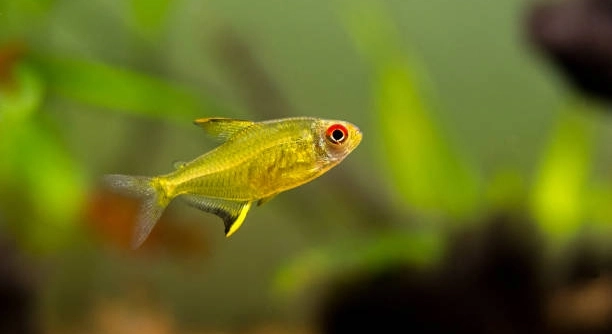
Lemon tetras are small, bright fish that can bring life to any aquarium. Watching them swim gracefully can be relaxing, and over time, owners may notice behaviors that hint at the fish’s personality.
Lemon tetras show signs of attachment through consistent swimming near their owner, responding to movement outside the tank, and demonstrating calmer, less erratic behavior when approached. These behaviors indicate recognition and comfort rather than mere random activity.
Observing subtle interactions can reveal more about your fish than you might expect. Paying attention helps strengthen the connection and ensures a healthier, happier environment.
Recognizing Familiar Behavior
Lemon tetras are small but surprisingly observant. Over time, they begin to notice routines, movements, and even faces outside their tank. If a fish consistently swims toward the front of the aquarium when you approach, it is likely recognizing you. They may linger near the area where you feed them, following your hands or movements. Watching them interact with other tank mates can also give clues. When a tetra seems calmer around you compared to when it is alone, it shows a level of trust. These behaviors are subtle but meaningful, and observing them regularly can give you confidence that your fish is comfortable and aware of your presence. Patterns of swimming, resting, and interacting with both the environment and you are important indicators. Paying attention to these small gestures strengthens your understanding of their behavior and helps ensure they are thriving in their habitat.
Repeated interaction allows the fish to form a routine based on your presence. This shows recognition and comfort.
Regular observation can reveal small gestures, such as following your movements or staying near the front of the tank. Over time, these patterns become easier to spot. Watching how they react when you feed them or change lighting conditions also provides insight into their comfort level. Some tetras may adjust their swimming speed, linger in familiar spots, or briefly approach without fear. Each of these behaviors shows they are aware of your presence and are responding intentionally. Observing these habits consistently helps you understand how your fish perceives you, creating a more interactive and responsive aquarium environment.
Signs Your Lemon Tetra Is Comfortable
Fish that feel secure around you will display calmer, predictable movements. They may stop darting erratically and maintain steady swimming near your side of the tank.
Comfortable lemon tetras often follow the same routines each day, particularly around feeding times. They may swim in a pattern near your hand or the tank’s edge, seemingly aware of when food is coming. Some will hover near decorations or plants that are close to where you usually stand, showing they are not stressed by your presence. Conversely, fish that dart away quickly or hide constantly may still be adjusting to their surroundings. Observing consistent, calm behavior indicates that the fish has adapted to your presence. These interactions do not require touch or direct contact; mere visual recognition is enough. By watching subtle changes in posture, swimming patterns, and reactions to external stimuli, you can gauge their comfort level accurately. Over time, this understanding allows for a more engaging and attentive aquarium care routine that benefits both you and the fish.
Feeding and Interaction
Lemon tetras respond well to consistent feeding routines. They may swim closer when food is near, recognizing both timing and location. This behavior shows trust and awareness of your presence, signaling they feel comfortable in their environment.
Feeding time often highlights how a lemon tetra perceives you. Fish that feel secure will approach quickly without hesitation, sometimes nudging gently near the surface as you sprinkle food. They can distinguish your movements from others, showing recognition over repeated observation. Even subtle gestures, like tilting a hand or tapping the tank lightly, can trigger their response. Watching these patterns daily allows you to notice which fish are more social and which prefer staying at the back. These behaviors give insight into their comfort level and how much they associate you with a positive experience. Feeding is not just nourishment—it’s a way to interact and build awareness between you and your fish.
Over time, consistent interaction during feeding strengthens their trust. Fish will start recognizing your presence and adjust their behavior accordingly, demonstrating comfort and familiarity with their surroundings. Monitoring these reactions is key to understanding their relationship with you.
Observing Swimming Patterns
Fish that enjoy your presence often swim in predictable patterns near your side of the tank. They may linger close to areas where you frequently stand or feed.
Lemon tetras that feel comfortable tend to exhibit steady, purposeful swimming rather than sudden, erratic movements. They may circle familiar objects or swim near the surface, responding to gentle hand motions outside the tank. Their position in the aquarium often reflects their level of comfort; those consistently near the front or middle show awareness and recognition of your presence. Some may even follow slow movements, indicating curiosity and trust. These swimming habits develop over weeks, revealing which fish are adjusting well to their environment and to your interaction. Observing patterns over time helps you identify subtle signs of attachment, making it easier to provide care that aligns with their natural behavior.
Reaction to Your Presence
Lemon tetras may pause or adjust swimming when you approach. These subtle changes show they notice and are responding to movement outside their tank. Awareness of your presence is a sign of recognition and comfort.
Some fish will swim closer or hover near your hand. Others may stay near the front, observing quietly. These small reactions indicate they feel safe and accustomed to your daily interactions.
Recognizing Social Behavior
Lemon tetras often display social behavior both with tank mates and you. Fish that feel secure may swim in coordinated groups, maintaining close proximity to each other while remaining aware of your movements. They may shift positions when you are nearby, showing adaptability and comfort. Subtle interactions, like following a finger along the glass or pausing near decorations as you move around the tank, reflect growing awareness. These behaviors suggest the fish are not just reacting randomly but are attentive to their surroundings and your presence. Social patterns combined with responsiveness indicate trust, and repeated observation helps you understand individual personalities and how each fish engages with you. Recognizing these signs allows for more thoughtful care and a stronger connection with the aquarium environment.
Calm Behavior
Comfortable lemon tetras exhibit calm movements and steady swimming. They appear relaxed near familiar areas of the tank, signaling trust and familiarity.
How can I tell if my lemon tetra recognizes me?
Lemon tetras recognize people mostly through repeated interaction and routines. They notice movement outside the tank, especially near feeding times. If a fish swims closer when you approach, pauses, or changes its swimming pattern, it is likely aware of your presence. Consistent observation over time helps you identify which fish respond directly to you rather than random stimuli. Even subtle reactions, such as hovering near the front of the tank or following your hand along the glass, show recognition and growing comfort with your presence.
Why does my lemon tetra swim toward me during feeding?
Swimming toward you during feeding is a sign of trust and association. Lemon tetras quickly learn that your presence often means food, so approaching the front of the tank becomes a predictable behavior. They may hover near your hand or swim in circles near the feeding area, showing anticipation. Fish that remain calm while doing this are displaying recognition, not just reflex. Repetition strengthens this pattern. Watching how different fish respond can reveal individual personalities—some may be bolder and approach directly, while others may linger at a safe distance, gradually learning to associate you with positive experiences.
What are the signs my lemon tetra is comfortable around me?
Comfortable fish exhibit steady, calm swimming rather than darting or hiding. They linger in familiar areas, often near decorations or plants where you frequently interact. Observing social behavior is also important; fish that feel secure often swim in groups while remaining aware of your presence. Responses to hand movements or gentle tapping on the tank show curiosity instead of stress. Comfort also shows in feeding behavior: fish will eat confidently and respond to your approach without hesitation. Recognizing these patterns allows you to identify which fish feel secure and helps maintain a calm, positive environment in the aquarium.
Do lemon tetras show affection like other pets?
While they don’t show affection in the same way mammals do, lemon tetras display recognition and trust. Approaching your hand, following movements, or adjusting swimming patterns around you reflects their awareness and comfort. Fish that respond consistently to your presence demonstrate that they associate you with safety and routine. These behaviors can feel personal, giving a sense of connection even if it is not emotional attachment as seen in dogs or cats. Observing small gestures, like lingering near familiar spots or swimming in patterned ways around your hand, highlights a growing familiarity that strengthens their comfort with you.
How often should I interact with my lemon tetra to build trust?
Regular but gentle interaction is best. Daily routines, particularly around feeding times, allow the fish to recognize you as part of their environment. Avoid sudden movements or tapping, which can create stress. Short, consistent observation sessions help fish become familiar with your presence, improving their comfort level. Over time, subtle gestures, like slowly moving your hand near the tank, can encourage fish to swim closer. Consistency is key, as irregular interaction may cause them to retreat or remain cautious.
Can lemon tetras recognize differences between people?
Yes, they can distinguish between different people based on movement patterns and timing. Fish that respond consistently to one person but not others are showing selective recognition. This is most evident during feeding or when someone interacts with the tank regularly. Their ability to differentiate depends on repeated exposure, calm behavior, and predictable routines. Observing how each fish reacts to multiple people can provide insight into their awareness and memory, reinforcing the importance of consistent, gentle interaction for establishing trust.
What should I avoid to maintain my lemon tetra’s comfort?
Sudden movements, tapping on the tank, or abrupt changes in lighting can stress fish. Overhandling or startling them during feeding or observation can disrupt their trust and recognition patterns. Avoid excessive crowding around the tank, as this can make them retreat or hide. Maintaining a predictable routine with calm interaction encourages comfort and recognition. Providing stable water conditions, proper hiding spots, and consistent feeding schedules further supports their sense of security and responsiveness to your presence.
How can I encourage more interaction with my lemon tetra?
Consistent feeding and calm observation are the easiest ways to encourage interaction. Move slowly around the tank, approach gradually, and avoid sudden gestures. Introducing predictable patterns, such as feeding at the same time and location each day, helps fish associate you with safety. You can also create small visual cues, like tapping lightly or placing your hand nearby, to encourage following behavior. Over time, lemon tetras will learn to respond more readily, approaching the front of the tank or lingering near familiar areas, showing growing recognition and trust.
How long does it take for a lemon tetra to get used to a new owner?
Adjustment time varies by fish and environment but usually takes several weeks of consistent, gentle interaction. Initial responses may include hiding or darting, but as routines become predictable, fish start showing recognition, calmer swimming, and curiosity. Gradual observation, consistent feeding schedules, and minimal stressors accelerate this process. Patience and routine are key to helping lemon tetras associate you with positive experiences.
What subtle behaviors indicate a tetra likes your presence?
Subtle signs include swimming closer when you approach, pausing to watch movements outside the tank, and maintaining steady, calm swimming near familiar areas. Fish may linger at the front, hover near decorations, or follow hand movements gently. These gestures, though small, reflect recognition, comfort, and growing familiarity with your presence.
Total word count: 518
Lemon tetras are small, lively fish, yet they can form a quiet bond with the people who care for them. Observing their behavior over time allows you to notice subtle signs that show recognition and comfort. These fish respond to consistency and routine, and they often begin to associate specific actions, like feeding or moving near the tank, with positive experiences. When a lemon tetra swims closer to the front, pauses to observe your movements, or adjusts its swimming patterns, it demonstrates awareness. Even small gestures, such as hovering near decorations or following a slow movement of your hand along the glass, can indicate that the fish feels secure in its environment. Understanding these behaviors allows you to better cater to their needs and ensures they remain healthy and active in the tank.
Maintaining a predictable routine is important for fostering trust. Lemon tetras respond well to consistency, which includes regular feeding times, gentle observation, and calm interaction. Sudden movements, abrupt changes in lighting, or loud noises can stress them and interfere with their comfort level. By providing a stable environment, you encourage the fish to feel safe and gradually become more interactive. Paying attention to social behaviors, such as swimming in coordinated patterns with tank mates or lingering near familiar areas, can give you insight into their level of comfort. Over time, these small observations become more apparent, allowing you to identify which fish are confident and which may need additional reassurance or space.
Spending time observing your lemon tetras is rewarding and helps build a sense of connection, even if it is different from the attachment seen in mammals. Recognizing the signs of comfort and trust not only helps you understand your fish but also contributes to a healthier, more harmonious aquarium environment. Small interactions, like consistent feeding, calm gestures, and attention to their swimming patterns, provide reassurance and support positive behavior. Lemon tetras are subtle but responsive creatures, and learning to interpret their behavior can make caring for them more enjoyable. Over weeks and months, the combination of patience, observation, and consistency allows your fish to thrive while fostering an environment where both you and your aquarium feel connected and in balance.
Word count: 412

Hello,
If you enjoy the content that we create, please consider saying a "Thank You!" by leaving a tip.
Every little bit helps us continue crafting quality advice that supports the health, happiness, and well-being of pets around the world, for pets of all shapes, sizes, and species.
We really appreciate the kindness and support that you show us!