
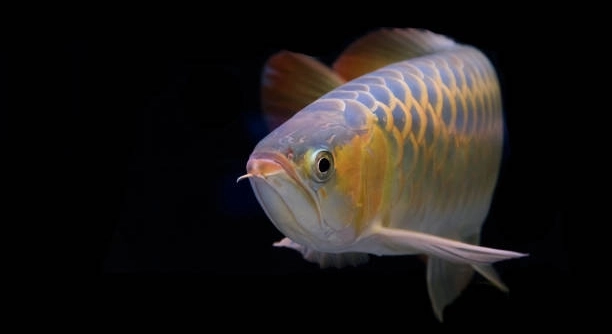
Many aquarium enthusiasts keep arowanas as solo fish due to their territorial nature. These majestic fish need more than just a tank; they require mental and physical stimulation to stay healthy and active throughout their lives.
Providing enrichment for a solo arowana involves creating a varied environment, offering interactive elements, and promoting natural behaviors. Activities such as rearranging tank decorations, introducing floating objects, and live feeding can improve both physical health and psychological well-being.
Adding simple items or changing routines can make a significant difference, encouraging activity and preventing boredom in your arowana’s daily life.
Rearrange Tank Decorations
Changing the layout of your arowana’s tank can make a big difference. Moving rocks, plants, and driftwood creates new paths and hiding spots. These changes encourage exploration and help the fish stay active. Even small shifts in decoration can stimulate curiosity, making the environment feel fresh. Swapping decorations weekly or monthly can maintain interest. Observing how your arowana reacts to these changes can guide you in creating a more engaging setup. Adding vertical and horizontal elements provides space for swimming and resting. You can also rotate objects between tanks if you have multiple setups. Be mindful of sharp edges to prevent injury. Smooth stones and rounded décor work best. Incorporating floating objects like logs or plants adds another dimension, letting the arowana interact from different levels. Lighting changes can complement these adjustments, highlighting areas and creating shadows. Overall, rearranging encourages movement and reduces stress while keeping your fish mentally stimulated.
Rearranging decorations offers a simple yet effective method to keep arowanas interested and active in their tank environment.
Consistently changing the tank’s setup ensures that your arowana does not become bored. Observing reactions helps you tailor the space for better engagement. Combining rearrangements with interactive elements keeps both physical and mental health in check, supporting natural behaviors and overall well-being.
Introduce Floating or Interactive Objects
Floating objects provide a dynamic environment that invites play. Small, safe items can drift with water currents, giving your arowana something to chase or nudge.
Interactive items, like ping-pong balls or lightweight foam, encourage hunting instincts. You can attach small food treats under floating items to make feeding more stimulating. Rotating objects and observing your arowana’s interactions prevents boredom. Some floating plants also create shade and interesting hiding spots. The unpredictability of movement engages attention and promotes natural swimming patterns. These objects should be non-toxic and smooth to avoid injury. Introducing new textures or shapes gradually allows your fish to adapt without stress. Over time, these objects can be used to train responses or enrich feeding routines. Combining floating items with rearranged décor enhances the complexity of the tank. Maintaining cleanliness is crucial, as floating objects can collect debris or algae, affecting water quality. Careful selection ensures both stimulation and safety, keeping your arowana active and healthy while reducing signs of inactivity or stress in its daily environment.
Live Feeding
Live feeding keeps arowanas active and sharp. Small feeder fish, shrimp, or insects trigger natural hunting behaviors and improve agility.
Feeding live prey simulates the arowana’s natural environment. This activity provides both physical exercise and mental stimulation. Watching the fish hunt can help you assess its health and responsiveness. Rotating different types of prey prevents monotony. Feeding in different areas of the tank encourages movement across all levels. Always ensure live food is healthy and free of disease to avoid contamination. Using feeder insects or small fish also adds variety to the diet. Introducing live prey gradually helps your arowana adapt safely. This practice supports both natural instincts and overall well-being.
Live feeding also improves muscle tone and keeps the fish alert. It encourages exploration, problem-solving, and interaction with the tank setup. Over time, the arowana becomes more confident in hunting, which reduces stress and prevents boredom. Proper hygiene and monitoring of live prey are necessary for long-term benefits.
Bubble and Water Flow Play
Adding bubbles or varying water flow creates movement that stimulates activity. Gentle currents encourage swimming and exploration across the tank.
Strong water flow areas can mimic natural rivers, letting the arowana exercise against resistance. Adjustable filters or air stones create patterns that change daily. This keeps the fish attentive and responsive. Observing how your arowana interacts with different currents helps determine ideal placement. Some arowanas enjoy chasing bubbles, while others prefer calmer zones. Changing flow direction or intensity occasionally keeps stimulation fresh. These water features also improve oxygenation and circulation. Consistent monitoring prevents stress from overly strong currents, ensuring the environment remains safe. Bubbles and moving water combine physical exercise with sensory enrichment, creating a dynamic habitat that encourages natural behavior and supports overall health.
Mirror Reflection
Mirrors can provide temporary stimulation for arowanas. Placing a small mirror outside the tank encourages curiosity and interaction without causing stress.
Short sessions with a mirror prevent aggression. Remove it after a few minutes to avoid frustration, ensuring the fish remains engaged and mentally active.
Floating Leaves and Plants
Floating leaves or plants create shaded areas and subtle hiding spots. They give the arowana places to explore and interact naturally. This adds vertical variety, letting the fish swim beneath or around the leaves. Changing positions occasionally keeps the tank environment dynamic and interesting.
Training with Target Objects
Using a target, such as a stick or floating item, allows basic training. Your arowana can learn to follow or touch the object, improving responsiveness and engagement.
Scent and Taste Enrichment
Adding occasional safe scents or taste items to the water encourages natural foraging behavior. Introduce small pieces of fresh food, herbs, or fish-safe flavor items to stimulate senses.
FAQ
How often should I change my arowana’s tank decorations?
Changing decorations once every few weeks keeps the environment interesting. Small adjustments, like moving plants or rearranging rocks, are enough. Frequent major changes can stress the fish, so gradual updates work best. Observing how your arowana reacts helps determine the ideal frequency and type of changes.
Can a mirror cause aggression in arowanas?
Yes, mirrors can trigger territorial behavior if left for too long. Short sessions of two to five minutes provide stimulation without causing stress. Always remove the mirror afterward and avoid using it daily to prevent frustration or obsessive behavior.
Are live feeders necessary for enrichment?
Live feeders are not strictly necessary but are very effective. They simulate hunting behaviors and keep the arowana physically active. If using live food, ensure it is healthy, quarantined, and free from disease. Alternatives like frozen or prepared live foods can also provide stimulation safely.
How do floating plants help with enrichment?
Floating plants create shaded zones and hiding spots, encouraging exploration. They add vertical layers to the tank, giving the arowana space to swim under, around, or through. Changing the placement occasionally keeps the fish engaged and active while mimicking a natural environment.
What types of objects are safe for interaction?
Lightweight, non-toxic, smooth items like ping-pong balls, foam shapes, or floating logs are best. Avoid sharp edges or small pieces that could be swallowed. Rotating objects regularly keeps novelty, and observing interactions ensures the fish stays safe and engaged.
How important is water flow for enrichment?
Water flow is very important. Moderate currents encourage swimming and exercise. Adjustable filters or air stones create varying patterns that keep the arowana attentive. Too strong a current can stress the fish, so adjust intensity and observe reactions. Flow changes mimic natural habitats and support overall health.
Can arowanas get bored without enrichment?
Yes, boredom can lead to inactivity, stress, and poor appetite. Without stimulation, arowanas may develop repetitive behaviors or show signs of aggression. Combining rearranged decorations, floating objects, live feeders, and mild currents helps prevent boredom and promotes mental and physical well-being.
Is it safe to add scents or taste items to the tank?
Adding small, safe items like herbs, fish-safe flavors, or occasional fresh food encourages foraging instincts. Only introduce tiny amounts at a time to avoid water quality issues. Observing how your arowana reacts ensures enrichment remains safe and effective.
How long should enrichment sessions last?
Short, regular sessions are better than long periods. Ten to thirty minutes of interaction per day with mirrors, floating objects, or live feeding is enough. Extended periods may cause stress or over-stimulation, so monitoring behavior is essential for maintaining balance.
Can training improve an arowana’s daily life?
Yes, simple target training or response exercises improve engagement and responsiveness. Using a stick or floating target encourages movement and problem-solving. Training also strengthens observation skills for the keeper and helps the arowana adapt to changes in its environment safely.
Are there risks with too much enrichment?
Overdoing enrichment can cause stress or aggression. Too many objects, strong currents, or prolonged mirror exposure may overwhelm the fish. Balanced variety, short sessions, and careful observation prevent negative effects and ensure enrichment enhances the arowana’s well-being.
How can I tell if my arowana enjoys enrichment?
Signs include active swimming, curiosity toward objects, chasing or nudging floating items, and attentive behavior during feeding. A relaxed posture and regular exploration indicate positive engagement. Conversely, hiding constantly or showing repeated aggression may suggest adjustments are needed.
Can enrichment improve arowana health?
Yes, enrichment promotes exercise, reduces stress, and supports mental stimulation. Active fish maintain better muscle tone, improved appetite, and overall vitality. Combining physical, sensory, and foraging activities ensures a healthier, more confident arowana with reduced risk of behavioral issues.
Is it necessary to rotate enrichment items regularly?
Rotation prevents boredom and keeps the environment engaging. Changing objects, currents, or plant placement every few days or weeks maintains novelty. Observing reactions helps guide what works best, ensuring your arowana stays stimulated without being overwhelmed.
What is the simplest way to start enrichment?
Begin with small adjustments like adding a floating plant, moving a rock, or using a ping-pong ball. Short, simple sessions introduce stimulation without stress. Gradually add new elements once your arowana adapts, building a routine that balances curiosity, activity, and well-being.
Final Thoughts
Caring for a solo arowana requires more than providing a clean tank and proper food. These fish are intelligent and active, and without stimulation, they can become bored or stressed. Enrichment is essential to help them stay healthy and engaged. By rearranging tank decorations, introducing floating plants, and using interactive items, you can create an environment that encourages exploration and movement. Even small changes, like shifting rocks or rotating objects, make the tank feel new and interesting. The goal is to simulate aspects of their natural habitat so they remain active and curious. Enrichment does not have to be complicated or expensive. Simple measures can make a noticeable difference in behavior and overall well-being. Observing your arowana’s reactions to these changes can guide you in tailoring the tank setup to their preferences and habits.
Live feeding and interactive objects are particularly effective for keeping arowanas mentally and physically stimulated. Introducing healthy feeder fish, shrimp, or insects encourages hunting behavior, improving agility and alertness. Similarly, floating balls, foam shapes, or safe objects provide opportunities for the fish to chase, nudge, or explore. Adjusting water flow and adding bubbles can also simulate natural currents, giving them a chance to swim actively and engage with their surroundings. Even short enrichment sessions throughout the day can help prevent inactivity and promote natural behaviors. It is important to introduce enrichment gradually and in moderation. Overdoing it with too many objects, strong currents, or prolonged mirror exposure can cause stress. Careful observation ensures that the arowana is enjoying the activities without feeling overwhelmed, which helps maintain a balance between stimulation and comfort.
Long-term enrichment contributes to the overall health of your arowana. Active fish develop stronger muscles, better appetite, and improved immune function. Mental stimulation reduces stress and repetitive behaviors, keeping your fish confident and comfortable in its environment. By rotating objects, adjusting the tank layout, and incorporating foraging opportunities, you can provide a varied daily routine that keeps your arowana engaged. These efforts also allow you to better understand your fish’s personality and preferences, creating a more interactive and rewarding care experience. Maintaining consistent water quality, proper diet, and safe enrichment ensures your arowana thrives physically and mentally. Simple, thoughtful enrichment practices make a significant difference in promoting a balanced, active, and happy life for a solo arowana.

Hello,
If you enjoy the content that we create, please consider saying a "Thank You!" by leaving a tip.
Every little bit helps us continue crafting quality advice that supports the health, happiness, and well-being of pets around the world, for pets of all shapes, sizes, and species.
We really appreciate the kindness and support that you show us!