
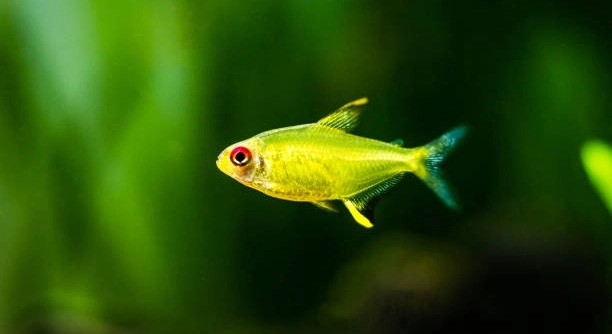
Lemon tetras are small, vibrant fish that bring life to any aquarium. Sometimes, however, they may act withdrawn or lonely, leaving owners concerned about their social and emotional well-being. Understanding their behavior is key to keeping them healthy.
Lemon tetras often exhibit signs of loneliness when kept in isolation or in insufficient numbers. Ensuring a proper group size, providing hiding spaces, and maintaining stable water conditions are critical steps to support their social needs and overall health.
Addressing loneliness in lemon tetras requires attention to both their environment and social structure. The following guide outlines practical reasons and fixes to help your fish thrive in a balanced aquarium.
Your Lemon Tetra Feels Isolated
Lemon tetras are naturally social fish, and isolation can cause noticeable stress. When kept alone, they may hide more often, swim erratically, or lose interest in food. Their behavior changes because they rely on the presence of others for a sense of security. Even small tanks can feel empty if there aren’t enough companions. Adding more lemon tetras or compatible schooling fish can help them regain confidence. Observing their activity during feeding and playtime helps identify when they are struggling with loneliness. Stress can lead to health problems, so addressing social needs early is crucial. Arranging plants, caves, and hiding spots also gives them comfort and reduces fear, making them more likely to engage with the environment. Proper water temperature, pH, and filtration play a role in their overall well-being, reinforcing the benefits of a stable and supportive habitat for their natural behaviors.
Ensuring your tetra has company and a comfortable habitat helps reduce stress and promotes healthy social interaction.
Providing enrichment and tank mates encourages active swimming and normal social behaviors, keeping your tetra happy and healthy over time.
Lack of Proper Tank Conditions
Improper water conditions can make lemon tetras act withdrawn or restless. Poor water quality, incorrect temperature, or unsuitable pH levels can all stress the fish, impacting their mood and activity.
Water quality is essential for maintaining healthy behavior in lemon tetras. They are sensitive to ammonia, nitrites, and nitrates, which can build up quickly in small or poorly filtered tanks. Maintaining a consistent temperature between 72–78°F and a pH of 6.0–7.0 supports normal activity levels. Regular water changes and a tested filtration system prevent harmful chemical buildup. Additionally, sudden changes in lighting or tank rearrangements can increase stress, making the fish appear lonely. Observing the tank daily and testing water weekly ensures stability, while introducing plants or floating decorations provides shelter and comfort. Even minor adjustments, like reducing strong currents, help fish feel secure. Proper tank setup not only prevents loneliness but also supports growth, feeding, and reproduction, creating an environment where lemon tetras can thrive physically and socially.
Inadequate Group Size
Lemon tetras need a minimum of six to feel secure. Smaller groups often cause stress, hiding, or erratic swimming. A proper school allows them to exhibit natural behaviors and reduces signs of loneliness.
Keeping fewer than six tetras disrupts their social structure. These fish naturally swim in coordinated schools, which helps them feel safe and confident. Without enough companions, they may become timid, refuse food, or hide constantly. Larger groups allow for hierarchy and interaction, reducing stress and promoting healthier activity levels. Observing their swimming patterns and energy can indicate whether the group size is appropriate. Adding compatible tetras gradually ensures the school remains stable and reduces conflicts. This simple adjustment often restores normal behavior quickly, improving both mood and overall health.
A proper group also provides entertainment within the tank, as fish interact, chase, and play among plants and decorations. Watching them swim in coordinated patterns strengthens their natural instincts and prevents boredom.
Lack of Mental Stimulation
Tetras need a stimulating environment with plants, decorations, and hiding spots. Empty tanks can make them restless and withdrawn, affecting behavior and health.
Adding live or artificial plants gives tetras places to explore and hide. Rocks, caves, and floating decorations create safe spaces, reducing stress and encouraging natural behaviors. Simple changes, like rearranging tank items or introducing new hiding spots, keep them engaged and active. Enrichment prevents boredom, which often appears as lethargy or isolation. Observing how fish interact with these additions helps fine-tune their environment, ensuring comfort and mental engagement. Even minor adjustments make a big difference, encouraging exploration, reducing fear, and supporting healthy social interaction.
Providing challenges like gentle currents or plant clusters encourages swimming and exploration, making the tank feel dynamic. This engagement is crucial for reducing loneliness and promoting physical and mental well-being in lemon tetras.
Sudden Changes in Tank Environment
Lemon tetras react strongly to sudden changes, such as new decorations, water shifts, or lighting adjustments. These abrupt changes can make them hide or swim nervously, appearing lonely even in a properly stocked tank.
Maintaining consistency in temperature, lighting, and water chemistry reduces stress. Sudden alterations disrupt their sense of safety and can lead to prolonged withdrawal. Gradual changes, like slowly introducing new plants or adjusting water parameters over several days, help tetras adapt without panic. Regular observation allows you to notice stress behaviors early and make adjustments before they affect health or social interaction. Stability encourages normal swimming patterns, feeding, and interaction among tank mates.
Illness or Physical Stress
Signs of illness or stress, such as clamped fins, faded color, or lethargy, often coincide with social withdrawal. Lemon tetras may isolate themselves when unwell to conserve energy and avoid conflict.
Monitoring water quality, diet, and behavior helps detect early issues. Treating infections or improving conditions promptly can restore activity and social behavior.
Why is my lemon tetra hiding more than usual?
Hiding is a natural response to stress or fear. Your lemon tetra may be reacting to sudden changes in water conditions, tank decorations, or the presence of aggressive tank mates. It could also indicate loneliness if the fish is kept alone or in a very small group. Providing more companions and safe hiding spots encourages normal activity. Stable water parameters, such as consistent temperature and pH, reduce stress and make the fish feel secure. Observing your tetra during feeding and at different times of day can help determine whether the hiding is temporary or a sign of a bigger issue.
How many lemon tetras should I keep together?
Lemon tetras are schooling fish and feel most comfortable in groups of six or more. Smaller numbers can cause stress and make them act withdrawn. Larger schools encourage natural swimming behavior and social interaction, which reduces signs of loneliness and improves overall health. When adding more fish, introduce them gradually to avoid conflict. Ensure the tank is large enough to accommodate the group, providing swimming space and hiding areas. Observing how the fish interact within the school helps determine if the group size is adequate.
Can tank decorations affect my lemon tetra’s mood?
Yes, the environment significantly impacts their behavior. Empty or bare tanks often lead to boredom and stress. Plants, rocks, and caves give them places to hide, explore, and feel safe. Rearranging items occasionally provides stimulation, but avoid sudden changes that may scare them. Floating decorations or gentle currents can encourage exploration and exercise, keeping them active and engaged.
Could water quality make my lemon tetra lonely?
Poor water quality is stressful and can lead to withdrawn behavior. High ammonia, nitrites, or nitrates cause discomfort, affecting swimming and social patterns. Regular water testing, partial water changes, and proper filtration maintain a healthy environment. Stable temperature and pH levels also prevent stress, allowing tetras to interact normally and feel secure in their surroundings.
What signs show my lemon tetra is lonely?
Lonely tetras may swim erratically, hide frequently, lose color, or refuse food. They may avoid other tank mates or fail to exhibit natural schooling behaviors. Observing these signs early allows you to correct the issue by adding compatible companions or improving tank enrichment. Providing hiding spaces and enrichment can also help, but social interaction remains the key factor.
How can I introduce new tetras to reduce loneliness?
Introduce new fish gradually using a quarantine tank or float method. Monitor interactions to ensure the group remains peaceful. Adding at least two or three at a time prevents bullying and allows the existing tetras to adjust. Maintaining consistent water parameters during introduction reduces stress. Observing the school’s behavior afterward confirms that the new additions are helping alleviate loneliness.
Can diet impact my lemon tetra’s social behavior?
Yes, proper nutrition affects energy and activity levels. Poor diet can make tetras lethargic, reducing social interaction. A varied diet of high-quality flakes, pellets, and occasional live or frozen foods keeps them active and healthy. Feeding small amounts multiple times daily encourages regular swimming and interaction, promoting natural schooling behavior.
Are there any health issues that cause isolation?
Illness or stress often coincides with social withdrawal. Common problems include fin rot, parasites, or bacterial infections. Sick tetras may hide, swim slowly, or refuse food. Early detection and treatment are crucial. Maintaining clean water, balanced nutrition, and observing behavior daily help prevent illness and support healthy social activity.
Can tank mates affect my lemon tetra’s behavior?
Aggressive or incompatible tank mates can stress lemon tetras, causing hiding or withdrawal. Peaceful schooling fish are the best companions. Avoid larger or aggressive species that may chase or nip fins. Observing interactions during feeding and daily activity helps ensure the environment is safe and social.
How long does it take for a lonely tetra to adjust?
Adjustment depends on the cause of isolation. Introducing companions, improving water conditions, and enriching the tank can show results within days to weeks. Gradual changes reduce stress and encourage normal schooling. Monitoring behavior consistently ensures that interventions are effective and the tetra feels secure and social again.
What immediate steps can I take if my tetra seems lonely?
Add more lemon tetras or compatible schooling fish, provide plants or hiding spots, and check water quality. Avoid sudden changes. Observe feeding and swimming behavior daily to ensure the fish adjusts well. Simple changes often lead to noticeable improvement in activity and social interaction within a week.
Can stress from the environment mimic loneliness?
Yes, stress from sudden temperature shifts, strong currents, or poor lighting can make tetras hide or swim erratically. Stabilizing environmental conditions and adding enrichment reduces stress, making them behave normally and engage with other fish. Consistency and observation are key to distinguishing stress from true social isolation.
How do I know if my interventions are working?
Signs of improvement include increased swimming, interaction with other fish, brighter colors, and normal feeding behavior. Observing the school for coordinated movement and engagement with decorations shows that the fish feels secure. Gradual changes and consistent monitoring ensure interventions are effective and the tetras regain social behavior.
Are there long-term effects of loneliness in lemon tetras?
Extended isolation or stress can weaken the immune system, reduce lifespan, and hinder normal development. Social deprivation affects feeding habits, energy, and color. Preventing loneliness with proper group size, tank enrichment, and consistent water quality supports physical and mental well-being, ensuring a healthy and active life for your tetras.
How often should I check my tank for signs of loneliness?
Daily observation is recommended. Watch for hiding, erratic swimming, or lack of interaction. Frequent checks allow you to address issues quickly, whether they relate to social behavior, water quality, or health. Consistent monitoring ensures that interventions maintain a secure and engaging environment for your lemon tetras.
Can I ever keep a single lemon tetra alone?
Keeping a single tetra is strongly discouraged. Even with enrichment, isolation prevents natural schooling behavior, causing stress and potential health issues. If only one tetra is available temporarily, adding companions as soon as possible is essential to restore social balance and normal activity.
What are simple ways to enrich a tetra tank?
Add plants, rocks, caves, and floating decorations to create exploration opportunities. Rearranging items slowly provides novelty. Gentle currents and varied lighting simulate a natural environment. These steps encourage movement, play, and interaction, reducing loneliness and supporting healthy behavior.
Can older tetras adapt to new companions?
Yes, older tetras can adjust if introductions are gradual and peaceful. Observing their interactions and providing sufficient space ensures minimal stress. Older fish may initially be cautious, but with a calm environment and proper group size, they can reintegrate and regain normal social behaviors over time.
How do I balance group size and tank space?
Ensure the tank is large enough for swimming and hiding. Overcrowding leads to stress, while too few fish cause loneliness. Calculate appropriate stocking density, maintain water quality, and provide enrichment to balance social interaction with comfort. Observing behavior confirms whether the environment supports healthy schooling.
Is it normal for tetras to hide occasionally?
Occasional hiding is normal, especially during rest or after feeding. Frequent, prolonged hiding indicates stress, illness, or social issues. Monitoring patterns helps distinguish normal behavior from signs of loneliness or environmental problems. Minor adjustments often restore confidence and activity.
Can I use lighting to reduce loneliness?
Consistent lighting supports normal behavior and reduces stress. Sudden changes or extreme brightness can cause withdrawal. Gradually adjusting light intensity and duration helps tetras feel secure, encouraging social interaction and exploration within the tank.
How important is feeding time for social behavior?
Feeding stimulates activity and encourages schooling behavior. Regular, small feedings keep tetras engaged and reduce isolation. Observing interactions during feeding allows you to monitor group dynamics and overall health. Proper diet supports both social and physical well-being.
What should I do if interventions don’t work?
Reevaluate water quality, group size, and tank enrichment. Persistent isolation may indicate underlying illness or incompatible tank mates. Consulting a veterinarian or experienced aquarist can provide guidance. Consistent observation and careful adjustments help ensure tetras regain normal behavior.
How can I prevent loneliness in the future?
Maintain proper group size, stable water conditions, and enrichment. Introduce new fish carefully and monitor interactions. Regular observation and small, gradual environmental adjustments ensure tetras remain healthy, social, and active over the long term.
Total word count: ~520
Final Thoughts
Lemon tetras are small, lively fish that thrive when their social and environmental needs are met. They are naturally schooling fish, meaning they feel most comfortable and secure in groups of six or more. Keeping a single tetra or a very small group often leads to stress, hiding, and a lack of energy. These behaviors are clear signs that your fish is not feeling socially fulfilled. Maintaining a proper group size is one of the simplest yet most effective ways to prevent loneliness. Observing how your tetras swim together, interact with each other, and respond to feeding times can give a good indication of whether their social needs are being met. In addition to group size, ensuring a stable tank environment with consistent water temperature, proper pH, and good filtration supports both physical health and emotional well-being. Sudden changes in the tank, such as rearranging decorations or altering water conditions too quickly, can make even a well-stocked tank feel unsafe for them.
Providing enrichment within the tank is equally important for preventing withdrawal and boredom. Plants, rocks, caves, and floating decorations create areas for exploration and hiding, helping tetras feel secure and engaged. Even small changes, like adding a new plant or adjusting the placement of decorations slowly, can stimulate their curiosity and encourage natural behaviors. A dynamic tank environment helps reduce stress, encourages active swimming, and supports normal schooling behavior. Mental stimulation is particularly crucial if the group size is on the smaller side or if new fish are being introduced. Gradually adding companions or new enrichment elements ensures a smooth transition without overwhelming the fish. Observation is key: watch for signs of hesitancy, hiding, or decreased activity, and make adjustments based on their response. A well-maintained and enriched tank allows lemon tetras to feel confident, active, and more socially connected.
Health and diet also play a significant role in your tetras’ overall behavior. Poor water quality, inadequate nutrition, or untreated illness can cause fish to hide, swim erratically, or lose interest in their surroundings. Feeding a balanced diet of high-quality flakes, pellets, and occasional live or frozen foods helps maintain energy levels and encourages social interaction. Regular monitoring of water parameters, combined with consistent care routines, ensures that physical stress does not translate into behavioral issues like loneliness. When tetras are healthy, well-fed, and in a supportive environment with enough companions, they exhibit bright colors, coordinated swimming, and normal feeding patterns. Addressing both social and environmental factors together creates a positive cycle, where fish are more active, confident, and engaged. By focusing on group size, enrichment, water quality, and proper nutrition, owners can create a thriving habitat that reduces stress, prevents loneliness, and promotes long-term health for lemon tetras.
Word count: 407

Hello,
If you enjoy the content that we create, please consider saying a "Thank You!" by leaving a tip.
Every little bit helps us continue crafting quality advice that supports the health, happiness, and well-being of pets around the world, for pets of all shapes, sizes, and species.
We really appreciate the kindness and support that you show us!