
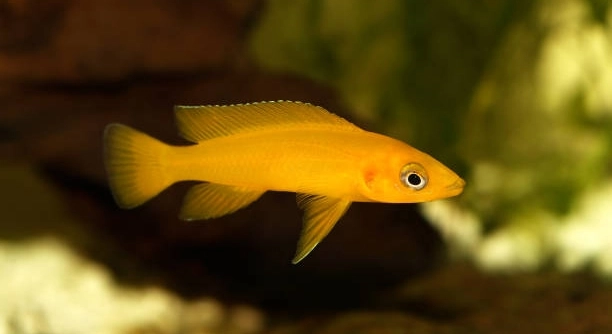
Arowanas are graceful fish that require the right environment to thrive. Many hobbyists notice their activity levels fluctuate, often linked to factors like tank size, water quality, and lighting conditions that influence behavior.
Providing appropriate light settings for arowanas significantly impacts their activity and overall health. Using a combination of natural daylight simulation, adjustable intensity, and gradual transitions encourages normal swimming patterns, feeding behavior, and social interactions while reducing stress in captive environments.
By understanding these light settings, you can enhance your arowana’s daily routine and maintain a lively, engaging aquarium environment.
Morning Light Simulation
Many arowana owners find that simulating morning light in the aquarium helps their fish become more active early in the day. Gradually increasing light intensity over an hour mimics sunrise, encouraging the fish to swim and explore naturally. Morning light also sets a consistent daily rhythm, which is important for their biological clock. Using LED lights with a soft warm tone can create this effect without startling the fish. Observing the arowana during this period shows a noticeable increase in movement and responsiveness. Gradual light helps reduce stress, which can otherwise lead to hiding or lethargy. Some owners pair morning lighting with feeding schedules to reinforce activity patterns. Over time, the fish learns to anticipate environmental changes, promoting healthier exercise and feeding behavior. Adjusting light duration slightly depending on the season can keep their rhythm consistent year-round. It’s a simple method that supports both behavior and overall health.
Simulating morning light boosts activity, encourages natural swimming, and reduces stress by providing a predictable and gentle start to the day for arowanas.
Using this approach, you can create a calmer tank atmosphere while keeping your arowana engaged and healthy throughout the day.
Afternoon Brightness Boost
Introducing brighter light in the afternoon encourages more exploration and feeding activity.
Maintaining stronger light levels during midday helps mimic peak daylight hours. Arowanas respond well to consistent brightness, which encourages swimming and interaction with the environment. It’s important not to overdo intensity, as extremely bright lighting can cause stress. Pairing this with hiding spots and open swimming areas allows the fish to regulate its exposure comfortably. Some owners notice that adding reflective surfaces or background colors enhances light distribution, further stimulating movement. Afternoon brightness also aids in visual feeding, making it easier for arowanas to locate food, which supports their metabolism and growth. Gradual adjustments in brightness over several days prevent shock and allow the fish to adapt naturally. This period of enhanced light can be balanced with earlier and later softer lighting to maintain a healthy circadian rhythm. Proper management of brightness ensures the arowana remains active without causing fatigue or discomfort.
Evening Dim Lighting
Dim lighting in the evening helps arowanas wind down and reduces stress before nighttime. Soft, low-intensity lights simulate sunset, signaling the fish that it is time to slow activity and prepare for rest. This creates a balanced daily cycle.
Evening dim lighting supports natural sleep patterns and keeps arowanas from becoming restless. Gradually reducing light intensity over 30–60 minutes prevents sudden changes that could startle them. Using amber or red-toned lights can mimic natural dusk and maintain visibility without overwhelming the tank. This practice also encourages calmer swimming, allowing the fish to settle in preferred areas of the aquarium. By pairing dim lighting with reduced activity periods, feeding schedules can remain consistent while still respecting their natural rhythms. Arowanas adjust quickly when changes are gradual, showing smoother behavior and less stress. This method helps maintain overall health and prevents disruptive nocturnal activity.
Maintaining this routine allows the arowana to recognize environmental cues for rest. Over time, it contributes to a more predictable, calmer, and healthier tank atmosphere, benefiting both behavior and wellbeing.
Blue Spectrum Lighting
Blue spectrum lighting enhances the appearance of arowanas and encourages active swimming. The color mimics deeper water environments where they naturally feel secure and comfortable, making them more inclined to explore the tank freely.
Blue lights stimulate movement without causing stress, especially when used in moderation during peak activity periods. They enhance coloration and can make the aquarium visually appealing while encouraging natural behaviors. Combining blue spectrum lighting with moderate intensity prevents the fish from becoming overly shy or hiding. This lighting works well in the afternoon or early evening to maintain activity while signaling the transition to rest. Many owners notice that arowanas under blue lighting appear more alert and responsive, engaging with tank decor and other fish if present. Gradual adjustment of color intensity helps the fish acclimate quickly, reducing the risk of erratic behavior. Consistency in timing and placement of blue lights contributes to long-term benefits.
Blue spectrum lighting, when paired with proper tank layout and routine, creates a comfortable environment that promotes exploration and mental stimulation. It also reinforces natural activity patterns and supports overall health.
Gradual Light Transition
Gradually changing light intensity throughout the day prevents sudden stress for arowanas. Smooth transitions help the fish adjust naturally between morning, afternoon, and evening lighting, keeping them calm and active.
Using timers or dimmers ensures consistency in light transitions. This predictability encourages normal swimming and feeding behaviors, reducing anxiety caused by abrupt changes.
Natural Daylight Simulation
Simulating natural daylight with a mix of warm and cool tones supports the arowana’s biological rhythm. This approach encourages regular activity, feeding, and interaction with the environment, making the aquarium feel closer to a natural habitat. Consistent daylight simulation helps the fish maintain energy levels and overall health throughout the day.
Spotlight on Feeding Areas
Targeted lighting on feeding zones draws attention and stimulates appetite. Arowanas respond quickly, becoming more active during meal times.
FAQ
How long should I keep lights on for my arowana?
Arowanas need a consistent light schedule of about 10–12 hours daily. This balance allows them to stay active while also getting enough rest. Using timers can help maintain a reliable cycle without constant monitoring. Avoid leaving lights on overnight, as continuous exposure can stress the fish and disrupt natural behaviors.
Can too much light harm my arowana?
Yes, excessive light can cause stress, reduce appetite, and encourage erratic swimming. It may also promote algae growth, which can impact water quality. Always aim for moderate intensity and provide shaded areas where the fish can retreat if needed.
Is colored lighting necessary for arowanas?
Colored lighting isn’t essential but can enhance activity and coloration. Blue spectrum lighting encourages exploration, while warm tones mimic natural daylight. Using colored lights in moderation ensures the fish is comfortable without overwhelming them.
Should I adjust light intensity seasonally?
Seasonal adjustments are helpful if your tank receives natural sunlight. Increasing light slightly in winter and reducing in summer mimics natural patterns. Gradual changes prevent sudden stress and maintain healthy activity levels year-round.
Does light affect feeding behavior?
Yes, arowanas are more likely to feed when lighting highlights the tank and food. Bright but comfortable illumination during mealtimes encourages normal hunting and consumption habits. Avoid overly harsh lighting that may frighten them.
Can night lights help my arowana?
Soft, dim night lights aren’t necessary but can help observe nocturnal behavior without disturbing sleep patterns. Red or amber lights are ideal for minimal disruption. Keep intensity very low to maintain natural rest cycles.
How do I know if the lighting is right?
Observe your arowana’s activity levels. Active swimming, normal feeding, and calm resting indicate suitable lighting. Excessive hiding, lethargy, or erratic swimming are signs the intensity or duration may need adjustment. Regularly monitoring behavior ensures lighting supports health and activity.
Is it okay to use sunlight in the tank?
Direct sunlight should be avoided as it can cause temperature spikes and algae overgrowth. Indirect natural light is acceptable but should be balanced with artificial lighting for consistency and control.
Do arowanas prefer bright or soft light?
They prefer moderate lighting with areas to retreat. Bright light can be stimulating, but arowanas need shaded spots to feel secure. Creating variation in light intensity across the tank encourages exploration and reduces stress.
Can lighting influence arowana growth?
Proper lighting supports normal metabolism, feeding efficiency, and activity, which indirectly affects growth. Consistent cycles and gentle intensity help maintain energy levels, making them more likely to feed regularly and stay healthy.
What type of bulbs are best for arowana tanks?
LED bulbs are ideal because they offer adjustable intensity, color options, and low heat output. They are energy-efficient and allow simulation of natural light cycles. Avoid incandescent bulbs that produce excessive heat or uneven light distribution.
How quickly should lighting changes be implemented?
Changes should be gradual, over several days. Sudden shifts can stress arowanas, causing erratic swimming or hiding. Gradual dimming or brightening lets the fish adapt without negative effects on behavior or health.
Does lighting affect water temperature?
Yes, strong lighting can slightly raise tank temperature. Monitoring temperature ensures it stays within arowana-friendly ranges. LEDs produce less heat than traditional bulbs, helping maintain stable conditions.
Can different light settings be combined?
Combining morning simulation, afternoon brightness, and evening dimming works well. Adding blue spectrum or targeted feeding lights in moderation further encourages activity while maintaining natural rhythms. This approach supports behavior and overall wellbeing.
How often should I adjust lighting settings?
Once a schedule is established, minor adjustments are only needed for seasonal changes or tank layout modifications. Consistency is more important than frequent changes, as arowanas thrive on predictable routines.
This FAQ covers key aspects of lighting for arowanas, ensuring their activity, health, and behavior are supported effectively through careful management and observation.
Final Thoughts
Maintaining the right lighting for your arowana is an essential part of keeping the fish healthy and active. Lighting affects not only their swimming and feeding patterns but also their overall mood and stress levels. A consistent daily routine that includes morning, afternoon, and evening lighting helps create a natural rhythm, allowing the fish to adjust easily to changes in the tank. Gradual transitions between light intensities and using a mix of warm and cool tones simulate natural environments, encouraging movement and reducing lethargy. By observing your arowana regularly, you can see how different lighting setups influence behavior, whether they are swimming actively, exploring the tank, or feeding regularly. Proper lighting also makes it easier to monitor their health, as active fish generally indicate a comfortable and well-maintained environment.
It is important to remember that while lighting is crucial, it is only one factor in arowana care. Water quality, tank size, temperature, and diet all work together with light to support activity and wellbeing. A balanced approach that considers all of these elements helps prevent stress and encourages natural behaviors. Using timers or dimmers for lighting can simplify management and ensure the fish experience consistent conditions. Many owners notice that fish become noticeably more energetic and responsive once the right lighting conditions are established. In addition, colored lighting or targeted light on feeding areas can further stimulate activity without causing stress. Attention to detail in lighting setup reflects directly in the fish’s behavior, with more active, alert, and healthy arowanas being the result. Gradual changes, rather than sudden shifts, are always better, as arowanas adapt slowly to new conditions.
Finally, observing your arowana and learning what works best for its specific behavior is key. No two tanks are exactly the same, and slight adjustments may be necessary depending on the size of the aquarium, placement of plants or decorations, and natural light exposure. Consistency and careful observation are more effective than making frequent, abrupt changes. The goal is to create an environment that closely mimics natural conditions while providing comfort and stimulation. Over time, proper lighting helps the arowana develop predictable activity patterns, maintain appetite, and interact naturally with its surroundings. By combining the right light settings with good overall care, you can ensure your arowana remains active, healthy, and vibrant, making the aquarium both lively and enjoyable to watch.

Hello,
If you enjoy the content that we create, please consider saying a "Thank You!" by leaving a tip.
Every little bit helps us continue crafting quality advice that supports the health, happiness, and well-being of pets around the world, for pets of all shapes, sizes, and species.
We really appreciate the kindness and support that you show us!