
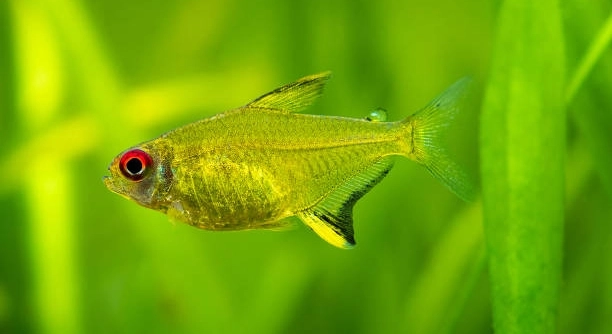
Many aquarium owners notice their arowana spending hours near the window. This behavior can be puzzling, especially when the fish seems healthy. Observing their habits closely can reveal clues about their environment and needs.
Arowanas often face windows due to light, reflections, or perceived movement outside. They may be reacting to natural sunlight, external activity, or reflections in the glass, which stimulates their natural curiosity and territorial instincts, influencing their behavior consistently.
Understanding why your fish prefers this spot can improve tank placement and care, ensuring a calmer and more balanced environment for your arowana.
Reasons Arowanas Face Windows
Arowanas are naturally curious and highly alert fish. When they face a window, they might be attracted to the changing light outside, reflections, or movement. Sunlight can create bright patterns that catch their attention, and they may follow these patterns as part of instinctive behavior. Reflections on the glass may make them think there is another fish nearby, triggering territorial instincts. Some arowanas enjoy observing the environment beyond their tank, as it provides mental stimulation. In certain cases, windows can also affect water temperature, creating warmer or cooler spots that attract the fish. Understanding these subtle environmental cues can help you adjust your tank placement or window coverings to maintain a stable, comfortable habitat. Monitoring your arowana’s behavior over several days will help you notice patterns, whether it is light-driven, reflection-driven, or simply out of curiosity. Keeping the tank in a well-lit, yet controlled, area ensures the fish feels safe.
Light and reflections can significantly influence arowana behavior, often leading them to prefer specific spots in the tank.
Adjusting lighting and tank placement can reduce stress and encourage more natural swimming patterns. Simple changes make a big difference.
Environmental Adjustments
Small environmental changes can guide your arowana’s focus away from the window. Curtains or blinds can reduce excessive sunlight and reflections, which often trigger repetitive behavior. Rearranging the tank or moving it slightly can create a more evenly lit environment, preventing the fish from fixating on one area. Adding plants, driftwood, or decorations inside the tank provides visual stimulation and hiding spots, which can distract the fish from staring at external activity. Regularly monitoring water quality and temperature ensures your arowana remains comfortable, as these factors influence behavior. Observing whether adjustments reduce window-facing tendencies helps you understand the fish’s preferences. Over time, your arowana may become less fixated on the window, swimming more freely and confidently. Patience and careful observation are key.
Curtains, tank rearrangement, and added decorations can help reduce window-staring behavior.
Consistently providing varied stimuli inside the tank can shift the arowana’s attention away from outside distractions. Plants and ornaments not only make the tank visually appealing but also offer areas for exploration and hiding. Balanced lighting and temperature create a secure environment, helping the fish feel comfortable and less compelled to monitor the outside. By tracking the fish’s responses, you can fine-tune these changes to suit its habits. Over time, these adjustments encourage more natural movement, reduce stress, and enhance overall well-being. Combining multiple small strategies is often more effective than a single approach, ensuring the arowana enjoys a calm and enriched habitat.
Light and Reflection Effects
Windows create bright spots and reflections that attract arowanas. They often fixate on these changes, interpreting them as movement or potential rivals. Adjusting blinds or curtains can reduce this behavior and create a calmer tank environment.
Consistent exposure to sunlight or reflections can make arowanas more alert and restless. They may follow light patterns across the tank for long periods, showing repeated movement toward specific areas. This behavior is natural but can indicate overstimulation if it becomes obsessive. By observing how your fish reacts throughout the day, you can determine whether light adjustments are necessary. Placing the tank in an area with indirect lighting or using diffuse coverings helps maintain balanced behavior. Over time, arowanas usually settle into more regular swimming patterns once external visual triggers are reduced.
Reflections from the glass or objects outside the window may also create a perceived presence of other fish. Arowanas are territorial and respond strongly to perceived intrusions. Reducing reflective surfaces or repositioning the tank can help minimize stress. This approach encourages the fish to focus on its environment inside the tank, promoting calmer, more natural movement. Adjusting angles, adding background elements, or using anti-reflective materials on the glass are practical methods to reduce fixation on the window. These changes can improve both the behavior and overall well-being of your arowana.
Tank Enrichment Strategies
Adding plants, driftwood, or ornaments creates interest and distraction for arowanas. This helps redirect their attention from external activity and encourages exploration inside the tank.
Varied tank decorations provide both hiding spots and exploration opportunities, which are essential for mental stimulation. Arowanas are intelligent fish that can become bored without adequate enrichment. By placing objects at different heights and locations, you can encourage swimming in multiple directions and reduce repetitive behaviors. Even simple additions, like floating logs or anchored rocks, create visual and physical interest, which keeps the fish active. Rotating decorations occasionally introduces novelty, further promoting engagement. Monitoring your fish’s interaction with these additions shows which elements are most effective, helping you refine the setup. A well-enriched tank results in a healthier, less stressed arowana that exhibits natural swimming and territorial behaviors.
Consistent Feeding Schedule
Arowanas respond well to a predictable feeding routine. Regular feeding times reduce anxiety and keep them engaged with the tank rather than external distractions.
Providing food at consistent times trains your arowana to expect meals, which can decrease window-fixated behavior. It also supports digestive health and overall well-being.
Temperature and Water Conditions
Stable water temperature and clean conditions are crucial for arowana comfort. Fluctuations can make them restless or encourage unusual behaviors, including staring at windows. Monitoring and maintaining these parameters ensures a calmer, healthier fish that exhibits natural activity patterns.
Observing Natural Behavior
Arowanas have natural instincts that drive their curiosity and alertness. Watching their normal behavior helps identify when external factors, like windows, are influencing them excessively.
FAQ
Why does my arowana keep staring at the window?
Arowanas are highly alert and naturally curious fish. Windows provide changing light, reflections, and outside movement that attract their attention. They may interpret reflections as other fish or potential intruders, triggering territorial instincts. Adjusting lighting, adding background decorations, or partially covering the window can reduce this fixation.
Is it harmful if my arowana constantly faces the window?
Constantly staring at the window is usually not immediately harmful, but it can indicate stress or overstimulation. Prolonged stress may affect appetite, immune function, and overall activity. Ensuring a stable environment with consistent lighting, water temperature, and enrichment reduces anxiety and promotes healthier behavior.
Can lighting adjustments help reduce window-facing behavior?
Yes. Windows often create bright spots and reflections that arowanas follow. Using blinds, curtains, or diffused light reduces strong visual triggers. Indirect or controlled lighting creates a balanced environment, allowing your fish to swim naturally without becoming fixated on a single spot.
Do tank decorations influence my arowana’s attention?
Decorations like plants, driftwood, and ornaments provide visual stimulation and exploration opportunities. These elements distract the fish from external activity, encourage movement, and simulate natural environments. Rearranging or rotating decorations periodically introduces novelty, keeping the arowana engaged and less focused on the window.
Does feeding schedule affect window-staring behavior?
Yes. Predictable feeding times help arowanas focus on regular activity rather than external stimuli. Consistent meals reduce anxiety and create positive anticipation within the tank. Skipping or irregular feeding may heighten restlessness, making the fish more likely to stare at windows or other outside movement.
Can water temperature or quality impact behavior?
Absolutely. Arowanas are sensitive to temperature fluctuations and poor water quality. Uneven temperatures or unclean water can make them restless and exaggerate repetitive behaviors, including window-fixation. Regular water checks, consistent heating, and proper filtration maintain comfort and reduce stress-induced behaviors.
Will my arowana lose interest in the window over time?
With environmental adjustments, many arowanas gradually reduce window-staring. Providing consistent lighting, enrichment, stable water conditions, and predictable feeding helps shift their focus inside the tank. Patience is key, as behavior changes may take several days to weeks depending on the fish’s personality and environment.
Are reflections more stimulating than actual movement outside?
Reflections can be just as stimulating because arowanas perceive them as other fish. They react instinctively to defend territory or investigate potential intruders. Minimizing reflective surfaces or repositioning the tank can reduce stress and repetitive behaviors caused by perceived activity outside the aquarium.
Can stress from the outside environment affect my arowana?
Yes. Noise, shadows, or sudden movement outside the window can cause stress. Arowanas are sensitive to environmental changes, and repeated exposure may make them hyper-alert. Covering part of the tank, placing it in a quieter location, and creating a stable interior environment can help mitigate this stress.
How can I tell if my arowana is overstimulated by the window?
Signs include constant window-facing, rapid swimming, frequent lunging, or refusal to rest in other areas of the tank. Monitoring these behaviors, along with appetite and interaction with tank enrichment, helps determine if the fish is overstimulated. Adjustments in lighting, placement, and enrichment can reduce these stress indicators.
Does the time of day affect window-staring behavior?
Yes. Sunlight intensity and outdoor activity vary throughout the day, influencing arowana behavior. Morning or afternoon light may create stronger reflections or moving patterns that draw the fish’s attention. Adjusting tank location or using window coverings during peak sunlight hours can help regulate this behavior.
Can I train my arowana to ignore the window?
Indirectly, yes. Providing consistent environmental cues, enrichment, and feeding routines teaches the fish to focus on the tank rather than external stimuli. Patience and observation are essential. Positive reinforcement through feeding or interaction in different areas of the tank encourages attention shift away from the window.
Will moving the tank completely away from the window solve the problem?
Often, yes. Relocating the tank removes the main visual triggers like sunlight, reflections, and outside movement. The fish may take time to adjust, but consistent tank care and enrichment support a smooth transition and reduce repetitive window-facing behavior.
Are some arowanas more prone to window-staring than others?
Individual temperament plays a role. Some arowanas are naturally more alert, curious, or territorial, making them more likely to fixate on windows. Observing personality traits and adjusting environmental factors accordingly helps reduce stress and encourages balanced activity patterns.
How long does it take to see improvement after adjustments?
Changes in behavior can appear within days but may take weeks for full adjustment. Consistency in lighting, enrichment, feeding, and water conditions is essential. Gradual improvements indicate the fish is becoming comfortable and shifting attention from the window to more natural behaviors inside the tank.
Are there any signs that the window-facing is dangerous?
Persistent stress signs, such as loss of appetite, lethargy, or erratic swimming, may indicate that external stimuli are negatively affecting your arowana. Immediate adjustments to lighting, tank location, and enrichment are necessary to prevent long-term health issues and ensure a balanced environment.
Can adding a tank background reduce window-fixation?
Yes. Solid or scenic backgrounds minimize external visual distractions. This reduces reflections and movement from the room or outside, providing a more secure and focused environment. Combined with enrichment and consistent care, backgrounds help the arowana spend more time exploring its tank rather than staring at the window.
Is it normal for arowanas to display curiosity toward outside activity?
Absolutely. Curiosity is natural, especially in young or intelligent fish. Observing shadows, reflections, or movement outside stimulates their senses. By balancing curiosity with safe environmental adjustments, you can encourage natural behaviors without causing stress or obsessive focus on the window.
Does tank size influence window-facing behavior?
Smaller tanks can intensify window-staring because the fish has fewer places to explore. Larger tanks with varied decorations and hiding spots allow the arowana to redirect attention toward natural swimming and exploration, reducing repetitive external fixation. Proper tank layout is essential for mental and physical stimulation.
Can multiple fish reduce window-fixation?
Adding other compatible fish may reduce boredom but requires careful consideration of tank dynamics. Aggression or overcrowding can increase stress. If managed properly, companions provide social interaction and distraction, encouraging the arowana to engage with its environment rather than fixating on outside movement.
How do I balance sunlight without overstimulation?
Indirect natural light or diffused artificial lighting is ideal. Avoid direct sunlight on the tank, which can cause temperature fluctuations, algae growth, and overstimulation. Using blinds, sheer curtains, or positioning the tank in shaded areas allows light benefits without triggering obsessive window-facing behavior.
Are there specific times to observe changes in behavior after adjustments?
Morning and afternoon are key periods due to light variation. Tracking behavior during these times helps identify triggers and assess whether environmental changes, such as decorations, feeding, or lighting adjustments, are effective in reducing window-staring tendencies.
Does diet affect behavior?
A well-balanced diet supports overall health and calmness. Malnutrition or inconsistent feeding may make arowanas restless, increasing window-fixation. Providing high-quality food on a consistent schedule promotes normal activity patterns and reduces stress-driven behaviors.
How do I combine multiple strategies effectively?
Combining lighting control, tank enrichment, consistent feeding, stable water conditions, and observing personality traits works best. Each adjustment addresses different triggers, creating a harmonious environment that encourages natural behavior. Tracking progress ensures the fish adapts positively to these combined changes.
Are all window-facing behaviors negative?
Not always. Some curiosity and observation are natural and harmless. The problem arises when it becomes repetitive or stress-inducing. Monitoring intensity, duration, and associated stress indicators helps determine whether intervention is needed.
Can I use reflections to interact with my arowana?
Reflections can stimulate activity, but overuse may stress the fish. Occasional controlled interaction can engage them, but it is safer to focus on enrichment, feeding, and environmental adjustments to promote healthy and natural behaviors without creating obsession.
Is it common for arowanas to change behavior as they age?
Yes. Younger arowanas are often more curious and reactive, while adults may settle into routines. Adjustments in lighting, enrichment, and feeding may be more critical for younger fish. Observing these changes helps tailor care to their developmental stage, reducing unnecessary stress.
What are simple daily checks to maintain calm behavior?
Monitor water temperature, cleanliness, feeding schedule, and interaction with decorations. Note window-facing tendencies, activity levels, and appetite. Making small daily adjustments ensures the environment remains stable, reducing stress and encouraging natural, balanced behavior.
Can stress from nearby rooms affect arowanas?
Yes. Movement, noise, and light from adjacent rooms may trigger alertness and repetitive behaviors. Minimizing these disturbances through tank placement, room organization, or partial coverings improves comfort and reduces external stressors.
Do arowanas ever stop being curious about outside activity completely?
Usually, curiosity never disappears entirely. With environmental adjustments and enrichment, fixation reduces significantly. The fish may glance occasionally, but balanced stimulation allows normal swimming, exploration, and rest without obsessive behavior.
Is professional advice sometimes necessary?
If behavior changes persist, or stress indicators appear despite adjustments, consulting an aquatic veterinarian or experienced aquarist is recommended. They can assess health, environmental conditions, and provide guidance to ensure your arowana’s well-being.
Can subtle tank rearrangements make a difference?
Yes. Even minor changes in decoration placement, hiding spots, or background adjustments can redirect attention. Subtle rearrangements prevent boredom and reduce fixation on external stimuli while promoting natural exploration and activity.
How long should I observe before expecting results?
Behavioral changes may appear within a few days but often take weeks. Consistency in lighting, enrichment, feeding, and water conditions is key. Patience and careful monitoring ensure your adjustments lead to calmer, healthier behavior.
Do arowanas respond to human presence differently than outside stimuli?
Yes. Human interaction, especially during feeding or gentle observation, can engage their attention more than outside activity. Predictable, calm interaction helps reinforce natural behaviors and reduces stress-driven focus on windows or reflections.
Are there seasonal changes that affect window-facing behavior?
Seasonal variations in sunlight, temperature, and outside activity can influence arowanas. Brighter or longer daylight periods may increase attention to windows, while dimmer months may reduce it. Adjusting lighting, temperature, and enrichment seasonally helps maintain balanced behavior.
Can multiple adjustments overwhelm the fish?
Too many simultaneous changes can cause stress. Introduce adjustments gradually, monitor reactions, and prioritize the most effective strategies. A balanced, step-by-step approach allows the arowana to adapt comfortably while reducing window-facing behavior.
Is observation more effective than frequent intervention?
Yes. Watching behavior carefully provides insight into triggers and effective solutions. Frequent unnecessary intervention can increase stress. Patience, observation, and small adjustments create a stable environment that encourages natural and calm activity.
Do arowanas need periods of calm without stimulation?
Absolutely. Quiet periods without excessive light, reflections, or disturbances allow rest and normal activity. Providing consistent dark periods and calm conditions promotes health, reduces stress, and discourages obsessive external focus.
Will moving the tank temporarily help with window-staring?
Short-term moves may redirect attention, but long-term placement adjustments combined with enrichment and stable conditions are more effective. Temporary changes alone may only provide brief relief without addressing underlying triggers.
Are some reflections less stressful than others?
Yes. Diffuse reflections or subtle movement outside the window are less likely to overstimulate arowanas. Sharp or sudden reflections can trigger stress or repetitive behaviors. Controlling reflection intensity is key to maintaining calm behavior.
Can adjusting water flow help reduce window-fixation?
Moderate water flow encourages natural swimming patterns and exploration, reducing boredom. Stagnant water may make fish more prone to repetitive behaviors, including staring at windows. Flow adjustments should match the species’ preferences for optimal comfort.
Is it normal for arowanas to alternate between window-facing and normal activity?
Yes. Periodic attention to external stimuli is natural. Concern arises only when fixation is excessive or accompanied by stress. Balanced environmental adjustments encourage normal activity while respecting natural curiosity.
Does tank height or depth affect behavior?
Yes. Taller or deeper tanks provide more vertical and horizontal space for exploration, reducing repetitive fixation on one area. Proper tank dimensions support natural swimming patterns and overall well-being.
Are there signs that the tank itself is contributing to fixation?
Minimal decorations, poor lighting, or unbalanced temperature can make arowanas focus externally. Enhancing interior stimuli and stabilizing environmental factors redirect attention and reduce repetitive behaviors associated with tank inadequacies.
How important is routine observation?
Daily monitoring helps identify triggers, assess behavior, and track progress. Routine observation allows timely adjustments in feeding, enrichment, lighting, or placement, ensuring the arowana remains comfortable and stress-free while reducing window-facing tendencies.
Can stress from previous environments influence behavior?
Yes. Fish transferred from new or challenging environments may develop heightened alertness or repetitive behaviors. Patience, stable conditions, and gradual acclimation help the fish adjust and reduce fixation on external stimuli.
Do arowanas ever use window-facing as hunting practice?
Some behaviors mimic predatory instincts, where movement outside the tank triggers attention. While harmless in moderation, excessive focus may indicate overstimulation. Providing live or interactive feeding inside the tank can redirect this instinct safely.
Are small changes in environment more effective than large ones?
Yes. Gradual, subtle changes allow adaptation without overwhelming the fish. Small adjustments in lighting, decorations, or water flow often produce better long-term results than drastic moves, which may cause stress and exacerbate window-fixation.
Does tank location relative to room activity matter?
Absolutely. Placing tanks away from high traffic or noisy areas reduces stimulation from outside movement. Quiet, stable locations combined with enrichment encourage normal activity and reduce repetitive external focus.
Can reflections at night affect behavior?
Yes. Indoor lighting can create reflections after dark, drawing attention from arowanas. Minimizing bright lights near the tank in the evening helps maintain normal activity patterns and promotes calm nighttime behavior.
Are there specific decorations that work best?
Plants, driftwood, rocks, and hiding spots create visual and physical stimulation. Layering decorations at different heights encourages exploration. Rotating or changing elements occasionally adds novelty, which keeps the arowana engaged and less focused on external stimuli.
Do arowanas react differently to static versus moving reflections?
Moving reflections trigger more attention because they resemble potential rivals or prey. Static reflections are less stimulating but can still cause curiosity. Minimizing both types of reflections helps maintain calm behavior and reduces obsessive window-staring.
Is it normal for arowanas to return to the window occasionally?
Yes. Curiosity may persist even after adjustments. Occasional glances are natural. Consistent enrichment and stable conditions prevent fixation, while allowing harmless exploration of their surroundings.
Can I use visual barriers inside the tank?
Yes. Backgrounds, plants, or opaque partitions reduce exposure to reflections or external activity. These barriers provide security and help shift attention toward the tank environment rather than the window.
How can I measure improvement effectively?
Track the frequency and duration of window-facing behaviors, appetite, activity, and interaction with enrichment. Consistent documentation helps assess the effectiveness of adjustments and informs further environmental tweaks to support natural behavior.
Are some fish more sensitive to window light?
Yes. Arowanas have individual sensitivity levels. Bright light or reflections may affect some fish more than others. Observing responses and adjusting accordingly ensures comfort and reduces repetitive, stress-driven behaviors.
Does tank background color matter?
Dark or solid backgrounds reduce reflections and distractions. Neutral colors provide a calm visual environment, promoting exploration and natural behavior while discouraging fixation on external stimuli.
Is temperature gradient inside the tank a factor?
Yes. Uneven temperatures may make certain areas more attractive, leading to repetitive swimming or window-fixation. Stable, even heating supports balanced behavior and comfort.
How often should I change tank layout for enrichment?
Occasionally rotating decorations every few weeks introduces novelty without overwhelming the fish. This prevents boredom and promotes natural exploration, helping shift attention from external stimuli to the tank itself.
Are there signs that enrichment is insufficient?
Lack of interest in decorations, constant window-facing, or repetitive swimming patterns may indicate insufficient stimulation. Increasing complexity and variety inside the tank encourages engagement and natural behavior.
Can stress from water changes trigger window-staring?
Yes. Sudden or poorly executed water changes may make the fish alert or anxious. Performing gradual, consistent changes reduces stress and prevents fixation on external movement.
Do arowanas respond differently to natural versus artificial light?
Natural light often creates stronger reflections and patterns, while controlled artificial light provides consistent illumination. Balancing both helps maintain comfort and reduces obsessive window-facing behavior.
Can overfeeding or underfeeding affect behavior?
Both can cause restlessness. Overfeeding may lead to sluggishness and bloating, while underfeeding increases anxiety and external focus. Consistent, balanced feeding supports calm, natural behavior.
Is it normal for arowanas to explore all areas of the tank occasionally?
Yes. Healthy arowanas move throughout their environment, inspecting decorations, swimming, and resting. Restricted movement or repetitive window-facing may indicate environmental adjustments are needed.
Can social interaction with humans reduce fixation?
Gentle, predictable interaction during feeding or observation engages attention safely. Consistent human interaction can complement enrichment and environmental adjustments, reducing reliance on outside stimuli for mental stimulation.
Are there long-term effects of repeated stress from windows?
Chronic stress may impact appetite, immune function, and activity. Consistently addressing environmental triggers ensures the arowana remains healthy and reduces potential long-term behavioral or health issues.
Do seasonal decorations affect window-staring?
Yes. Changes near the tank, like seasonal ornaments, may create reflections or movement. Monitoring reactions and adjusting placement helps maintain a stable environment and reduces obsessive attention to external stimuli.
Is it better to combine multiple strategies or focus on one?
Combining strategies—lighting control, enrichment, feeding, stable water, and background adjustments—is most effective. Single changes may not address all triggers. Observing responses to each adjustment ensures a comprehensive approach that reduces window-fixation.
Can arowanas become bored without external stimuli?
Yes. Without enrichment, they may fixate on windows or repetitive swimming. Providing varied decorations, hiding spots, and interactive feeding keeps them engaged and mentally stimulated while reducing stress-driven behaviors.
How important is patience in behavior adjustment?
Extremely important. Behavioral changes take days to weeks. Consistency, observation, and gradual adjustments allow the arowana to adapt comfortably while reducing window-facing tendencies.
Are there any signs of permanent stress damage?
Watching an arowana stare at a window can feel puzzling, but it is often a natural behavior influenced by light, reflections, and outside movement. Arowanas are highly alert and curious fish, and windows provide visual stimuli that they respond to instinctively. While this behavior may seem unusual, it usually does not indicate illness or serious problems if the fish appears healthy. Observing your arowana closely helps you understand its patterns and reactions, giving insight into how it interacts with its environment. Noticing when the fish spends time near the window, whether it is following light patterns or reacting to movement outside, allows you to make adjustments that improve its comfort. Over time, you can see whether changes to lighting, placement, or enrichment are effective in encouraging more natural swimming and activity within the tank.
Making small environmental adjustments can help reduce obsessive window-staring while keeping the fish mentally and physically stimulated. Using blinds or curtains to control sunlight and reflections is a simple first step. Adding plants, driftwood, and other decorations creates interest inside the tank, giving the arowana places to explore and hide. Rearranging these elements occasionally introduces novelty, keeping the fish engaged and less likely to focus on external stimuli. Maintaining consistent water temperature, cleanliness, and feeding schedules is also essential. Arowanas are sensitive to sudden changes, and stable conditions reduce stress while supporting normal activity patterns. Even minor improvements, such as adjusting the tank’s angle relative to the window or adding a background, can have noticeable effects on behavior. With careful observation and gradual changes, your arowana will likely become calmer, more comfortable, and more engaged with its environment.
Patience and consistency are key when addressing window-focused behavior. Behavioral changes may take days or weeks, and the fish may continue to glance toward the window occasionally, which is normal. The goal is not to eliminate curiosity but to balance stimulation and reduce obsessive tendencies that may cause stress. By combining environmental adjustments, enrichment, and predictable routines, you create a healthier, more secure habitat. Over time, your arowana will likely spend more time exploring the tank, resting in different areas, and interacting with its environment rather than fixating on external movement. Observing and understanding these behaviors strengthens your ability to provide a stable and enriching home for the fish, ensuring long-term health, calmness, and natural activity patterns.

Hello,
If you enjoy the content that we create, please consider saying a "Thank You!" by leaving a tip.
Every little bit helps us continue crafting quality advice that supports the health, happiness, and well-being of pets around the world, for pets of all shapes, sizes, and species.
We really appreciate the kindness and support that you show us!