
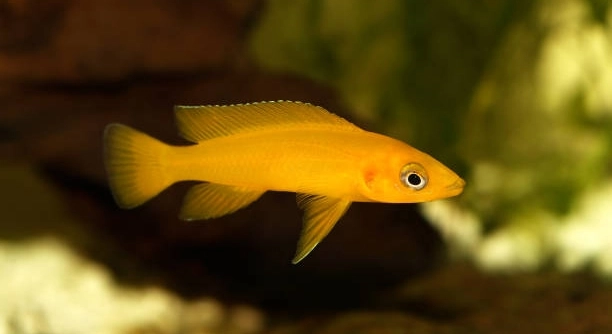
Arowanas are majestic fish known for their elegance and striking appearance. Keeping them healthy requires attention to their environment, especially the water they live in. Even slight changes in water conditions can affect their wellbeing and behavior.
Arowanas are particularly sensitive to seven key water parameters: temperature, pH, hardness, ammonia, nitrite, nitrate, and dissolved oxygen. Maintaining these within optimal ranges ensures proper metabolism, growth, and immune function, reducing stress and preventing common health issues.
Proper water management is essential for Arowanas to thrive. Understanding these parameters will help you provide a stable and healthy environment for your fish.
Temperature
Arowanas thrive in water that is consistently warm. Ideal temperatures range between 75°F and 82°F. Sudden fluctuations can stress the fish, making them more susceptible to illness. Using a reliable aquarium heater and thermometer helps maintain stability. It is important to monitor the water daily, especially during seasonal changes, to prevent drastic drops or rises. Arowanas exposed to cold water may reduce their activity, eat less, and develop health problems. High temperatures can decrease oxygen levels and increase metabolism, causing stress. Consistency in temperature supports growth and strengthens immunity. Adjusting gradually when changes are necessary is key to avoiding shock. Monitoring both the aquarium environment and the equipment ensures a safe habitat. Understanding these needs helps maintain the vibrancy and energy of your Arowana over time. Preventing sudden swings in temperature also reduces stress-related diseases and supports their overall longevity.
Maintaining the correct temperature is essential for both health and behavior. A stable, warm environment encourages normal activity and feeding habits.
Temperature influences metabolic rates, immune response, and overall energy levels. Consistent warmth promotes growth and reduces susceptibility to disease. Sudden changes, even minor, can trigger stress, lethargy, and weakened resistance. Gradual adjustments and monitoring are vital for a thriving Arowana.
pH Levels
Arowanas prefer slightly acidic to neutral water, ideally between 6.5 and 7.5.
Keeping pH stable is critical, as sudden swings can lead to stress and illness. Regular testing helps prevent harmful shifts and maintains a healthy environment.
pH levels affect how fish metabolize nutrients and maintain internal balance. Water that is too acidic or too alkaline can irritate gills, reduce appetite, and increase vulnerability to infections. Frequent testing with accurate kits is important, and buffering agents can help maintain stability. Slowly adjusting pH prevents shock and supports long-term health. Proper substrate, filtration, and water changes also contribute to maintaining ideal pH. Observing your fish’s behavior can indicate if pH is off. Lethargy, erratic swimming, or reduced feeding often point to unsuitable water chemistry. Regular maintenance, combined with careful monitoring, ensures that Arowanas thrive in a stable and balanced aquatic environment, keeping them active, healthy, and visually vibrant.
Water Hardness
Arowanas do best in soft to moderately hard water. Excessively hard water can stress their system and affect overall health. Monitoring both general hardness (GH) and carbonate hardness (KH) ensures a balanced environment that supports proper physiological functions and maintains stability.
Hardness affects mineral absorption, osmoregulation, and overall metabolic processes in Arowanas. Low hardness can make fish more sensitive to toxins, while high hardness may irritate gills and reduce activity. Maintaining moderate hardness through water changes or using RO (reverse osmosis) water mixed with tap water helps create the optimal balance. Observing your fish’s behavior, appetite, and growth provides clues if water hardness is appropriate. Regular testing using reliable kits ensures GH and KH remain stable, reducing stress and promoting long-term health. Consistent hardness levels also prevent fluctuations that can trigger disease.
Soft to moderately hard water supports healthy scales, stronger immunity, and better digestion. Balancing GH and KH prevents physiological stress and encourages normal development and activity.
Ammonia Levels
Ammonia must be kept at zero to protect Arowanas from poisoning. Any detectable amount can irritate gills and impair health.
Ammonia accumulates from uneaten food, waste, and decaying plants. Even low concentrations are harmful over time, leading to lethargy, reduced feeding, and organ damage. Efficient filtration and regular water changes minimize buildup, and testing ammonia levels frequently is crucial. Biological filtration using beneficial bacteria converts ammonia into less harmful compounds, creating a safer environment. Avoid overfeeding and promptly remove debris to reduce ammonia spikes. Observing water clarity and fish behavior helps detect early signs of elevated ammonia. A proactive approach ensures the tank remains non-toxic. Consistency in monitoring prevents long-term damage and supports the overall wellbeing of Arowanas.
Nitrite Levels
Nitrite should always be kept at zero. Even small amounts can harm Arowanas, affecting their ability to transport oxygen and causing stress or lethargy.
High nitrite levels result from incomplete biological filtration. Regular water testing and maintaining a healthy bacteria colony prevent dangerous spikes and protect fish health.
Nitrate Levels
Nitrates are less toxic than ammonia or nitrite, but high concentrations over time can stress Arowanas. Regular water changes and controlled feeding help keep levels below 40 ppm. Overgrown plants and leftover food contribute to accumulation, so removing debris and monitoring filtration is necessary. Proper tank maintenance ensures a safe environment and supports the fish’s long-term health.
Dissolved Oxygen
Arowanas need well-oxygenated water for proper metabolism and activity. Poor aeration or overcrowding reduces oxygen levels, leading to fatigue and irregular behavior.
FAQ
How often should I test my Arowana’s water?
Testing should be done at least once a week. Monitoring temperature, pH, hardness, ammonia, nitrite, nitrate, and dissolved oxygen helps catch issues early. Consistent testing allows you to maintain a stable environment and prevent stress or health problems. Using reliable kits ensures accurate readings.
What is the ideal temperature for Arowanas?
Arowanas thrive between 75°F and 82°F. Keeping water within this range supports metabolism, activity, and immune function. Sudden changes can cause stress and illness. Using a heater with a thermostat and monitoring daily ensures the temperature remains stable.
Can Arowanas tolerate pH changes?
Arowanas prefer slightly acidic to neutral water, ideally 6.5–7.5. Sudden pH fluctuations can irritate gills, reduce appetite, and increase susceptibility to infections. Regular testing and careful adjustments using buffering agents or water changes help maintain stable conditions.
How do I manage water hardness for Arowanas?
Soft to moderately hard water is optimal. Excessive hardness can irritate gills, while very soft water may affect mineral absorption. Testing GH and KH weekly and adjusting with RO water or additives helps maintain stability. Proper hardness supports immune health and normal activity.
Why is ammonia dangerous for Arowanas?
Ammonia is highly toxic even at low levels. It irritates gills, reduces oxygen absorption, and can cause organ damage over time. Efficient filtration, removing uneaten food, and performing regular water changes prevent accumulation. Observing fish for lethargy or abnormal breathing helps detect problems early.
How do I prevent nitrite spikes?
Nitrite should always be zero. Proper biological filtration is essential, as beneficial bacteria convert nitrite to less harmful nitrate. Avoid overfeeding and remove waste promptly. Regular testing ensures the water remains safe, preventing stress and impaired oxygen transport.
What nitrate levels are safe for Arowanas?
Levels below 40 ppm are generally safe. High nitrate over time can cause stress, weakened immunity, and poor growth. Regular water changes, removing debris, and controlling feeding help keep nitrate levels low. Observing fish behavior indicates whether the environment is suitable.
How important is dissolved oxygen?
High oxygen levels are crucial for Arowanas’ metabolism and energy. Poor aeration or overcrowding can reduce oxygen, causing fatigue, irregular swimming, and stress. Air stones, surface agitation, and proper filtration improve oxygenation and support overall health.
Can I keep multiple Arowanas together safely?
Tank size, temperament, and water quality determine success. Overcrowding increases waste and lowers oxygen, raising ammonia and nitrite levels. Maintaining stable water parameters and providing enough space reduces aggression and stress, promoting healthier fish.
How do I recover water parameters after a problem?
Identify the specific parameter causing stress. Gradually correct it using water changes, buffering agents, or filtration adjustments. Avoid sudden changes to prevent shock. Monitor daily until parameters stabilize, and continue routine maintenance to prevent recurrence.
How often should I perform water changes?
Weekly water changes of 20–30% help maintain all key parameters within safe ranges. This removes accumulated waste, controls nitrates, and replenishes essential minerals. Consistency supports Arowanas’ growth, immunity, and overall well-being.
Are there signs that water parameters are off?
Yes. Common signs include lethargy, reduced appetite, rapid gill movement, erratic swimming, and faded coloration. Observing these behaviors and testing water promptly allows early intervention, preventing long-term health issues.
Can diet affect water quality?
Yes. Overfeeding leads to excess waste and ammonia spikes. Providing the right portion sizes and removing uneaten food helps maintain water quality. A balanced diet also supports immunity, reducing stress from environmental changes.
Is it necessary to use a water conditioner?
Yes. Conditioners neutralize chlorine, chloramine, and heavy metals in tap water, preventing gill irritation and toxicity. Using them during water changes ensures a safe environment and protects sensitive Arowanas from sudden chemical exposure.
How long does it take for water parameters to stabilize?
It depends on tank size, filtration, and fish load. Typically, several days to a week is needed for parameters to stabilize after changes. Gradual adjustments prevent shock and allow beneficial bacteria to maintain balance, keeping Arowanas healthy.
Final Thoughts
Maintaining stable water conditions is essential for keeping Arowanas healthy and thriving. These fish are sensitive to a variety of water parameters, including temperature, pH, hardness, ammonia, nitrite, nitrate, and dissolved oxygen. Each parameter plays a specific role in their overall wellbeing. Temperature affects metabolism and activity, while pH and hardness influence internal balance and mineral absorption. Ammonia and nitrite are highly toxic even in small amounts, and high nitrate levels can cause stress over time. Dissolved oxygen is critical for energy and proper organ function. Neglecting any of these factors can lead to stress, illness, or stunted growth. By monitoring and maintaining these conditions, you ensure your Arowana can display natural behaviors, maintain appetite, and remain vibrant in color. Paying attention to water quality is not just about survival—it allows your fish to thrive and live a longer, healthier life in the aquarium.
Regular testing and maintenance are key to keeping these parameters within safe ranges. Weekly monitoring helps detect any small changes before they escalate into serious problems. Water changes, filtration, and aeration are simple but effective tools to manage water quality. Using reliable testing kits ensures accurate readings, allowing precise adjustments when necessary. Overfeeding or neglecting tank cleanliness can undermine even the best filtration system, so removing uneaten food and debris is essential. Understanding the interactions between different parameters also helps in creating a stable environment. For example, temperature influences oxygen levels, and water hardness can affect pH stability. Being mindful of these relationships ensures that all aspects of water quality support the fish simultaneously, reducing stress and promoting overall health. Consistent care and observation are critical, as Arowanas can show subtle signs of discomfort before visible illness occurs.
Creating a proper habitat also requires attention to equipment and tank setup. Heaters, filters, and aerators must function reliably to maintain stable conditions. Gradual adjustments are preferable when correcting any parameter, as sudden changes can shock the fish. Observing behavior, appetite, and activity provides valuable feedback about the water quality. Providing a well-maintained and balanced environment reduces susceptibility to disease and supports growth and longevity. Understanding the needs of Arowanas is not complicated, but it requires diligence and consistency. By focusing on these core parameters and keeping the tank clean and stable, you create a safe and healthy environment. In turn, this ensures your Arowana remains energetic, visually striking, and able to live a long, fulfilling life in its aquatic home.

Hello,
If you enjoy the content that we create, please consider saying a "Thank You!" by leaving a tip.
Every little bit helps us continue crafting quality advice that supports the health, happiness, and well-being of pets around the world, for pets of all shapes, sizes, and species.
We really appreciate the kindness and support that you show us!