
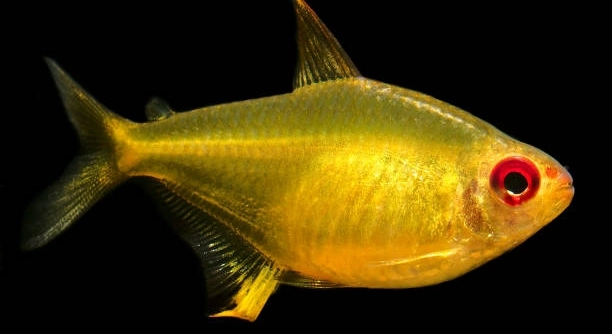
Is your arowana only moving when it’s feeding? Many fish owners notice that their arowana seems inactive most of the day, only showing bursts of energy during feeding times in the tank.
The primary reason an arowana is only active during feeding is due to its natural hunting instincts and energy conservation. Arowanas are predatory fish that remain relatively inactive to preserve energy, becoming active primarily when food is present.
Learning more about your arowana’s behavior will help you create a healthier environment and improve its overall activity patterns.
Understanding Arowana Activity Patterns
Arowanas are naturally cautious and deliberate swimmers. Most of their day is spent gliding slowly or resting near the bottom of the tank. Their energy is reserved for essential activities like hunting and exploring, which explains why they appear inactive at other times. Feeding triggers a burst of activity because they are hardwired to respond quickly to food. This behavior is common among predatory fish and is an adaptation that helps them survive in the wild. Observing your arowana during feeding shows their alertness, coordination, and hunting skills. Outside feeding times, it is normal for them to rest or stay still, conserving energy for when they need it most. Lighting, tank size, and water quality also influence how active they are throughout the day, so adjusting these factors can subtly affect their overall behavior without stressing the fish.
Feeding time stimulates natural instincts, giving a window into their predatory behaviors in a controlled environment.
Monitoring your arowana’s activity outside feeding can help identify any unusual patterns. Consistent inactivity beyond normal behavior may indicate stress or improper tank conditions. Adjusting tank layout, adding floating plants, or creating hiding spots can encourage gentle movement and exploration. Temperature and oxygen levels also affect activity; maintaining stable conditions ensures they remain healthy. Overfeeding can reduce activity if the fish becomes lethargic, so balanced meals are essential. Observing interactions with tank mates can provide insights into social behavior and energy use. Regularly noting feeding response and general movement allows you to detect early signs of illness or discomfort. Small changes in environment or routine often lead to improved engagement without forcing unnecessary activity. Understanding these patterns makes it easier to create a tank that suits both their natural instincts and your expectations.
Tank Environment and Its Impact
Lighting and space greatly influence arowana behavior.
Proper tank conditions encourage consistent activity and reduce stress. Arowanas need large, open tanks to swim freely. Low water quality or poor filtration can lead to lethargy and illness, while uneven lighting may cause them to hide more. Water temperature should be maintained within the ideal range for optimal metabolism and energy. Decor placement, like rocks or driftwood, provides stimulation but should not overcrowd swimming areas. Monitoring these factors ensures your arowana remains active, healthy, and comfortable.
Adjusting tank elements can directly affect daily routines. Providing clean water, stable temperatures, and adequate space allows your arowana to exhibit natural behaviors beyond feeding times. Enrichment, such as floating objects or mild current, encourages exploration and gentle exercise. Avoid overcrowding and ensure compatible tank mates to reduce stress-related inactivity. Consistent maintenance of tank conditions supports digestion, immunity, and overall well-being, fostering an arowana that moves confidently throughout its environment. Understanding these environmental factors gives you control over creating a balanced and stimulating habitat that aligns with your fish’s needs. Observing their responses helps refine the setup, ensuring they remain active, healthy, and alert.
Feeding Habits and Activity
Arowanas respond strongly to feeding because it is their primary stimulus for movement. They rely on bursts of energy to catch prey, so periods of inactivity are normal between meals. Their feeding schedule directly shapes their activity levels throughout the day.
Overfeeding can reduce an arowana’s activity, causing lethargy and even health issues. It is important to feed them in measured amounts appropriate for their size and age. Small, frequent meals are often better than one large feeding, as they mimic natural hunting patterns and prevent overexertion. Watching how your arowana reacts during feeding helps gauge its appetite, health, and overall energy levels. A consistent schedule also allows you to observe natural behavioral patterns and detect any deviations that may indicate stress or illness.
The type of food influences activity as well. Live or floating foods tend to provoke more movement, encouraging hunting behavior and alertness. Processed pellets are convenient but may not stimulate the same energy bursts. Rotating food types and observing preferences can keep your arowana engaged and active. Proper nutrition ensures energy is available when needed, supporting both feeding response and general activity throughout the tank.
Health and Well-Being
Arowanas that are inactive outside feeding may have minor stress or environmental discomfort.
Maintaining optimal water quality, temperature, and tank size is essential for health. Poor conditions can make them withdrawn or restless. Regular monitoring helps prevent illness, ensuring your fish remains active and alert.
Stress, illness, or injury can significantly affect activity levels. Parasites, infections, or improper diet can make your arowana lethargic, showing little movement outside feeding. Observing posture, color, and breathing patterns helps detect potential problems early. Regular water testing and tank maintenance prevent environmental stressors from impacting behavior. A stable routine, proper nutrition, and enrichment support natural activity, encouraging a balanced lifestyle. Knowing these signs allows you to intervene promptly, keeping your arowana healthy and reducing inactivity caused by preventable factors.
Nighttime Behavior
Arowanas naturally reduce activity during nighttime hours. They rest near the bottom or float quietly, conserving energy until the next feeding. This is a normal part of their daily rhythm and should not cause concern.
Providing a consistent light-dark cycle helps regulate their sleep patterns. Sudden changes in lighting can startle them and disrupt normal resting behavior.
Tank Companions and Interaction
The presence of other fish can affect an arowana’s activity. Aggressive or fast-moving tank mates may intimidate them, causing the arowana to remain still. Choosing compatible species helps maintain calm and encourages natural movement during the day.
Signs of Stress
Behavioral changes such as hiding constantly, rapid gill movement, or loss of appetite indicate stress. Addressing environmental and dietary factors promptly prevents long-term health issues.
Stimulating Activity
Adding floating objects, gentle currents, or rearranging decor can encourage natural swimming behavior. Small changes in the tank setup can promote exploration and maintain mental and physical well-being.
FAQ
Why is my arowana inactive most of the day?
Arowanas are naturally energy-conscious. They spend much of the day resting or swimming slowly to conserve energy for feeding. Short bursts of movement during meals are normal and reflect their natural hunting instincts. Observing their behavior during feeding is the best way to assess their overall health.
Is it normal for arowanas to only react during feeding?
Yes. Arowanas are predatory fish that become active when they detect food. This is instinctive and helps them survive in natural environments. Inactivity outside feeding periods is typical and should not be a cause for concern unless accompanied by other unusual behaviors.
How often should I feed my arowana?
Feeding should match the age and size of your fish. Juveniles may require two to three small meals daily, while adults typically do well with one or two meals. Overfeeding can reduce activity and cause health problems, so measuring portions carefully is important.
What type of food keeps my arowana active?
Live foods, such as small fish or insects, trigger hunting behavior and encourage movement. Pellets or frozen foods are convenient but may not stimulate as much activity. Rotating between food types ensures balanced nutrition and keeps your arowana engaged during feeding.
Can tank size affect activity levels?
Yes. Arowanas need spacious tanks to swim freely. Limited space can restrict movement, making them appear lethargic. Ensuring adequate swimming areas and minimizing overcrowding promotes normal activity outside feeding times.
Does water quality impact behavior?
Poor water conditions can lead to stress, which reduces activity. Stable temperature, proper filtration, and regular water changes support overall health and natural movement. Monitoring water parameters regularly prevents lethargy and encourages your arowana to explore the tank.
How do tank mates influence activity?
Aggressive or overly active tank mates can intimidate an arowana, causing it to hide and conserve energy. Choosing compatible fish promotes calm and allows the arowana to swim naturally. Observing interactions helps identify any stress-inducing relationships.
Can lighting affect my arowana’s activity?
Yes. A consistent light-dark cycle helps regulate daily behavior. Sudden changes in lighting can startle your fish and reduce activity. Providing gradual transitions between light and dark periods supports natural rest and feeding patterns.
How do I encourage my arowana to be more active?
Adding floating objects, rearranging decor, or creating gentle currents can stimulate natural movement. Encouraging exploration helps prevent boredom and maintains both physical and mental health. Small environmental changes often lead to increased activity without causing stress.
When should I be concerned about inactivity?
If your arowana shows persistent lethargy, loss of appetite, unusual swimming patterns, or color changes, it may indicate illness or stress. Prompt attention to environmental conditions, diet, and water quality is crucial for preventing long-term health problems.
Can temperature affect my arowana’s movement?
Yes. Arowanas thrive in stable temperatures suitable for their species. Water that is too cold or too hot can slow metabolism, causing reduced activity. Maintaining a consistent temperature range ensures your fish remains alert and healthy.
Do arowanas need mental stimulation?
Providing enrichment, such as safe decorations, varying swimming routes, or occasional interaction during feeding, supports mental well-being. A stimulated arowana is more likely to move naturally and display healthy behaviors throughout the day.
Is it okay if my arowana rests a lot?
Resting is natural and important for energy conservation. Most inactivity outside feeding is normal. Continuous monitoring ensures that extended periods of rest do not signal stress, illness, or unsuitable tank conditions.
How do I know my arowana is healthy despite being inactive?
Healthy arowanas respond quickly during feeding, maintain consistent coloration, swim confidently when moving, and show regular breathing. Noting these behaviors helps distinguish normal rest from potential health concerns.
Can diet changes influence activity?
Yes. Balanced and varied meals provide energy for activity. Nutrient-rich foods support metabolism, while overfeeding or poor-quality food can reduce movement and overall vitality. Rotating food types keeps your arowana alert and active during feeding times.
What environmental adjustments can improve activity?
Providing sufficient space, proper filtration, stable temperature, gentle currents, and compatible tank mates all encourage natural swimming behavior. Thoughtful adjustments to the tank can improve activity without stressing the fish.
Are there differences in activity between juvenile and adult arowanas?
Juvenile arowanas are generally more energetic, swimming actively throughout the day. Adults tend to conserve energy and display more inactivity outside feeding periods. Understanding these differences helps set realistic expectations for your fish’s behavior.
How important is observation for understanding activity?
Regular observation allows you to recognize normal patterns and detect early signs of stress or illness. Noting feeding response, swimming behavior, and interactions with tank mates ensures your arowana remains healthy and active.
Can occasional fasting affect activity?
Short periods without food can stimulate natural hunting behavior during the next feeding, but prolonged fasting reduces energy and movement. Feeding schedules should balance health and stimulation to maintain consistent activity levels.
Do arowanas sleep like other fish?
Arowanas enter a restful state rather than true sleep. They remain still, conserve energy, and reduce activity. Providing a stable light-dark cycle supports this natural rest, ensuring they are active and responsive during feeding times.
How do I balance rest and activity in a tank?
Maintaining proper feeding, enrichment, tank conditions, and water quality ensures your arowana rests appropriately while remaining active when needed. Observing daily behavior and making small adjustments supports overall health and natural routines.
Can stress from handling affect activity?
Yes. Frequent handling or sudden disturbances can make arowanas retreat and reduce movement. Minimizing stress and creating a calm environment encourages natural activity and maintains well-being.
Is it normal for arowanas to have quiet periods during the day?
Yes. They naturally conserve energy between feeding and exploration. Quiet periods are normal and should be considered part of their routine rather than a sign of health issues.
What role does diet variety play in activity?
Offering a mix of live, frozen, and pellet foods encourages movement and prevents boredom. Variety provides essential nutrients, supports metabolism, and ensures the fish remains responsive during feeding times.
How do I ensure long-term healthy activity levels?
Consistently monitoring water quality, feeding appropriate portions, providing enrichment, maintaining compatible tank mates, and observing behavior ensures your arowana stays active, alert, and healthy over time. Regular adjustments support natural behavior without causing stress.
Can disease go unnoticed if my arowana is inactive?
Yes. Inactivity alone may be normal, but when combined with other signs like discoloration or erratic swimming, it can indicate illness. Prompt attention to symptoms and tank conditions prevents serious health issues.
Do environmental changes always increase activity?
Not always. Some adjustments may stress the fish if too sudden. Gradual, thoughtful changes encourage exploration without causing anxiety, improving activity over time.
How often should I observe my arowana?
Daily observation, especially during feeding, helps track behavior and detect early signs of stress or illness. Noting subtle changes ensures timely interventions and supports consistent activity.
Can arowanas become bored in captivity?
Yes. Lack of stimulation can reduce movement and responsiveness. Enrichment, varied feeding, and a thoughtfully arranged tank encourage natural behaviors and prevent inactivity caused by monotony.
Does tank location impact activity?
Yes. Tanks placed in high-traffic areas may stress arowanas, reducing movement. A calm, quiet location promotes confidence and natural swimming, ensuring activity during feeding and exploration periods.
How do I combine all factors to maintain activity?
Balancing diet, tank size, water quality, lighting, enrichment, and compatible tank mates ensures your arowana remains active and healthy. Observation and gradual adjustments create a supportive environment for natural behavior and consistent movement.
Are some arowanas naturally less active?
Individual differences exist. Some arowanas are calmer and conserve energy more than others. Understanding your fish’s personality helps set realistic expectations and ensures care meets their needs.
Can seasonal changes affect activity?
Yes. Slight changes in temperature or light cycles can influence energy levels. Maintaining stable conditions reduces fluctuations in activity, keeping your arowana healthy and responsive year-round.
What small changes encourage daily movement?
Rearranging decorations, adding floating objects, and maintaining gentle water flow promotes exploration. These subtle changes stimulate activity while keeping the tank safe and stress-free.
How do I prevent long-term inactivity?
Consistent feeding, proper tank conditions, enrichment, and observation prevent inactivity. Recognizing early signs of stress or illness and responding promptly ensures your arowana remains energetic and healthy throughout its life.
Can activity levels indicate overall health?
Yes. Active, alert responses during feeding, regular swimming, and normal breathing are signs of good health. Reduced activity, combined with other symptoms, signals potential issues requiring attention.
Is inactivity always a sign of a problem?
No. Resting and energy conservation are natural behaviors. Only prolonged or abnormal inactivity, combined with other signs, indicates a health or environmental issue.
How do I keep an arowana mentally engaged?
Varied feeding, environmental enrichment, and gentle stimulation encourage natural curiosity. Mental engagement supports movement, reduces stress, and promotes long-term well-being.
Are certain species of arowanas more active?
Yes. Different species vary in temperament and energy. Juveniles tend to be more active, while adults conserve energy. Knowing your species helps set realistic care and activity expectations.
Can water current stimulate activity?
Yes. Gentle currents mimic natural conditions, encouraging swimming and exploration. Too strong a current can stress the fish, so adjustments should be moderate.
How do I measure normal activity levels?
Observing swimming patterns, feeding response, posture, and interactions over time establishes a baseline. Deviations from this baseline may indicate stress, illness, or environmental issues.
What is the role of social interaction in activity?
Tank mates can either encourage or suppress movement. Calm, compatible companions promote natural swimming, while aggressive fish may cause hiding and inactivity.
How can I tell if rest periods are healthy?
Healthy rest involves stillness without signs of distress, normal color, and regular breathing. Rest periods should end with alert responses to feeding or environmental changes.
Can enrichment replace natural hunting activity?
Enrichment encourages movement and engagement but does not fully replicate hunting. Live or interactive foods simulate natural behavior, keeping the fish alert and active.
Is inactivity more noticeable in small tanks?
Yes. Limited space exaggerates stillness, making inactivity more obvious. Adequate swimming areas help balance periods of rest and activity.
How often should I adjust feeding routines?
Feeding routines should remain consistent but can be varied occasionally to maintain engagement. Adjustments should match the fish’s age, size, and appetite.
Can tank layout changes impact health?
Properly planned changes stimulate activity and exploration. Overcrowding or sudden rearrangements can cause stress, so adjustments should be gradual and thoughtful.
Does tank temperature fluctuation reduce activity?
Yes. Even small fluctuations can slow metabolism, reduce movement, and cause stress. Maintaining stable temperature supports normal behavior.
Are arowanas naturally calmer in the afternoon or evening?
Yes. Activity often peaks during feeding and decreases afterward. Afternoon or evening calmness is typical and reflects their energy-conservation patterns.
Can stress from noise or vibrations affect activity?
Yes. Loud or sudden disturbances may cause hiding and inactivity. A stable, quiet environment encourages confidence and natural swimming patterns.
What role does oxygen level play in movement?
Low oxygen slows metabolism and reduces activity. Proper aeration and water movement ensure healthy energy levels and responsiveness during feeding.
Is it normal for arowanas to ignore other tank stimuli?
Yes. Inactivity outside feeding times often means energy is being conserved. Ignoring minor disturbances is part of natural behavior and should not be alarming.
How do I know if inactivity is temporary?
Short-term inactivity after environmental changes, feeding, or stress is normal. Continuous monitoring ensures temporary inactivity does not indicate a persistent problem.
Can age affect activity patterns?
Yes. Younger arowanas are more energetic, while older fish naturally slow down. Recognizing age-related changes helps manage expectations and care routines.
How does stress recovery impact activity?
After stress, arowanas may remain inactive until they feel secure. Providing stable conditions and minimal disturbances helps restore normal activity levels.
Can seasonal lighting variations be managed to maintain activity?
Yes. Using consistent light-dark cycles and gradual transitions prevents disruptions in rest and activity patterns, keeping the fish alert and healthy.
How important is daily observation for long-term activity?
Daily observation allows you to notice subtle changes, prevent illness, and maintain optimal environmental conditions, ensuring consistent activity and overall well-being.
Do arowanas benefit from occasional tank rearrangements?
Yes. Gradual rearrangements encourage exploration and movement, providing mental stimulation while maintaining a safe environment.
Can inactivity be misleading without context?
Yes. Natural rest, age, feeding schedules, and personality must all be considered. Observing behavior over time gives accurate insight into health and activity.
How do I balance feeding, rest, and activity?
Structured feeding, consistent environmental conditions, and thoughtful enrichment promote healthy rest and regular activity. Monitoring responses ensures balance and overall well-being.
Is it normal for arowanas to stay still after feeding?
Yes. Post-feeding rest is typical. Energy is conserved for digestion and future activity, reflecting natural behavior patterns.
What subtle signs indicate a healthy arowana despite inactivity?
Alert responses during feeding, smooth swimming, normal color, and steady breathing are signs your arowana is healthy, even if largely inactive outside meals.
How can I use observation to improve activity levels?
Tracking patterns, responses to food, and interactions with tank mates helps adjust care and environment to encourage healthy movement without causing stress.
Can inactivity be species-specific?
Yes. Some arowana species are naturally calmer and conserve energy more than others. Knowing your species’ traits helps tailor expectations and care.
Do feeding techniques influence activity?
Yes. Tossing food to simulate hunting or using floating foods encourages natural responses and increases bursts of activity during meals.
How does tank enrichment support long-term movement?
Environmental stimulation, like floating objects or gentle currents, encourages regular swimming, reduces boredom, and maintains mental and physical health over time.
Are some inactive periods necessary for health?
Yes. Conserving energy is essential for metabolism, digestion, and overall well-being. Short, quiet periods are normal and healthy.
Can monitoring breathing patterns indicate activity levels?
Yes. Regular, calm breathing during inactivity indicates normal rest, while rapid or labored breathing may signal stress or illness.
Does the presence of reflections in the tank affect activity?
Some arowanas react to reflections as potential rivals or prey, causing bursts of movement. Minimal reflections reduce stress and encourage normal swimming patterns.
Can regular feeding observation replace other monitoring?
Feeding observation provides key insights but should be combined with overall behavioral and environmental monitoring for accurate assessment of health and activity.
Do water parameters need adjustment to encourage activity?
Maintaining temperature, pH, oxygen, and filtration within optimal ranges supports healthy movement. Sudden changes can reduce activity or stress the fish.
Are small environmental changes better than large ones?
Yes. Gradual changes promote exploration and activity without causing stress, ensuring the fish adapts naturally to its surroundings.
How do I recognize normal rest versus lethargy?
Normal rest involves stillness without signs of distress, alert responses to feeding, and regular color. Lethargy often shows loss of appetite, unusual posture, or color changes.
Can tank location influence feeding response?
Yes. Quiet, stable locations encourage confident feeding and natural bursts of activity. High-traffic or noisy areas may suppress movement.
Is inactivity more noticeable in single-fish tanks?
Yes. Without other fish for visual stimulation, periods of rest appear longer. Enrichment or gentle interaction encourages movement and engagement.
Do seasonal feeding changes impact activity?
Adjusting feeding to match seasonal metabolism helps maintain energy levels. Consistent schedules prevent unnecessary inactivity or stress.
How important is water circulation for movement?
Gentle currents mimic natural conditions and encourage swimming. Excessive flow can stress the fish and reduce voluntary movement.
Can enrichment reduce inactivity after feeding?
Yes. Floating objects, rearranged decor, and interactive feeding increase post-feeding exploration and prevent prolonged rest periods.
Is it normal for arowanas to have short bursts of activity outside feeding?
Yes. Occasional exploration, swimming along the tank edges, or interacting with tank mates is natural and healthy, even when largely inactive otherwise.
Do different arowana personalities affect activity?
Yes. Some are naturally calm and conserve energy, while others are more curious and exploratory. Knowing your fish’s tendencies helps tailor care and enrichment.
Can inactivity signal long-term issues if ignored?
Yes. Persistent lethargy combined with other symptoms can indicate disease, poor water quality, or stress. Early intervention prevents serious health problems.
How can I use feeding to assess overall health?
Observing appetite, speed, and coordination during feeding reveals energy levels, alertness, and physical condition, helping identify potential issues early.
Do arowanas ever sleep during the day?
They enter quiet resting states rather than true sleep. Energy is conserved, and normal activity resumes during feeding or environmental changes.
Can inactivity be seasonal or temporary?
Yes. Minor seasonal variations in temperature or lighting may reduce movement temporarily. Monitoring ensures it is not a sign of illness.
Are tank size and decor equally important for activity?
Both matter. Ample space allows swimming, while thoughtfully placed decor provides exploration and stimulation, promoting natural movement.
How do I maintain long-term active behavior?
Consistent feeding, proper tank conditions, enrichment, compatible tank mates, and careful observation support healthy activity throughout your arowana’s life.
Can stress recovery periods be long?
Yes. After disturbances, arowanas may remain inactive until they feel secure. Patience and stable conditions restore normal movement.
Do juveniles and adults require different activity management?
Yes. Juveniles are more energetic and benefit from larger swimming areas. Adults conserve energy, so enrichment should match activity levels without overexertion.
Can tank cleaning impact activity temporarily?
Yes. Fish may hide or become less active during maintenance. Gentle handling and quick restoration of normal conditions minimize stress.
Are reflective surfaces helpful or harmful?
Minimal reflections reduce stress. Too many reflections can provoke unnecessary bursts of movement or aggression.
How do I balance enrichment and safety?
Decor should encourage exploration without overcrowding or sharp edges. Gradual changes stimulate activity while protecting the fish.
**Can monitoring post-feeding
Understanding your arowana’s behavior can help create a comfortable and healthy environment for them. Their tendency to be active mainly during feeding is a natural trait rooted in their instincts as predatory fish. They conserve energy when food is not present, which is why long periods of rest or slow swimming are normal. Observing these patterns can give you confidence that your fish is behaving naturally. It is important to recognize that inactivity outside feeding does not automatically indicate a problem. Arowanas may appear calm or still, but this is part of their strategy to preserve energy for when it is needed most. Maintaining a stable environment with proper water quality, temperature, and tank conditions allows your arowana to feel secure and display natural behaviors.
Feeding plays a central role in stimulating activity and overall engagement. Providing a balanced diet with appropriate portions ensures your arowana gets the nutrients needed while avoiding overfeeding, which can lead to lethargy. Live or floating foods encourage natural hunting instincts, resulting in more active bursts during feeding time. Rotating food types and observing how your arowana responds helps keep them mentally and physically stimulated. Establishing a consistent feeding schedule not only supports their energy levels but also provides an opportunity to monitor behavior closely. This observation can help you detect early signs of stress, illness, or discomfort, allowing timely intervention before issues become serious. Watching how your arowana interacts with its environment during meals provides insight into their alertness, coordination, and overall health.
Environmental factors also significantly influence activity levels. Arowanas require spacious tanks that allow for free swimming and areas that feel secure. Proper lighting, gentle water currents, and enrichment through decor or floating objects encourage natural movement without causing stress. Tank mates should be chosen carefully to prevent intimidation or competition that can suppress activity. Regular maintenance of water quality, filtration, and temperature stability ensures the fish remains healthy and active when appropriate. Small adjustments, such as rearranging decorations or adding new objects, can help maintain curiosity and gentle exploration. By combining proper feeding, thoughtful environmental management, and consistent observation, you can create a balanced habitat where your arowana thrives. Understanding their natural rhythms, supporting their health, and encouraging safe exploration ensures that your fish maintains energy, alertness, and well-being over the long term.

Hello,
If you enjoy the content that we create, please consider saying a "Thank You!" by leaving a tip.
Every little bit helps us continue crafting quality advice that supports the health, happiness, and well-being of pets around the world, for pets of all shapes, sizes, and species.
We really appreciate the kindness and support that you show us!