
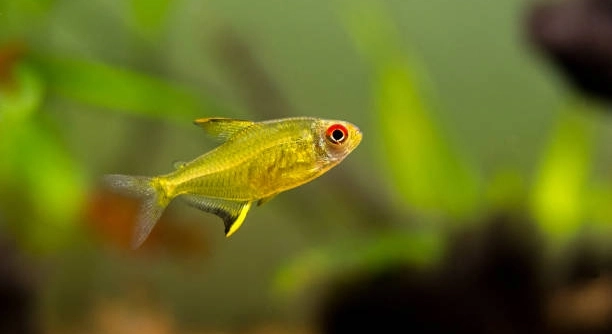
Arowanas are striking fish that bring life and energy to any aquarium. Their behavior, movements, and feeding habits can be fascinating to observe, especially as they interact with different types of food over time.
Arowanas can develop food preferences as they mature. Repeated exposure to specific diets can lead to selective feeding habits, influenced by texture, flavor, and nutritional content. Recognizing these preferences allows aquarists to provide a balanced and engaging feeding routine.
Observing these changes can enhance your understanding of their behavior and improve your fish’s overall wellbeing in the tank.
Factors Influencing Arowana Food Preferences
Arowanas can be surprisingly particular about their meals. Age, past experiences, and environmental conditions all play a role in shaping what they prefer to eat. Younger fish may initially accept a wide range of foods, but as they mature, they often show distinct preferences. Texture is a significant factor; some arowanas favor soft, meaty foods like shrimp, while others prefer live fish or insects that encourage natural hunting behaviors. Flavor also influences selection, with certain types of fish or crustaceans consistently being favored. Nutritional needs shift over time, impacting appetite and choice, and even the time of day can affect feeding response. Repeated exposure to specific foods often strengthens preference, while sudden changes in diet may lead to temporary refusal. Tank conditions, including water temperature and cleanliness, also affect how actively they feed. Observing these tendencies allows for more effective feeding routines that maintain health.
Recognizing these influencing factors helps tailor a feeding schedule that meets your arowana’s needs consistently.
Adjusting diet gradually and offering variety encourages balanced nutrition. Ensuring high-quality food and monitoring behavior can prevent stress and support long-term health, keeping your arowana active and vibrant.
Training Arowanas to Accept New Foods
Introducing new foods requires patience and consistency to avoid stress or refusal.
Repeated exposure and gentle encouragement help arowana adapt. Start with small portions and mix new items with familiar favorites. Observing how your fish responds can guide adjustments, making transitions smoother.
Gradual dietary changes are essential when diversifying an arowana’s meals. Abrupt changes may trigger disinterest or refusal, so pairing new foods with well-liked items increases acceptance. Live or frozen options may appeal more than processed pellets initially. Observing their natural hunting behavior can also help; presenting food in a way that mimics prey movements encourages feeding. Nutrition is key, and introducing a variety of sources ensures essential vitamins and minerals are included. Regularly monitoring consumption and health allows adjustments based on appetite and preference, preventing nutritional deficiencies. Creating a feeding plan that balances preference, nutritional value, and consistency supports growth, activity, and overall wellbeing, making the fish healthier and more responsive over time.
Common Signs of Food Preferences
Arowanas show clear signs when they favor certain foods. They may approach preferred items quickly, ignore unfamiliar options, or even display excitement during feeding times.
Watching their behavior closely helps identify favorites. Rapid strikes, repeated attempts to grab food, and selective nibbling indicate preference. Conversely, hesitation, turning away, or leaving food untouched signals disinterest. Some arowanas will consistently choose one type over another, showing consistency in selection. Feeding times can also reveal patterns; certain foods may trigger more active movement or alertness. Understanding these signs allows for adjustments to the diet that keep the fish engaged, healthy, and properly nourished without forcing items they dislike. This observation-based approach improves feeding efficiency and strengthens your bond with the fish through responsive care.
Consistent monitoring of behavior during meals provides insights into their likes and dislikes. Recognizing patterns ensures dietary needs are met effectively.
Observing subtle reactions, such as hesitation or repeated attempts, allows you to fine-tune food offerings. Variety and consistency together maintain nutrition while respecting preferences, supporting long-term health.
Nutritional Balance and Preferences
Balancing nutrition is crucial even when preferences lean heavily toward specific foods. Arowanas need protein, vitamins, and minerals for growth and vitality.
Offering a variety of food types ensures complete nutrition while still respecting their preferences. Combining live, frozen, and formulated items can meet dietary requirements without forcing unwanted foods. Careful observation helps adjust portions and timing to match appetite. Overreliance on a single favored food can create deficiencies or health issues, so mixing items while gradually introducing alternatives maintains balance. Tracking weight, scales, and behavior helps detect nutritional gaps. Adjustments should be gradual to prevent stress and encourage acceptance, ensuring that feeding remains positive and beneficial. Feeding strategies that prioritize both preference and health result in a more resilient, active, and vibrant arowana over time.
Adjusting Feeding Routines
Arowanas respond well to consistent feeding schedules. Feeding at the same time daily helps them anticipate meals and develop routine preferences.
Portion control is important. Overfeeding can lead to waste and health issues, while underfeeding may cause stress and selective behavior.
Using Variety to Encourage Acceptance
Introducing a mix of foods gradually can expand an arowana’s diet. Start by combining small amounts of new items with familiar favorites, then increase portions as acceptance grows. Observing responses allows you to adjust types, textures, and presentation, creating a balanced and engaging feeding plan that aligns with natural instincts.
Monitoring Health Through Food Choices
Tracking what your arowana eats can reveal health trends. Consistent appetite and active feeding indicate wellbeing, while sudden disinterest may signal issues.
FAQ
Can arowanas eat only one type of food?
Arowanas can survive on a limited diet for a while, but relying on a single type of food is not ideal. Nutritional deficiencies can develop, affecting growth, immunity, and overall health. Mixing protein sources, vitamins, and minerals ensures balanced nutrition. Rotating live, frozen, and prepared foods keeps their diet varied and more complete.
How quickly do arowanas develop food preferences?
Preferences can appear within weeks, especially as the fish matures. Young arowanas may be more accepting of new foods, but repeated exposure to certain types encourages selective feeding. Observing patterns early allows you to adjust diet before strong preferences become entrenched, making feeding management easier.
Will arowanas eat unfamiliar foods?
Yes, but acceptance depends on presentation, texture, and consistency. Gradual introduction works best. Mixing small amounts of new foods with favorites helps them adjust without causing stress or rejection. Movement mimicking natural prey can also increase interest, especially with live or frozen items.
Can food preferences indicate health problems?
Changes in appetite or sudden refusal of previously favored foods can signal illness, stress, or poor water conditions. Monitoring behavior alongside environmental factors helps identify issues early. Prompt adjustments, including water quality checks and dietary changes, support recovery and prevent long-term health problems.
Are live foods necessary for arowanas?
Live foods aren’t strictly required, but they provide stimulation and mimic natural hunting behavior. Live fish, insects, or shrimp can enhance activity and encourage natural instincts, but frozen or prepared foods can also meet nutritional needs if properly balanced. Variety is key to maintaining interest and health.
How much should I feed my arowana?
Portion size depends on age, size, and activity level. Young arowanas may require small, frequent meals, while adults often eat larger but fewer portions. Overfeeding can cause obesity and water quality issues, while underfeeding may stunt growth. Observing appetite and adjusting portions helps maintain optimal health.
Can arowanas refuse food for no reason?
Occasional refusal is normal and may be influenced by stress, temperature, or minor illness. Persistent refusal should be investigated, as it could indicate dietary imbalance, poor water quality, or health concerns. Gradual diet changes and observation usually resolve short-term reluctance.
Do arowanas prefer certain textures over flavors?
Texture plays a significant role. Many arowanas favor meaty, soft, or moving foods that mimic live prey. Flavor also matters, but the physical sensation of food often determines preference. Observing feeding habits helps identify texture patterns and informs diet planning.
Can food preferences be changed later in life?
Yes, but it requires patience. Gradual introduction of new foods, mixed with familiar items, encourages acceptance over time. Sudden changes may cause rejection. Consistency, variety, and attention to behavior increase the likelihood of successful dietary adjustments, even in mature fish.
How do I know if my arowana is getting enough nutrients?
Signs of proper nutrition include steady growth, vibrant coloration, active swimming, and consistent appetite. Poor nutrition may appear as dull colors, slow growth, lethargy, or irregular feeding. Monitoring these indicators alongside diet variety ensures the fish receives all necessary nutrients for long-term health.
Final Thoughts
Arowanas are fascinating fish with distinct personalities and behaviors, and their food preferences are an important part of understanding them. Observing what they choose to eat, how they respond to different textures, and the way they interact with their meals can reveal a lot about their wellbeing. Over time, arowanas can develop strong likes and dislikes, influenced by past experiences, nutritional needs, and environmental factors. Paying attention to these preferences allows you to create a feeding routine that supports their health while keeping them engaged and active. Providing a mix of live, frozen, and prepared foods ensures they receive the nutrients they need without forcing items they dislike, which can reduce stress and promote long-term growth. Arowanas that enjoy their meals are more likely to thrive, showing improved coloration, activity, and overall vitality.
Consistency and patience are key when managing food preferences. Sudden changes in diet can cause refusal or stress, so gradual introduction of new foods is essential. Mixing small amounts of unfamiliar items with favored foods can encourage acceptance without overwhelming them. Over time, you may notice certain foods consistently being chosen while others are ignored, and this information can guide feeding decisions. It is also important to monitor portion sizes to prevent overfeeding, which can lead to obesity and poor water quality, or underfeeding, which may slow growth or reduce energy levels. Observing feeding behavior closely helps identify changes that may indicate health problems or environmental stress. By combining careful observation with a structured feeding plan, you ensure that your arowana receives both adequate nutrition and mental stimulation. This approach not only supports their physical health but also encourages natural behaviors like hunting and exploration, which contribute to their overall wellbeing in captivity.
Ultimately, understanding and respecting arowana food preferences is about balancing health, variety, and engagement. Offering a well-rounded diet that incorporates different textures and nutrient sources keeps meals interesting and prevents deficiencies. Recognizing patterns in their choices allows you to adjust feeding routines in a way that maintains consistency while accommodating their tastes. Regularly evaluating diet effectiveness and health indicators ensures that your arowana continues to grow, stay active, and display vibrant colors. Feeding should not be viewed as a routine chore, but as an opportunity to connect with the fish and provide care that aligns with its natural instincts and needs. Over time, attention to preferences, behavior, and nutrition builds a healthier, happier, and more responsive arowana, making the experience of keeping these fish both rewarding and enjoyable.

Hello,
If you enjoy the content that we create, please consider saying a "Thank You!" by leaving a tip.
Every little bit helps us continue crafting quality advice that supports the health, happiness, and well-being of pets around the world, for pets of all shapes, sizes, and species.
We really appreciate the kindness and support that you show us!