
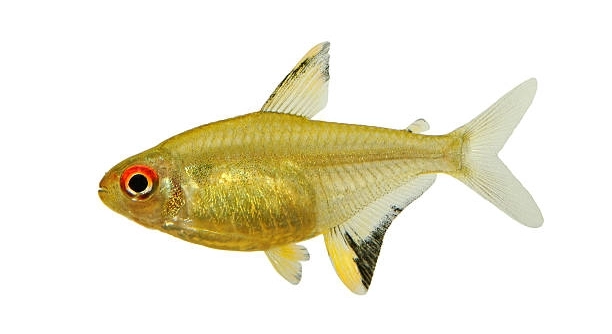
Arowanas are striking freshwater fish known for their elegance and size. Their natural habitats often feature shaded waters, creating an environment where lower light levels are common and preferred by these beautiful creatures.
Arowanas prefer lower light conditions because it closely mimics their natural environment, reduces stress, and supports natural behaviors such as hunting and swimming. Excessive lighting can disturb their circadian rhythm and affect overall health, making dimmer conditions optimal for well-being.
Understanding the reasons behind their preference helps in creating a healthier aquarium. Proper lighting ensures your arowana remains active, stress-free, and visually stunning in its habitat.
Natural Habitat Mimics
Arowanas naturally inhabit rivers, lakes, and flooded forests across Southeast Asia, Australia, and South America. These areas often feature dense vegetation and overhanging trees that block direct sunlight, creating soft, diffused lighting. In such environments, lower light levels provide safety, comfort, and allow the fish to navigate easily without feeling exposed. Dim lighting helps arowanas feel secure, reducing stress hormones that can otherwise impact their immune system. When replicating these conditions in an aquarium, keeping lights subdued or using floating plants can closely mimic their natural habitat. This approach promotes healthy behavior patterns, including hunting instincts, swimming routines, and resting periods. Lower light levels also help maintain the balance of beneficial algae and microorganisms in the tank. Observing an arowana in gentle lighting reveals its natural elegance, smooth movements, and vivid coloration. Properly adjusting light intensity is a small change that significantly enhances their well-being.
Creating an environment that mirrors their natural habitat is essential. Low light ensures comfort, reduces stress, and encourages natural activity.
Arowanas are sensitive to intense lighting, which can cause erratic swimming, hiding, or refusing food. Maintaining lower light mimics shaded waters, supporting their normal activity cycles. Soft lighting also enhances their colors without causing glare or discomfort, creating a visually calming and healthy environment. By providing this care, the fish remain active, display natural behaviors, and adapt comfortably to their tank. Simple adjustments like dimmers, floating plants, or shaded areas make a noticeable difference. Consistency in lighting schedules helps regulate feeding and rest periods, ensuring the fish maintain a steady circadian rhythm. Tank design that considers light levels also reduces algae overgrowth in critical swimming areas, improving water quality. Observing the fish under appropriate lighting allows for early detection of health issues. Overall, mimicking natural conditions benefits both the fish’s physical and psychological health, making their presence more enjoyable and sustainable for long-term care.
Reduced Stress Levels
Lower light conditions help arowanas feel safe in their environment. They exhibit calmer behavior and reduced aggression toward other tank mates.
Stress from bright lighting can cause long-term health issues in arowanas. Prolonged exposure increases cortisol levels, leading to weakened immunity, slower growth, and decreased appetite. A dimly lit tank creates a comfortable space where fish can regulate their activity and feel secure. Sudden flashes of bright light or constant illumination can startle them, causing rapid swimming, collisions, or hiding. Maintaining subdued lighting allows the fish to establish territories calmly, interact naturally, and explore without fear. Environmental enrichment like shaded zones or plants complements low light, further reducing tension. Over time, calmer fish display stronger coloration and more predictable feeding patterns. In multi-species tanks, dim lighting can reduce conflicts, as territorial disputes are minimized. Adjusting light levels gradually when introducing a new fish prevents shock and promotes smooth adaptation. Monitoring fish behavior under these conditions is key to ensuring ongoing comfort and preventing stress-related illnesses. Consistent, soft lighting forms the foundation of a stable, healthy aquarium environment.
Enhanced Hunting Behavior
Lower light conditions allow arowanas to hunt more effectively. Dim lighting reduces glare and makes prey movements more visible, encouraging natural hunting instincts.
Arowanas rely on keen eyesight and subtle movements to catch prey. Bright lights can create reflections or shadows that confuse them, reducing feeding efficiency. In dimmer conditions, they can track insects, small fish, or floating pellets with precision. This encourages activity, maintains muscle tone, and keeps their mind engaged. Observing them hunt under soft lighting demonstrates their natural grace and focus. Providing shaded areas or floating plants in the tank further simulates hunting conditions, making feeding times more stimulating and rewarding.
Regular exposure to low-light hunting conditions improves feeding response and reduces food refusal. Arowanas become more confident, deliberate, and consistent in capturing prey, supporting overall health and maintaining a natural rhythm in their daily activity patterns.
Color Enhancement
Arowanas display richer, more vibrant colors in lower light environments. Dim lighting reduces stress-induced fading and helps pigment retention.
Bright lighting can sometimes bleach colors or create glare that masks natural patterns. Dim or diffused light allows reds, golds, and silvers to appear more vivid. Over time, consistent low-light exposure preserves coloration and highlights iridescent scales. Proper tank setup with shaded zones, floating plants, and indirect lighting contributes to overall vibrancy. Enhanced color also indicates a healthy fish, as stress or illness often dulls their appearance. Color preservation benefits both aesthetic appeal and signals wellness.
Adjusting light levels carefully ensures long-term color retention. Gradual changes prevent shock, while combining low light with proper diet and water quality maximizes visual appeal. Observing the fish during softer lighting reveals subtle hues and intricate scale patterns that are often hidden under harsh illumination. Maintaining consistency in lighting schedules, avoiding sudden brightness, and providing areas of shade are key steps in promoting natural, vibrant colors. A well-lit, balanced environment keeps your arowana looking striking while supporting physiological health.
Energy Conservation
Lower light levels help arowanas conserve energy. Dim environments reduce stress and unnecessary movement, allowing the fish to maintain strength.
Conserving energy supports growth, immunity, and overall health. Bright, intense lighting can cause constant activity or agitation, leading to fatigue. Soft lighting encourages calm swimming and efficient use of energy.
Improved Sleep Patterns
Arowanas are naturally diurnal but require periods of darkness to rest. Dim lighting mimics their natural night cycle. Proper rest supports metabolic functions, reduces stress, and promotes healthy behavior. Consistent low-light periods ensure they remain active and alert during feeding times.
Reduced Aggression
Lower light conditions can minimize aggressive behavior among arowanas. Dim lighting helps them feel secure, lowering territorial disputes and stress.
Eye Health
Bright or fluctuating light can strain an arowana’s eyes. Maintaining consistent, softer lighting protects their vision and prevents long-term damage. Proper light adjustment ensures comfort and supports normal visual function.
How much light do arowanas need daily?
Arowanas thrive under controlled lighting that mimics natural conditions. Typically, 8 to 10 hours of moderate light is sufficient, followed by a period of dim or no light to simulate nighttime. Maintaining this cycle helps regulate their circadian rhythm, encourages natural behaviors, and supports feeding schedules. Overexposure to bright light can cause stress, increased hiding, or erratic swimming, which impacts health. Using a timer ensures consistency and prevents sudden changes that could disturb their routine. Adjusting light intensity gradually is better than abrupt changes, allowing the fish to adapt comfortably without unnecessary stress or eye strain.
Can too much light harm arowanas?
Excessive lighting can be harmful to arowanas in several ways. Bright or prolonged light exposure can cause stress, weaken the immune system, and lead to decreased appetite. It can also trigger aggressive behavior, as the fish may feel exposed or threatened in their environment. Over time, strong lighting may fade their natural colors and strain their eyes. Dim areas or shaded spots in the tank counterbalance this effect, allowing them to retreat and rest when needed. Consistently high light levels interfere with sleep patterns and energy conservation, leading to fatigue. Monitoring light intensity and providing shaded zones is essential for long-term health.
Do arowanas prefer natural or artificial light?
Arowanas can adapt to both natural and artificial lighting, but the quality and intensity matter. Natural light from indirect sunlight can be beneficial, but direct sun may overheat the tank and stress the fish. Artificial lighting allows precise control over intensity, spectrum, and duration, making it easier to mimic shaded conditions. Using LED or fluorescent lights with adjustable settings provides a balance that supports natural behaviors, hunting activity, and color development. Gradual transitions between light and dark periods reduce sudden stress. Combining artificial lighting with floating plants or decorations can replicate natural light patterns while protecting the fish from harsh illumination.
How does light affect arowana coloration?
Lighting has a direct impact on arowana coloration. Proper low to moderate light levels help retain vibrant reds, golds, and silvers while minimizing stress-induced fading. Excessively bright lighting can bleach scales or mask their natural patterns. Dim or diffused light enhances iridescence and allows subtle hues to appear more prominent. Balanced lighting combined with a healthy diet rich in carotenoids or natural pigments strengthens color expression. Shaded zones in the tank prevent overexposure and allow the fish to display natural patterns without glare. Consistent lighting schedules are key to long-term color maintenance and visual appeal.
Will low light affect arowana feeding?
Lower light conditions do not negatively impact feeding; in fact, they can enhance hunting behavior. Arowanas rely on eyesight and movement detection to capture prey. Bright or glaring lights can create reflections or shadows that confuse them, reducing feeding efficiency. Dim lighting provides clearer visibility of floating food, small fish, or insects, encouraging natural hunting instincts. Using shaded areas or floating plants improves feeding accuracy while keeping the fish active and engaged. Observing feeding behavior under soft lighting can help identify preferences and ensure proper nutrition. Gradual adjustments maintain appetite and prevent stress-related refusal.
Is it necessary to use timers for aquarium lights?
Timers are highly recommended for maintaining consistent light cycles. Arowanas benefit from predictable periods of light and darkness, which regulate sleep, feeding, and activity patterns. Manual control often leads to irregular schedules, causing stress or disrupted behavior. Timers allow gradual transitions, simulating natural sunrise and sunset conditions. They reduce the risk of overexposure and support long-term health. Using timers in combination with adjustable lighting intensity ensures optimal conditions. It also simplifies maintenance, as the fish experience consistent routines without sudden changes, promoting calm behavior and vibrant coloration.
Can low light prevent aggression in arowanas?
Dim lighting helps reduce aggressive tendencies in arowanas. Lower light levels make fish feel secure, decreasing territorial disputes and stress-related behavior. Bright or fluctuating light can trigger agitation, especially in multi-fish tanks, leading to chasing or nipping. Shaded zones allow retreat and privacy, calming dominant individuals and fostering coexistence. Consistent soft lighting encourages stable social interactions while maintaining normal swimming patterns. Observing behavior under these conditions helps identify potential conflicts early, allowing timely adjustments. Proper tank design with hiding spots and low-intensity lighting is effective for minimizing aggression and promoting overall harmony.
Does low light support eye health in arowanas?
Soft, consistent lighting is crucial for arowana eye health. Bright or inconsistent lighting can strain their eyes, causing discomfort or long-term damage. Dim or diffused light reduces glare, allowing them to see prey, obstacles, and tank mates clearly. Gradual changes in light intensity prevent sudden stress and preserve visual function. Proper lighting also reduces the risk of injury from collisions with tank walls or decorations. Monitoring their behavior and adjusting light levels as needed ensures comfort. Balanced light supports both vision and overall well-being, maintaining activity levels, natural hunting behavior, and stress reduction.
How can I simulate natural lighting in my aquarium?
Simulating natural lighting involves combining indirect light, floating plants, and shaded areas to replicate shaded rivers or flooded forests. Adjustable artificial lights can mimic sunrise, daylight, and sunset cycles. Gradual transitions prevent stress and allow the fish to adapt naturally. Using floating vegetation or décor provides additional shade, supporting rest periods and hunting behavior. Observing the fish helps determine if the lighting matches their needs. Consistency, low-to-moderate intensity, and gradual adjustments are key factors in creating an environment that feels secure and familiar. Properly simulated lighting benefits color, activity, and overall health.
How often should I change the lighting setup?
Lighting adjustments should be minimal and gradual. Frequent or abrupt changes can cause stress, disrupt sleep cycles, and affect feeding patterns. Instead, make small modifications to intensity or duration over several days or weeks. This approach allows arowanas to adapt comfortably without disturbing their routines. Monitoring behavior and coloration helps determine if adjustments are necessary. Timers and dimmers simplify changes, ensuring smooth transitions. Consistency in light schedules is more important than frequent updates, as stable conditions support natural activity, reduce aggression, and maintain eye health. Observing the tank regularly ensures the lighting remains optimal for long-term well-being.
Final Thoughts
Arowanas are elegant and fascinating fish, but they require careful attention to their environment to thrive. One of the most important aspects of their care is lighting. Lower light conditions closely replicate the shaded waters of their natural habitats, where overhanging trees and dense vegetation filter sunlight. This type of environment helps the fish feel secure, reduces stress, and encourages natural behaviors such as hunting, swimming, and resting. Bright, intense lighting can cause discomfort, erratic movement, or even health issues over time. Maintaining dim to moderate light ensures a balanced and comfortable habitat, supporting both physical and psychological well-being. Observing the fish in a properly lit tank reveals their graceful movements, vivid coloration, and overall calm demeanor. Simple adjustments like adding floating plants, shaded decorations, or adjustable lighting can make a significant difference in their comfort and activity.
Consistency in lighting schedules plays a vital role in maintaining arowanas’ health. Using timers or gradual adjustments helps establish predictable day and night cycles, regulating feeding, activity, and rest. Lower light levels reduce aggression, conserve energy, and prevent overstimulation, which is particularly important in multi-fish tanks or when new fish are introduced. Proper lighting also contributes to eye health, preventing strain and long-term damage. Additionally, dim lighting enhances coloration and natural iridescence, allowing the fish to display their full visual beauty. When combined with proper diet, water quality, and tank maintenance, lighting becomes a key factor in creating an environment where arowanas can thrive for years. Watching them under ideal conditions also provides insight into their natural instincts, from hunting to exploring their surroundings, making care more engaging and rewarding.
Providing the right lighting for arowanas requires observation and adjustment. Every fish may respond slightly differently depending on species, age, and temperament, so it is important to monitor behavior, feeding, and appearance closely. Implementing low-light conditions is not only about reducing brightness but also creating a sense of security and comfort within the tank. Shaded areas, floating plants, and gentle transitions between light and dark periods all contribute to a healthier, more natural environment. By prioritizing lower light conditions, owners can ensure their arowanas remain active, vibrant, and calm. Thoughtful lighting choices support overall health, enhance natural behaviors, and create a visually pleasing aquarium that reflects the beauty and grace of these remarkable fish. Over time, these practices make the fish more resilient, less stressed, and more enjoyable to care for.

Hello,
If you enjoy the content that we create, please consider saying a "Thank You!" by leaving a tip.
Every little bit helps us continue crafting quality advice that supports the health, happiness, and well-being of pets around the world, for pets of all shapes, sizes, and species.
We really appreciate the kindness and support that you show us!