
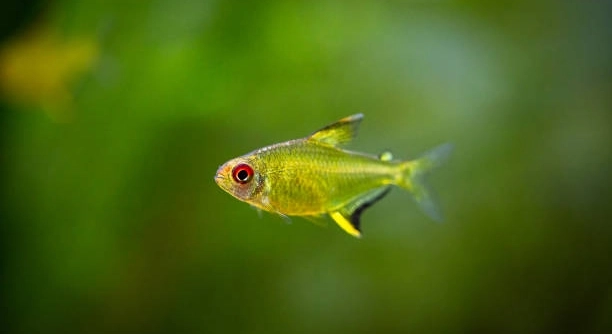
Are your arowana sitting still for long periods, refusing to explore its tank? This unusual behavior can be worrying for any fish owner, as these elegant creatures are usually active and responsive, gliding gracefully through their environment.
Arowanas may refuse to move due to stress, poor water quality, illness, or improper tank conditions. Identifying and correcting these factors promptly is essential to restore normal activity, maintain health, and prevent long-term harm to the fish.
Observing behavior carefully and understanding environmental needs can reveal underlying causes, helping your arowana regain vitality and a more natural, active lifestyle.
Understanding Arowana Immobility
When an arowana refuses to move, the first thing to consider is its environment. Water quality plays a major role in fish health. Ammonia, nitrite, or nitrate levels that are too high can make your fish lethargic. Temperature is another important factor. Arowanas prefer a stable, warm environment between 75 and 82°F. Sudden changes in temperature can shock them and reduce movement. The tank size also affects activity. Crowded or undersized tanks can stress arowanas, causing them to stay still. Lighting is often overlooked; too bright or too dim lighting can affect behavior. Regular maintenance, like partial water changes and monitoring pH, helps maintain ideal conditions. Diet and feeding patterns are equally important. A lack of nutrients or irregular feeding can make the fish inactive. Observing your arowana daily allows you to spot unusual behavior early and take steps to correct any environmental issues promptly.
Stressful conditions, poor water, and improper feeding are common reasons for reduced movement in arowanas.
Maintaining consistent tank conditions and a proper diet can improve your arowana’s activity. Ensure the water is clean, temperatures are stable, and nutrition meets their needs. Even small adjustments, like adding hiding spots or moderate lighting changes, can encourage movement. Regular observation helps identify patterns, showing whether inactivity is temporary or indicates a deeper issue. Addressing these factors improves overall health, making your arowana more active, alert, and responsive to its surroundings. Consistency is key, and combining environmental care with proper feeding routines will support long-term well-being.
Common Health Issues
Lethargy in arowanas can also stem from illness or internal problems.
Parasites, bacterial infections, or organ issues can make your fish less active. Early detection and treatment prevent serious complications.
Signs of illness include clamped fins, discoloration, swelling, or rapid gill movement. Some infections develop slowly, making subtle observation essential. Nutritional deficiencies can weaken the fish, leaving it tired or unresponsive. Consulting a veterinarian or experienced aquarist may be necessary to diagnose and treat problems effectively. Preventive measures, such as quarantine for new fish, maintaining clean water, and feeding a balanced diet, reduce the risk of health issues. Paying attention to these details ensures that your arowana stays healthy, active, and continues to display its natural behavior.
Adjusting Tank Conditions
Temperature fluctuations can stress an arowana and reduce movement. Ensuring a stable, warm environment encourages activity. Filtration and water circulation must be balanced to avoid strong currents that tire the fish. Proper lighting and hiding spots also support natural behavior.
Keeping water clean requires regular partial changes and monitoring chemical levels. Arowanas are sensitive to ammonia, nitrites, and nitrates, which can accumulate quickly in smaller tanks. Installing a reliable filter and testing water frequently ensures a safe environment. Tank size should allow free swimming, as cramped spaces restrict movement and increase stress. Adjustments to lighting and placement of decor help the fish feel secure. Observing the fish during these changes confirms whether improvements in tank conditions encourage normal activity, allowing you to maintain long-term health and comfort.
Diet directly impacts activity. Offering varied, high-quality food encourages movement. Feed small portions to avoid overfeeding. Adding live or frozen prey stimulates hunting behavior, making the fish more alert. Avoid sudden changes in feeding schedule or type, which can cause lethargy. Regular observation of eating habits helps identify dietary issues early.
Monitoring Health Signs
Changes in behavior or appearance often indicate health problems. Rapidly noticing clamped fins, discoloration, or swelling is essential. Stress may also trigger abnormal swimming patterns.
Illness can progress if untreated, so prompt action is critical. Internal infections or parasites may make your arowana inactive, reducing appetite and causing weight loss. Observing gill movement, skin condition, and responsiveness helps detect problems early. Preventive care, such as quarantining new fish and maintaining water quality, minimizes risk. Keeping records of feeding, tank conditions, and behavior allows better identification of patterns. Early intervention with proper treatments ensures the fish recovers more quickly, maintaining its strength and activity levels. Consistency in care and vigilance provides a safer environment for your arowana to thrive.
Feeding Adjustments
Offering smaller, frequent meals can help an inactive arowana regain energy. Live or frozen prey encourages natural hunting instincts. Avoid overfeeding, as uneaten food can harm water quality and stress the fish.
Changing food types gradually can stimulate appetite. Introducing variety helps maintain nutrition and keeps the fish active. Observing which foods the arowana prefers allows adjustments that promote regular feeding behavior. Consistent feeding routines support overall health and activity, while monitoring portions prevents digestive issues and water contamination.
Tank Environment Optimization
Adding plants or safe decorations provides hiding spots and reduces stress. Open swimming areas should remain available. Balanced water flow, proper filtration, and stable lighting contribute to a calmer environment that encourages movement. Regular monitoring of tank conditions ensures these elements remain effective.
Observing Behavioral Patterns
Tracking daily activity helps identify deviations from normal behavior. Noting resting spots, swimming times, and reactions to feeding or stimuli provides insight into overall health and well-being. Consistency in observation allows for early intervention.
FAQ
Why is my arowana not moving even after changing the water?
Even with clean water, other factors may cause lethargy. Temperature fluctuations, sudden changes in lighting, or strong currents can stress the fish. Diet and nutritional deficiencies may also play a role. Ensuring stable water conditions, balanced feeding, and a calm environment encourages normal activity.
Can arowanas become inactive due to stress?
Yes, stress is a common reason for inactivity. Overcrowded tanks, aggressive tankmates, or frequent disturbances can make arowanas hide or stay still. Providing adequate space, proper tankmates, and a consistent routine reduces stress and promotes movement. Hiding spots or subdued lighting often help the fish feel secure.
How do I know if my arowana is sick?
Signs of illness include clamped fins, discoloration, swelling, labored breathing, or loss of appetite. Lethargy often accompanies these symptoms. Observing behavior and physical condition daily allows early detection. Consulting a veterinarian or an experienced aquarist is recommended for proper diagnosis and treatment.
Is it normal for arowanas to rest for long periods?
Arowanas do rest, often near the bottom or under decorations, but prolonged stillness may indicate a problem. Healthy fish usually swim and respond to feeding or movement in the tank. Monitoring daily activity helps determine if resting is natural or a symptom of stress or illness.
Can improper diet cause my arowana to stop moving?
Yes, poor nutrition can lead to lethargy. Arowanas need a balanced diet, including protein-rich foods such as live or frozen prey. Irregular feeding schedules or sudden changes in diet may also reduce activity. Observing appetite and offering varied food supports energy and vitality.
Does water temperature affect arowana activity?
Absolutely. Arowanas prefer temperatures between 75 and 82°F. Water that is too cold or fluctuates frequently can slow metabolism and reduce movement. Using a reliable heater and monitoring temperature consistently helps maintain a stable environment that encourages natural swimming behavior.
Can tank size influence arowana movement?
Yes, tank size is crucial. Arowanas need sufficient space to swim freely. Small or overcrowded tanks limit movement and increase stress, leading to inactivity. Providing a large tank with open swimming areas and adequate filtration supports physical activity and overall health.
Should I isolate my arowana if it refuses to move?
Isolation can help if the fish is stressed by tankmates or suspected illness. A quarantine tank with clean water and stable conditions allows for monitoring and treatment without interference. Observing the fish closely during this period helps identify specific causes of inactivity.
How often should I monitor my arowana’s activity?
Daily observation is ideal. Noting swimming patterns, feeding response, and resting spots allows you to detect subtle changes in behavior. Keeping records of tank conditions, feeding routines, and health signs provides valuable information for addressing inactivity before it becomes a serious issue.
Are there any preventive measures to keep my arowana active?
Maintaining consistent water quality, stable temperature, balanced nutrition, and an appropriately sized tank helps prevent inactivity. Minimizing stress, providing hiding spots, and observing daily behavior ensure the fish stays healthy and active. Regular maintenance and care promote long-term well-being and natural behavior.
Can lighting affect arowana movement?
Yes, lighting impacts activity. Too bright or too dim lighting can stress the fish. Moderate lighting and a consistent day-night cycle encourage natural movement. Adjusting lighting gradually and providing shaded areas helps create a comfortable environment that supports normal swimming and resting behavior.
What should I do if my arowana still refuses to move after all adjustments?
If inactivity persists, it may indicate illness or internal issues. Consulting a veterinarian experienced with fish or an experienced aquarist is essential. Providing detailed observations, including tank conditions, diet, and behavior, helps identify the cause and ensures proper treatment for recovery.
Can live plants or decorations stimulate movement?
Yes, adding plants or safe decorations provides hiding spots and exploration areas. These elements reduce stress and encourage natural swimming behavior. Ensure there is still open space for movement, and observe how the fish interacts with the environment to make adjustments that promote activity.
Does overfeeding contribute to inactivity?
Overfeeding can reduce energy levels and harm water quality. Uneaten food decomposes, producing toxins that stress the fish. Feeding smaller, controlled portions at regular intervals supports digestion, maintains clean water, and encourages natural activity. Monitoring intake ensures the arowana stays active and healthy.
How quickly should an arowana recover after correcting environmental issues?
Recovery time varies depending on the underlying cause. Some fish may resume normal activity within days, while others take weeks. Consistency in water quality, diet, temperature, and stress reduction is essential. Observing behavior closely helps determine if further intervention is needed.
Can multiple factors cause my arowana to stop moving?
Yes, inactivity is often the result of several combined issues, such as stress, diet, water quality, and illness. Addressing each factor systematically improves chances of recovery. Regular observation and incremental adjustments help pinpoint causes and restore normal behavior.
Is it normal for older arowanas to be less active?
Some decrease in activity can occur with age, but sudden or extreme inactivity is not normal. Older fish still require proper nutrition, clean water, and adequate space. Monitoring changes over time ensures that age-related activity reduction does not mask underlying health issues.
Can quarantine help prevent inactivity in new fish?
Quarantining new arowanas before introducing them to the main tank prevents disease and stress. Observing them in a controlled environment allows early detection of health problems. This step minimizes risk to existing fish and promotes active, healthy integration into the main tank.
Are there specific signs that indicate improvement in movement?
Signs of recovery include increased swimming, active hunting or feeding behavior, and interaction with the environment. Clamped fins or hiding less frequently indicate reduced stress. Tracking these behaviors confirms that changes to diet, tank conditions, or treatment are effective in restoring normal activity.
How important is consistency in care for maintaining activity?
Consistency is vital. Regular feeding, stable water conditions, proper temperature, and minimized stress create an environment where the arowana feels secure. Predictable routines support energy levels, encourage movement, and help prevent health issues that could lead to prolonged inactivity.
Can sudden changes in tank setup cause my arowana to stop moving?
Yes, abrupt changes like rearranging decorations, altering lighting, or introducing new tankmates can stress the fish. Gradual adjustments allow adaptation and prevent inactivity. Observing responses during these changes helps ensure the fish remains comfortable and active.
How can I tell the difference between resting and lethargy?
Resting is temporary and the fish responds to feeding or movement. Lethargy persists and may include clamped fins, lack of response, or unusual positioning. Daily observation and noting patterns help distinguish normal resting behavior from a sign of stress or illness.
What role does filtration play in arowana activity?
Proper filtration maintains water quality, reducing stress and supporting health. Strong currents from aggressive filters can tire the fish, while inadequate filtration allows toxins to accumulate. Choosing a balanced system promotes comfort, encouraging swimming and exploration in the tank.
Is it necessary to track water parameters regularly?
Yes, tracking ammonia, nitrite, nitrate, pH, and temperature prevents conditions that reduce activity. Frequent monitoring allows timely corrections, supporting a stable environment. Maintaining consistent parameters ensures the fish remains healthy, active, and responsive to feeding and stimuli.
Can social behavior influence inactivity?
Arowanas may become stressed around aggressive or incompatible tankmates, leading to stillness. Observing interactions and adjusting tankmates or layout helps reduce stress. Providing sufficient space and hiding areas supports calmer behavior and encourages movement throughout the tank.
How do I know if inactivity is permanent or temporary?
Temporary inactivity often improves after environmental adjustments, feeding, or stress reduction. Persistent stillness, accompanied by physical symptoms, may indicate illness. Careful observation, consistent care, and consulting professionals help determine if the behavior is reversible and what steps are necessary for recovery.
Can supplements or vitamins help a lethargic arowana?
Supplements may help if inactivity is caused by nutritional deficiencies. Providing a balanced diet with occasional vitamins can support energy and overall health. However, they do not replace proper care, clean water, and a stress-free environment, which are essential for restoring natural activity.
What are the most effective steps to encourage movement?
Ensure stable water conditions, proper temperature, balanced diet, minimal stress, and adequate tank space. Adding hiding spots or moderate decorations stimulates exploration. Observe daily and make gradual adjustments. Combining these measures promotes a healthier, more active arowana that interacts naturally with its environment.
How long should I monitor changes before expecting results?
Changes in activity may appear within days to weeks. Patience is important, as gradual improvements indicate effective adjustments. Consistency in care and careful observation ensures lasting results, helping the arowana return to a normal, active routine while maintaining overall health and well-being.
When an arowana refuses to move, it can feel concerning, but understanding the possible causes helps guide appropriate action. Lethargy in these fish is rarely caused by a single factor. Environmental conditions, diet, stress, and health all play significant roles in their activity levels. Water quality is one of the most critical aspects to consider. Ammonia, nitrite, and nitrate levels should be closely monitored and maintained within safe limits. Temperature stability is equally important, as sudden fluctuations can affect metabolism and reduce swimming activity. Ensuring the tank is large enough for free movement, with balanced filtration and moderate water flow, creates a comfortable environment. Even small adjustments in lighting or the placement of hiding spots can help the fish feel secure and more willing to explore. Maintaining consistency in these areas is key to supporting normal behavior over time.
Diet also has a strong influence on arowana activity. Providing a balanced, protein-rich diet encourages movement and natural hunting behavior. Live or frozen prey can stimulate the fish to swim and engage with its environment, while irregular feeding schedules or poor-quality food can result in lethargy. Observing eating habits helps identify dietary deficiencies early. Overfeeding should be avoided, as uneaten food can harm water quality, causing stress or illness. Introducing variety gradually ensures the fish adapts without disruption, keeping it active and alert. Monitoring the fish’s appetite, energy levels, and swimming patterns over time provides insight into overall health. This allows any potential issues to be addressed before they escalate, ensuring that your arowana remains strong, responsive, and comfortable in its habitat.
Health monitoring is another essential factor in maintaining arowana activity. Signs such as clamped fins, discoloration, swelling, or labored breathing can indicate illness or stress. Daily observation of behavior, resting spots, and responses to feeding provides important clues. Early intervention, whether through dietary adjustments, environmental changes, or professional consultation, can prevent long-term complications. Stress reduction, proper quarantine practices for new fish, and preventive care measures support overall well-being and encourage natural movement. By combining attention to water quality, diet, tank conditions, and health monitoring, an arowana is more likely to regain energy and display normal activity. Consistency, patience, and careful observation create a stable, supportive environment, helping the fish thrive while minimizing periods of inactivity. Taking these steps ensures that your arowana can enjoy a healthier, more active life.

Hello,
If you enjoy the content that we create, please consider saying a "Thank You!" by leaving a tip.
Every little bit helps us continue crafting quality advice that supports the health, happiness, and well-being of pets around the world, for pets of all shapes, sizes, and species.
We really appreciate the kindness and support that you show us!