
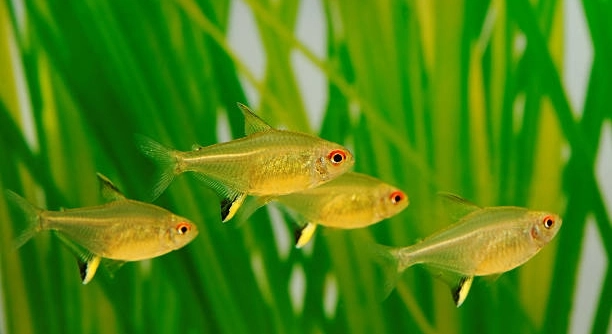
Spooked Arowanas can be startling to witness, especially when they dart around their tank unexpectedly. Their sudden movements can indicate stress or environmental discomfort, which may affect their overall health and daily behavior in subtle ways.
Calming a frightened Arowana requires a combination of reducing sudden stimuli, maintaining consistent water parameters, and providing gentle handling or observation. Implementing proper lighting, hiding spaces, and minimizing disturbances can significantly lower stress levels and promote stability in the fish’s behavior.
Learning to respond calmly and effectively can make a noticeable difference in your Arowana’s well-being. Understanding these strategies helps create a safer, more comfortable environment for your aquatic companion.
Recognize Signs of Stress Early
Arowanas often display subtle signs when they are stressed. Rapid gill movement, erratic swimming, or hiding more than usual can indicate discomfort. Observing these behaviors regularly helps identify potential issues before they escalate. Changes in appetite or refusal to eat are also important indicators, showing that the fish may feel threatened or unsettled. Tank conditions, including temperature fluctuations, strong currents, or poor water quality, can quickly increase stress. Lighting that is too bright or sudden loud noises around the tank may trigger panic responses. Providing areas for the fish to retreat, like floating plants or decorative hides, encourages them to feel secure. Even small disturbances, such as tapping on the glass or frequent water changes, can create anxiety if not managed carefully. By paying close attention to daily behavior, owners can take prompt action to maintain a calm environment and support the Arowana’s overall health.
Regular observation allows you to spot stress before it worsens. Early action prevents prolonged anxiety and health issues.
Consistently monitoring behavior establishes patterns that make abnormal reactions easier to notice. Keeping a log of feeding, swimming patterns, and tank activity can help track changes over time. This practice helps determine whether stress is environmental, dietary, or due to interactions with other tank inhabitants. When adjustments are made, observing responses allows refinement of strategies. Arowanas thrive in stable, predictable conditions, and small interventions like repositioning decorations or adjusting water flow can improve comfort. Over time, this attentiveness strengthens the bond between owner and fish, as the Arowana becomes more accustomed to its surroundings and daily routine.
Adjust Tank Environment
Maintaining stable water temperature and quality is essential. Regular testing ensures optimal conditions.
Proper tank setup directly impacts an Arowana’s sense of security. Maintaining consistent water temperature, pH levels, and cleanliness reduces stress and prevents erratic swimming behaviors. Installing gentle filtration avoids strong currents that can overwhelm the fish. Strategically placing hiding spots and plants provides retreat areas, giving the Arowana control over its environment. Lighting should mimic natural cycles, avoiding harsh brightness or sudden changes. Minimizing loud noises near the tank creates a calm atmosphere, while avoiding frequent tank rearrangements keeps the fish comfortable. Even small details, like covering part of the tank or adding subdued background elements, contribute to a secure environment. Owners should ensure the tank is large enough to allow free movement, as cramped spaces increase anxiety. Consistency in these environmental factors leads to a calmer, healthier Arowana that displays more natural, relaxed behaviors over time.
Reduce Sudden Movements
Quick actions near the tank can startle an Arowana. Move slowly and calmly to prevent panic. Avoid tapping the glass or leaning over abruptly, as sudden gestures can trigger stress responses.
Creating a predictable routine helps the fish adjust to your presence. Feeding at consistent times, checking water conditions calmly, and performing maintenance without rushing prevents unnecessary fear. Even small, rapid changes in the environment can make the fish feel threatened. Consistency in handling and observation reinforces a sense of safety, allowing the Arowana to swim confidently without darting or hiding excessively.
Arowanas notice every movement around them. Using slow, deliberate actions when approaching the tank reduces anxiety. Gentle hand movements while feeding or cleaning encourage the fish to remain relaxed. Over time, repeated calm interactions condition the fish to associate human presence with safety rather than disturbance.
Maintain Proper Diet
Offering regular, balanced meals supports health and reduces stress. Feed high-quality pellets, live food, or frozen options suitable for Arowanas. Avoid overfeeding, which can cause digestive issues and agitation.
A consistent feeding schedule strengthens routine and predictability. Monitoring portion sizes ensures the fish receives proper nutrition without leftover food degrading water quality. Nutrient-rich diets enhance immunity and support growth, reducing vulnerability to stress-related illnesses. Varying food types, such as occasional insects or small fish, mimics natural behavior, keeping the Arowana engaged. Always remove uneaten food promptly to prevent contamination and maintain a clean environment, which directly affects comfort and calmness.
Proper nutrition influences both behavior and overall well-being. A balanced diet helps the fish stay active yet calm, minimizing frantic swimming or erratic responses. Foods high in protein and essential vitamins support healthy scales, gills, and energy levels. Observing how the fish responds to different foods can guide adjustments in feeding routines. Gradually introducing new items prevents sudden changes that could trigger stress. Supplementing with vitamins when necessary ensures optimal health. A stable, nourishing diet complements environmental strategies, making the Arowana more resilient to sudden disturbances and maintaining a peaceful, stable presence in the tank.
Minimize Loud Noises
Arowanas are sensitive to sudden sounds. Keep the area around the tank quiet. Avoid slamming doors, loud conversations, or nearby construction, as these noises can startle the fish and trigger rapid, erratic swimming.
Even subtle vibrations from speakers or appliances can cause stress. Maintaining a calm, low-noise environment helps the Arowana feel secure and reduces unnecessary panic.
Provide Hiding Spots
Adding plants, driftwood, or decorative shelters gives the fish places to retreat. These areas allow the Arowana to feel protected and regain composure after being startled. A well-structured tank with hiding options reduces anxiety and encourages natural, relaxed behavior.
Control Lighting
Bright or fluctuating light can alarm Arowanas. Use subdued, consistent lighting and avoid sudden changes. This steady illumination helps the fish feel safe and prevents stress-related reactions.
Avoid Overcrowding
Too many tank mates increase stress levels. Maintain appropriate stocking density for Arowanas. A spacious tank reduces competition, allows free swimming, and promotes calm behavior.
FAQ
Why is my Arowana spooking so easily?
Arowanas are naturally sensitive and can react to changes in their environment. Sudden movements, bright lights, loud noises, or even shifts in water conditions may trigger panic. Stress can also result from overcrowding or improper tank setup. Observing behavior closely can help pinpoint the source of anxiety.
How can I tell if stress is affecting my Arowana’s health?
Signs of stress include rapid gill movement, erratic swimming, loss of appetite, and hiding more than usual. Changes in color or scales and frequent rubbing against tank surfaces can also indicate discomfort. Tracking daily habits provides insight into stress levels.
What types of hiding spots work best for Arowanas?
Floating plants, driftwood, and decorative shelters are ideal. These structures create safe zones, helping the fish feel secure. Arowanas prefer areas where they can retreat without feeling trapped, so spacing and placement are important. Natural-looking hides reduce stress more effectively than artificial objects.
Can lighting affect an Arowana’s behavior?
Yes. Bright or inconsistent lighting can spook the fish. Maintaining stable, subdued lighting that mimics natural cycles encourages calm behavior. Avoid sudden changes in illumination, as abrupt shifts can cause panic or stress responses.
How often should I feed my Arowana?
Arowanas thrive on a consistent feeding schedule. Providing high-quality pellets, live food, or frozen options once or twice a day supports health. Overfeeding can lead to digestive problems, leftover food pollutes the water, and irregular schedules may increase anxiety.
Is tank size important for calming my Arowana?
Absolutely. Arowanas need ample space to swim freely. Crowded tanks increase competition and stress, while a large tank allows natural movement and reduces aggression. Proper tank size, combined with hiding spots, creates a balanced environment conducive to calm behavior.
Do water conditions affect Arowana stress?
Water quality is critical. Temperature fluctuations, high ammonia, or incorrect pH can trigger stress. Regular monitoring and maintenance of water parameters keep the environment stable. Clean, well-filtered water promotes comfort and minimizes erratic swimming or hiding behaviors.
Can loud household sounds make my Arowana nervous?
Yes. Arowanas react to vibrations and sudden noises. Avoid placing the tank near loud appliances, music, or high-traffic areas. A quiet, calm environment reduces unnecessary stress and helps the fish stay relaxed.
How can I slowly get my Arowana used to my presence?
Move slowly and predictably around the tank. Feeding at consistent times and using calm, deliberate actions reduces fear. Over time, the fish associates human presence with safety rather than threat. Avoid sudden gestures or leaning over the tank abruptly.
Are there foods that help reduce stress?
High-quality, balanced diets contribute to overall health, indirectly reducing stress. Protein-rich pellets, occasional live insects, and frozen foods encourage natural behavior. Consistency in feeding times and avoiding overfeeding help maintain a calm, healthy fish.
Can adding tank mates calm my Arowana?
Not always. Some tank mates may increase stress, especially if the space is limited. Arowanas are territorial, so careful consideration of compatible species and adequate space is essential. Avoid overcrowding to ensure the fish feels secure.
How long does it take for an Arowana to calm down after spooking?
Recovery depends on the individual fish and environmental factors. With stable water conditions, consistent feeding, and a quiet environment, most Arowanas regain composure within minutes to a few hours. Providing hiding spots speeds up the process.
Do sudden water changes stress Arowanas?
Yes. Drastic or frequent water changes can spook the fish. Perform gradual adjustments and maintain consistent temperature and chemistry. Small, controlled water replacements help keep the environment stable, minimizing anxiety.
What is the role of tank decorations in stress reduction?
Decorations provide hiding spaces and visual barriers, which help the Arowana feel secure. Driftwood, plants, and rocks create safe zones and reduce the impact of outside movement. Well-placed decorations encourage natural behavior and decrease panic responses.
How do I know if my Arowana is stressed despite normal behavior?
Even if swimming appears normal, subtle cues like slight color fading, occasional rapid gill movement, or small erratic bursts indicate mild stress. Observing feeding, social interaction with tank mates, and reaction to environmental changes helps detect hidden stress.
Can adjusting water flow reduce panic?
Yes. Strong currents can overwhelm Arowanas, causing erratic swimming. Gentle, consistent water flow mimics natural conditions and allows control over movement. Positioning filters carefully and avoiding turbulence improves comfort.
Is it normal for Arowanas to be jumpy during feeding?
Slight excitement during feeding is normal, but extreme darting or panic may indicate stress. Controlled feeding routines, calm movements, and appropriate food types reduce anxiety while encouraging natural hunting behavior.
How does temperature stability affect stress?
Arowanas are sensitive to temperature changes. Fluctuating water can cause rapid breathing and erratic swimming. Maintaining a stable, appropriate temperature range supports metabolic balance, comfort, and calmer behavior.
What long-term strategies help prevent frequent spooking?
Consistency is key. Stable water conditions, predictable feeding schedules, quiet surroundings, sufficient tank space, hiding spots, and gentle interactions collectively reduce stress. Gradual acclimation to environmental changes ensures long-term comfort and helps the Arowana develop trust in its habitat.
Are there signs that indicate permanent stress damage?
Chronic stress may lead to weakened immunity, stunted growth, or persistent hiding. Maintaining optimal conditions, careful monitoring, and timely intervention prevent long-term negative effects and support a healthy, resilient Arowana.
Final Thoughts
Managing a spooked Arowana requires attention to both its environment and daily routine. Consistency is crucial for reducing stress, as sudden changes in water conditions, lighting, or tank setup can easily startle the fish. Arowanas thrive in a calm and stable environment where they can predict what will happen each day. Observing behavior closely allows you to recognize early signs of stress, such as rapid gill movement, hiding, or erratic swimming, and respond appropriately. Small adjustments, like providing hiding spots or arranging decorations strategically, can make a noticeable difference in their sense of security. Over time, these practices help the fish feel more comfortable, reducing panic and promoting overall well-being.
Feeding practices also play an important role in calming Arowanas. Providing a balanced diet of high-quality pellets, occasional live food, or frozen options ensures proper nutrition, supporting both physical health and mental stability. Maintaining consistent feeding schedules prevents unnecessary anxiety and builds predictability for the fish. Avoiding overfeeding or leaving uneaten food in the tank is equally important, as leftover food can degrade water quality, which in turn contributes to stress. Carefully observing how the fish reacts to different foods and portion sizes allows for small refinements that maintain calm behavior. Combining proper nutrition with a stable environment creates a foundation for a relaxed, healthier Arowana that is better able to cope with minor disturbances.
Finally, the interaction between the owner and the fish impacts stress levels significantly. Approaching the tank slowly, performing maintenance calmly, and avoiding sudden gestures all encourage trust and reduce fear. Even simple actions, like moving slowly during feeding or testing water, help the Arowana associate human presence with safety rather than threat. Maintaining a quiet, low-vibration area around the tank further contributes to their comfort. Over time, these consistent habits build a routine that the fish can rely on, minimizing unnecessary panic and erratic behavior. By combining careful observation, steady environmental management, proper nutrition, and mindful interaction, an Arowana can thrive in a calm, stable, and secure setting, demonstrating more natural and confident behavior on a daily basis.

Hello,
If you enjoy the content that we create, please consider saying a "Thank You!" by leaving a tip.
Every little bit helps us continue crafting quality advice that supports the health, happiness, and well-being of pets around the world, for pets of all shapes, sizes, and species.
We really appreciate the kindness and support that you show us!