
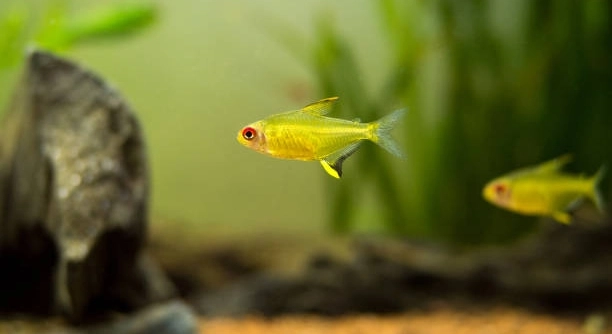
Arowanas are elegant and powerful fish that often become the centerpiece of home aquariums. Many hobbyists carefully select tank decorations to complement their beauty, paying special attention to plants and natural elements that enhance their environment.
Arowanas can show preferences for certain types of tank plants, often favoring species that provide open swimming space while offering hiding spots. Plant selection can influence their comfort, behavior, and overall well-being within the aquarium environment.
Observing these preferences can help improve tank design and promote a healthier, more natural habitat for your fish. Small changes in plant placement can have noticeable effects on their behavior.
Choosing the Right Plants for Arowanas
Selecting plants for an arowana tank is more than just decoration. These fish are large and active, requiring plenty of open space to swim freely. Tall, sturdy plants like Anubias, Java Fern, or Amazon Sword can provide structure without obstructing movement. Floating plants like duckweed or water lettuce can offer shade and reduce stress, giving the fish a sense of security. Plants with broad leaves are often preferred because they create natural resting areas and help maintain water quality by absorbing excess nutrients. Avoid delicate or fragile plants that can be easily damaged by the arowana’s strong movements. Position plants strategically along the tank edges or corners to create an inviting environment while leaving the central area open. Observing how the arowana interacts with different plants can guide future choices, allowing for a balance between aesthetics and the fish’s comfort.
Plant choice can directly impact an arowana’s behavior and tank health, making thoughtful selection essential.
A well-planted tank improves water stability and reduces stress for your arowana. Plants help filter waste and provide natural hiding spots, allowing the fish to feel secure. Watching your arowana interact with its environment can be rewarding and informs better maintenance practices over time.
Observing Arowana Plant Preferences
Monitoring how your arowana interacts with various plants helps determine its preferences and comfort level.
Arowanas may favor certain plants for shade, resting, or territorial boundaries. Their choices can indicate stress levels, health, and overall satisfaction in the tank environment.
Each arowana has unique habits, and observing these can guide tank design effectively. Some fish may linger near broad-leafed plants, while others may prefer floating greenery that allows partial cover without blocking swimming paths. Adjusting plant density can help reduce aggression and encourage natural behaviors, such as foraging or gentle exploration. Keeping a variety of plant types allows the arowana to choose what suits it best, ensuring it remains active and engaged. Regular observation also helps identify any plants being damaged or neglected, indicating areas for adjustment. By noting these interactions, tank conditions can be optimized for both aesthetics and the fish’s well-being, creating a harmonious and healthy environment that supports long-term care.
Plant Placement and Tank Layout
Proper plant placement can make a significant difference in how your arowana navigates its tank. Position taller plants toward the back and sides, leaving the central swimming area open. Floating plants can be scattered to provide shade without restricting movement.
Strategically arranging plants helps create a natural environment. Placing dense clusters in corners offers hiding spots, which can reduce stress and allow your arowana to feel secure. Open spaces in the center encourage active swimming, which supports physical health. Plants also act as visual barriers, minimizing territorial disputes if multiple fish are present. This layout ensures both aesthetics and practicality, promoting a balanced tank ecosystem.
Adjusting plant positions over time helps determine the best setup for your arowana. Observing behavior in different layouts allows you to identify preferred resting areas and open spaces for exercise. Changes in plant density can influence interactions, encouraging a healthier, more comfortable environment.
Benefits of Plants for Arowanas
Plants contribute to better water quality by absorbing excess nutrients, reducing algae growth, and providing oxygen. They create a more natural habitat for your fish, improving overall tank health.
In addition to enhancing water conditions, plants can positively affect your arowana’s behavior and stress levels. Fish often use plants for shelter, resting, or marking territory, which supports natural instincts. Floating and broad-leafed species help maintain shaded areas, giving the fish security while still leaving swimming paths open. Plants also support beneficial bacteria that break down waste, contributing to a stable ecosystem. Regularly inspecting plant health ensures they continue providing these benefits without introducing decay or water contamination, which could negatively impact the fish. Proper plant care, including trimming and replacement when necessary, maintains a safe and comfortable environment, allowing your arowana to thrive.
Observing Behavioral Changes
Noticing changes in your arowana’s interaction with plants can reveal comfort levels. Increased hiding or resting near certain plants often indicates preference and reduced stress.
Conversely, avoidance of particular plants may suggest they feel exposed or restricted. Adjusting placement can help create a more balanced and natural environment for your fish.
Adjusting Plant Density
Balancing plant density is key to maintaining both swimming space and shelter. Dense clusters should be limited to corners, while open areas allow free movement. Proper spacing encourages natural behaviors, reduces stress, and prevents overcrowding, helping the arowana feel secure and active.
Seasonal Plant Changes
Plants may grow differently with seasonal shifts in light and temperature. Monitoring these changes ensures that the tank environment remains consistent and suitable for your arowana’s needs.
FAQ
Do arowanas prefer real or artificial plants?
Arowanas generally respond better to real plants because they offer natural hiding spots and improve water quality. Real plants help absorb excess nutrients and support beneficial bacteria. However, sturdy artificial plants can work if maintenance of live plants is difficult. The key is choosing materials that won’t harm the fish.
Which plant types are safest for arowanas?
Broad-leafed and robust plants like Anubias, Java Fern, and Amazon Sword are safest. Floating plants such as water lettuce or duckweed provide shade without blocking swimming space. Fragile or thin-leafed species should be avoided because arowanas can easily damage them.
How should plants be positioned in the tank?
Place taller plants along the back and sides, leaving the center open for swimming. Floating plants can be scattered to provide partial cover. Clusters in corners give shelter and reduce stress, while open areas encourage natural movement and exercise.
Can arowanas damage plants?
Yes, especially delicate species. Arowanas are strong swimmers, and their tail movements can tear thin leaves. Selecting sturdy species and monitoring behavior helps protect plants while allowing the fish freedom to swim.
Do plants affect arowana behavior?
Plants influence stress levels and comfort. Fish often use them for resting, shade, or territorial markers. A well-planted tank can reduce aggression, encourage natural exploration, and promote a healthier routine, supporting overall well-being.
How many plants should I have in the tank?
The number depends on tank size. Arowanas need open swimming space, so avoid overcrowding. Dense clusters in corners or along edges provide shelter without limiting movement. Floating plants can be used sparingly to create shaded areas without obstructing activity.
How often should plants be maintained?
Regular trimming and removal of decayed leaves are essential. Dead plant matter can release harmful substances into the water. Monitoring growth ensures that the tank remains balanced and that the arowana has both open swimming areas and adequate shelter.
Do seasonal changes affect plant care?
Yes, variations in light and temperature can influence growth. Adjusting lighting duration or replacing plants as needed keeps the environment consistent and safe for your arowana. Maintaining a stable environment helps avoid stress and keeps the tank healthy.
Can live plants help water quality?
Absolutely. Live plants absorb nitrates and other waste products, reducing algae growth. They also produce oxygen, benefiting the fish and promoting a more stable ecosystem. Healthy plants contribute to a cleaner, safer, and more comfortable habitat for arowanas.
Are floating plants necessary?
Floating plants aren’t required but are beneficial. They provide partial cover, reduce stress, and create shaded areas without restricting swimming space. Using them strategically helps balance open areas and shelter, supporting natural behaviors and overall comfort.
How do I know which plants my arowana prefers?
Observe where your fish spends most of its time. Frequent resting near certain plants or exploring specific areas indicates preference. Adjusting plant types and placement based on these observations ensures the tank meets your arowana’s comfort and behavioral needs.
Can plant placement reduce aggression?
Yes, using clusters in corners and edges creates visual barriers and private spaces. This reduces territorial conflicts in tanks with multiple fish, allowing arowanas to feel secure while maintaining active swimming areas for exercise and natural behaviors.
What is the best way to introduce new plants?
Rinse plants thoroughly to remove debris and potential pests. Place them gradually to let the fish adjust. Observing how the arowana interacts with new plants helps determine if the placement and type are suitable for its preferences.
Do plants need fertilizers or supplements in an arowana tank?
Only if you are using live plants that require extra nutrients. Be careful to choose fish-safe fertilizers, as excess chemicals can harm your arowana. Natural nutrient absorption from fish waste often provides enough support for hardy species.
How do I balance aesthetics and comfort for the arowana?
Prioritize open swimming spaces while adding plants for shelter and shade. Use a mix of tall, broad, and floating plants, focusing on areas your fish naturally favors. Observing behavior and adjusting placement ensures both a pleasing layout and a comfortable habitat.
Are there signs that plants are affecting my arowana negatively?
Watch for avoidance, excessive hiding, or unusual swimming patterns. Damaged plants or excessive debris in the water can also indicate issues. Adjusting plant type, placement, or maintenance routine can resolve stress or discomfort caused by unsuitable vegetation.
Can arowanas coexist with planted tanks and other fish?
Yes, if space is adequate and plants are sturdy. Observing interactions is key to prevent territorial disputes. Providing enough open swimming space and sheltered areas helps all fish thrive without compromising the planted environment.
How important is observation in maintaining a planted arowana tank?
Observation is crucial. Watching interactions helps identify plant preferences, stress levels, and tank layout effectiveness. Adjustments based on behavior ensure a healthier, more comfortable, and well-balanced environment for your arowana.
Do all arowanas show the same plant preferences?
No, individual fish differ in behavior and comfort. Some may prefer floating plants, while others favor dense clusters along edges. Customizing plant types and placement for each arowana ensures their needs are met and promotes a more natural habitat.
How do I combine multiple plant types effectively?
Mix tall background plants, broad-leafed species, and floating cover to create depth and shelter while keeping central areas open. Balancing density ensures swimming freedom, reduces stress, and maintains a visually appealing and functional tank environment.
Can plant changes improve arowana health?
Yes, the right plants reduce stress, encourage natural activity, and improve water quality. Observing behavior and adjusting the environment promotes physical and mental well-being, supporting long-term health and a more harmonious tank.
This FAQ provides practical insights to help maintain a comfortable, safe, and aesthetically pleasing environment for your arowana while meeting its behavioral and health needs.
Word count: 507
Final Thoughts
Caring for an arowana involves more than just feeding and cleaning the tank. Providing a well-planted environment is a key part of creating a comfortable and natural habitat for the fish. Proper plant selection and placement can significantly influence their behavior, stress levels, and overall health. Broad-leafed plants like Anubias, Java Fern, and Amazon Sword work well because they are sturdy and provide resting areas without taking up too much swimming space. Floating plants can offer shade and reduce light intensity in the tank, giving the arowana a sense of security. Observing how the fish interacts with different plant types and arrangements allows for adjustments that meet its preferences and promote a calmer, more natural behavior. It is important to leave ample open space in the tank, as arowanas are active swimmers and require freedom of movement to maintain physical health. Balancing open areas with clusters of plants creates an environment that feels secure while allowing the fish to move naturally.
Maintaining a planted tank requires regular attention, but the benefits are clear. Plants help maintain water quality by absorbing excess nutrients and supporting beneficial bacteria, which reduces waste buildup and minimizes algae growth. Healthy plants also produce oxygen, contributing to a stable and safe environment. Observing plant health is important, as decaying leaves or overgrowth can negatively affect water conditions and stress the fish. Trimming plants, replacing damaged species, and monitoring growth patterns help keep the tank balanced. Adjusting plant density and placement over time ensures the arowana has preferred resting spots, shaded areas, and unobstructed swimming space. Seasonal changes in light and temperature may affect plant growth, so paying attention to these factors helps maintain a consistent and suitable environment. By combining careful observation with thoughtful maintenance, the tank can remain both visually appealing and functional, supporting the long-term well-being of the fish.
Finally, understanding arowana behavior in relation to plants enhances the overall care experience. Each fish may have unique preferences, whether favoring certain types of plants, floating cover, or specific corners of the tank. Observing these preferences helps guide plant selection and layout to meet the individual needs of the arowana. A well-planted tank not only improves comfort and reduces stress but also encourages natural behaviors such as exploring, resting, and foraging. Over time, monitoring interactions between the fish and its environment allows for small adjustments that have a noticeable impact on health and behavior. Investing time in understanding these patterns ensures the tank remains a safe, comfortable, and balanced space. Thoughtful plant care, combined with attention to the fish’s behavior and habitat needs, supports a thriving and visually harmonious aquarium. Creating this environment is rewarding, as the arowana can exhibit natural behavior while enjoying a habitat that promotes its physical and mental well-being.
Word count: 409

Hello,
If you enjoy the content that we create, please consider saying a "Thank You!" by leaving a tip.
Every little bit helps us continue crafting quality advice that supports the health, happiness, and well-being of pets around the world, for pets of all shapes, sizes, and species.
We really appreciate the kindness and support that you show us!