
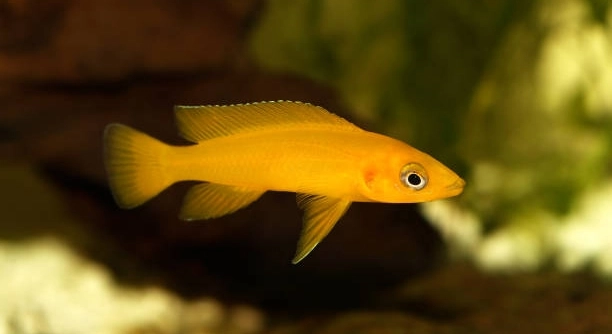
Is your arowana spending most of its time near the filter output? Many aquarium owners notice this behavior and wonder why their fish prefers this specific area over others in the tank. It can be a common observation for new and experienced keepers alike.
The primary reason an arowana stays near the filter output is the higher oxygen concentration and water movement in that area. Fish are naturally drawn to these conditions, which support their respiratory efficiency, activity levels, and overall well-being in captivity.
Observing your arowana’s habits closely can help you understand its preferences and make simple adjustments to improve its comfort and tank environment.
Reasons Your Arowana Stays Near the Filter Output
Arowanas are drawn to areas of the tank where water flows more strongly. The filter output creates gentle currents that mimic natural conditions, which many fish find comforting. This movement also helps distribute oxygen evenly, and your arowana instinctively moves toward areas with higher oxygen levels. Younger or more active arowanas may swim near the output more often because they enjoy the stimulation. Additionally, water near the filter tends to be cleaner, as debris is pulled toward the intake. This can make your fish feel safer and more comfortable in that space. In some cases, temperature differences near the output may also attract your arowana, especially if the heater is positioned to create slightly warmer currents in that area. Observing your fish over several days can reveal patterns and help you understand its preferences. Adjusting decorations or adding plants can influence where it spends its time without restricting movement.
Water flow provides comfort and oxygen, which encourages healthier, more active behavior in your arowana.
Positioning the filter and adjusting flow can improve overall tank conditions while keeping your arowana engaged with its environment naturally.
Health and Environmental Factors
Low oxygen levels or poor water circulation can make arowanas favor the filter output.
Ensuring water quality and oxygenation is critical. Regular water changes, proper filtration, and maintaining temperature stability all contribute to your fish’s health. Arowanas are sensitive to ammonia, nitrite, and nitrate spikes, so consistent testing is essential. Stress can also drive them to stay near the output, as flowing water may feel safer than stagnant areas. Observing how your fish interacts with the tank can reveal whether it is comfortable or stressed. Enrichment such as floating logs or gentle currents in other areas can encourage it to explore, preventing overdependence on the filter area. A balanced diet and monitoring for signs of illness, such as changes in appetite or coloration, support overall well-being. By addressing both environmental and health factors, you create a space where your arowana can thrive, swim freely, and show natural behaviors without being limited to one section of the tank.
Adjusting Flow and Tank Layout
The placement of decorations and tank structures can change where your arowana spends time. Positioning plants, rocks, or driftwood can create calm zones away from the filter output, giving your fish more options for swimming and resting comfortably.
Creating varied water flow in different areas of the tank encourages exploration. You can use additional pumps or adjust the filter output direction to produce gentle currents elsewhere. This allows your arowana to experience similar oxygenation and movement throughout the tank rather than clustering near one spot. Observing how it reacts to these changes helps you understand its preferences and make gradual adjustments without causing stress. Over time, your arowana may begin to use more of the tank, balancing comfort near the filter with exploration of calmer zones. This approach supports both physical activity and mental stimulation for the fish.
Providing multiple areas with varying flow and oxygen levels reduces dependency on a single spot. It encourages natural behavior and keeps your arowana active, healthy, and engaged in its environment.
Monitoring Behavior and Well-being
Paying attention to swimming patterns can reveal underlying issues or preferences.
Changes in behavior, appetite, or coloration often indicate stress, illness, or unsuitable tank conditions. Arowanas may linger near the filter output if water parameters are inconsistent, or if temperature or oxygen levels fluctuate elsewhere. Keeping a detailed record of feeding habits, interactions with tank features, and resting locations helps identify potential concerns early. Regular observation ensures any problems, such as aggression, disease, or environmental discomfort, are noticed and addressed promptly, reducing long-term health risks.
Consistent maintenance and attentive care are essential for long-term well-being. Testing water quality, checking equipment, and providing enrichment allows your arowana to thrive. Observing how it responds to changes, like moving decorations or adjusting flow, offers insight into its preferences and comfort. Ensuring the tank environment meets all physical and behavioral needs reduces stress and promotes natural activity patterns. Small changes, monitored closely, can make a significant difference in overall health and happiness, supporting a strong and active arowana for years to come.
Understanding Current Preferences
Your arowana may favor the filter output because it combines oxygen-rich water with gentle movement. This area often feels safer and more comfortable compared to stagnant parts of the tank. Monitoring where it spends most time helps you understand its habits.
Flow patterns influence activity and resting spots. Adjusting current strength and direction can encourage movement throughout the tank, promoting healthier behavior and reducing stress.
Feeding and Location
Feeding routines can affect where your arowana chooses to swim. Many fish associate areas of higher flow with feeding spots because food often moves toward them. Maintaining consistent feeding locations and schedules helps your arowana feel secure and reduces unnecessary stress.
Seasonal and Temperature Effects
Water temperature variations can make certain areas more appealing. Slightly warmer or cooler zones near the filter output may attract your arowana during different seasons, influencing its swimming patterns and comfort levels.
Tank Size and Space
A larger tank with adequate space allows your arowana to explore freely. Confinement or limited swimming areas can increase time spent near the filter output, emphasizing the importance of proper tank dimensions.
FAQ
Why does my arowana always stay near the filter output?
Arowanas are naturally drawn to areas with higher oxygen levels and gentle water movement. The filter output provides both, making it a comfortable spot. Fish may also feel safer there because water circulation keeps debris away and mimics natural currents. Observing your arowana can reveal if this behavior is consistent or varies with feeding, activity, or tank conditions.
Is it harmful if my arowana only stays near the filter?
Not necessarily, but it can indicate that other areas of the tank are less appealing. Poor water flow, uneven temperature, or low oxygen in other sections may discourage exploration. Ensuring even circulation and proper oxygenation throughout the tank encourages healthier movement and reduces stress.
How can I encourage my arowana to explore other parts of the tank?
Adding decorations, plants, or driftwood to different areas can create safe spaces and reduce reliance on the filter output. Adjusting the filter flow direction or adding secondary pumps to create gentle currents in other zones can also attract your fish to explore more actively. Gradual changes are best to prevent stress.
Could stress or illness make my arowana cling to the filter output?
Yes. Fish may prefer areas with stronger flow when feeling unwell, as it can be easier to breathe and feel secure. Look for other signs like loss of appetite, discoloration, or unusual swimming. Maintaining water quality, stable temperature, and regular feeding helps prevent stress-related behaviors.
Does tank size affect this behavior?
Absolutely. Smaller tanks limit swimming space, so the fish may naturally stay near the filter where conditions are better. Larger tanks with evenly distributed oxygen and flow allow the arowana to move freely and reduce time spent in just one area.
Can filter type make a difference?
Yes, the type and strength of the filter impact water movement. A high-flow filter may attract your arowana more than a low-flow option. Adjusting the output direction or adding additional gentle currents in other parts of the tank can balance the environment.
Will temperature changes affect my arowana’s location?
Slight temperature differences can make certain areas more appealing. Arowanas may stay near the filter if it produces slightly warmer water, especially in colder tanks or during cooler seasons. Using a properly positioned heater ensures even temperature distribution.
How often should I monitor my arowana near the filter?
Daily observation is helpful. Watching behavior patterns over time allows you to identify preferences, potential stress, or environmental issues. Noticing changes early can prevent problems and help maintain long-term health.
Is it normal for young arowanas to stay near the filter more than adults?
Yes. Younger fish often prefer stronger currents for stimulation and easier access to oxygen. Adults may still use the area, but they tend to explore more if the tank environment is balanced and enriching.
Should I worry if my arowana ignores other areas completely?
It’s worth investigating. Consistent avoidance may indicate uneven oxygen, water flow, or temperature issues. Making small adjustments to water movement, adding enrichment, and monitoring health ensures your arowana can safely use the entire tank.
Can feeding habits influence filter preference?
Yes, fish may associate flowing water areas with food delivery. Maintaining consistent feeding spots or spreading food in multiple areas encourages movement and reduces reliance on one location.
How long does it take for my arowana to adjust to new tank arrangements?
Adjustment varies. Some fish adapt within days, while others may take weeks. Introducing gradual changes in decorations, flow, or feeding patterns helps the fish feel comfortable without causing stress.
Is it necessary to move the filter if my arowana stays near it constantly?
Not always. Instead of moving the filter, consider adding additional currents or enriching other areas. This approach balances the environment and encourages natural behavior without disrupting filtration efficiency.
Can multiple arowanas affect filter output preference?
Yes. In tanks with more than one arowana, competition or territory may make one fish dominate the filter area. Observing interactions and providing multiple zones with good flow helps reduce stress and ensures all fish have suitable spaces.
Does water quality maintenance affect this behavior?
Absolutely. Clean, oxygen-rich water is critical. Poor water conditions push fish toward areas with better circulation, usually near the filter output. Regular water changes, testing parameters, and maintaining proper filtration support overall health and even distribution of activity throughout the tank.
Are there long-term risks if my arowana stays near the filter too much?
Extended time in one area can lead to uneven exercise or stress if other tank areas are unsuitable. Ensuring a balanced environment with proper oxygen, flow, temperature, and enrichment encourages natural movement and helps prevent potential physical or behavioral issues.
Observing your arowana spending time near the filter output is a common experience for many aquarium owners. This behavior is generally linked to the combination of higher oxygen levels, gentle water flow, and cleaner conditions found in that area. Arowanas are naturally drawn to spots that feel safe and provide a comfortable environment. In many cases, this preference is completely normal and does not indicate a problem. By paying close attention to your fish’s habits, you can better understand what influences its behavior and make small adjustments to support its well-being. Ensuring that other parts of the tank are equally inviting can reduce overreliance on the filter area while promoting a balanced and healthy environment.
Creating a comfortable habitat for your arowana involves careful consideration of water quality, temperature, and flow patterns. Uneven conditions in the tank may cause the fish to favor one spot over another, so it is important to maintain consistent oxygen levels and clean water throughout. Decorations, plants, and gentle currents in multiple areas encourage exploration and provide enrichment, which helps prevent stress. Observing the fish over time allows you to notice subtle changes in behavior, feeding patterns, and activity levels. This information is useful for making gradual adjustments to the tank layout or filtration system. Arowanas thrive when their environment supports both physical activity and mental stimulation, and small changes can have a significant impact on overall comfort and health.
Regular monitoring and maintenance are essential for long-term success with an arowana. Tracking behavior, feeding habits, and tank conditions ensures that the fish remains healthy and active. While spending time near the filter output is often normal, it is important to address any signs of stress or illness promptly. Balanced water parameters, consistent feeding, and thoughtful enrichment help your arowana feel secure and reduce dependency on one area of the tank. Over time, these practices encourage natural movement, exploration, and engagement with the environment. By providing a well-maintained and stimulating tank, you create a space where your arowana can flourish, stay healthy, and display its natural behaviors confidently.

Hello,
If you enjoy the content that we create, please consider saying a "Thank You!" by leaving a tip.
Every little bit helps us continue crafting quality advice that supports the health, happiness, and well-being of pets around the world, for pets of all shapes, sizes, and species.
We really appreciate the kindness and support that you show us!