
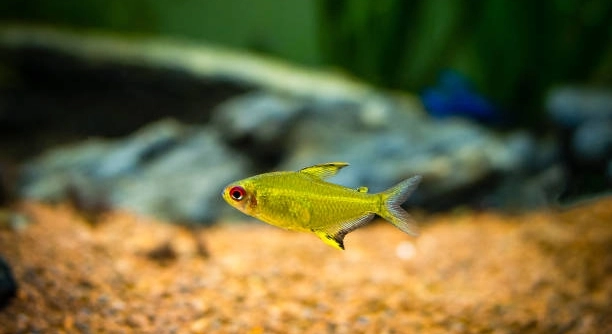
Do you ever notice your lemon tetras swimming frantically or hiding more than usual? A crowded tank can stress your fish, affect their health, and make your aquarium harder to maintain. Observing their behavior can reveal subtle signs.
Overcrowding in a lemon tetra tank occurs when the number of fish exceeds the available space, reducing water quality, limiting swimming areas, and increasing stress levels. Recognizing these indicators early is essential to maintain a healthy and balanced aquatic environment.
Identifying these clues will help you ensure your lemon tetras thrive in a comfortable, well-maintained tank environment.
Signs of Stress Among Lemon Tetras
When lemon tetras are crowded, their behavior changes noticeably. They may dart around the tank suddenly, bump into decorations, or swim erratically. Some fish might hide for long periods, avoiding others entirely. Fin damage can appear more often, and colors may fade. Overcrowding increases competition for food, leading to skinnier fish or aggressive feeding behaviors. Even minor stress can affect immunity, making fish more vulnerable to illness. You may notice more frequent gasping at the surface if oxygen levels drop due to limited water circulation. It’s important to watch not only individual fish but the group as a whole. Signs like rapid gill movement, lethargy, or clamped fins are strong indicators that the tank population is too high. Observing these behaviors early allows you to make adjustments before serious health issues develop. Maintaining proper tank conditions is crucial for their well-being.
Stress in lemon tetras often appears as faded colors, constant hiding, or aggressive nipping at tankmates.
Managing stress begins with checking tank size, water quality, and reducing overcrowding. Ensuring enough hiding spaces and maintaining proper nutrition can restore balance and health.
Overcrowded Tank Environment
Crowded tanks limit swimming space and reduce water quality. Waste accumulates faster, leading to higher levels of ammonia, nitrites, and nitrates. This creates a hazardous environment for your lemon tetras. Plants and decorations may be displaced or damaged as fish compete for space. Overcrowding can make maintaining temperature and oxygen levels more difficult, which further stresses fish. Even with frequent water changes, a tank that is too small for its inhabitants will never reach optimal conditions. Fish may exhibit unusual behaviors such as constant chasing, aggression, or group clustering in corners. These signs indicate a need to rethink tank population or upgrade to a larger aquarium. Maintaining a proper ratio of fish to water volume is essential. Observing the tank regularly and addressing overcrowding promptly helps prevent disease, stress, and long-term health issues. A balanced environment supports vibrant colors, active swimming, and a healthier community of lemon tetras.
A crowded tank can quickly compromise water quality and fish behavior.
Adjusting fish numbers or expanding tank size improves oxygen levels, reduces stress, and creates a healthier, more stable environment for all your tetras.
Increased Aggression
Lemon tetras may nip fins or chase each other more when space is limited. Territorial disputes become common, and peaceful schooling behavior diminishes. Overcrowding directly contributes to these conflicts.
Aggression among lemon tetras rises in crowded conditions because they lack sufficient territory and personal space. Constant chasing and nipping stress weaker fish, which can lead to torn fins, infections, or even death. When fish cannot establish their own swimming areas, the hierarchy breaks down, creating ongoing tension. Aggressive behavior is often subtle at first but can escalate quickly if overcrowding continues. Observing how fish interact provides clear insight into whether tank density is appropriate.
Providing enough space and hiding spots is key to reducing aggression. Overcrowding amplifies stress, and aggressive interactions can impact all fish. Adjusting numbers or tank layout restores peace and allows schooling behavior to return naturally.
Poor Water Quality
Overcrowded tanks produce more waste, raising ammonia and nitrate levels quickly. Filtration may struggle to keep water safe.
When a tank holds too many lemon tetras, biological filtration becomes insufficient. Uneaten food, fish waste, and plant decay add toxins that can harm fish health. Ammonia spikes can irritate gills, while high nitrate levels weaken immunity. Poor water quality encourages disease, fungus, and bacterial infections, which can spread rapidly in a dense population. Even frequent partial water changes may not fully counteract these effects if the tank is overstocked. Regular monitoring of chemical levels, combined with maintaining appropriate fish numbers, is necessary to ensure a stable environment. Clean water supports vibrant colors, normal behavior, and long-term health for all lemon tetras.
Addressing overcrowding is essential to maintain water quality. Reducing fish numbers or upgrading filtration helps prevent toxin buildup, creating a safe habitat and promoting healthy, active tetras.
Reduced Swimming Space
Lemon tetras need room to school and move freely. Overcrowding limits their ability to swim naturally, causing stress and fatigue.
Restricted space forces fish into corners or tight areas, disrupting their normal patterns. Continuous confinement can lead to weaker muscles and less active behavior over time.
Visible Health Issues
Fins may become frayed, scales can dull, and some fish appear thinner. Overcrowding increases the risk of disease and injuries. Stress weakens immune systems, making infections more common. Observing these physical changes early allows for intervention, such as reducing tank population or improving water conditions, to protect the health of the group.
Hiding and Isolation
Overcrowded tanks push timid lemon tetras to hide more often. Isolation can indicate stress and discomfort.
FAQ
How many lemon tetras should I keep in my tank?
The ideal number of lemon tetras depends on tank size. A general rule is about one inch of fish per gallon of water, but schooling fish like lemon tetras do better in groups of at least six. Keeping too many fish in a small tank can lead to stress, aggression, and poor water quality. Always consider the full adult size of your tetras and the filtration capacity of your tank. A slightly larger tank allows them to swim comfortably and reduces health risks caused by overcrowding.
What are the first signs of overcrowding in a lemon tetra tank?
Early signs include increased aggression, chasing, or nipping fins. Some tetras may hide more often or appear lethargic. Colors may fade, and fish might spend time at the surface gasping for air. Observing the group’s behavior regularly helps detect problems before serious health issues occur. Small injuries, torn fins, or unusual swimming patterns are also warning signs that the tank may be too crowded.
Can overcrowding affect water quality?
Yes, overcrowding directly impacts water quality. More fish produce more waste, which increases ammonia, nitrite, and nitrate levels. Even frequent water changes may not fully compensate if the tank is too small. Poor water quality can lead to stress, illness, and reduced lifespan for your lemon tetras. Filtration needs to be strong and adequate for the number of fish. Testing water regularly and maintaining proper tank population helps prevent dangerous spikes in toxins.
How do I reduce aggression in a crowded tank?
Adding hiding spots, plants, or decorations can give fish areas to escape and reduce conflicts. Ensuring adequate swimming space is essential. If aggression persists, consider reducing the number of fish. Spacing out feeding times and maintaining good water quality also helps minimize tension among tetras. Observing interactions and adjusting tank layout can restore peaceful schooling behavior.
What is the impact of overcrowding on fish health?
Overcrowded tanks increase stress, weaken immune systems, and make fish more prone to diseases. Fin rot, infections, and stunted growth are common when space is limited. Stress can also reduce feeding efficiency and energy levels. Keeping the population balanced and maintaining optimal water conditions are crucial to preventing long-term health issues. Healthy tetras are active, display vibrant colors, and swim freely without constant hiding or chasing.
Can I fix overcrowding without moving fish to another tank?
Yes, partially. Rearranging decorations, adding hiding spots, and improving filtration can ease stress temporarily. Frequent water changes and proper feeding routines help maintain water quality. However, long-term solutions usually involve reducing the number of fish or upgrading to a larger tank. Temporary fixes can help, but they do not fully eliminate the risks associated with limited space.
How often should I check my tank if I suspect overcrowding?
Daily observation is important when you suspect overcrowding. Watch fish behavior, note any hiding, aggression, or unusual swimming. Test water parameters at least once a week to monitor ammonia, nitrite, nitrate, and pH. Regular checks allow early intervention and prevent serious health issues. Immediate action can prevent long-term stress and injuries in your lemon tetras.
Is it normal for some tetras to hide more than others?
Yes, but prolonged hiding often signals stress, especially in a crowded tank. Timid fish may retreat to corners or plants. If multiple fish hide consistently, it usually indicates insufficient space or environmental imbalance. Providing more room, hiding spots, and improving water quality helps restore confidence and normal activity.
How can I prevent overcrowding in the future?
Plan tank size according to the adult size and number of tetras. Introduce fish gradually and avoid impulsive additions. Monitor growth and behavior regularly, adjusting stocking as needed. Ensuring strong filtration and adequate swimming space keeps your tetras healthy. Maintaining a proper balance from the start reduces the need for major interventions later.
What is the long-term effect of overcrowding on lemon tetras?
Long-term overcrowding leads to chronic stress, weakened immunity, frequent illness, stunted growth, and reduced lifespan. Behavioral issues such as aggression and hiding may persist even after the population is reduced. Maintaining proper tank conditions and population levels from the beginning ensures a healthier, longer life for your tetras and a more enjoyable aquarium environment.
Overcrowding in a lemon tetra tank can have a big impact on the health and behavior of your fish. When there are too many tetras in a limited space, stress levels rise and aggressive behaviors become more common. Fish may chase each other constantly, nip fins, or hide for long periods, which disrupts their natural schooling patterns. Water quality also suffers in a crowded tank. Waste builds up faster, and even with regular water changes, ammonia, nitrite, and nitrate levels can reach harmful amounts. Over time, this combination of stress, poor water conditions, and physical injuries can weaken the immune system, making your tetras more susceptible to disease and infections. Watching your fish regularly and noticing subtle behavioral changes can help you identify overcrowding before it becomes a serious problem.
Maintaining a healthy tank requires a careful balance of fish numbers, tank size, and environmental conditions. Lemon tetras thrive when they have enough space to swim freely, proper filtration to handle waste, and sufficient hiding spots to reduce stress. Grouping them in appropriate numbers allows their natural schooling behavior to emerge, which promotes active swimming and social interaction. Adding decorations, plants, and open swimming areas can improve their environment and reduce aggressive encounters. Regular water testing is also essential to ensure chemical levels remain safe. By keeping the population balanced and addressing any early signs of overcrowding, you can create a more stable and comfortable habitat for your tetras, which supports their overall health and longevity.
Taking action to prevent or address overcrowding not only protects your lemon tetras but also makes caring for the tank easier and more enjoyable. A well-maintained tank with a proper number of fish is easier to clean, has better water stability, and allows each tetra to thrive. Adjustments can include reducing the number of fish, upgrading to a larger tank, or improving filtration and decorations to provide more space and security. Observing your fish closely and responding to their needs ensures they stay active, healthy, and stress-free. Consistently maintaining these practices helps create a balanced ecosystem where lemon tetras can display their vibrant colors, natural behaviors, and overall vitality, making the aquarium a more rewarding and peaceful environment for both the fish and the caretaker.

Hello,
If you enjoy the content that we create, please consider saying a "Thank You!" by leaving a tip.
Every little bit helps us continue crafting quality advice that supports the health, happiness, and well-being of pets around the world, for pets of all shapes, sizes, and species.
We really appreciate the kindness and support that you show us!