
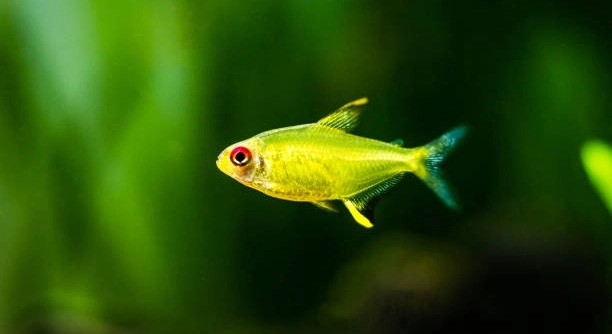
Arowanas are beautiful fish that many people enjoy keeping in home aquariums. Observing them swim gracefully can be relaxing, but sometimes they stay at the surface for long periods, which can feel worrying for their owners.
Arowanas swimming at the surface all day is often caused by low oxygen levels in the water, high water temperature, or stress. Monitoring tank conditions, maintaining proper filtration, and providing a balanced environment are essential to ensure their health.
Understanding these behaviors can help you provide better care. The reasons behind surface swimming are more complex than they first appear.
Common Reasons Arowanas Stay at the Surface
Arowanas may stay at the surface because they need more oxygen or are uncomfortable with the water conditions. Tanks that are too warm or poorly aerated make it hard for them to breathe. Stress from sudden changes, such as moving the tank or adding new fish, can also push them toward the top. Poor water quality, like high ammonia or nitrite levels, irritates their gills and forces them to seek cleaner water near the surface. Some arowanas may naturally explore the top more often, but prolonged surface swimming is usually a sign that something needs attention. Monitoring temperature, aeration, and filtration regularly keeps them comfortable. Feeding habits can also affect behavior; overfeeding or leftover food may reduce oxygen, causing them to linger at the top. By checking these factors consistently, you can reduce stress and help your arowana stay healthy and active.
Monitoring water parameters daily ensures your fish remain in a safe environment and reduces potential health issues.
Proper care includes checking temperature, adding aeration if needed, and keeping the tank clean. Small changes improve overall health and comfort.
How to Improve Your Arowana’s Comfort
Adding an air pump or stronger filtration can help oxygenate the water, making it easier for your arowana to swim throughout the tank.
Keeping the tank clean is vital. Frequent water changes remove toxins that build up over time. A stable environment reduces stress, while a suitable temperature range prevents breathing difficulties. Avoid overcrowding the tank since arowanas need space to move freely. Feeding in moderation prevents leftover food from decaying and lowering oxygen levels. Watching your fish’s behavior after adjustments helps you understand what works best. Some arowanas also appreciate floating plants, which can reduce surface glare and make the top area less stressful. By making these improvements, you create a more natural habitat that encourages normal swimming behavior. Maintaining consistency in care is important because arowanas are sensitive to sudden changes. Patience and careful observation allow you to catch small problems before they become serious. With attention to these details, your arowana will spend less time at the surface and display healthier activity overall.
Signs of Oxygen Deficiency
Arowanas gasping at the surface, rapid gill movement, or lethargy often indicate low oxygen levels. Tanks without sufficient aeration or filtration can create this issue, and addressing it quickly helps prevent serious health problems.
Low oxygen in the tank makes it difficult for arowanas to breathe properly. If the water is warm or stagnant, oxygen levels drop, causing fish to stay near the surface where gas exchange is easier. Overcrowding or decaying food can worsen the problem, further reducing available oxygen. Observing your arowana’s behavior alongside regular testing of oxygen levels helps identify issues before they become critical. Small adjustments, like adding an air pump or improving water circulation, can make a significant difference in their comfort and overall health.
Behavioral changes like reduced swimming, skipping meals, or unusual rest near the surface are signs of stress from low oxygen. Correcting water quality and aeration usually resolves these behaviors. Consistent monitoring ensures your arowana stays active and healthy, avoiding long-term complications.
Temperature and Water Conditions
Arowanas prefer stable water temperatures; sudden fluctuations can stress them, making surface swimming more common. Consistent conditions prevent breathing difficulties and maintain normal activity levels.
Water temperature affects oxygen levels and overall comfort for your arowana. Higher temperatures reduce dissolved oxygen, causing fish to seek the surface. Cold or fluctuating temperatures can also shock their system, affecting metabolism and immune response. Maintaining a stable range with a reliable heater or thermometer helps keep your fish healthy. Testing water parameters, like pH, ammonia, and nitrites, ensures conditions remain suitable. Regular water changes and cleaning prevent toxin buildup that could irritate gills and encourage surface swimming. Observation after adjustments is crucial to confirm improvements and adapt care if needed. Proper tank maintenance supports long-term health, reduces stress, and encourages normal swimming patterns.
Stress and Tank Environment
Arowanas are sensitive to sudden changes in their surroundings. Rearranging decorations, adding new fish, or loud noises can cause stress, leading them to stay at the surface for longer periods than usual.
Overcrowded tanks or poor hiding spots increase anxiety. Providing enough space and some cover can help your arowana feel secure and reduce surface swimming caused by stress.
Feeding Habits
Overfeeding or irregular feeding schedules can affect water quality and oxygen levels. Leftover food decays, producing toxins that irritate your arowana’s gills and encourage surface swimming. Maintaining a consistent, moderate feeding routine helps keep both water and fish healthy.
Tank Size and Space
Arowanas need ample space to swim freely. Small or cramped tanks limit movement, forcing them to linger near the surface. Ensuring proper tank size promotes natural behavior and reduces stress-related surface activity.
Observation and Monitoring
Watching your arowana closely helps detect problems early. Noticing changes in swimming patterns, appetite, or gill movement allows for timely interventions, keeping the fish healthy and comfortable.
FAQ
Why is my arowana always at the surface?
Arowanas often swim at the surface when oxygen levels are low or water temperature is high. Stress from tank changes, overcrowding, or poor water quality can also cause this behavior. Checking water parameters, improving aeration, and keeping a stable environment usually helps.
Can overfeeding make my arowana stay at the surface?
Yes. Uneaten food can decay and lower oxygen levels, irritating gills and forcing the fish to the surface. Feeding smaller portions and removing leftovers keeps the tank clean and prevents this behavior. Consistency in feeding times also helps maintain a healthy routine.
How do I know if my arowana is stressed?
Signs of stress include staying at the surface, rapid gill movement, lethargy, skipping meals, or hiding more than usual. Sudden tank changes, overcrowding, or aggressive tank mates can trigger stress. Observing behavior and improving tank conditions helps reduce anxiety.
Does tank size affect surface swimming?
Yes. Arowanas are active fish that require plenty of space. Small or cramped tanks can limit movement and push them to the surface. A larger tank with open swimming areas encourages natural behavior and reduces stress-related surface activity.
What water temperature is ideal for arowanas?
Arowanas thrive in water temperatures between 75°F and 82°F (24°C–28°C). Temperatures outside this range can stress them, reduce oxygen availability, and affect metabolism. Using a reliable heater and thermometer helps maintain consistent conditions.
How often should I check water parameters?
Testing water for ammonia, nitrite, nitrate, pH, and temperature at least once a week is recommended. Sudden changes can affect your arowana’s health. Regular monitoring prevents issues like low oxygen, gill irritation, or surface swimming caused by poor water conditions.
Can adding plants help my arowana?
Floating plants can reduce surface glare and make the top of the tank less stressful. They can also slightly improve oxygen distribution. However, plants should not overcrowd the tank, as arowanas need open swimming space to move comfortably.
When should I seek professional help?
If your arowana continues to stay at the surface despite proper water conditions, aeration, and tank care, a veterinarian or aquatic specialist should be consulted. Persistent surface swimming may indicate underlying health issues that need expert attention.
Are all arowanas prone to surface swimming?
While some arowanas naturally explore the top of the tank, prolonged surface swimming is usually a sign of stress, low oxygen, or poor water conditions. Observing your fish and addressing environmental factors is important for long-term health.
Can aeration alone solve surface swimming problems?
Improving aeration helps but may not fully solve the issue. Temperature, water quality, stress, tank size, and feeding practices also play roles. Combining aeration with consistent maintenance and care ensures your arowana remains comfortable and healthy.
Is it normal for arowanas to gulp air at the surface?
Occasional surface breathing is normal, but frequent or constant gulping indicates low oxygen or gill irritation. Checking tank aeration, water parameters, and cleaning practices helps reduce excessive surface breathing and ensures proper oxygen levels.
How does stress affect an arowana’s immune system?
Prolonged stress weakens immunity, making arowanas more susceptible to infections. Stress from poor water quality, sudden changes, or overcrowding can lead to illness, abnormal behavior, and increased surface swimming. Reducing stress through consistent care is essential for their overall health.
Can water changes improve surface swimming behavior?
Yes. Regular water changes remove toxins like ammonia and nitrites that irritate gills. Fresh water improves oxygen levels and overall water quality, encouraging your arowana to swim throughout the tank rather than staying at the surface.
Do arowanas need hiding spots?
Although they are active swimmers, arowanas benefit from some cover to feel secure. Rocks, driftwood, or plants provide areas to retreat, reducing stress and surface swimming. Avoid cluttering the tank, as open swimming space is equally important.
What is the safest way to adjust water temperature?
Gradually adjusting water temperature prevents shock. Use a reliable heater, monitor with a thermometer, and make changes slowly over several hours. Rapid temperature shifts can stress your arowana and cause abnormal behaviors, including surface swimming.
Can diet affect my arowana’s swimming behavior?
A balanced diet keeps your arowana healthy and reduces stress-related surface activity. Overfeeding, feeding low-quality food, or irregular schedules can lower water quality, irritate gills, and contribute to frequent surface swimming. Regular, moderate feeding is key.
How long does it take for arowanas to adjust to changes?
Adjustment depends on the type of change and individual temperament. Minor improvements like adding aeration or removing leftover food may show results in a few days. Bigger changes, such as new tank setup or correcting temperature, may take one to two weeks for behavior to normalize.
Are there any signs of illness associated with surface swimming?
Yes. Persistent surface swimming accompanied by rapid gill movement, lethargy, loss of appetite, or unusual spots on the body can indicate infections, parasites, or gill problems. Prompt attention, water quality checks, and possibly professional evaluation are necessary to prevent serious health issues.
Can lighting affect surface swimming?
Bright or harsh lighting may stress some arowanas, pushing them toward shaded surface areas. Adjusting light intensity, using floating plants, or providing dimmer periods can help reduce stress and encourage normal swimming patterns throughout the tank.
Is surface swimming more common in certain arowana species?
Some species are naturally more active near the surface, but consistent surface swimming usually indicates environmental or health issues. Observing species-specific behaviors while maintaining optimal conditions ensures your fish remain comfortable and healthy.
How often should I clean my arowana tank?
Partial water changes of 20–30% weekly and cleaning substrate or decorations regularly help maintain water quality. Clean tanks reduce toxins and oxygen depletion, minimizing stress and surface swimming. Avoid full water changes that can shock your arowana.
Can multiple factors cause surface swimming at once?
Yes. Low oxygen, high temperature, stress, poor water quality, and overcrowding can combine, worsening surface behavior. Addressing all contributing factors ensures your arowana feels comfortable and reduces prolonged surface swimming.
Is observation more important than equipment?
Both are important. Equipment like filters, heaters, and aerators maintains proper conditions, but close observation of behavior ensures timely responses to changes. Noticing subtle signs early can prevent serious health issues and improve your arowana’s overall comfort.
What is the best way to prevent surface swimming?
Maintain stable water conditions, proper temperature, balanced feeding, adequate tank size, and low stress levels. Regular monitoring, cleaning, and attention to behavior promote a healthy environment, keeping your arowana active throughout the tank instead of lingering at the surface.
How can I tell if surface swimming is temporary?
Temporary surface swimming often occurs after minor tank adjustments, feeding, or aeration changes. If your arowana returns to normal swimming within a few hours or days, it is likely temporary. Persistent surface activity signals environmental or health issues requiring attention.
Can stress from tank mates cause surface swimming?
Yes. Aggressive or incompatible tank mates can intimidate arowanas, forcing them to the surface to avoid conflict. Providing ample space, hiding spots, and monitoring interactions helps reduce stress and encourages natural swimming patterns.
Do seasonal changes affect surface swimming?
Seasonal temperature shifts or changes in sunlight can impact water temperature and oxygen levels, prompting surface swimming. Adjusting heaters, aeration, and shade can help maintain stable conditions throughout the year, keeping your arowana comfortable.
Can I use an oxygen meter to monitor my tank?
Yes. An oxygen meter provides precise information about dissolved oxygen levels, helping you detect low oxygen early. Monitoring regularly allows for timely interventions like adding aeration or adjusting temperature to reduce surface swimming.
Are there behavioral signs that indicate improvement?
Yes. Your arowana swimming more throughout the tank, returning to normal feeding, and showing calmer gill movement indicate that conditions are improving. Observing gradual changes helps confirm that interventions are effective.
How long should I monitor changes after adjustments?
Observe behavior daily for at least one to two weeks after changes. Gradual improvements in swimming, feeding, and overall activity indicate that your arowana is adjusting well. Continuous monitoring ensures early detection of any recurring issues.
Is it normal for young arowanas to stay at the surface?
Juveniles may explore the top more often, but prolonged surface swimming can still indicate stress, low oxygen, or poor water conditions. Ensuring proper tank setup, aeration, and feeding habits promotes healthy development and normal swimming behavior.
Can surface swimming affect growth?
Yes. Stress and poor oxygenation can slow metabolism, reduce appetite, and impair growth. Maintaining optimal tank conditions, balanced feeding, and low-stress environments helps young arowanas grow healthily and reduces abnormal surface behavior.
Does water hardness impact surface swimming?
Water hardness can influence gill function and overall comfort. Extremely hard or soft water may stress your arowana, contributing to surface swimming. Testing and adjusting water hardness as needed helps maintain a stable, comfortable environment for your fish.
Can I use a water conditioner to help?
Water conditioners remove chlorine, chloramines, and heavy metals, improving water quality. Cleaner water reduces gill irritation and stress, which can help decrease frequent surface swimming. Using conditioner consistently with regular water changes supports long-term health.
How does filtration affect swimming behavior?
Good filtration removes waste, distributes oxygen, and stabilizes water parameters. Poor filtration can lead to oxygen depletion, toxins, and stress, all of which encourage surface swimming. Maintaining proper filtration is essential for arowanas’ comfort and activity levels.
Should I adjust lighting schedule to reduce surface swimming?
A consistent light schedule helps reduce stress and keeps fish on a routine. Gradual light changes and dimmer periods prevent surface anxiety caused by harsh lighting, encouraging natural swimming throughout the tank.
Can surface swimming be a sign of old age?
Older arowanas may swim near the surface due to reduced energy, slower metabolism, or weaker gills. While some reduction in activity is normal, persistent surface swimming should still be checked for environmental or health issues.
Are there supplements to help oxygenation?
Some aquarium supplements, like liquid aerators or water enhancers, can slightly improve oxygen levels. They are not a replacement for proper aeration, filtration, and water maintenance but can help in conjunction with these measures.
Does tank location matter for surface swimming?
Yes. Placing the tank near direct sunlight, heaters, or drafts can affect water temperature and oxygen levels. Positioning the tank in a stable, moderate environment helps maintain comfortable conditions and reduces surface swimming behavior.
Can seasonal algae growth affect oxygen levels?
Yes. Excess algae can reduce oxygen at night and compete for nutrients, causing surface swimming. Regular cleaning, controlling light exposure, and monitoring nutrient levels prevent algae from impacting your arowana’s comfort.
Is it normal for arowanas to swim upside down at the surface?
Upside-down swimming is not normal and indicates serious stress, swim bladder issues, or illness. Immediate attention to water quality, oxygen levels, and health checks is required to prevent further complications.
How do I track long-term improvement?
Keep a log of water parameters, feeding routines, tank changes, and behavior. Tracking these details helps identify patterns, confirm improvements, and quickly address any recurrence of surface swimming.
What’s the most effective combination to reduce surface swimming?
A stable environment with proper oxygenation, balanced temperature, good water quality, sufficient space, low stress, and consistent feeding creates ideal conditions. Observing behavior and making gradual improvements ensures your arowana remains active and healthy.
How often should I check for leftover food?
After each feeding, remove uneaten food within 10–15 minutes. Leftovers decompose, lowering oxygen and affecting water quality, which encourages surface swimming. Consistent cleaning keeps the tank safe and comfortable.
Can surface swimming indicate gill parasites?
Yes. Gill parasites can irritate fish, causing them to gasp at the surface. Persistent surface swimming accompanied by rapid gill movement or scratching against objects may indicate parasitic infection, requiring treatment.
Are there signs that water changes are too frequent?
Rapid, large water changes can shock your arowana, causing temporary surface swimming. Partial, gradual changes are safer, preventing stress while maintaining water quality. Monitoring behavior after water changes helps ensure stability.
Do arowanas prefer slow or fast water flow?
Arowanas prefer moderate flow. Too strong a current can stress them, while stagnant water can reduce oxygen. Balancing flow encourages normal swimming and minimizes surface behavior caused by discomfort.
Can overcrowding trigger surface swimming?
Yes. Overcrowded tanks reduce oxygen and space, increasing stress and surface swimming. Providing sufficient space and reducing tank mates improves comfort and promotes normal activity.
Is occasional surface swimming normal?
Occasional trips to the surface for air or exploration are normal. Persistent or prolonged surface swimming usually signals environmental or health issues that need to be addressed to maintain your arowana’s well-being.
Can substrate type affect swimming?
Certain substrates may trap waste, affecting water quality. Poor substrate maintenance can reduce oxygen and irritate gills, causing surface swimming. Smooth, easy-to-clean substrates help maintain a healthy environment.
How do I know if my interventions are working?
Signs of improvement include more even swimming throughout the tank, normalized gill movement, regular feeding, and reduced time at the surface. Observing over days to weeks confirms whether changes are effective.
What should I do if nothing seems to help?
If your arowana continues surface swimming despite proper care, consult an aquatic veterinarian. Persistent behavior may indicate health problems requiring professional diagnosis and treatment beyond environmental adjustments.
Are water conditioners safe for long-term use?
Yes, when used as directed, water conditioners safely remove harmful chemicals and improve water quality. Consistent use along with water changes supports a stable environment and reduces surface swimming caused by poor conditions.
Can seasonal temperature swings inside the house affect behavior?
Yes. Indoor heating or air conditioning can cause small temperature fluctuations, stressing arowanas. Monitoring and adjusting heaters or placing the tank in a stable spot minimizes surface swimming caused by temperature changes.
Do arowanas prefer shaded areas?
Many arowanas feel more secure with partial shade or floating plants. Shaded areas reduce stress and encourage swimming throughout the tank rather than lingering at the surface for comfort.
Can behavior differ between individual fish?
Yes. Some arowanas are naturally more active near the surface, while others stay mid or lower levels. Observing normal behavior for your individual fish helps determine if surface swimming indicates a problem.
How can I balance oxygen, temperature, and tank size?
Ensure the tank has adequate aeration, maintain a stable temperature range, and provide enough swimming space. Regular monitoring and adjustments help balance all factors, creating a comfortable environment and reducing persistent surface swimming.
Is it necessary to test water daily?
Daily testing is not always required unless problems are suspected. Weekly monitoring is sufficient for healthy, stable tanks. More frequent testing is needed if surface swimming persists or conditions change suddenly.
Can adding more fish affect surface swimming?
Adding new fish can increase stress and oxygen demand. Introductions should be gradual, with careful monitoring, to avoid overcrowding or environmental stress that encourages surface swimming.
Does tank cover or lid affect oxygen levels?
A tightly sealed lid can limit gas exchange, lowering oxygen at the surface. Ensuring proper ventilation or partial coverage helps maintain oxygen levels and reduces surface-related stress.
Can water movement from filters reduce surface swimming?
Yes. Proper water circulation distributes oxygen and prevents stagnant areas. Balanced flow from filters encourages swimming throughout the tank and reduces the tendency to linger at the surface.
Is surface swimming more common during certain times of day?
Yes. Surface swimming may increase during feeding or warmer daylight periods when oxygen levels drop. Adjusting feeding times, aeration, and light exposure can minimize these temporary behaviors.
Do arowanas need supplemental oxygen during heatwaves?
Yes. High temperatures reduce dissolved oxygen. Adding aeration or increasing water movement during heatwaves helps prevent surface swimming and keeps your arowana comfortable.
Can tank decorations affect swimming behavior?
Yes. Decorations that block swimming space or create stress points can force fish to the surface. Providing open areas alongside hiding spots encourages natural swimming and reduces abnormal surface activity.
How do I prevent future surface swimming issues?
Maintaining stable temperature, good water quality, adequate oxygen, proper tank size, balanced feeding, and low-stress conditions prevents prolonged surface swimming. Consistent observation and timely adjustments keep your arowana healthy.
Are there signs that oxygenation improvements are sufficient?
Yes. More even swimming throughout the tank, calmer gill movement, and reduced time at the surface indicate that oxygen levels and overall conditions are adequate. Regular observation confirms improvements.
Can poor water circulation alone cause surface swimming?
Yes. Stagnant areas reduce oxygen, irritate gills, and encourage surface swimming. Ensuring proper circulation with pumps or filter output promotes healthier, more natural behavior.
Do water additives always help?
Not always. Additives like oxygen boosters can support conditions but do not replace proper aeration, filtration, and maintenance. They work best alongside consistent tank care.
How do I know if surface swimming is due to illness or environment?
Environmental issues usually improve after adjustments. Persistent surface swimming with other symptoms like lethargy, loss of appetite, or spots may indicate illness, requiring professional assessment for proper treatment.
Is it safe to increase aeration suddenly?
Yes, moderate increases are safe, but avoid creating strong currents that stress the fish. Gradual adjustment ensures comfort while improving oxygenation and reducing surface swimming.
Can seasonal water changes affect behavior?
Yes. Seasonal temperature or water chemistry shifts can affect oxygen and comfort. Adjust water conditions gradually to prevent stress and reduce surface swimming.
Are surface swimming behaviors reversible?
Most environmental causes are reversible with proper adjustments. Improving oxygen, temperature, tank size, feeding, and stress levels encourages normal swimming. Persistent behaviors may require veterinary attention.
Can surface swimming affect social interactions?
Yes. Stressed or oxygen-deprived arowanas may avoid tank mates or show aggression. Improving conditions helps restore normal social behavior and reduces prolonged surface activity.
Does tank location near windows matter?
Direct sunlight or drafts can affect temperature and oxygen. Placing the tank in a stable, moderate location prevents surface swimming caused by environmental fluctuations.
How can I track behavior changes effectively?
Keep notes on swimming patterns, feeding, gill movement, and tank adjustments. Tracking changes helps determine effectiveness of interventions and detect early signs of stress or illness.
Are there natural indicators of oxygen sufficiency?
Calm gill
Final Thoughts
Arowanas are beautiful and fascinating fish, but they can show behaviors that indicate something in their environment is off. One of the most common behaviors owners notice is surface swimming. While it may seem harmless, it is often a signal that your fish is experiencing stress, low oxygen levels, or water conditions that are not ideal. Paying attention to these signs is important because small issues can become serious if ignored. Observing your arowana regularly and noting changes in swimming patterns, gill movement, and appetite allows you to address problems early. Consistent monitoring is not only about preventing illness but also about understanding your fish’s normal behavior. Every arowana is different, and what is normal for one may be unusual for another. This makes observation a valuable tool in ensuring long-term health.
Proper tank care is the most effective way to reduce surface swimming. Maintaining stable water temperature, good filtration, and adequate oxygenation are essential. Overfeeding and leftover food can lower oxygen levels and affect water quality, so feeding moderation is important. Tank size also matters; arowanas need space to swim freely, and overcrowding can increase stress. Providing hiding spots or floating plants can make the top of the tank less stressful and give the fish areas to feel secure. All of these measures work together to create an environment where your arowana feels comfortable and can swim naturally. Small adjustments, like adding an air pump or adjusting water flow, can make a big difference in behavior and overall well-being.
It is also important to recognize that sometimes surface swimming can be related to health issues rather than just environmental factors. Persistent behavior that continues despite proper tank care may indicate gill problems, parasites, or other illnesses. In such cases, consulting a professional can provide guidance and treatment options. Preventing surface swimming is not about quick fixes but about consistent attention to the fish’s needs. By combining careful observation, proper maintenance, and understanding of your arowana’s behavior, you can create a stable and healthy environment. Over time, these practices help reduce stress, encourage normal swimming patterns, and ensure that your arowana remains active, healthy, and comfortable in its tank.

Hello,
If you enjoy the content that we create, please consider saying a "Thank You!" by leaving a tip.
Every little bit helps us continue crafting quality advice that supports the health, happiness, and well-being of pets around the world, for pets of all shapes, sizes, and species.
We really appreciate the kindness and support that you show us!