
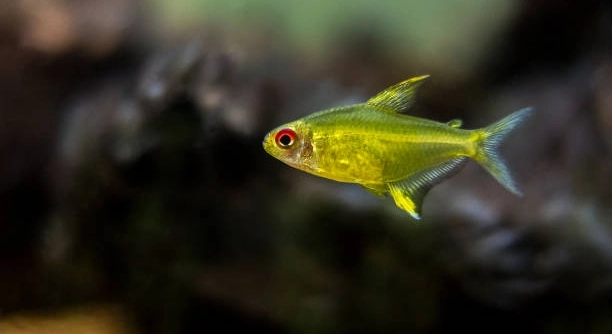
Have you ever noticed your fish acting sluggish or hiding more than usual in the tank? Warm water can quietly affect your aquarium, changing the way your fish behave and the overall health of the environment.
Tank water that is too warm can lead to decreased oxygen levels, increased algae growth, and stress for aquatic life. Monitoring temperature and making adjustments promptly is essential to maintain a stable and healthy habitat for all inhabitants.
Recognizing subtle signs of warm water can prevent long-term harm and keep your aquatic friends comfortable and thriving in their environment.
Fish Hiding More Than Usual
When water gets too warm, fish often retreat to corners or under decorations. They may hide near the surface or behind plants more than usual. This behavior is linked to reduced oxygen levels in warmer water. Fish instinctively look for areas where they feel safe and where oxygen is more available. Over time, staying hidden can affect their feeding habits and energy. Some species, like tetras or guppies, may seem lethargic, barely moving across the tank. Others, such as bettas, may flare or act unusually aggressive when stressed by temperature changes. Observing these behaviors daily can help you notice subtle changes before serious issues arise. Adjusting the temperature gradually and ensuring proper aeration can make a big difference in calming stressed fish. Consistency is key—sudden fluctuations can worsen the situation.
Warm water stress causes fish to hide, eat less, and show signs of fatigue quickly.
Being proactive about tank temperature keeps fish active and helps prevent long-term health issues. Proper monitoring and aeration support a stable environment, letting fish move comfortably and interact naturally. Regular observation allows for small adjustments, like lowering the heater slightly or adding a bubbler, to restore balance. Maintaining consistent conditions also reduces disease risk since stressed fish are more prone to infections. Noticing patterns in behavior can guide better care routines and improve overall tank harmony.
Increased Algae Growth
Algae tends to grow faster in warmer water. This happens because heat accelerates the growth of microorganisms that algae feed on. High temperatures also make nutrients in the water more available, creating ideal conditions for algae blooms. Over time, green or brown layers may appear on the glass, decorations, or plants, making the tank look murky. While algae are part of a healthy aquarium ecosystem, excessive growth can indicate that the water is too warm. It can reduce oxygen levels, compete with plants for nutrients, and make cleaning more frequent. Monitoring both water temperature and nutrient levels helps control algae without harming fish. Small adjustments in lighting and regular water changes can reduce overgrowth effectively, keeping the tank balanced and visually clear.
Algae thrives when water is warm, nutrient-rich, and light exposure is high.
Unchecked algae growth not only affects appearance but also signals deeper tank imbalances. Warm water encourages algae to multiply quickly, and overfeeding or leftover food accelerates the problem. Plants may struggle as algae compete for nutrients, and oxygen levels can drop, stressing fish. Simple changes like reducing light exposure, cleaning surfaces regularly, and performing partial water changes slow algae proliferation. Installing a thermometer and adjusting the heater ensures water stays within the recommended range. Keeping nutrient levels in check also prevents sudden blooms. Some fish, like snails or certain catfish, can help control algae naturally, but temperature management remains the most reliable method. Maintaining a stable environment ensures plants and fish thrive without frequent algae disruptions.
Rapid Fish Breathing
Fish may start breathing faster when water temperature rises. Gills move quickly as they try to take in more oxygen from the water. This is a direct response to lower oxygen levels in warmer water, and it can indicate serious stress if prolonged.
Rapid gill movement is a warning sign that oxygen levels are insufficient. Fish may come to the surface more often, gulping air, or cluster near filters where water movement increases oxygen availability. Prolonged exposure to warm water can weaken their immune systems and make them more vulnerable to illness. Keeping a thermometer in the tank and monitoring for these breathing changes allows timely intervention. Adjusting the heater and increasing aeration, such as adding an air stone or adjusting the filter flow, helps restore a safer environment. Avoid sudden temperature changes, as fish cannot adapt quickly. Consistent observation is key to preventing health issues linked to rapid breathing.
If rapid breathing persists, fish may show lethargy, decreased appetite, and vulnerability to infections. Monitoring temperature daily ensures you can act before these problems escalate.
Cloudy Water
Cloudy water often accompanies high temperatures in an aquarium. Warm water encourages bacteria and microscopic algae to multiply, making water appear hazy. This is a visible indication that the tank’s ecosystem is under stress and needs attention.
A sudden cloudiness usually signals bacterial blooms caused by heat or excess organic matter. Fish waste, leftover food, and decaying plants feed bacteria, which thrive more in warmer conditions. Over time, the water may develop a white, green, or brown tint, affecting fish visibility and comfort. Consistent cleaning, partial water changes, and monitoring temperature are essential to restore clarity. Proper filtration also helps maintain water quality. Cloudiness can mask other issues like ammonia spikes, so keeping water balanced is crucial.
Even minor cloudiness can stress fish, reduce oxygen, and encourage further algae growth. Regular checks and maintenance prevent small problems from becoming larger tank issues.
Fish Rubbing Against Surfaces
Fish may start rubbing against decorations, gravel, or tank walls when the water is too warm. This behavior can indicate irritation or stress caused by increased bacteria or parasites that thrive in higher temperatures.
Persistent rubbing can damage fins or skin, leaving fish more prone to infection. Observing this behavior early allows for temperature adjustment and better water maintenance.
Decreased Appetite
Warm water often causes fish to eat less. Their metabolism can increase initially, but prolonged heat stresses their digestive systems, making feeding irregular. Some fish may ignore food completely, losing weight and energy.
Plant Decay
Plants in a warm tank may start to wilt or turn yellow. High temperatures accelerate decomposition and reduce nutrient absorption.
What is the ideal temperature for a freshwater aquarium?
Most freshwater fish thrive between 74°F and 78°F. Tropical species generally prefer the higher end of this range, while temperate fish do better slightly cooler. Maintaining a stable temperature within these limits supports metabolism, reduces stress, and helps prevent diseases caused by fluctuating heat.
How can I quickly lower the temperature if it gets too high?
You can reduce heat by turning off heaters temporarily and adding cooler water gradually. Using fans or floating ice packs in sealed bags can also help. Avoid drastic changes, as sudden drops can shock fish and cause health problems.
Why do fish breathe faster in warm water?
Warm water holds less oxygen, so fish must move their gills more rapidly to get enough. This increased respiration is a natural response but can become dangerous if it continues for long periods. Aeration and temperature adjustment help alleviate the stress.
Is cloudy water always caused by heat?
Not always, but warm water accelerates bacterial and algae growth, often causing haze. Cloudiness can also result from overfeeding, inadequate filtration, or decaying plant matter. Testing water regularly helps pinpoint the root cause and prevent prolonged tank stress.
Can plants survive in slightly warm water?
Some hardy plants tolerate slightly warmer water, but prolonged heat can stunt growth, cause leaves to yellow, or accelerate decay. Ensuring stable temperature, proper lighting, and nutrient balance keeps plants healthy even if the water is warmer than ideal.
How do I know if algae growth is due to temperature?
Rapid algae blooms often coincide with high water temperatures. Excess nutrients from fish waste or leftover food also contribute. Monitoring both temperature and nutrient levels helps distinguish whether heat alone is the main factor. Regular cleaning and water changes reduce overgrowth.
Are certain fish more sensitive to warm water?
Yes, cold-water species like goldfish or white cloud minnows are more prone to stress in warm tanks. Tropical fish can tolerate higher temperatures, but even they suffer if heat persists or oxygen levels drop. Observing behavior daily helps identify sensitive species.
Can warm water cause long-term damage to fish?
Prolonged exposure to high temperatures can weaken immune systems, reduce growth, and increase susceptibility to disease. Chronic stress may shorten lifespans and cause reproductive issues. Consistently monitoring tank conditions is key to preventing these outcomes.
What are the signs that my fish are stressed by heat?
Common indicators include hiding, rapid breathing, rubbing against surfaces, decreased appetite, and lethargy. Subtle changes in color or fin condition may also appear. Catching these signs early allows for temperature adjustments and oxygenation to reduce stress.
How often should I check my aquarium temperature?
Daily monitoring is recommended, especially during seasonal changes or if the tank is near windows or heat sources. Using a reliable thermometer ensures consistency, allowing for prompt action if the water warms above safe levels.
Keeping your tank water at the right temperature is one of the simplest yet most important steps in maintaining a healthy aquarium. Fish and plants are sensitive to changes, and even a few degrees above their comfort zone can create stress. When water gets too warm, oxygen levels drop, algae grows faster, and fish may hide, breathe rapidly, or stop eating. These changes might seem small at first, but over time they can lead to bigger health issues and make your tank harder to manage. Paying attention to water temperature daily, especially during hot weather or if your tank is near a heat source, can prevent these problems from becoming serious. Simple tools like a thermometer or an air stone can make a noticeable difference in keeping the environment stable and safe.
Regular observation of your aquarium is equally important. Watching how your fish move, how they react to feeding, and the condition of plants and water clarity gives you a clear idea of whether the temperature is appropriate. Signs such as cloudy water, algae overgrowth, and fish rubbing against surfaces often point to warmth-related stress. Catching these issues early allows for small, safe adjustments that prevent larger problems later. Even if your heater or room conditions fluctuate slightly, consistent monitoring allows you to respond quickly. Making gradual changes rather than sudden ones is essential because fish cannot adapt immediately, and rapid shifts can worsen stress instead of fixing it. By establishing a routine that includes checking temperature, cleaning filters, and performing partial water changes, you maintain a balanced and healthy environment.
Understanding how heat affects your tank also helps you plan for long-term care. Some fish are more sensitive to warmth, while plants may struggle or decay if temperatures stay high for too long. By knowing which species thrive at which temperatures, you can choose the right combination and avoid unnecessary stress. Preventative measures, such as adjusting the heater, adding aeration, or limiting light exposure, can keep both fish and plants in good condition. Maintaining a steady temperature benefits not only individual health but the overall balance of the tank, reducing algae, bacterial blooms, and other problems. Being attentive to these details ensures that your aquarium remains a comfortable and stable habitat where fish are active, plants grow well, and the tank stays clear and visually appealing. A few simple steps and careful observation go a long way toward creating a safe and healthy aquatic environment.

Hello,
If you enjoy the content that we create, please consider saying a "Thank You!" by leaving a tip.
Every little bit helps us continue crafting quality advice that supports the health, happiness, and well-being of pets around the world, for pets of all shapes, sizes, and species.
We really appreciate the kindness and support that you show us!